How Early Should You Arrive for a Guided Fishing Trip?
One of the trickiest parts of booking a guided fishing trip in Arkansas, especially if you're traveling from out of town, is figuring out the logistics for the big day. You've got your gear ready, your excitement is building, but then a question pops up: exactly how early should you arrive for a guided fishing trip? It's a common stressor, and showing up at the wrong time can throw off the whole morning. This guide will help you understand the perfect timing to ensure a smooth, stress-free start to your angling adventure.
The Standard Rule of Thumb for Arrival
When it comes to guided fishing trips, whether you're targeting trout on the White River or bass on Lake Ouachita, there's a general expectation for arrival time. It's not like catching a plane where you need to be there hours ahead, but it's also not like showing up precisely at the minute your trip is scheduled to begin.
Most experienced Arkansas fishing guides will tell you that arriving 15 to 30 minutes before your scheduled departure time is the sweet spot. This window allows for a relaxed start without feeling rushed, but also without encroaching too much on your guide's personal preparation time. Think of it as a pre-game warm-up. This isn't just a suggestion; it’s a professional courtesy that allows your guide to properly brief you, get all the necessary paperwork out of the way, and ensure everyone is comfortable and ready before hitting the water.
Imagine you're scheduled for a 7:00 AM start on the White River. Rolling up at 6:45 AM gives you a full 15 minutes to meet your guide, stow your personal items, confirm what's provided (like water or snacks), and ask any last-minute questions. It also gives the guide a chance to finalize any last-minute tackle selections based on the conditions or your preference. If you’re looking through a service like FishingBooker, you’ll often find guides explicitly state their preferred arrival window in their booking information, so always double-check there first. This proactive approach ensures that by the time 7:00 AM hits, you're not still fumbling with your boots or trying to figure out where to park, but rather you're already settled in the boat, ready to cast.
Why Punctuality Matters to Your Guide
It might seem like just a few minutes here or there, but punctuality is incredibly important to your fishing guide, and ultimately, to your trip's success. Your guide’s day is carefully scheduled, often with multiple trips or specific tide and bite windows in mind.
Firstly, your guide has a detailed plan for the day, which includes travel time to the best fishing spots, specific techniques they plan to employ, and target species. For example, if you're chasing trophy brown trout on the White River, the early morning bite can be crucial. Delays mean lost fishing time, and that's time you've paid for. Missing that prime window could impact your chances of catching the fish you've dreamed about. A professional guide considers every minute valuable, and they want to maximize your time on the water, not spend it dealing with preventable delays at the dock.
Secondly, guides often have responsibilities before your arrival and after your departure. They might be checking water conditions, buying fresh bait, or preparing their boat for the next group. They also need to ensure all safety equipment is in place and perhaps perform a final check on the motor or electronics. Your early, but not too early, arrival ensures they can transition smoothly from their prep work to welcoming you. Being on time also shows respect for their professionalism and the effort they put into making your trip a success. It really sets a positive tone for the entire adventure, fostering a good rapport between you and your guide from the very beginning.
Factors Influencing Your Arrival Time
While the 15-30 minute rule is a solid baseline, several factors can influence whether you need to arrive a little earlier or if you can stick strictly to that window. Being aware of these variables can help you fine-tune your arrival strategy.
Trip Type and Location
The specific type of fishing trip and its location in Arkansas can certainly play a role. A remote float trip on a smaller stream like the Little Missouri River, where access points might be less developed, could require a slightly earlier arrival to ensure everyone is organized before a shuttle or put-in. Conversely, a guided trip leaving from a well-established marina on a large lake like Bull Shoals Lake or Lake Hamilton, with ample parking and facilities, might be a bit more flexible.
For instance, if you've booked a specialized fly-fishing float trip on the White River, your guide might need more time to discuss specific fly patterns, rigging, and casting techniques before you even push off. This is very different from a conventional tackle trip where the gear is often already rigged and ready. Always clarify these specifics with your guide when booking. If you used a platform like FishingBooker, review the trip details carefully, as guides often include specific instructions for meeting points and times. Understanding whether it's a Full-Day vs Half-Day White River Trout Trips Which to Book in Arkansas can also impact the initial setup time, as longer trips might involve more gear or a more comprehensive safety briefing.
Group Size and Gear Needs
The number of people in your party and the amount of personal gear you're bringing can also shift the ideal arrival time. A solo angler or a couple with minimal personal items can usually adhere to the standard 15-30 minutes. However, a larger group, say a family of four or more, especially with children, will likely benefit from arriving a bit earlier, perhaps 30-45 minutes ahead of schedule.
Think about it: more people mean more bags, more snacks, more questions, and potentially more bathroom breaks before getting on the boat. If you have any specialized medical needs or require specific accommodations, that extra buffer time is invaluable for your guide to understand and prepare. Also, if you're bringing your own rods and reels, the guide will need a moment to inspect them, ensure they're appropriate for the target species and conditions, and help you store them safely. This is where those extra minutes really count, preventing a chaotic scramble right as the departure time approaches.
The Guide's Specific Instructions
This is perhaps the most critical factor: always defer to your guide's specific instructions. When you book your trip, whether directly with a guide or through a service, they will typically provide detailed information about the meeting location, time, and any special requests. Some guides might prefer you arrive exactly 15 minutes prior, while others, especially for early morning departures or complex logistical setups, might ask you to be there 45 minutes to an hour beforehand.
Never assume. If there's any ambiguity in the instructions, don't hesitate to reach out to your guide a day or two before the trip to confirm. A quick phone call or text can clear up any confusion and ensure you're on the same page. Remember, your guide is the expert on the water and the local conditions, so their advice on timing is gold. If you've asked Questions to Ask Before Hiring an Arkansas Fishing Guide, "What's your preferred arrival time?" should absolutely be on that list.
Weather and Road Conditions
Unexpected weather and road conditions can throw a wrench into even the best-laid plans. Heavy fog, torrential rain, or even unexpected road construction (which seems to pop up everywhere!) can significantly impact travel times, especially if you're navigating unfamiliar routes to a launch ramp or meeting point.
Always check the local weather forecast and traffic conditions the evening before and the morning of your trip. If you anticipate any delays, it's far better to leave earlier than planned. Build in extra travel time, particularly if you're driving a considerable distance or through areas prone to congestion, like around the larger cities or popular tourist destinations. Imagine trying to get to a launch on Lake Conway near Little Rock during rush hour – that 15-minute drive can easily become 45. A smart angler always plans for the unexpected, especially when Mother Nature is involved.
What Happens If You're Late (or Too Early)?
Understanding the consequences of your arrival timing can further emphasize the importance of being punctual. While most guides are understanding, there are practical limits.
Consequences of Lateness
Being late for a guided fishing trip usually means one thing: you lose fishing time. Your guide is on a schedule, and they typically cannot extend the trip duration past the agreed-upon end time to compensate for your late arrival. If your trip is scheduled from 7:00 AM to 12:00 PM and you arrive at 7:30 AM, your trip will still likely conclude at 12:00 PM, meaning you've lost 30 minutes of valuable angling. This can be particularly frustrating when you're paying for a full-day experience.
In some cases, especially if your delay is significant (e.g., an hour or more) and without prior communication, the guide might have other commitments or trips scheduled. At worst, they might even have to cancel your trip outright, potentially without a refund, especially if it's explicitly stated in their cancellation policy. While this is rare, it highlights why communication is key. Don't risk having Penalties for Fishing Without a License in Arkansas be the least of your worries—ensure you're on time for your paid expedition!
Being "Too Early" and Why It Can Be a Problem
While lateness is the bigger sin, arriving "too early" can also be an issue, though less severe. If you show up an hour or more before your scheduled time, your guide might still be preparing their boat, having breakfast, or even just enjoying a few moments of peace before a long day on the water.
Your guide often needs that pre-trip window to themselves for final preparations, checking conditions, and getting mentally ready. Suddenly having clients waiting around can be an unexpected interruption, creating a subtle pressure or distraction for them. It might also mean they’re not fully set up to greet you, which can feel awkward for both parties. Respecting their personal preparation time is just as important as being on time for the actual departure. Think of it as allowing them to complete their crucial pre-flight checks undisturbed.
Communicating with Your Guide
Life happens. Traffic jams, unexpected car trouble, or a sudden illness can disrupt even the best plans. If you anticipate being late, or if you're running significantly ahead of schedule and think you might arrive much earlier, always communicate with your guide as soon as possible.
A quick phone call or text message explaining the situation is a professional courtesy. It allows your guide to adjust their schedule if possible, or at least understand what's happening. They can then advise you on the best course of action. Maybe they'll tell you to take your time, or perhaps they'll recommend a nearby coffee shop to wait at if you're too early. Good communication is the bedrock of any successful guided trip and can prevent misunderstandings and unnecessary stress for everyone involved.
Tips for a Smooth Start to Your Fishing Adventure
To ensure you have the best possible experience from the moment you arrive, here are some actionable tips for a smooth start to your guided fishing trip in Arkansas.
Confirming Details in Advance
Don't wait until the last minute to confirm crucial details. A day or two before your trip, reconfirm the meeting time, location, and any specific instructions with your guide. This is also a great opportunity to ask about current fishing conditions, what to wear, and what snacks or drinks they recommend bringing.
This simple step can prevent a lot of anxiety and ensure everyone is on the same page. If you booked through a service like FishingBooker, make sure you have the guide's direct contact information. This confirmation call isn't just about avoiding a misstep; it’s about building rapport with your guide and showing them you’re serious about having a great day on the water. It also helps you clarify anything from the What to Bring on a Guided Arkansas Fishing Trip list that might be ambiguous.
Pre-Trip Preparation (Packing, Breakfast, etc.)
The night before your trip, prepare as much as possible. Lay out your clothing, pack your bag with essentials like sunscreen, sunglasses, hat, and any personal medications. If you’re bringing your own gear, make sure it’s organized and easily accessible.
Don't skip breakfast! A good meal before an early morning on the water will help you stay energized and focused. Pack any snacks and drinks you plan to bring in a cooler that's easy to grab. Having everything ready the night before eliminates morning rush and reduces the chances of forgetting something important. You want to wake up, have your coffee, and smoothly transition to getting to your meeting spot, not frantically search for your car keys or fishing hat.
Using Navigation Apps Wisely
Familiarize yourself with the route to your meeting point well in advance. Use GPS navigation apps, but don't solely rely on them, especially if you're going to a less common or remote launch point. Look at the route on a map, understand potential turns, and identify landmarks.
Some remote access points, particularly for rivers, might have spotty cell service, which can render your navigation app useless right when you need it most. Consider downloading offline maps of the area if available. Always build in extra travel time – it's better to arrive a little early and wait comfortably than to be racing against the clock and stressing about getting lost. For spots like those on the Cossatot River Fishing Guide in Arkansas, road conditions can be unpredictable, so advance planning is crucial.
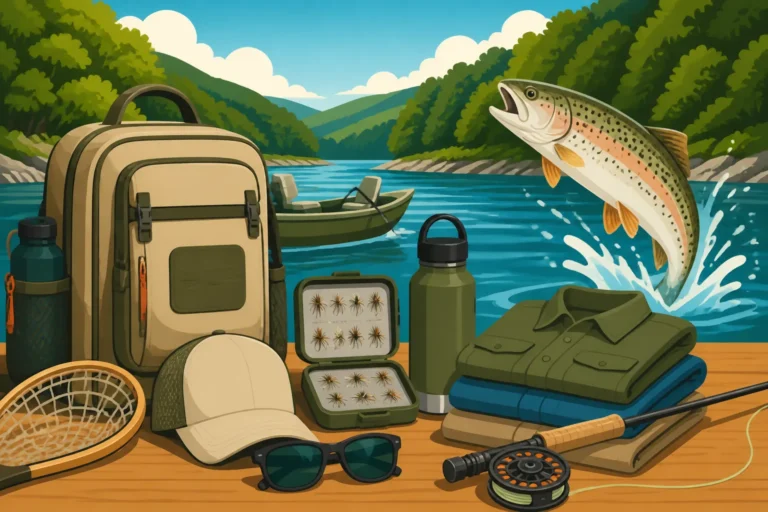
Packing Table for a Guided Trip
Here's a quick checklist to help you pack efficiently and ensure a smooth start to your guided trip:
| Item Type | Essential Items | Recommended Extras | Notes |
|---|---|---|---|
| Personal Gear | Valid Arkansas fishing license & trout permit | Small backpack/dry bag | Confirm if Do You Need an Arkansas Fishing License for a Guided Trip? |
| Weather-appropriate clothing (layers) | Rain gear (jacket & pants) | Even if the forecast is clear, weather can change quickly | |
| Hat, polarized sunglasses, sunscreen | Buff/neck gaiter, insect repellent | Protect yourself from sun and bugs | |
| Comfortable, non-slip shoes | Change of clothes (for after the trip) | You might get wet! | |
| Food & Drink | Water bottle | Snacks, sandwich, non-alcoholic beverages | Check if guide provides water/drinks |
| Small cooler (if bringing own food/drinks) | Easy to carry and store on the boat | ||
| Fishing Gear | Your own rods/reels (if preferred) | Small tackle box with personal lures (optional) | Most guides provide all necessary tackle |
| Miscellaneous | Small first-aid kit (personal medications) | Camera/phone (in a waterproof case) | For emergencies and capturing memories |
| Cash for tip | Tipping Your Fishing Guide in Arkansas is customary |
By focusing on these practical aspects, you can alleviate much of the pre-trip anxiety and ensure that your guided fishing adventure in Arkansas starts off on the right foot, allowing you to fully enjoy the incredible fishing opportunities the state has to offer.
Disclaimer
This article is for general informational purposes only and does not constitute professional advice. Laws, prices and regulations vary by location and change over time. Consult a qualified professional for guidance on your specific situation.