Shore Fishing Access on Lake Millwood
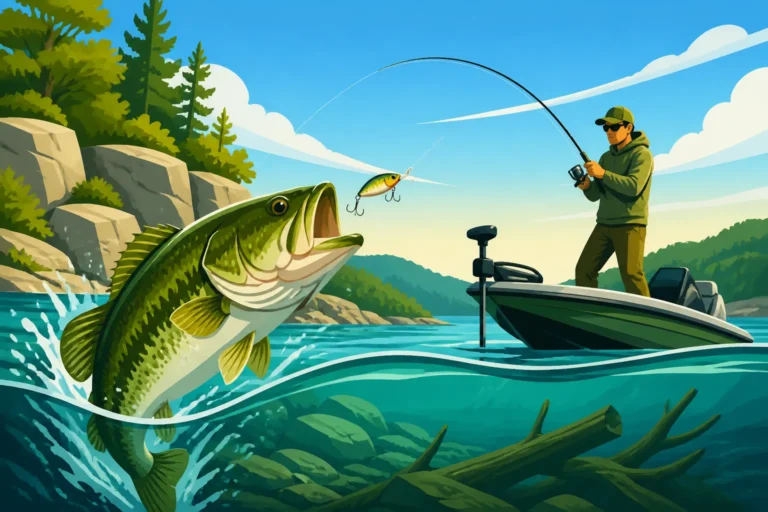
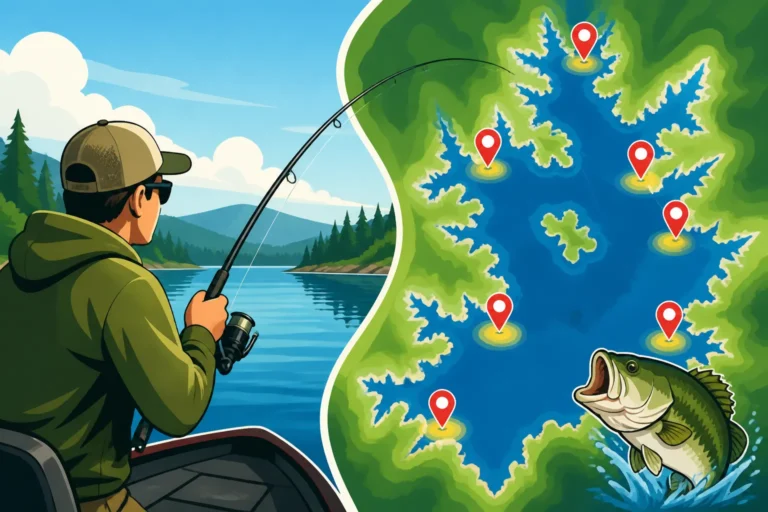
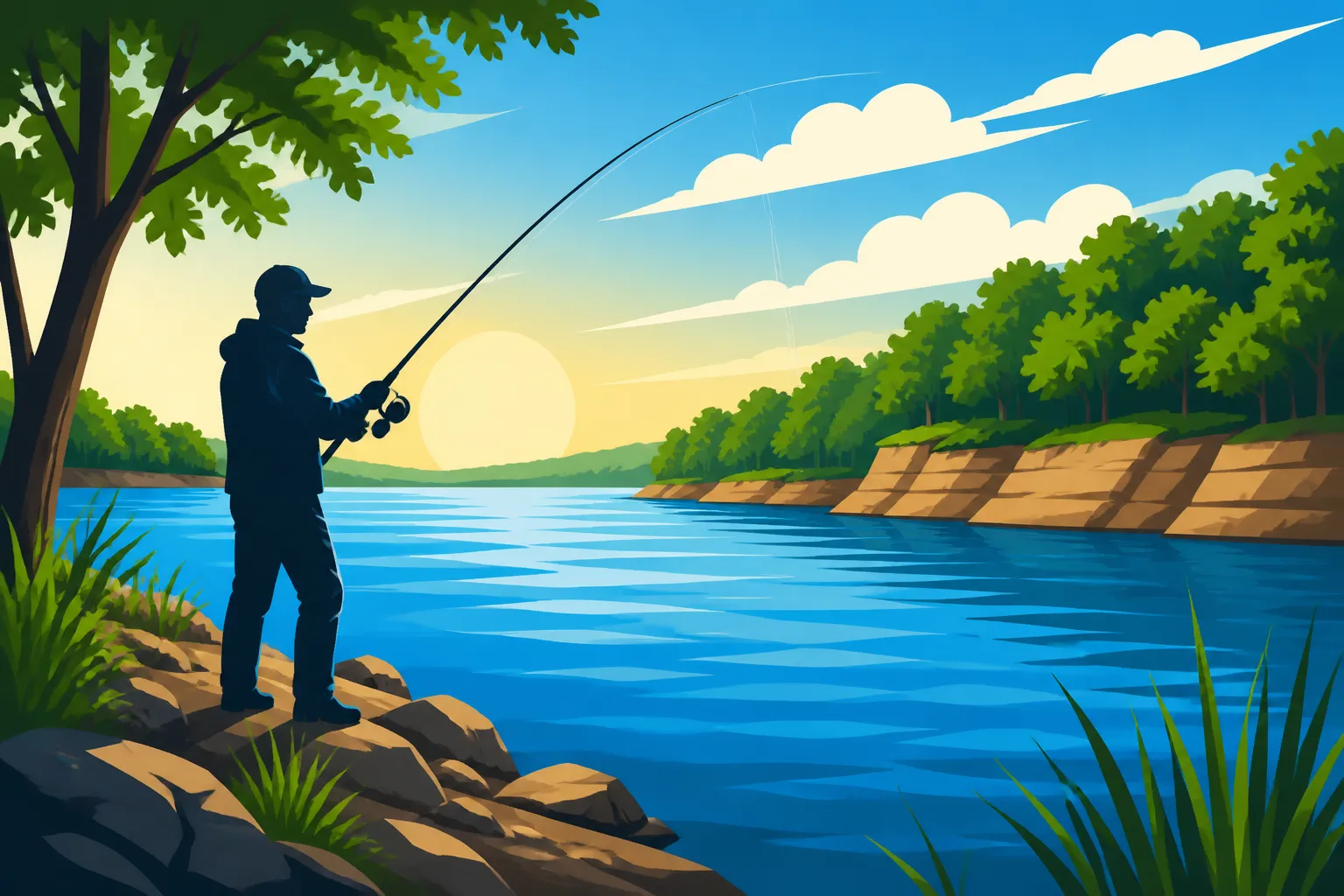
For many of us who absolutely love getting out on the water, the dream of a boat might still be just that – a dream. It's a common frustration, especially when you're looking at a fantastic fishery like Lake Millwood and wondering how on earth you're going to cast a line without a costly boat launch or owning a vessel. But don't you worry! This guide is specifically designed to help you navigate Lake Millwood's shores, uncovering the best and most accessible spots where you can enjoy a productive day of fishing right from the bank.
Understanding Lake Millwood's Unique Layout for Shore Anglers
Lake Millwood, nestled in Southwest Arkansas near Texarkana, is a truly special body of water. Unlike some of the deep, clear reservoirs in the Ozarks, Millwood is known for its shallow, timber-filled waters, an abundance of cypress trees, and a rich, fertile environment that supports an incredible fishery. While this diverse habitat is fantastic for fish, it can present a unique set of challenges and opportunities for those of us sticking to the shoreline.
The lake's relatively shallow average depth, combined with countless stumps, standing timber, and dense aquatic vegetation, means fish have plenty of cover. This is a huge plus because it concentrates fish near structure – and if you can reach that structure from the bank, you're in business. However, it also means you might encounter snags more often, and some areas are simply impenetrable without a boat. Water levels on Lake Millwood can fluctuate, especially with the Little River and Saline River feeding into it, and this can dramatically change what's accessible from shore. A spot that was great last month might be a muddy bank or a flooded forest edge today. It requires a bit of local knowledge and adaptability to consistently find success. This natural cover makes it a prime spot for species like largemouth bass and crappie, which love to hide in these submerged trees, as well as various catfish species that thrive in the nutrient-rich waters.
Top Public Shore Fishing Access Points on Lake Millwood
Finding reliable shore fishing spots on a lake as sprawling and timber-laden as Millwood can feel like a treasure hunt. Luckily, there are several well-established public access points that offer fantastic opportunities for anglers without a boat. These spots are often maintained by the Arkansas State Parks or the Army Corps of Engineers, providing amenities like parking, restrooms, and sometimes even fishing piers.
Millwood State Park Opportunities
One of the most angler-friendly destinations on Lake Millwood is undoubtedly Millwood State Park. This park is a true gem for shore-bound fishermen, offering multiple access points that are perfect for casting a line from the bank. The park features well-maintained areas with easy access to the water's edge. You'll find designated fishing areas, often with cleared banks, making it simpler to get your bait out without immediately snagging on a cypress knee. These areas are particularly popular for catching panfish and catfish, though bass and crappie are certainly present, especially in spring and fall when they move shallower.
The park's location along the lake means you're right in the thick of that signature Millwood timber, so even from shore, you can often reach good cover where fish like to hang out. It’s a great spot for families, too, with plenty of space to spread out. When planning your visit, keep an eye on water levels, as certain areas within the park might offer better access at different times of the year. Always check the park's official website or call ahead for the most current information on accessibility and any specific fishing regulations.
Army Corps of Engineers Day-Use Areas
The U.S. Army Corps of Engineers manages several day-use and recreation areas around Lake Millwood, and many of these offer excellent opportunities for shore fishing. These areas are generally designed for public access and recreation, which often includes easy routes to the water's edge. Spots like the Beard's Lake Recreation Area or Saratoga Landing might not always have dedicated fishing piers, but they often feature large open areas adjacent to the water, allowing you to walk the bank and find a suitable casting spot.
What makes these Corps of Engineers sites appealing is their sheer variety. Some might offer more open water, while others could have shallower, more timbered sections within casting distance. It's worth exploring a few different sites to see what suits your fishing style best. These areas are typically well-marked and provide ample parking, which is a huge convenience. You might find more success targeting catfish from the deeper banks of these areas, or if you can reach structure, expect to find bass. For those wondering about the various ways to access the lake, you can also find details on Boat Ramps on Lake Millwood in Southwest Arkansas if you ever decide to venture out on a small boat or kayak.
Other Notable Bank Access Points
Beyond the state park and official Corps of Engineers sites, there are often smaller, less-known public access points that can yield fantastic shore fishing. These might include road bridge crossings where you can safely pull over and cast into the water beneath or along the banks of the river channels leading into the main lake. For instance, wherever a county road comes close to the lake or one of its feeder creeks, there's potential for finding a small pull-off. However, these more informal spots require a bit more caution and respect for private property. Always be sure you're on public land and not trespassing.
Another area to consider is near the Millwood Dam itself. While direct access might be limited in some spots, areas immediately below the dam can sometimes offer unique riverine fishing opportunities for species moving through. Always observe any posted regulations regarding fishing near dam structures. These less-traveled spots often require a bit of adventurous spirit but can be incredibly rewarding, especially if you're looking to avoid crowds. Remember that local tackle shops are invaluable resources for finding these hidden gems; they often have the most up-to-date information on what's accessible and what's biting. A quick chat with a local expert can save you hours of searching.
| Access Point | Primary Fish Species | Key Features for Shore Anglers | Potential Challenges |
|---|---|---|---|
| Millwood State Park | Crappie, Bass, Catfish, Panfish | Cleared banks, some piers, restrooms, family-friendly | Can be crowded, timber snags |
| Beard's Lake Recreation Area | Catfish, Bass | Open bank access, parking, good for bottom fishing | Limited deeper water, can be shallow |
| Saratoga Landing | Bass, Crappie, Catfish | Public access, near river channels, parking | Fluctuating water levels affect access |
| Bridge Crossings | Bass, Crappie, Catfish | Access to current, often less crowded | Limited parking, potential for snags |
Essential Gear and Techniques for Successful Lake Millwood Shore Fishing
Shore fishing on Lake Millwood isn't just about finding a spot; it's also about having the right tools and knowing how to use them effectively in this unique environment. The dense cover and often shallow water dictate certain gear choices and fishing strategies. You're not going to be casting huge offshore lures, but rather focusing on getting your bait into those tight, fish-holding spots.
Rods, Reels, and Line for Bank Angling
For shore fishing on Lake Millwood, you'll want versatile equipment that can handle a variety of situations. A medium to medium-heavy spinning rod, around 6 to 7 feet long, is usually ideal. This length gives you enough leverage for casting from the bank, but isn't so long that it becomes cumbersome when dealing with bankside vegetation or overhanging trees. Pair it with a reliable spinning reel spooled with 10-15 lb test monofilament or fluorocarbon line. Monofilament offers good castability and some stretch, which can be forgiving when a fish makes a hard run, while fluorocarbon offers less stretch and better abrasion resistance, which is a definite plus around all that timber. Braid can also be an excellent choice, especially if you want maximum sensitivity and strength for pulling fish out of cover, but it requires a leader to be less visible to the fish.
Having a sturdy setup is key because when you hook into a good largemouth or a feisty catfish near a submerged log, you'll need the power to turn its head and prevent it from wrapping you up. Don't underestimate the fighting power of a fish in its natural, cover-rich environment. It's often helpful to bring a small tackle bag or backpack for easy mobility between spots, rather than a bulky tackle box.
Baits and Lures for Millwood's Target Species
Given Lake Millwood's timbered and often murky waters, baits and lures that are weedless, snag-resistant, and create a good profile are your best friends. For bass, weedless soft plastics like Texas-rigged worms, creature baits, or jigs with brush guards are incredibly effective. These can be pitched right into the heart of the cover without getting hung up constantly. Topwater frogs or buzzbaits can be exhilarating to throw over matted vegetation during warmer months. Crankbaits with a shallow dive curve, particularly those designed to deflect off wood, can also work well if you're casting into more open pockets near submerged timber. For those interested in bass techniques, you might find our guide on Bass Fishing Techniques for Beginners helpful, as many of these principles apply even from shore.
When targeting crappie from the bank, small jigs tipped with a minnow or a soft plastic grub under a bobber are tough to beat. The key is to get them into those brush piles or around cypress trees. For catfish, simple bottom-fishing rigs with stink baits, cut bait, or worms are incredibly effective. Just cast them out into deeper pockets or channels you can reach from shore and let the scent do the work. Remember, on Millwood, sometimes the simplest presentations are the most effective. Consider checking out What Bait Catches the Biggest Catfish in Arkansas? for more insights on catfish bait.
Adapting to Lake Millwood's Water Levels and Cover
Lake Millwood is a dynamic environment, and successful shore fishing often hinges on your ability to adapt. As mentioned, water levels can fluctuate. When the water is higher, more shoreline structure becomes accessible, and fish might push into flooded terrestrial vegetation, creating new opportunities. Conversely, lower water levels might expose mud flats, pushing fish further out, but they can also concentrate them into remaining channels or deeper pockets that might be reachable from shore.
The abundant timber and cypress trees are both a blessing and a curse. They hold fish, but they also snag lines. Learning to "read" the water and identify accessible cover is critical. Look for areas where the bank drops off quickly into deeper water near timber, or where there are breaks in the vegetation that allow you to cast into open pockets. Use a longer casting rod to reach further, or try skipping lures under overhanging branches if you have the skill. Don't be afraid to move around. If a spot isn't producing, pack up your light tackle bag and try another access point. Sometimes a slight change in angle or depth can make all the difference. Local knowledge can be invaluable here, so don't hesitate to consult local bait shops or even online fishing forums for real-time updates on water conditions.
Maximizing Your Shore Fishing Experience on Lake Millwood
To truly make the most of your Lake Millwood shore fishing adventure, it's not just about where and what to use, but also when to go, how to prepare, and how to utilize all available resources. A little planning goes a long way in ensuring a memorable and successful trip.
Best Times to Fish from Shore
Like most fisheries, Lake Millwood has its prime times. For shore anglers, spring and fall are often the sweet spots. In the spring, fish like bass and crappie move into shallower waters for spawning, making them much more accessible from the bank. This is when you can really capitalize on those weedless soft plastics and jigs pitched into visible cover. Early mornings and late evenings during these seasons are particularly productive. Crappie especially come in tight to the bank in the spring, making it a fantastic time for Where to Catch Crappie on Lake Millwood.
During the summer, the heat can push fish into deeper, cooler waters, making shore fishing tougher unless you can find access to deeper drops or fish very early or late in the day. Night fishing can be very effective for catfish during summer. In the fall, as water temperatures cool, fish become more active again and feed aggressively before winter, often moving back into shallower feeding grounds. Winter can be challenging, but if you find accessible deep holes or channel swings near the bank, catfish and even some bass can be caught, especially on warmer days. Always check the weather forecast and consider how recent temperature changes might impact fish behavior.
Planning Your Trip and Staying Safe
Preparation is key for any fishing trip, but especially when you're exploring new shore access points. Always inform someone of your fishing plans, including where you're going and when you expect to return. This is particularly important if you're venturing to more remote or less-trafficked spots. Pack essentials like water, snacks, sunscreen, insect repellent (those Millwood mosquitoes can be fierce!), a first-aid kit, and a fully charged phone. Wear appropriate clothing and sturdy, waterproof footwear, as some bank areas can be muddy or uneven.
Understanding the specific fishing regulations for Lake Millwood is also paramount. This includes daily creel limits and size restrictions for different species. You'll definitely want to know the Largemouth Bass Daily Limit in Arkansas and Crappie Size and Daily Limit in Arkansas before you head out. Don't forget your fishing license! You can find comprehensive information on Arkansas Fishing License Rules and Costs to ensure you're compliant. Respect private property signs, pack out everything you pack in, and leave no trace behind. A responsible angler is a welcome angler.
Leveraging Local Knowledge and Resources
Even without a boat, local knowledge can exponentially increase your shore fishing success. Strike up conversations at local bait and tackle shops in nearby towns like Ashdown or Texarkana. These folks live and breathe Lake Millwood fishing and can offer invaluable insights into what's biting, where the best bank access is right now, and what baits are working. They might even be able to tell you about hidden public easements or lesser-known spots that aren't on any map.
Online resources and forums dedicated to Arkansas fishing can also be a goldmine of information, with anglers sharing recent reports and tips. While typically known for booking guided trips, platforms like FishingBooker can sometimes offer insights into popular areas or even allow you to connect with guides who might be willing to share general shore fishing advice for their local waters, even if you're not booking a trip. While a guided trip for shore fishing might not be common, understanding what a guide focuses on in certain areas can inform your own bank-fishing strategy. Sometimes just seeing where other anglers are launching a boat can give you an idea of general access points that might also have shore access nearby. This collective wisdom is a powerful tool in your shore fishing arsenal, helping you unlock the secrets of Lake Millwood without ever needing to launch a boat.
Disclaimer
The information provided in this guide is for general informational purposes only and is subject to change. Fishing regulations, access points, and conditions on Lake Millwood can vary, and it is always the angler's responsibility to verify current rules and ensure compliance with all local, state, and federal regulations. Always prioritize safety when fishing and be mindful of your surroundings.