Remote Fishing Coves on Lake Millwood
There’s nothing quite like the dream of a peaceful day on the water, rod in hand, with not another soul in sight. But on a popular lake like Millwood, finding that kind of undisturbed solitude can feel like a pipe dream, especially if you don’t know where to look. This guide is all about peeling back the layers of Lake Millwood to reveal its hidden gems: those remote fishing coves where the fish are less pressured and the tranquility is abundant, ensuring your next trip is both rewarding and relaxing.
Understanding Lake Millwood's Character for Seclusion
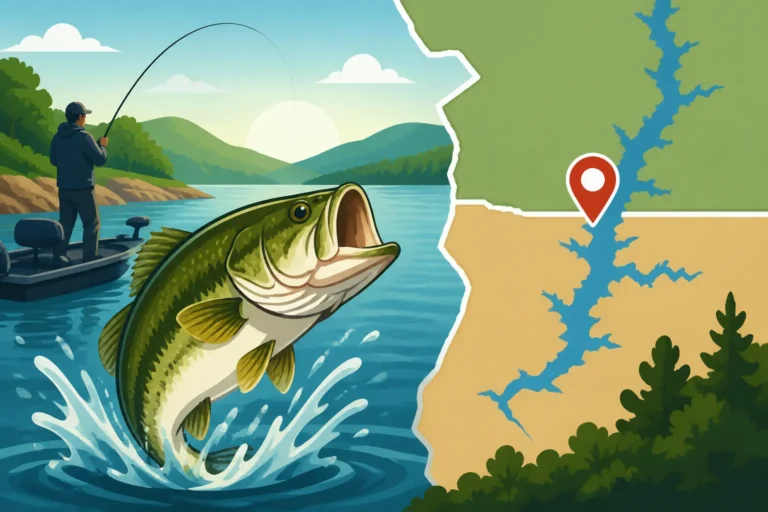
Lake Millwood, located in Southwest Arkansas, is a true gem, but it's also famous for its vast expanses of standing timber, which can be both a blessing and a curse. While navigating through submerged trees and stumps can be challenging, these very features are what create incredible opportunities for finding untouched waters. It's in these often-overlooked, difficult-to-reach areas where the biggest rewards often lie.
The Allure of Lake Millwood's Hidden Corners
We've all been there: you head out for a peaceful day of fishing, only to find your favorite cove overrun with other boats, the tranquility shattered by buzzing motors and loud conversations. It's frustrating, and it defeats the whole purpose of escaping to the lake. The allure of Lake Millwood's hidden corners isn't just about escaping the crowds, though that's certainly a huge draw. It's about tapping into a different kind of fishing experience entirely. These remote coves often hold fish that haven't seen a lure in days, making them less wary and more likely to strike.
Imagine drifting silently into a secluded pocket of water, the only sounds being the gentle lapping of waves against your boat and the chirping of cicadas. This is the peace that remote fishing coves offer. It’s a chance to truly connect with nature and experience fishing as it was meant to be – an adventure. These areas are often pristine, offering stunning scenery that adds another layer to your outdoor escape.
How the Lake's Geography Creates Remote Spots
Lake Millwood is a unique reservoir, formed by damming the Little River and Saline River. Its expansive acreage, combined with the standing timber that was left when the lake was impounded, creates a labyrinthine environment. These submerged forests act as natural barriers, making many areas inaccessible to larger boats or even intimidating for those unfamiliar with the lake. This challenging geography is precisely what preserves the remoteness of certain coves.
The intricate network of creeks, bayous, and timber lines means that while some areas are wide open, others are tightly constricted, requiring careful navigation. These natural choke points and dense timber stands essentially gatekeep specific sections of the lake, ensuring that only those willing to put in the effort or possessing the right knowledge can reach them. It's not just about finding a "cove" on a map; it's about understanding how the timber, creek channels, and fluctuating water levels create dynamic, ever-changing hidden pockets that offer phenomenal fishing.
Navigating to Undiscovered Waters: Remote Coves Revealed
Embarking on a quest for Lake Millwood's remote fishing coves requires a bit of homework and a healthy dose of navigational savvy. These aren't the spots you just stumble upon; they demand planning, proper equipment, and a respectful approach. But trust me, the reward of finding that perfect, untouched fishing hole is absolutely worth the effort.
Identifying Potential Remote Coves on Maps
Before you even launch your boat, spend some quality time with detailed maps of Lake Millwood. Topographic maps, especially those designed for anglers, are your best friend here. Look for areas where the contour lines are tight, indicating steeper drops, or where creek channels snake back into the main body of the lake, often leading to hidden pockets. Pay close attention to areas marked with dense timber or "snag" zones – these are often natural deterrents for casual anglers, but they signal potential remote hideaways.
Satellite imagery, easily accessible through online tools, can provide an invaluable bird's-eye view. You can spot patterns in the timber, identify small, open pockets within dense wooded areas, or see narrow channels that might lead to larger, secluded coves. Cross-referencing these visual cues with hydrographic maps will help you understand the depth and bottom structure, giving you clues about where fish might be holding. Sometimes, a guide booked through a platform like FishingBooker might already have these spots dialed in, saving you a lot of legwork.
Specific Remote Coves and Their Access Points
While "remote" often implies less-known, there are general areas on Lake Millwood that consistently offer better chances for seclusion due to their challenging access or distance from popular boat ramps. The trick is to focus on the upper reaches of the Little River and Saline River arms, particularly where the river channels break down into numerous timbered sloughs and backwaters.
- Upper Little River Arm (Above Okay Road/Highway 32): This area becomes increasingly timber-choked as you head upstream. Look for small, winding channels that peel off the main river run. These often open into surprisingly large, quiet coves amidst the trees. Access here is typically by smaller boats or kayaks launched from less-developed ramps or even bank-side entry points far from main roads.
- Saline River Arm's Northern Sections: Similar to the Little River, the northern stretches of the Saline River arm offer extensive timber and less boat traffic. The challenge is navigating the maze of stumps. Coves here are often defined by dense stands of cypress and dead hardwoods, providing exceptional cover for fish and seclusion for anglers. Local knowledge or a detailed "Lake Millwood Fishing Guide in Southwest Arkansas" would pinpoint specific bends and feeder creeks that offer the best opportunities.
- Backwaters off the Main Lake near Hatton's Bluff: While Hatton's Bluff itself can see traffic, there are numerous small, timber-filled backwater channels branching off into the surrounding wetlands. These require careful navigation through very shallow, stump-filled water but can lead to pristine pockets that are rarely disturbed.
Overcoming Access Challenges to Secluded Areas
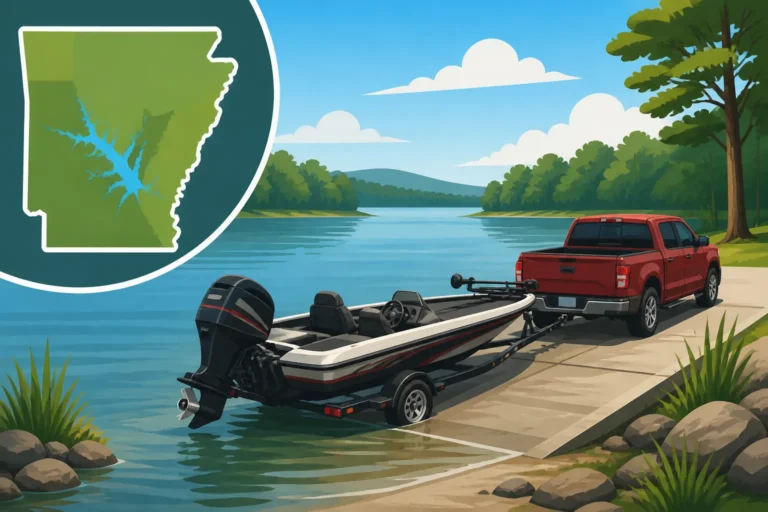
Reaching these hidden havens isn't always straightforward. For starters, the sheer amount of submerged timber is a major obstacle. A powerful trolling motor and a good depth finder with side imaging are indispensable tools. These will help you pick your way through the stumps and identify clearer paths or deeper pockets within the timber. Many anglers rely on smaller, flatter-bottomed boats, kayaks, or canoes for reaching the tightest spots. If you're wondering, "Do You Need a Boat to Fish Norfork Lake?", the answer is often yes for remote spots on Millwood, but smaller craft really shine here.
Consider the time of year and water levels when planning your trip. During periods of lower water, some channels might become impassable, while higher water can open up new routes into otherwise landlocked coves. If you're planning on utilizing a guide service, remember that many experienced guides on platforms like FishingBooker are intimately familiar with these hidden passages and can navigate them safely and efficiently. They possess the local knowledge that can turn a challenging expedition into a smooth, productive fishing trip, ensuring you spend less time navigating and more time fishing.
| Remote Cove Type | Primary Access Method(s) | Key Features | Target Species Typically Found |
|---|---|---|---|
| Timber-Choked Backwaters | Small boat, kayak, canoe | Dense standing timber, shallow, winding paths | Largemouth Bass, Crappie, Catfish |
| Feeder Creek Mouths | Small boat, kayak, limited bank | Current breaks, submerged debris, vegetation | Bass, Crappie, Sunfish |
| Deep Water Bluffs (Hidden) | Boat (trolling motor essential) | Steep drops, rock piles, submerged timber | Largemouth Bass, Catfish, Crappie |
| Marshy Bayous | Kayak, canoe, wade (carefully) | Lily pads, reeds, fallen logs, muddy bottom | Bass, Crappie, Bream |
Tactics for Fishing Secluded Lake Millwood Coves
Once you've successfully navigated your way into a remote cove on Lake Millwood, the real fun begins. The untouched nature of these spots means the fish might behave differently than their pressured counterparts in more open, frequently fished areas. Adapting your approach is key to making the most of these tranquil havens.
Best Species to Target in Quiet Waters
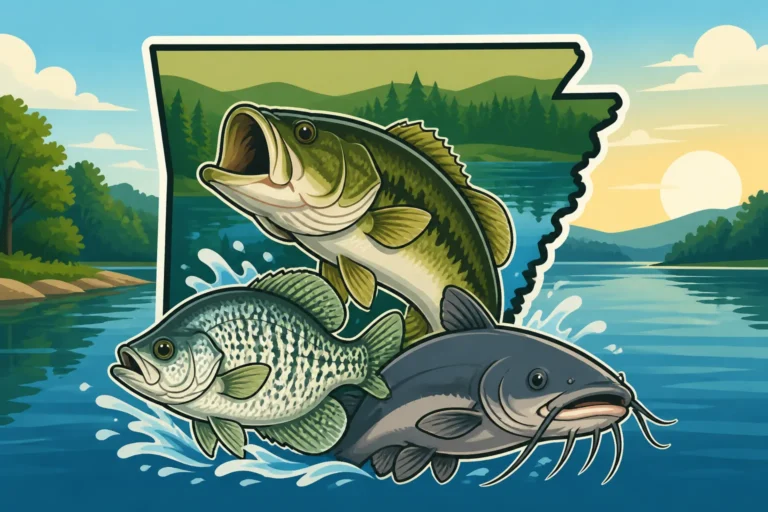
Remote coves on Lake Millwood are absolute goldmines for several popular game fish. Largemouth Bass reign supreme in these quiet, timber-laden waters. They love the dense cover provided by the standing trees, submerged brush, and weed beds often found in these areas. The lack of boat traffic allows them to be less spooky and more willing to ambush prey. You'll often find bigger, healthier bass simply because they face less fishing pressure. If you're serious about your bass fishing, delving into "Bass Fishing in Arkansas: Largemouth, Smallmouth, and Kentucky Bass Explained" can provide excellent insights into their behavior in these environments.
Crappie are another prime target for these secluded spots. They'll school up tightly around the timber and any brush piles or fallen trees in these coves. The calm, often murky waters provide ideal conditions for them. Look for them suspending around vertical structure or near the bottom. Catfish, too, thrive in the stillness of these remote areas, often lurking in deeper holes or under logs. Don't overlook sunfish or bream; they're abundant and always a blast on light tackle, especially for a relaxing day. Learning about "Crappie Fishing in Arkansas: Black and White Crappie Basics" can give you a significant edge when targeting these delicious panfish.
Essential Gear for Remote Cove Fishing
To successfully tackle these remote coves, having the right gear is crucial. First and foremost, a reliable boat – or even a kayak or canoe – capable of navigating shallow, timber-filled waters is paramount. A good trolling motor with GPS capabilities (like spot-lock) will make your life infinitely easier for holding position against wind or current while picking apart cover. You'll also want a high-quality depth finder with side imaging and detailed mapping to help you visualize submerged structure and navigate safely.
For fishing, a variety of rods and reels will serve you well. Medium-heavy casting rods with strong braided line are excellent for pulling bass out of thick cover. Lighter spinning setups are perfect for crappie jigs or targeting sunfish. Don't forget a selection of weedless lures – Texas-rigged worms, weedless jigs, and spinnerbaits are your friends here. Always pack extra line, hooks, weights, and a selection of soft plastics in natural colors. And, of course, a valid "Arkansas Fishing License Rules and Costs" is non-negotiable!
Techniques for Undisturbed Fish
Fishing in remote coves means you're often dealing with less pressured fish, but that doesn't mean they'll jump into your boat. They're still wild creatures, and subtlety can often be more effective than brute force. Start by approaching quietly; use your trolling motor sparingly and avoid loud noises. When casting, aim for precision. Place your lure right up against the timber, under overhanging branches, or into the densest cover. The fish are there because of the cover.
For bass, slow presentations often work wonders. Texas-rigged worms, creature baits, or jigs worked slowly along the bottom or through timber can trigger strikes. Topwater lures can be explosive during low-light conditions, especially where there's open water between timber. For crappie, vertical jigging with small jigs or live minnows around standing timber and brush piles is highly effective. Remember, patience is key. These aren't high-traffic areas, so you might need to work a spot thoroughly before you get a bite. Consider checking out "Arkansas Fishing Regulations Guide" for specific rules on creel limits and tackle in these areas.
Planning Your Secluded Lake Millwood Adventure
A successful trip to Lake Millwood's remote coves isn't just about finding the fish; it's about preparing for the journey, respecting the environment, and ensuring your safety. These out-of-the-way spots offer unparalleled experiences, but they also require a thoughtful approach.
Safety Considerations for Remote Exploration
Venturing into remote areas inherently carries more risk, and Lake Millwood's timber can be unforgiving. Always inform someone of your float plan – where you're going, your intended route, and when you expect to return. This is crucial for any kind of remote fishing. Carry a fully charged cell phone (though service can be spotty in some remote areas) and a reliable GPS device, separate from your phone, to navigate. A satellite communication device like a Garmin inReach could be a lifesaver.
Ensure your boat is in excellent working order, especially your trolling motor and battery, as you’ll rely heavily on them. Always wear a life jacket, especially when navigating through tight timber or if you're alone. Bring plenty of water and snacks, a first-aid kit, sun protection, and a basic tool kit for minor repairs. Understanding the local "Arkansas Fishing License Penalties and Requirements" also means you're prepared for any interaction with game wardens, who might patrol these remote areas.
Minimizing Your Impact on Pristine Areas
Part of the beauty of remote fishing coves is their pristine nature. It's our responsibility as anglers to keep them that way. Practice "Leave No Trace" principles rigorously. Pack out everything you pack in – and if you see any trash left by others, consider packing that out too. Avoid disturbing wildlife; these areas are their home. Minimize noise and avoid damaging vegetation or timber.
If you're using live bait, be aware of any regulations regarding the transfer of baitfish to prevent the spread of invasive species. Handle fish with care, especially if you plan to release them. Use appropriate landing nets and minimize their time out of water. The goal is to leave the area exactly as you found it, preserving its remote charm for future generations of anglers. Engaging with services like FishingBooker often means supporting guides who are equally committed to sustainable and responsible fishing practices.
What to Pack for a Day in the Wild
Beyond your essential fishing gear and safety items, a few additional things will make your remote Millwood adventure more comfortable and enjoyable. A good pair of polarized sunglasses is a game-changer for spotting submerged timber and reading the water. Bring a wide-brimmed hat and lightweight, long-sleeved clothing to protect against the sun and insects. Bug spray is an absolute must, especially during warmer months.
Consider a small, portable cooler for your drinks and snacks, and perhaps a few fish if you plan on keeping some for dinner. A waterproof bag for your electronics and valuables is also a wise investment. Don't forget a camera to capture the stunning scenery and any memorable catches – the solitude and beauty of these remote coves are truly photo-worthy. And remember to double-check that your "Arkansas Fishing License Types Explained" covers all your fishing intentions before you head out.
Disclaimer
Please remember that fishing conditions, regulations, and access points can change. Always consult the latest Arkansas Game and Fish Commission regulations before heading out. Safety should be your top priority on any fishing adventure.