Where Locals Actually Fish on Lake Ouachita
Stepping onto the shores of Lake Ouachita, it's easy to feel overwhelmed. This sprawling, pristine body of water, with its countless coves, islands, and miles of shoreline, can be intimidating for anyone not intimately familiar with its secrets. If you've ever spent a day scratching your head, wondering where the "real" anglers are finding success, you're not alone. This comprehensive guide will pull back the curtain, revealing the hidden gems and tried-and-true spots where locals actually fish on Lake Ouachita, helping you unlock its true potential.
Understanding Lake Ouachita's Unique Character
Lake Ouachita isn't just another big lake; it's a true gem of the Ouachita Mountains, known for its crystal-clear water and diverse fishery. But its very size and unique underwater geography are what make it such a puzzle for newcomers. You can motor for miles and miles, passing what looks like prime real estate, only to find the locals tucked away in seemingly unremarkable spots that hold the motherlode.
The Sheer Size and Complexity of the Lake
At over 40,000 acres, Lake Ouachita is Arkansas's largest lake, boasting a staggering 700 miles of shoreline. Imagine trying to navigate that without a roadmap! It’s not just wide-open water; it's a labyrinth of submerged timber, rocky points, deep channels, and countless islands – over 200 of them, in fact. This diverse structure means fish can be anywhere, and their patterns change with the seasons, water levels, and even the time of day. What was a hot spot last week might be barren this week, leaving anglers frustrated and confused. It's not uncommon for visitors to hit the lake with high hopes, only to return to the ramp with an empty livewell, simply because they don't know where to focus their efforts among the vastness.
Why Locals Know Best
The folks who've lived and fished around Lake Ouachita for years, even decades, have an invaluable, almost intuitive, understanding of its moods and secrets. They've spent countless hours not just fishing, but observing. They know which specific submerged humps hold schools of bass in the summer, which creek channels become crappie highways in the spring, and where the massive striped bass will push baitfish on a calm autumn morning. This isn't just about knowing a "spot"; it's about understanding the entire ecosystem – the baitfish movements, the thermocline depths, the subtle changes in current, and how weather patterns dictate fish behavior. They've paid their dues through trial and error, slowly piecing together the puzzle, and that hard-won knowledge is what sets them apart. They’ve seen Lake Ouachita through every condition imaginable, from drought years to flood stages, and that experience is priceless.
Unveiling the Hot Spots for Bass Anglers
Lake Ouachita is famous for its largemouth bass, and many anglers come specifically for the thrill of hooking into a big one. While there are plenty of Bass Fishing Spots on Lake Ouachita, Arkansas that are well-known, the locals have a few tricks up their sleeves that are worth noting.
Main Lake Points and Humps
When locals talk about bass fishing, especially during the warmer months, they often gravitate towards the main lake points and humps. These aren't just any points; we're talking about those specific underwater structures that extend far out into the lake, often dropping off into deeper water quickly. The key is finding points with a good mix of cover, like scattered rock, old stumps, or even deeper brush piles that have been placed by other anglers (respectfully, of course!).
Anglers will often start by idling over these areas with their electronics, looking for baitfish schools and predatory fish lurking beneath. Once a promising area is identified, a common local tactic is to cast deep-diving crankbaits or jig worms. Brands like Strike King or Zoom often get the nod here. The idea is to cover the contours of the point, bumping the bait along the bottom to elicit a reaction strike. In clearer waters like Ouachita, a more subtle approach with a Carolina Rig or a shaky head can also be incredibly effective, especially when fishing slower on the deeper side of the point. These spots act like magnets for bass looking to ambush baitfish moving up and down the water column, making them perennial favorites for seasoned anglers.
Hidden Coves and Timber Stands
While main lake structure is important, many locals also excel at finding bass tucked away in secluded coves, especially those with extensive submerged timber. These aren't always easy to find on a map; they often require a keen eye for subtle changes in the shoreline or knowledge passed down through generations. These hidden Coves on Lake Ouachita offer sanctuary and feeding grounds for bass, particularly during the spawn or when the fish are seeking cooler, shaded waters in the summer.
When fishing these areas, locals typically slow down their presentation. Flipping and pitching jigs or Texas-rigged plastics into the thickest cover is a go-to strategy. Think about targeting individual tree trunks, log jams, or thick patches of standing timber just a few feet below the surface. The key is precision casting and getting your bait into those tight, hard-to-reach spots where the biggest bass are often hiding. Patience is crucial here; you might not get many bites, but the ones you do get can be true monsters. This technique is often used in conjunction with a good trolling motor that can hold your position silently while you dissect the cover.
Night Fishing for Largemouth
Here's a true local secret that often goes overlooked by day-trippers: night fishing for largemouth bass on Lake Ouachita. The lake’s clear waters make daytime fishing a challenge for weary bass, but once the sun dips below the horizon, they often become much more aggressive and willing to chase. This is especially true in the hotter summer months when the surface temperatures soar during the day.
Locals heading out for Night Fishing Spots on Lake Ouachita will often target the same main lake points, humps, and even brushy coves they fish during the day, but with different tactics. Big black or dark-colored spinnerbaits, often with large thumping blades, become deadly. Buzzbaits retrieved across the surface, creating a distinct "plopping" sound, also draw explosive strikes. Another popular method is slowly working a large worm or jig along the bottom in deeper sections of lighted docks or under the pale glow of the moon. The darkness provides an unparalleled sense of anticipation, and the strikes can be absolutely heart-stopping. Remember to be safe when night fishing, always have proper lighting and know your way around the lake in the dark.
Crappie Fishing: Where the Locals Find the Slabs
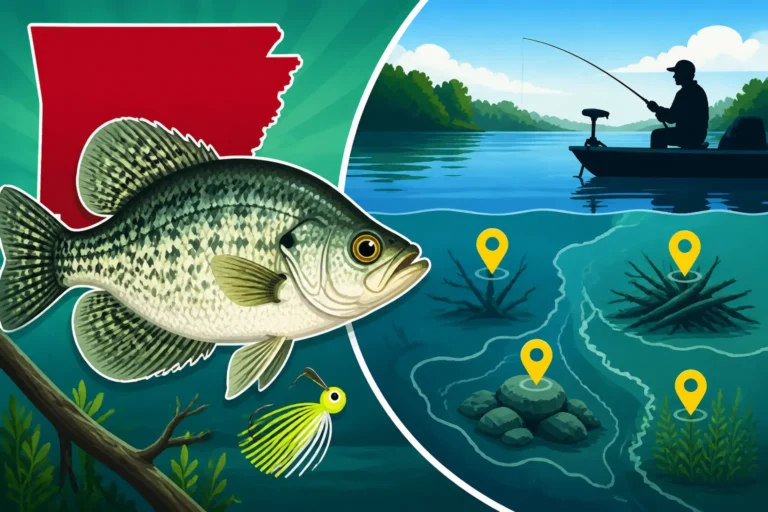
Crappie are another hugely popular species on Lake Ouachita, and for good reason—they're delicious and can provide fast action. But finding those elusive slabs requires a bit more finesse and local knowledge than simply throwing a jig. If you're wondering Where to Catch Crappie on Lake Ouachita, pay attention to these tried and true strategies.
Deep Water Brush Piles and Submerged Timber
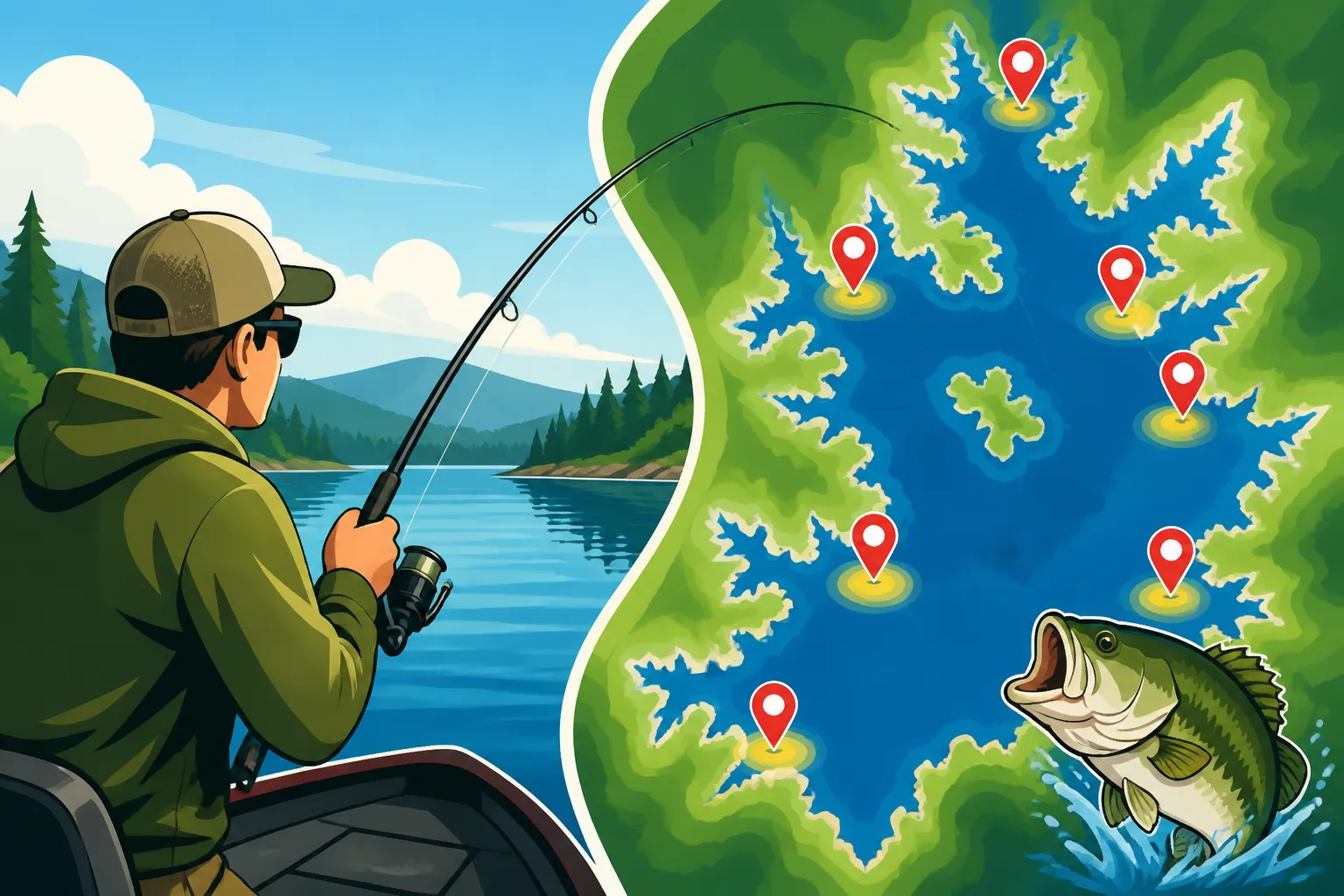
This is arguably the holy grail for crappie fishing on Lake Ouachita. The lake has an abundance of natural submerged timber, but also countless man-made brush piles placed by dedicated anglers (and even some put in by the Arkansas Game and Fish Commission). These structures provide essential cover and ambush points for crappie, especially once they move out of the shallow spawning areas. Locals spend a lot of time mapping these brush piles with their sonar, often marking them with GPS coordinates.
Fishing these deep-water brush piles typically involves vertical jigging. Anglers will position their boat directly over the brush pile, using their electronics to pinpoint the depth at which the crappie are holding. Small jigs, often 1/16 to 1/8 ounce, tipped with minnows or soft plastic crappie baits (like those from Bobby Garland or Vicious Fishing) are then lowered directly into the cover. The trick is to feel for the subtle tap of a crappie, which can sometimes feel like just a little extra weight on your line. It's a game of patience and precision, but when you hit a productive brush pile, you can often pull out several crappie in a short amount of time.
Seasonal Movements and Creek Channels
Understanding the seasonal movements of crappie is absolutely crucial on Lake Ouachita. In the spring, when water temperatures start to rise (usually in the 50s and 60s Fahrenheit), crappie will migrate from their deeper wintering grounds into shallower creek channels and coves to spawn. Locals know exactly which creeks become crappie highways.
During the pre-spawn and spawn, you'll find locals targeting the shallower ends of creek channels, looking for brush, stumps, and docks in 5-15 feet of water. Small jigs cast under a bobber or slow-trolled are incredibly effective. As the water warms further and crappie complete their spawn, they begin to move back out to deeper main lake structures, often congregating on the edges of those same creek channels where they meet the main lake. This transition period is prime for slow trolling or spider rigging multiple rods with minnows and jigs along the channel edges, searching for those suspended schools. Knowing the subtle nuances of these migrations is key to consistent success.
Dock Fishing and Lighted Areas
Another lesser-known tactic that locals employ, especially after dark, is fishing around boat docks and other lighted areas. Many of the marinas and private docks on Lake Ouachita have lights that attract plankton, which in turn attracts baitfish, and inevitably, crappie. This is one of the more accessible methods for anglers without fancy boats or deep-water sonar.
When fishing docks, locals will often use small jigs or minnows fished vertically alongside the dock pilings, especially near any submerged lights. In areas with significant boat traffic during the day, the quiet of night provides a calm environment for crappie to feed more aggressively. A technique that's particularly effective is using a slip bobber to present a minnow or a small jig at a precise depth under the lights. The glow of the light makes it easy to see your line, and you can often observe the crappie moving in and out of the illuminated zone. This can be a fantastic way to fill a cooler, especially when other daytime methods are proving difficult. For more beginner information, check out our guide on Crappie Jigging Basics for Beginners.
Striper Action: The Lake Ouachita Giants
Lake Ouachita is also renowned for its striped bass, offering the chance to hook into some truly powerful fish. These landlocked giants require specific tactics, and locals have perfected their approach to consistently target them. For more general information on how to target these fish, you can check out our article on Striped Bass Trolling Techniques.
Trolling Main Lake Basins and River Channels
For many locals, particularly those targeting larger stripers, trolling the main lake basins and historical river channels is the go-to method. Lake Ouachita has significant deep-water areas, and these are where the baitfish, primarily threadfin and gizzard shad, often congregate. Where the bait goes, the stripers follow.
Anglers will use specialized trolling setups, often with multiple rods deployed at varying depths using planer boards, downriggers, or lead core line. The goal is to present baits, usually large umbrella rigs, deep-diving crankbaits, or live bait, directly in the strike zone where stripers are cruising. Popular depths can range from 20 to 60 feet, depending on the season and water temperature. They'll often follow contours, especially along the edges of the original Ouachita River channel that now lies beneath the lake. This method allows them to cover vast amounts of water, increasing the odds of encountering a school of feeding stripers. Knowing the precise depth of the thermocline (the layer where water temperature changes rapidly) is also key, as stripers often suspend just above or within it. Many experienced local guides on FishingBooker specialize in these methods, knowing exactly where to find the fish at any given time.
Live Bait Tactics
While artificials can be effective, nothing beats fresh live bait for enticing big striped bass on Lake Ouachita. Locals often go to great lengths to catch their own baitfish, typically threadfin shad or gizzard shad, using cast nets in shallow coves or around lighted areas at night. This fresh, lively bait is then kept in large, well-aerated livewells.
Once on the striper grounds – often the same main lake areas or deep points – live bait is fished in various ways. One common tactic is to free-line the shad behind the boat, allowing them to swim naturally. Another is to use a balloon rig, which keeps the bait at a predetermined depth. Many anglers will also use large sinkers to send baits down to the depths where stripers are marked on their sonar. The key is to have a robust rod and reel setup, as a striper strike on live bait is usually violent, and these fish fight incredibly hard. Having a good supply of healthy, lively bait is often the difference between a slow day and a banner day of striper fishing. You can find more specific Striper Fishing Spots on Arkansas's Lake Ouachita in our dedicated guide.
Following the Birds
This is a classic, almost instinctual, local technique for finding active striped bass. When schools of stripers push baitfish to the surface, especially in the cooler months, seabirds (primarily gulls) will divebomb the surface, feasting on the fleeing shad. This creates a highly visible, often chaotic, feeding frenzy that is impossible to miss.
Locals keep a constant eye on the horizon, looking for concentrations of birds, particularly those actively diving. Once a "bird play" is spotted, anglers race to the area, often approaching cautiously to avoid spooking the feeding fish. The strategy then shifts to casting topwater lures, swimbaits, or even vertical jigging spoons directly into the melee. This method is all about being in the right place at the right time and reacting quickly. It's an exhilarating way to catch stripers, as the fish are actively chasing and often not shy about hitting anything that moves. However, these frenzies can be short-lived, so speed and readiness are key.
Practical Tips for Fishing Like a Local
Beyond knowing the specific spots and techniques, fishing like a local on Lake Ouachita also involves adopting a certain mindset and understanding the nuances of the lake's culture.
Respecting the Resource and Other Anglers
One of the most important aspects of fishing like a local is showing respect – respect for the lake itself and for your fellow anglers. Lake Ouachita is a beautiful, clean resource, and locals take pride in keeping it that way. That means practicing "leave no trace" principles, picking up any trash, and not leaving discarded fishing line or bait containers behind. It also means handling fish properly, especially if you plan to release them.
Respect for other anglers is equally vital. This includes giving other boats plenty of space, especially if they appear to be fishing a specific spot (like a brush pile or a marked hump). Don't blast your stereo, create a massive wake through a calm cove, or motor right through someone else's fishing spot. A simple nod or wave can go a long way. Understanding and adhering to unwritten rules of etiquette ensures everyone has an enjoyable day on the water, fostering a positive community spirit that is so characteristic of passionate local anglers. Remember to always have your Arkansas Fishing License Rules and Costs in order, as this is a fundamental show of respect for the resource and the regulations.
Best Times to Go
Timing is everything, and locals have a keen sense of when the fishing is best. While you can catch fish year-round on Lake Ouachita, certain seasons and times of day are undeniably more productive for specific species.
- Spring (March-May): This is prime time for crappie and bass, as they move into shallower waters for their spawn. The weather is generally pleasant, making for comfortable fishing. Mornings and evenings are especially good.
- Summer (June-August): The heat pushes fish deeper, making early mornings, late evenings, and especially night fishing (for bass and catfish) highly effective. Stripers can be found schooling in the deeper main lake basins.
- Fall (September-November): Many consider fall to be the best overall fishing season. Bass and crappie become highly active as they feed up for winter, often schooling on humps and points. Striper action can be phenomenal as they chase baitfish.
- Winter (December-February): Don't count out winter! While less comfortable, cold-weather fishing can yield some of the biggest fish. Deep-water jigging for crappie and targeting suspended stripers can be very productive on warmer, sunny days.
Locals also pay close attention to moon phases, barometric pressure, and water generation schedules (if applicable, though less critical on Ouachita than some other lakes) to predict the best bite windows.
The Value of Local Intel and Guide Services
While this guide provides a great starting point, nothing beats real-time, hyper-local intelligence. Talking to bait shop owners, asking friendly anglers at the ramp (respectfully, of course!), or even frequenting local online fishing forums can provide invaluable current information. These resources can tell you what baits are working, what depths fish are holding at, and which patterns are currently producing.
For the ultimate shortcut to fishing like a local, consider booking a guided trip. Guides spend hundreds of days a year on Lake Ouachita, and they possess a depth of knowledge that would take years to acquire on your own. They have the gear, the knowledge of current patterns, and the expertise to put you on fish quickly. A good guide isn't just a driver; they're an educator, teaching you techniques and showing you spots that would otherwise remain secret. Platforms like FishingBooker make it incredibly easy to find reputable local guides who specialize in bass, crappie, or striper fishing on Lake Ouachita. It's an investment that pays off in both fish caught and lessons learned, giving you a serious head start in understanding this magnificent fishery.
Lake Ouachita Local Fishing Hotspots and Tactics
Here's a quick summary of some key local hotspots and the species they're best for, along with the typical tactics employed by those in the know.
| Fish Species | General Hotspot Type | Local Tactics | Best Season |
|---|---|---|---|
| Largemouth Bass | Main Lake Rocky Points & Humps | Deep-diving crankbaits, jig worms, Carolina rigs | Spring, Fall, Summer (night) |
| Secluded Coves with Submerged Timber | Flipping/pitching jigs & Texas-rigged plastics | Spring, Summer | |
| Lighted Docks (Night Fishing) | Dark spinnerbaits, buzzbaits, large worms | Summer | |
| Crappie | Deep Water Brush Piles & Submerged Timber (GPS marks) | Vertical jigging small jigs with minnows/plastics | Year-round |
| Creek Channels (especially transition zones) | Slow trolling jigs/minnows, slip bobber fishing | Spring, Fall | |
| Lighted Docks & Marinas (Night Fishing) | Small jigs or minnows fished vertically under lights | Year-round | |
| Striped Bass | Main Lake Basins & Original River Channels (deep) | Trolling umbrella rigs, deep crankbaits, live bait | Year-round |
| Following "Bird Plays" (feeding frenzies) | Topwater lures, swimbaits, spoons cast into activity | Fall, Winter | |
| Deep Open Water with Active Baitfish | Live shad fished at depth, downriggers | Year-round |
Disclaimer
The information provided in this guide is for general informational purposes only and is subject to change. Always consult the latest regulations from the Arkansas Game and Fish Commission before heading out on your fishing trip. Fishing conditions can vary greatly, and past success does not guarantee future results. Stay safe and always prioritize responsible angling practices.