Remote Fishing Spots on DeGray Lake, Arkansas
Oh, the sheer joy of finding that perfect, untouched stretch of water on DeGray Lake, isn't it? We've all been there, pulling up to a popular boat ramp on a sunny Saturday, only to see it packed, and the thought of battling other anglers for prime spots just drains the fishing fever right out of you. But what if I told you that DeGray Lake, despite its popularity, still holds some incredible secrets for those willing to venture a little further? This guide is all about helping you unlock those serene, productive remote fishing spots.
Why Seek Remote Spots on DeGray Lake?
There's a special kind of magic that happens when you slip away from the bustling main channels and popular fishing piers. It’s more than just catching fish; it’s about reconnecting with nature, finding a sense of peace, and often, discovering some truly fantastic angling opportunities that the crowds overlook. DeGray Lake, with its clear waters and diverse shoreline, offers plenty of these quiet sanctuaries if you know where to look and how to get there.
Escaping the Crowds
Let's be honest, nothing ruins a peaceful fishing trip faster than a dozen other boats roaring past or casting their lines right next to yours. DeGray Lake, especially during peak season or holidays, can feel like a highway out on the water. The main lake points, the areas around the dam, and the larger coves near the state park facilities can get incredibly busy. This constant pressure can make fish skittish, pushing them deeper or into harder-to-reach areas. By seeking out the less-traveled spots, you're not just avoiding human traffic; you're often finding the fish that have also sought refuge from the commotion. Imagine having an entire cove to yourself, the only sounds being the gentle lap of water against your boat and the occasional splash of a jumping fish. That's the dream, and it's absolutely achievable on DeGray.
Targeting Less Pressured Fish
Fish, particularly the larger, more experienced ones, learn quickly to associate boat noise, shadows, and repetitive lures with danger. In heavily fished areas, you often find smaller, more aggressive fish that haven't learned these lessons yet, or the bigger ones are just too wary to bite. Remote spots, however, offer a different scenario. Fish in these secluded areas are typically less pressured, meaning they're more likely to strike at a wider range of baits and presentations. They haven't seen every crankbait color or felt the sting of a hook multiple times. This translates to a better chance of not only getting bites but also landing those trophy-sized bass or crappie that have been eluding you in the more accessible waters. It’s like discovering a secret pantry of snacks that no one else knows about!
Identifying Remote Fishing Areas on DeGray Lake
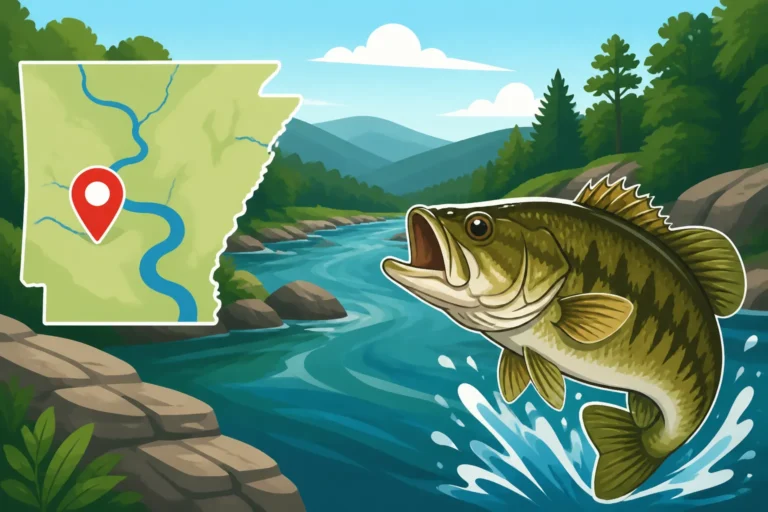
The key to finding these hidden gems isn't just luck; it's about understanding the lake's unique characteristics and using the right tools. DeGray Lake is a U.S. Army Corps of Engineers impoundment, known for its pristine water, rock bluffs, and numerous creek channels, all of which create excellent remote fishing potential.
Understanding Lake Topography
DeGray Lake's shoreline is incredibly diverse. You'll find everything from steep rock bluffs plunging into deep water to long, winding creek arms with gradual sloping banks and plenty of submerged timber. When you're looking for remote spots, think about areas that are naturally harder to access. These often include:
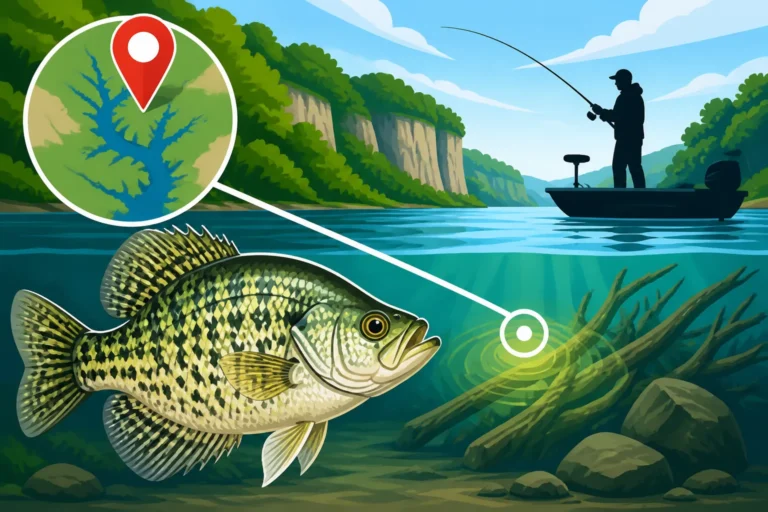
- The very backs of long creek arms: As creeks narrow and shallow out, they become less navigable for larger boats. These areas often have extensive standing timber, brush piles, and muddy bottoms perfect for holding fish seeking cover and warmer water. The shallower water in these arms tends to warm up faster in spring and retain heat longer in fall, making them fantastic ambush points for bass and crappie.
- Secluded coves with limited or no road access: Zoom in on a map and look for coves that don't have a boat ramp, a campsite, or even a hiking trail leading directly to them. These are often surrounded by private land or dense forest, making them difficult to reach by land and discouraging boat traffic.
- Islands and underwater humps far from main channels: While some islands might be popular, many smaller, less prominent islands or submerged humps away from the well-traveled boat lanes can offer excellent structure for bass, crappie, and even striped bass. These spots require good GPS and sonar to locate, but the rewards can be significant.
- Steep, rocky bluffs and ledges: While not always "remote" in the sense of being far from all access, certain stretches of rocky bluff line on DeGray are simply less fished because they don't offer obvious visible structure like timber. However, these bluffs often have deep ledges and subtle current breaks that hold fish, especially during colder months.
For a deeper dive into the lake's structure, you might want to consult a guide like our piece on Best Bass Fishing Coves on DeGray Lake, Arkansas, as many of those principles apply to finding less-trafficked areas.
Using Navigation Tools and Maps
Gone are the days when a paper map and a compass were your only guides (though they're still great backups!). Modern technology has made finding remote spots much easier.
- Lake Maps and Charts: Physical maps from fishing stores or online resources provide detailed contour lines, indicating depths, submerged roadbeds, creek channels, and humps. Look for areas with complex contour changes, especially those far from marked navigation channels.
- Satellite Imagery: Google Maps or other satellite imaging services are your best friends here. Zoom in on DeGray Lake and scan the shorelines. You can often spot hidden coves, extensive timber, or shallow flats that don't appear clearly on standard fishing maps. Look for areas where the tree cover extends right to the water's edge, indicating less human development.
- Fishing Apps: Apps like Navionics, C-MAP, or even the Arkansas Game and Fish Commission's own resources can offer incredible detail, including high-definition bathymetric charts. These apps often allow you to mark waypoints, track your path, and even view real-time weather and water conditions. Sometimes, the best way to uncover these hidden gems is to tap into local expertise, and platforms like FishingBooker can connect you with experienced guides who practically have these remote honey holes mapped out in their sleep. They use these very tools and their deep knowledge to find those out-of-the-way spots.
Top Remote Fishing Areas on DeGray Lake
While I can't give away every local secret (a fisherman has to keep some to himself, right?), I can point you towards general areas that tend to be less crowded and offer excellent remote fishing opportunities. Remember, "remote" here often implies a bit more effort to reach, whether by paddling, using a smaller boat, or simply a longer boat ride from the main ramps.
The Backs of Major Creek Arms
DeGray Lake is fed by several significant creeks, and their upper reaches, especially where they narrow and become choked with timber, are fantastic for seclusion and fish.
- Sulphur Creek Arm: This is one of the lake's larger creek arms, and while parts of it see traffic, if you push far enough back into the meandering channels, especially past the initial wider sections, you'll find much less pressure. The extreme upper end, particularly during spring and fall, can be fantastic for largemouth bass and crappie hiding in the abundant submerged brush and standing timber. The water here can be slightly stained compared to the main lake, offering excellent cover. It's a great place to pitch jigs or soft plastics into heavy cover.
- Brushy Creek Arm: Similar to Sulphur, Brushy Creek winds its way into some truly secluded pockets. Accessing the very back requires navigating through shallower water and submerged timber, which deters many anglers in larger boats. This arm can be incredibly productive for bass, especially pre-spawn and during the spawn, as they move into the warmer, shallower water. Crappie also stack up in the timber here. Consider bringing a kayak or canoe for the final push into the most remote sections.
- Smaller Unnamed Inlets and Draws: Don't just focus on the named creeks. Scout your maps for smaller, unnamed drainages that feed into the lake. Many of these form narrow, often short, coves that are too small for much boat traffic but can hold a surprising number of fish, especially after a good rain when fresh nutrients wash in. These are often overlooked and can be absolute goldmines.
Secluded Coves and Shorelines
Away from the hustle and bustle of popular areas like DeGray Lake's Boat Ramps and Campsites Guide in Arkansas, there are many stretches of shoreline on DeGray Lake that simply don't have easy public access.
- Northwestern Shoreline: The areas along the northwestern side of the lake, particularly those not adjacent to major highways or state park facilities, often feature rugged terrain and dense forests. Look for small indentations or coves nestled against these wilder sections. These can be prime for smallmouth bass around rocky points and ledges, and largemouth in any timber or brush that has fallen into the water.
- Islands and Submerged Humps in the Mid-Lake Region: While getting to some of the mid-lake humps isn't always "remote" in terms of physical distance from a ramp, targeting them often means venturing away from visible shorelines and into deeper water where fewer casual anglers venture. Use your sonar to locate these submerged structures and any brush piles or rock formations on them. These can hold schools of crappie and striped bass, especially during colder months. Sometimes, finding a knowledgeable local guide through a service like FishingBooker can be invaluable for pinpointing these elusive mid-lake structures.
- Backside of Long Points: Many long points extend far out into the lake. While the tip of the point might be popular, the "backside" or more protected coves within the point's arms can be much quieter. These often feature transition areas from rock to mud, or scattered timber, which are attractive to fish.
Here’s a quick overview of some potential remote fishing scenarios on DeGray:
| Remote Location Type | Typical Fish Species | Best Approach | Key Features |
|---|---|---|---|
| Deep Backs of Creek Arms | Largemouth Bass, Crappie, Catfish | Kayak/Canoe, Stealth Trolling Motor | Submerged timber, brush, shallower water, stained |
| Secluded Rocky Coves (NW Shore) | Smallmouth Bass, Spotted Bass | Electric Trolling Motor, Drift Fishing | Rock bluffs, ledges, clear water, deep drops |
| Mid-Lake Submerged Humps | Striped Bass, Crappie, Largemouth Bass | Sonar/GPS essential, vertical jigging, trolling | Deep structure, isolated cover, current breaks |
| Timber-Choked Flats | Crappie, Largemouth Bass | Slow trolling, casting into cover | Standing timber, brush piles, lily pads (seasonal) |
Techniques for Fishing Remote Spots on DeGray Lake
Fishing remote spots isn't just about where you go, but how you approach the water once you're there. The peace and quiet are part of the appeal, and maintaining that stealth can be key to success.
Stealth and Presentation
Remember, the fish in these remote areas are less pressured, but they're still wild creatures. A heavy-handed approach can spook them just as easily as a crowded boat ramp.
- Quiet Approach: If you're using a boat, try to approach the area with your main motor off, using only your electric trolling motor. Kayaks and canoes are naturally stealthy and allow you to get into very shallow, tight spots without much disturbance. Paddle quietly, minimize loud noises, and avoid slamming tackle box lids.
- Longer Casts and Subtle Presentations: Since the water in remote areas might be clearer, or the fish simply less accustomed to seeing lures, longer casts can prevent spooking them. Opt for subtle presentations:
- Weightless Worms: For bass in shallow cover, a weightless Texas-rigged worm or a Senko-style bait fluttering slowly down can be irresistible.
- Light Jigs: Crappie in submerged timber will often respond best to small jigs (1/16 to 1/8 oz) fished vertically or under a bobber with minimal splash.
- Natural Colors: While bright colors have their place, in clear, remote waters, natural baitfish patterns, greens, and browns often produce better results.
- Utilize Natural Cover: Cast your lures into and around any natural cover you find – fallen trees, brush piles, submerged stumps, or even shady spots created by overhanging trees. These are prime ambush points for fish. For specific crappie insights, check out our guide on Where to Catch Crappie on DeGray Lake, as many of these techniques will transfer beautifully to remote areas.
Versatile Lure and Bait Selection
Because you're in a remote spot, you might not have the luxury of running back to the tackle shop if your go-to lure isn't working. A versatile selection is crucial.
- Soft Plastics: Bring a good variety of soft plastics – worms, creature baits, swimbaits, and grubs – in various sizes and colors. They're incredibly versatile for bass and even larger crappie. Texas rigs, Carolina rigs, and shaky heads are excellent rigging options for different types of cover and depths.
- Jigs: For bass, football jigs and flipping jigs are excellent for probing deeper structure and heavy cover. For crappie, a selection of small hair jigs and plastic tube jigs in various colors (chartreuse, white, black/chartreuse) is a must.
- Spinnerbaits and Buzzbaits: In areas with scattered timber or emergent vegetation, a spinnerbait can cover water efficiently and often elicit aggressive strikes. Buzzbaits are fantastic for early morning or late evening topwater action, especially when targeting bass lurking in the shadows of secluded coves.
- Live Bait: Don't underestimate the power of live bait in remote, less-pressured areas. Minnows for crappie or shiners for bass can be incredibly effective when artificials aren't getting the job done. Just make sure you understand the Arkansas Fishing Regulations Guide regarding bait fish.
Essential Gear for Remote DeGray Lake Adventures
Venturing into remote areas means being self-sufficient. You won't have a convenience store around the corner, so preparing thoroughly is paramount.
Navigation and Safety Equipment
Safety first, always! Especially when exploring less-traveled parts of the lake.
- Reliable GPS/Mapping Device: Whether it's a dedicated fish finder with GPS, a smartphone with a reliable fishing app, or a handheld GPS unit, ensure you have a way to navigate. Batteries die, so consider a portable power bank. This can help you find your way back to DeGray Lake State Park's family-friendly fishing spots if you stray too far.
- Life Jackets: Absolutely non-negotiable for everyone on board, even if you're a strong swimmer.
- First-Aid Kit: Small cuts, scrapes, hook punctures – they happen. A basic first-aid kit with bandages, antiseptic wipes, pain relievers, and tweezers is crucial.
- Communication Device: A fully charged cell phone (in a waterproof case) is essential. Consider a satellite messenger for truly off-grid areas where cell service might be spotty. Let someone know your float plan and expected return time.
- Anchor: Even if you're in a small craft, an anchor or a stake-out pole can be vital for holding your position in wind or current, allowing you to thoroughly fish a spot.
- Sun Protection and Hydration: Sunscreen, a wide-brimmed hat, sunglasses, and plenty of water are essential, especially during those long summer days when What's the Best Time of Day to Fish DeGray Lake? might lead you out during peak sun hours.
Portable and Efficient Fishing Gear
When you're exploring remote areas, you want gear that's effective yet easy to transport and manage.
- Kayaks, Canoes, or Smaller Jon Boats: These are often the best vessels for accessing very shallow or timber-choked areas. They're quiet, maneuverable, and can be paddled or powered by a small electric motor.
- Rod and Reel Combos: Bring a couple of versatile medium-action spinning or baitcasting combos. This allows you to switch between different techniques quickly without re-tying, and ensures you have a backup in case of a mishap. Don't forget your Arkansas Fishing License Rules and Costs before you head out!
- Tackle Box Essentials: Instead of a massive tackle box, pack a smaller one with a curated selection of proven lures and baits for the target species, along with extra hooks, weights, and leader material. Think light and efficient.
- Net or Lip Grippers: Especially if you're targeting those less pressured, potentially larger fish. A net makes landing fish easier and safer for both you and the fish.
- Cooler: For keeping your drinks cold, and if you plan on keeping a few fish for dinner, it's essential to have a way to keep them fresh. DeGray Lake is known for being one of the Best Lakes in Arkansas for Bass, Crappie, and Catfish, so you'll want to be prepared to bring home a good meal!
By taking the time to scout these secluded spots and equip yourself properly, you'll unlock a whole new level of fishing adventure on DeGray Lake, enjoying the peace and quiet while reeling in some truly memorable catches. Remember, sometimes the best fishing isn't where everyone else is, but where no one else goes.
Disclaimer
Please note that fishing regulations, license requirements, and local conditions can change. Always consult the latest Arkansas Game and Fish Commission (AGFC) regulations before heading out. Fishing involves inherent risks, and safety precautions should always be observed.