Shore Fishing Access on Greers Ferry Lake, Arkansas
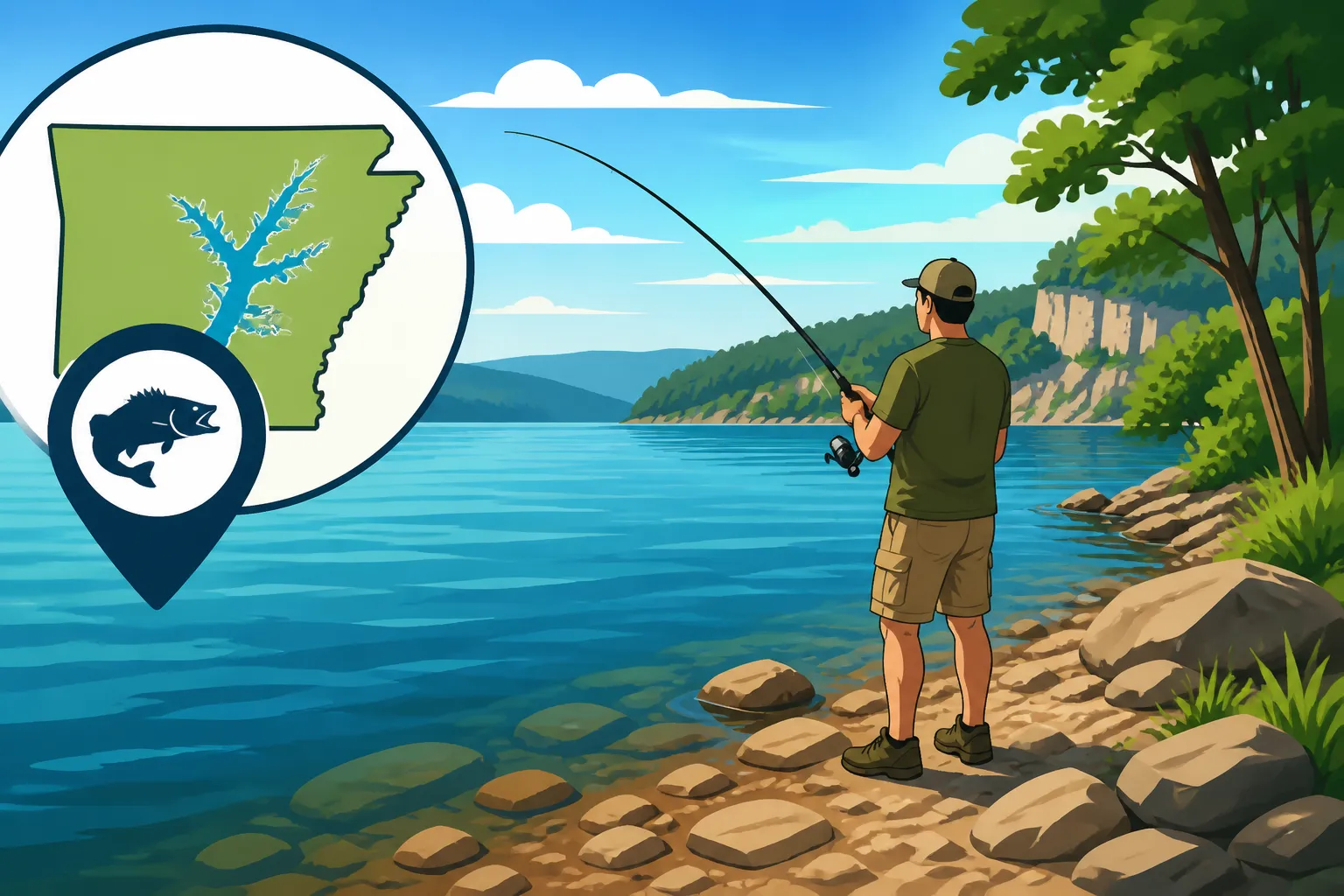
Oh, the age-old dilemma of wanting to hit the water on a gorgeous day at Greers Ferry Lake but finding yourself sans boat! It's a real bummer when all you see are vast expanses of beautiful water and rocky bluffs, making you wonder if there's any easy way to cast a line without owning a vessel or paying for a charter. But fear not, my fellow angler! This guide is designed to cut through that frustration, leading you directly to fantastic shore fishing access points on Greers Ferry Lake, so you can enjoy its legendary fishing without ever needing to launch a boat.
Understanding Greers Ferry Lake for Shore Anglers
Greers Ferry Lake is truly a gem in Arkansas, known for its pristine, clear waters and abundant fish populations. However, for those of us who prefer to keep our feet on solid ground, finding accessible spots to fish from the bank can sometimes feel like a treasure hunt. The lake's irregular shoreline, punctuated by steep bluffs and private property, means you can't just pull over anywhere and expect to cast away. But with a little local knowledge, you'll discover that Greers Ferry offers some surprisingly rewarding shore fishing opportunities.
The Landscape and Challenges of Bank Access
Greers Ferry Lake, formed by a dam on the Little Red River, boasts over 30,000 acres of water and a whopping 340 miles of shoreline. Much of this shoreline, especially in the deeper, central sections, consists of rocky bluffs and private residences, which naturally limit public bank access. This is particularly true around popular resort towns like Fairfield Bay and parts of Heber Springs, where the land quickly drops off into deep water. You might find yourself walking quite a distance to find a clear, safe spot to cast, or realizing that the "public access" points are primarily boat ramps with little space for shore anglers.
However, the U.S. Army Corps of Engineers (COE) manages a significant portion of the lake's perimeter, and these public lands are where the savvy shore angler will focus their efforts. These COE parks often feature campgrounds, picnic areas, and designated day-use areas that can provide excellent, well-maintained access points. The trick is knowing which ones offer more than just a boat ramp. Look for areas with gentler slopes, larger grassy sections, or even accessible fishing piers. These spots not only offer easier entry but often concentrate baitfish and, consequently, the game fish you're targeting.
What You Can Expect to Catch from Shore
While you might envision catching massive trophy fish from the middle of the lake, shore fishing on Greers Ferry is incredibly productive for a variety of popular species. You won't be limited to just tiny panfish, though they are certainly abundant and fun to catch.
Bass: Largemouth, spotted (Kentucky), and smallmouth bass all call Greers Ferry home. From the bank, you're most likely to encounter largemouth and spotted bass, especially in coves, around submerged timber, and near rocky points. These bass often cruise the shallower waters, particularly during the spring spawn or in the early mornings and late evenings. A well-placed jig, a Texas-rigged worm, or even a small crankbait can entice a good bite. You might also find yourself battling a smallmouth, especially if you're fishing rocky areas with access to deeper water near points. For more detailed insights into specific techniques, check out our guide on Bass Fishing Techniques for Beginners.
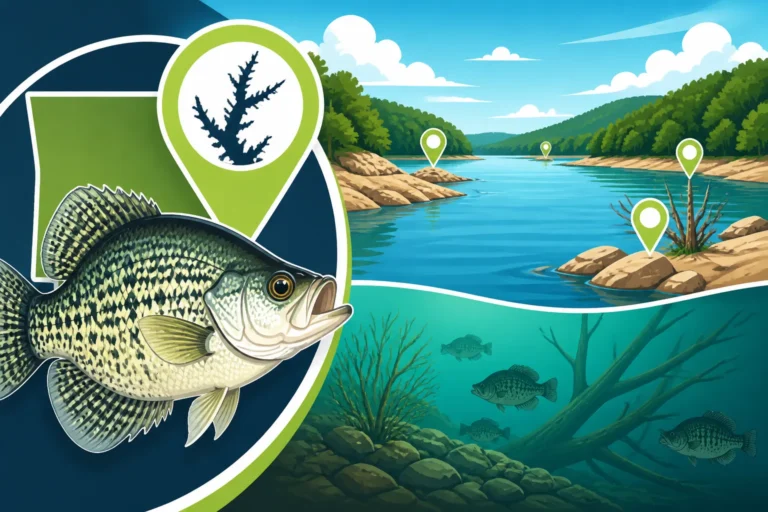
Crappie: Both black and white crappie are plentiful in Greers Ferry. These panfish are fantastic targets from shore, particularly around fallen trees, brush piles, and marina docks. They love structure and will often hold tight to it. During the spring, when they move shallow to spawn, coves with woody debris become prime spots. Small jigs, minnows under a bobber, or even tiny spinnerbaits are incredibly effective. Our article on Crappie Fishing in Arkansas: Black and White Crappie Basics dives deeper into identifying and targeting these popular fish.
Catfish: Channel catfish are abundant and offer a great opportunity for shore anglers, especially if you enjoy night fishing. They're often found in the muddier, shallower sections of the lake, particularly in creek channels or near points where current brings food. Blue catfish are also present, often growing to impressive sizes, though they might require a bit more specialized tackle and patience from the bank. Flathead catfish are trickier from shore but not impossible, especially if you're fishing near heavy cover or downed timber. Chicken livers, cut bait, or stink baits fished on the bottom are typically your best bet.
Panfish (Bream/Bluegill): If you're looking for consistent action, especially with kids or beginners, bluegill, redear sunfish, and other bream species are fantastic targets. They are typically found in shallow, calmer waters, especially near lily pads, grass beds, or any type of cover. Worms, crickets, or tiny artificial lures under a bobber will almost guarantee a bite. For a family-friendly outing, these fish are hard to beat. You can learn more about these feisty fighters in our Bluegill and Panfish Guide for Arkansas Anglers.
Greers Ferry also hosts striped bass, though catching them from the bank is significantly more challenging than from a boat. However, it's not entirely unheard of, especially in the dam tailwater or if they push schools of baitfish close to shore in certain coves during active feeding frenzies.
Prime Public Shore Fishing Locations on Greers Ferry Lake
Now for the good stuff – where can you actually set up shop and start fishing? The key to successful shore fishing on Greers Ferry lies in identifying the public access points, particularly those managed by the U.S. Army Corps of Engineers, which are designed for public enjoyment and typically have better infrastructure.
Corps of Engineers Parks and Recreation Areas
The COE manages numerous parks around Greers Ferry, many of which offer excellent amenities like picnic areas, restrooms, and, most importantly, accessible shoreline.
-
Dam Site Recreation Area (Heber Springs): Located right at the base of the Greers Ferry Dam, this area offers diverse fishing. While the immediate tailwater below the dam is renowned for trout fishing (and requires a trout permit in addition to your regular license), the lake-side sections of the park provide ample shore access. You can find spots near the marina or various picnic areas where you can cast into the main lake. This area is particularly good for bass and crappie near submerged structures, and catfish in the deeper holes accessible from the bank. It's a busy spot, so plan accordingly, especially on weekends.
-
John F. Kennedy Park: Just a stone's throw from the dam, this park also offers significant public access. Its gentle slopes and grassy areas make it easy to walk down to the water's edge. You'll find plenty of room to spread out and cast for various panfish, catfish, and even some bass. It's a great spot for a relaxed family outing, with picnic tables and restrooms readily available. This is a consistent producer for a casual day of fishing.
-
Devil's Fork Recreation Area: Situated on the eastern arm of the lake, Devil's Fork is popular for camping but also provides fantastic shore fishing opportunities. The coves within and around the campground offer sheltered waters, often with plenty of submerged timber and natural cover that crappie and bass absolutely love. It's generally less crowded than the areas right by the dam, offering a more peaceful experience. Explore the various nooks and crannies, especially where creeks flow into the lake, as these can be hotspots after rain.
-
Narrows Recreation Area: Located on the main body of the lake, the Narrows offers beautiful scenery and decent bank access, particularly near its day-use areas and picnic sites. The shoreline here can be a mix of gentle slopes and rocky sections, providing diverse habitat for fish. It's a good general fishing spot for bass, crappie, and panfish. Early mornings here can be quite productive as fish move into shallower water to feed.
-
Fairfield Bay Parks: While Fairfield Bay is largely residential, several smaller public parks and accesses dot its shoreline. Look for spots like the Fairfield Bay Marina area (check for specific fishing access rules), or any city-managed parks that border the lake. These smaller spots might require a bit more exploring but can yield excellent results, particularly for crappie and bass around boat docks and submerged brush.
Smaller, Often Overlooked Access Points
Beyond the major COE parks, there are several less obvious places where you can gain shore access. These often require a keen eye and a willingness to explore.
-
Boat Ramps with Adjacent Shoreline: Many public boat ramps, while primarily for launching boats, often have some accessible shoreline nearby where you can cast a line. For instance, the Choctaw Recreation Area boat ramp might have a bit of bank to fish from. Just be mindful of boat traffic and give boaters plenty of space. These areas often have rip-rap (rocky embankments) which can hold baitfish and smaller game fish.
-
Bridge Crossings: Anywhere a road crosses an arm or large cove of the lake, there's potential for shore access. Check bridges over major creek arms like Cow Shoals or Peter's Creek. Be extremely cautious of traffic and always prioritize safety, but these spots often provide access to deeper water and current, which can attract various species, including catfish and even migratory bass. Ensure there are safe pull-off areas and no "no trespassing" signs.
-
Roadside Pull-offs: As you drive around Greers Ferry, especially on less traveled roads, keep an eye out for small pull-offs that offer a clear path to the water. Some local anglers discover these hidden gems through trial and error. Always be respectful of private property and land designations. These spots are often best for a quick stop and a few casts, rather than an all-day setup. If you're looking for specific spots or maybe even a guide to show you the ropes on harder-to-reach shores, resources like FishingBooker can sometimes help connect you with local experts who know these nuanced spots.
Utilizing Marinas and Public Docks
Marinas aren't just for boats; they can be goldmines for shore anglers, especially during certain times of the year. The permanent structures of docks, boat slips, and submerged brush that collects around them provide excellent cover for baitfish, which in turn attract crappie, bass, and panfish.
- Dock Fishing: Many marinas, like the one at Dam Site or Fairfield Bay, have public docks or designated fishing piers. These are fantastic for crappie, especially in cooler months when they move deeper but still cling to structure. Early spring and late fall can be incredibly productive. Small jigs, minnows, or even Gulp! minnows are great choices here. Always check with the marina office for specific rules regarding public fishing on or near their docks. They often have designated areas to prevent conflicts with boaters.
- Lights at Night: One of the best-kept secrets for dock fishing is the effect of lights at night. Many docks have underwater lights that attract plankton, which then attract baitfish, creating a whole ecosystem. Fishing around these lighted areas after dark can be phenomenal for crappie, white bass, and even some predatory largemouth bass that lurk in the shadows. Just be courteous and quiet, as people may be sleeping on their boats or in nearby cabins.
Gear, Techniques, and Tips for Successful Shore Fishing
Now that you know where to go, let's talk about how to make your trip as successful as possible. Shore fishing, while more accessible, has its own set of considerations for gear and technique.
Essential Gear for Bank Anglers
You don't need a boatload of expensive equipment to have a blast from the bank, but a few smart choices can significantly improve your experience.
- Rod and Reel: A medium-light to medium power spinning rod, typically 6 to 7 feet long, paired with a matching spinning reel spooled with 6-10 lb monofilament or braided line, is incredibly versatile. This setup allows you to cast a variety of baits and lures effectively and handle most fish you'll encounter. For specific advice, our guide on Arkansas Fishing Seasons Guide can help you align your gear choices with the time of year.
- Tackle Bag/Backpack: Instead of a bulky tackle box, opt for a small backpack or shoulder bag to carry essential lures, baits, hooks, weights, and tools. This keeps your hands free for walking and casting.
- Comfortable Footwear: You'll likely be doing some walking, potentially over uneven or rocky terrain. Good hiking shoes or water-resistant boots are a must.
- Cooler/Stringer: If you plan to keep your catch, a small, insulated cooler with ice or a fish stringer is essential.
- Tools: Pliers for hook removal, line cutters, and a small multi-tool are indispensable.
- Sun Protection: Sunscreen, a wide-brimmed hat, and polarized sunglasses are crucial for eye protection and spotting fish in Greers Ferry's clear water.
- Insect Repellent: Especially during warmer months, mosquitos and other biting insects can be a nuisance.
- Folding Chair: For longer waits, particularly when catfishing, a lightweight folding chair can be a game-changer.
- First-Aid Kit: Always wise to have a small kit for minor cuts or scrapes.
Productive Baits and Lures from the Bank
The right bait can make all the difference, and some options are particularly well-suited for shore fishing.
-
Live Bait:
- Worms (Nightcrawlers, Red Wigglers): The ultimate all-around bait. Fantastic for bluegill, crappie, catfish, and even smaller bass. Rig them on a small hook under a bobber or on a bottom rig.
- Minnows: Excellent for crappie and bass. Use them on a small jig head or under a slip bobber for varied depths.
- Crickets: A top choice for bream and bluegill, especially in shallow, grassy areas.
- Chicken Livers: A go-to for catfish, fished on the bottom with a weight.
-
Artificial Lures:
- Jigs: Small marabou or soft plastic jigs (1/16 to 1/8 oz) are deadly for crappie and can catch bass and panfish. Try various colors like chartreuse, white, or black.
- Spinnerbaits/Inline Spinners: Small spinnerbaits or inline spinners (like Rooster Tails or Mepps) are great for bass and active panfish, especially when casting and retrieving along shorelines or points.
- Crankbaits: Small, shallow-diving crankbaits can be very effective for bass, especially those mimicking shad or crawfish. Cast parallel to the bank to cover more water.
- Soft Plastics: Senkos, plastic worms (Texas-rigged or wacky-rigged), and creature baits are fantastic for bass. Finesse worms can also tempt reluctant bass.
- Topwater Lures: In low-light conditions (dawn, dusk) or on overcast days, small topwater poppers or walk-the-dog baits can provoke exciting strikes from bass and even aggressive crappie.
Seasonal Strategies and Timing
Fish behavior changes dramatically with the seasons and even the time of day. Knowing these patterns will help you choose the best time and place to fish from shore. Our comprehensive Best Time of Year to Fish in Arkansas guide offers a broader look, but here's how it applies to Greers Ferry shore fishing:
- Spring (March-May): This is prime time! Fish, especially crappie and bass, move into shallow coves and protected areas to spawn. Look for areas with submerged timber, brush, or rocks. Early mornings and late afternoons are usually best. Fishing shallow-running crankbaits, jigs, or soft plastics close to the bank can be incredibly productive.
- Summer (June-August): The heat pushes fish deeper during the day. Focus on early mornings, late evenings, and night fishing. Look for access points near deep drop-offs or shaded areas. Catfishing is excellent at night, and bass can be caught on topwater lures at dawn. Fishing under lighted docks after dark is a proven tactic for crappie and white bass.
- Fall (September-November): Fish become more active as water temperatures cool, chasing baitfish to fatten up for winter. This is another fantastic time for shore fishing. Focus on points, creek channels, and areas where baitfish are congregating. Spinnerbaits, crankbaits, and swimbaits can be very effective for bass and crappie.
- Winter (December-February): Fishing slows down, but it's still possible. Fish will congregate in deeper holes, often near the main lake channel or deeper parts of coves. Slow, subtle presentations with jigs or vertical jigging with minnows can catch crappie and bass. The Dam Site area can be productive for trout below the dam.
Navigating Regulations and Etiquette
Before you head out, make sure you're properly licensed and aware of the rules. Getting caught without the proper paperwork is a quick way to ruin a great day on the water.
- Arkansas Fishing License: Everyone 16 years or older needs an Arkansas Fishing License Rules and Costs to fish in Arkansas. You can easily purchase one online, at sporting goods stores like Walmart or Academy Sports, or through the Arkansas Game and Fish Commission (AGFC) app. If you plan to fish below Greers Ferry Dam for trout, you'll also need a separate trout permit.
- Fish Size and Daily Limits: Always be aware of the Arkansas Fish Size and Daily Limits for the species you're targeting. These limits are in place to ensure healthy fish populations for everyone. Specific regulations can vary by lake, so it's always a good idea to check the current AGFC fishing guide.
- Leave No Trace: Practice good outdoor etiquette. Pack out everything you pack in, including fishing line, bait containers, and food wrappers. Respect private property signs and avoid trampling vegetation. Being a good steward of the environment helps ensure these fantastic fishing spots remain open and enjoyable for future generations.
- Respect Other Anglers: Give fellow anglers plenty of space. Don't cast over their lines or crowd their fishing spots. A friendly nod or a brief chat can go a long way in fostering a positive fishing community.
Here's a quick overview of some prime shore access points on Greers Ferry Lake and what you might catch there:
| Access Point | General Location (Near Town) | Primary Fish Species (Shore) | Best Fishing Methods (Shore) | Key Features for Anglers |
|---|---|---|---|---|
| Dam Site Recreation Area | Heber Springs | Bass, Crappie, Catfish, Trout (below dam) | Jigs, Minnows, Worms, Spinnerbaits, Cut Bait | Picnic areas, restrooms, easy lake & tailwater access |
| John F. Kennedy Park | Heber Springs | Panfish, Bass, Catfish | Worms, Crickets, Small Jigs, Cut Bait | Grassy slopes, picnic areas, family-friendly |
| Devil's Fork Recreation Area | Greers Ferry (East Side) | Crappie, Bass, Catfish | Jigs, Minnows, Soft Plastics, Spinnerbaits, Cut Bait | Sheltered coves, submerged timber, campgrounds |
| Narrows Recreation Area | Greers Ferry (Central) | Bass, Crappie, Panfish | Jigs, Crankbaits, Soft Plastics, Worms | Scenic views, diverse rocky/sloped shoreline |
| Fairfield Bay Public Access | Fairfield Bay | Bass, Crappie, Panfish | Jigs, Minnows, Worms, Small Crankbaits | Docks (check rules), coves, residential areas |
| Choctaw Recreation Area (Ramp) | Choctaw | Bass, Catfish, Panfish | Soft Plastics, Spinnerbaits, Cut Bait, Worms | Rip-rap near ramp, some adjacent shoreline, less crowded |
For those looking to gain an edge or explore areas that might be harder to access from the bank, considering a guided trip can be a fantastic option. Services like FishingBooker can help you find local guides who are experts on Greers Ferry Lake, even if your primary goal is to learn the shorelines better for future solo trips. They can also provide a unique perspective on the Best Fishing Spots in Arkansas as a whole.
The beauty of shore fishing on Greers Ferry Lake is its simplicity and accessibility. You don't need a fancy boat or expensive electronics. Just a rod, reel, a few basic baits, and the willingness to explore can lead to some truly memorable catches and peaceful moments on the water. So grab your gear, find your spot, and enjoy the incredible fishing that Greers Ferry has to offer, all from the comfort of the bank!
Disclaimer
The information provided in this guide is for general informational purposes only and is subject to change. Fishing regulations, license requirements, and access policies can vary and are updated periodically by the Arkansas Game and Fish Commission (AGFC) and the U.S. Army Corps of Engineers (COE). Always consult the most current official AGFC fishing guide and local signage before fishing to ensure compliance with all applicable rules and regulations. Fishing involves inherent risks; please exercise caution and prioritize safety on and around the water.