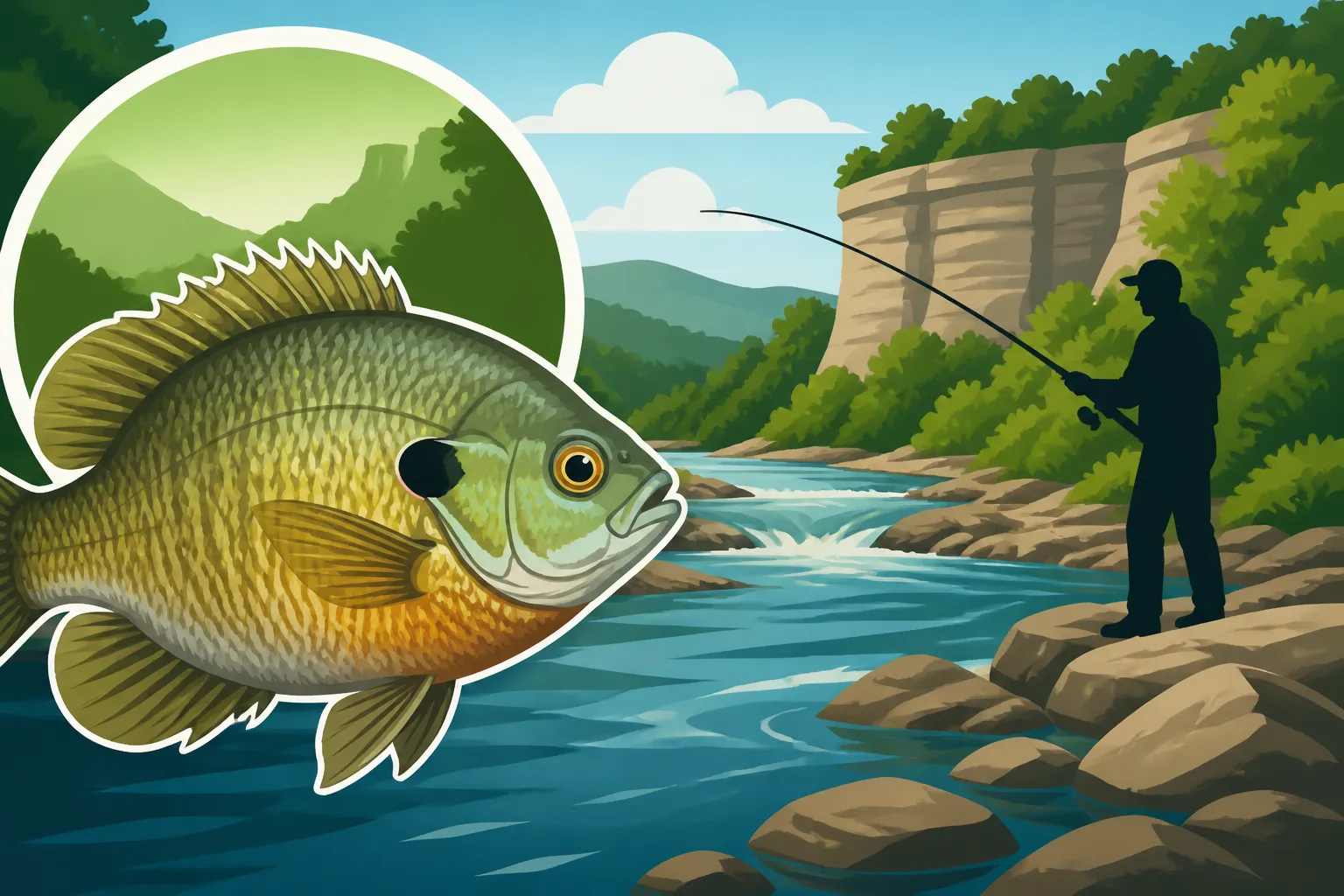
Bream Fishing Spots on the White River
Trying to find those perfect bream fishing spots on the vast, often trout-centric White River can feel like looking for a needle in a haystack, especially if you're used to smaller, calmer waters. Many anglers come to the White River expecting primarily trout or big bass, but this incredible waterway actually holds a treasure trove of panfish, including some feisty bream. This guide will help you navigate the unique challenges of bream fishing on the White River, pinpointing prime habitats and offering practical tips to fill your cooler with these delicious fighters.
Decoding the White River for Bream Success
The White River is a long, diverse waterway that changes dramatically from its clear, cold upper reaches in the Ozarks to its wider, slower flow in the Delta region. While the upper sections are world-renowned for trout, the lower and middle sections offer exceptional opportunities for various warm water species, including bream. Understanding these different characteristics is crucial for successfully targeting bream.
Many anglers assume the whole river is cold and fast, but that's simply not true. As you move downstream from the big dams like Bull Shoals and Norfork, the water gradually warms, and the current mellows out. This transition creates ideal conditions for bream, which prefer warmer, calmer water with plenty of cover. Think of it like this: the further away you get from the cold, turbulent tailwaters, the more you're entering bream country. Identifying these transition zones and slower sections is your first step. It's not about avoiding the whole river, but knowing which parts of the river to focus your efforts on for bream.
One of the biggest frustrations for bream anglers on big rivers is the sheer scale. Where do you even start? The White River's expansive nature means you can't just cast anywhere and expect results. You need to read the water, looking for breaks in the current, areas of slack water, and places where food sources accumulate. These subtle clues, often overlooked by those solely focused on larger game fish, are goldmines for bream.
Prime Bream Habitat on the White River
Bream are ambush predators and cover-lovers. On a river as dynamic as the White River, identifying these specific types of cover and structure is paramount. They seek refuge from strong currents, places to hide from predators, and areas where insects and small crustaceans – their primary food sources – are abundant.
Sloughs and Backwaters
These are arguably the most productive spots for bream on the White River, especially in its middle and lower sections. Sloughs and backwaters are areas where the river's main channel has cut off or created a slower-moving arm or pond-like environment. The current is minimal, allowing vegetation to grow and water temperatures to stabilize. This makes them perfect nurseries and feeding grounds for bream.
Picture a lazy, meandering section of the river where you see an inlet or a bayou-like cut leading away from the main flow. That's often a slough. These areas are typically shallower, with muddy or silty bottoms, and abundant with aquatic plants like lily pads, duckweed, and various grasses. Bream will congregate around the edges of these vegetation mats, under overhanging trees, and around any fallen timber. Using a small boat, kayak, or even wading into accessible spots can give you an edge here. You'll want to present your bait right along the edges of the cover, letting it slowly sink. You might even want to consult a local guide through platforms like FishingBooker, as many professional guides who operate on the White River are intimately familiar with these hidden backwater gems, even if they primarily cater to trout anglers, they often know where the panfish thrive.
Woody Debris and Logjams
Trees that have fallen into the water, old stumps, and accumulated brush piles create fantastic habitat for bream. These structures offer protection from predators and current, as well as a rich ecosystem for insects and larvae that bream feed on. On the White River, especially after high water events, you'll often find significant logjams along slower bends or tucked into cuts.
Approaching these spots requires a bit of stealth and precision. You want to cast your bait as close to the wood as possible without getting snagged. A long cane pole or a light spinning rod with a sensitive tip works wonders for dropping baits into tight pockets within the timber. Look for areas where the water eddies around the structure, creating slack pockets. These are prime feeding zones. Don't be afraid to experiment with different depths around the wood – sometimes they're right on the surface, other times they're deeper down. Remember that Arkansas Fishing Regulations Guide includes rules about snagging and respectful angling around such structures, so always be mindful.
Aquatic Vegetation and Lily Pads
Wherever you find expansive beds of aquatic vegetation on the White River, you're likely to find bream. These green havens provide shelter, shade, and a constant buffet of insects. Lily pads, hydrilla, and cattail reeds are all excellent indicators of bream presence. These are particularly prevalent in the wider, shallower stretches of the river and in its numerous backwater ponds and sloughs.
Fishing these areas often involves punching through the vegetation or casting into open pockets within the beds. A lightweight jig, a small hook with a cricket, or a simple worm can be very effective. Consider using a bobber to keep your bait suspended just above the submerged weeds or to pinpoint those open pockets. For instance, the White River National Wildlife Refuge, a bit further downstream, is famous for its timber-filled lakes and backwaters, which are absolutely teeming with Fish Species Found in Timber-Filled Refuge Lakes, including plenty of bream that relate heavily to this type of cover. The key is patience and a subtle approach, letting your bait sit in promising spots for a while before moving on.
Top-Producing Bream Hotspots and Access Points
While the White River is known for its trout, there are specific areas where bream fishing really shines. These spots are typically found in the middle to lower stretches of the river, where the water is warmer and the river takes on more of a lowland character.
The Lower White River and its Tributaries
As the White River flows south and east, particularly past cities like Augusta, Clarendon, and St. Charles, it transforms into a wider, slower-moving river more characteristic of the Delta region. This stretch is far less known for trout and much more for its warm-water species, including an abundance of bream, crappie, and catfish. Here, the river is often bordered by dense cypress and tupelo swamps, creating countless sloughs, oxbow lakes, and backwater channels.
These areas, especially within and around the White River National Wildlife Refuge, are phenomenal for bream. Access points might be fewer and further between, often requiring a boat or kayak launch. Public boat ramps near towns like St. Charles or De Witt can get you into the main river, from which you can explore the network of interconnected waters. Local knowledge is invaluable here; a quick chat with bait shop owners or even hiring a local guide through a service like FishingBooker could dramatically increase your success, as they often know the specific cuts and ponds that hold the biggest bream. The Best Crappie Fishing Spots in the White River National Wildlife Refuge also frequently overlap with prime bream habitat, as both species thrive in similar environments.
Accessible Bank Fishing Areas
While many prime bream spots require a boat, there are still excellent opportunities for bank anglers, especially for those looking to introduce kids to the joy of fishing. Look for public parks, state parks, or designated fishing access areas along the middle White River. Many of these spots will have calmer currents, often near older river bends or dredge holes, which offer small pockets of slack water where bream can gather.
For example, areas around Batesville or near the small towns along the river often have small public access points or bridges where you can fish the banks. These might not yield trophy bream every time, but they are fantastic for consistent action and creating lasting memories. Always check local regulations and property lines before setting up your spot. Finding good Bream and Bluegill Fishing for Beginners spots from the bank is often about patience and exploring those less obvious areas away from the main current.
White River Reservoirs and Their Tailwaters
While the immediate tailwaters of the large dams like Bull Shoals or Norfork are primarily cold trout fisheries, the reservoirs themselves, further upriver, also hold good populations of bream. Lake Norfork, for instance, has areas that warm up in the shallower coves and feeder creeks, providing excellent bream fishing opportunities. Once you move away from the deep, cold main lake channels, into the shallower arms, bream thrive.
These areas offer a different kind of bream fishing experience, often requiring a boat to reach the most productive coves and brush piles. However, many state parks on these lakes offer accessible fishing piers or bank access to shallower waters that can be quite productive for panfish. Remember that you’ll need to ensure you have the appropriate Arkansas Fishing License Rules and Costs and adhere to all Arkansas Fishing Regulations Guide no matter where you choose to cast your line.
Here's a quick look at common bream species and what they prefer:
| Bream Species | Preferred Habitat | Common Baits | Key Identifiers |
|---|---|---|---|
| Bluegill | Clear, warm water; heavy vegetation; brush piles, docks | Crickets, worms, small jigs, fly poppers | Dark spot on gill flap, dark vertical bars |
| Redear Sunfish | Clear, still water; hard bottom; clam/snail eaters | Worms, small jigs (especially near bottom) | Red or orange margin on gill flap, no bars |
| Green Sunfish | Murky, slow water; rocky areas; small streams | Worms, small jigs, crickets | Large mouth, wavy blue lines on face, green tint |
| Warmouth | Heavily vegetated, muddy bottoms; slow-moving streams | Worms, minnows, small crankbaits | Red eye, dark lines from eye, large mouth |
Gear, Techniques, and Seasons for White River Bream
Successfully catching bream on the White River doesn't require a complicated setup, which is great news for beginners and seasoned anglers alike. It's often more about finesse and understanding their behavior than expensive gear.
Essential Gear for Bream Fishing
You don't need heavy-duty tackle to catch bream. In fact, lighter gear makes the fight more enjoyable.
- Rods and Reels: A lightweight spinning rod (5-6 feet) with an ultralight reel spooled with 4-6 pound test monofilament or fluorocarbon line is perfect. A simple cane pole can also be incredibly effective for dropping baits into tight cover, especially for Kid-Friendly Fishing Techniques or when you're introducing children to fishing. For those interested in Fly Fishing Techniques for Beginners, a 3 or 4-weight fly rod with small poppers or nymphs can also be incredibly fun and effective, especially for larger bream.
- Hooks: Small hooks are key. Sizes 8 to 12 are generally ideal. You want something small enough for a bream's mouth but strong enough to hold it.
- Sinkers and Bobbers: A few split-shot sinkers will help get your bait down. Small bobbers or slip-bobbers are invaluable for presenting your bait at a consistent depth, especially around vegetation or brush.
- Bait: Live bait is king for bream. Crickets are perhaps the most universally effective. Worms (redworms, nightcrawlers) are another fantastic option. Small pieces of corn or even bread can also work in a pinch. For lures, tiny jigs (1/32 to 1/16 oz) in colors like chartreuse, white, or black, or micro-spoons are excellent choices. Learn more about Best Bait for Bluegill Fishing for detailed recommendations.
Effective Techniques for White River Bream
- Bottom Fishing: In calmer, deeper pockets of sloughs or backwaters, letting a worm or cricket rest on the bottom, or just slightly above it with a small split-shot, can be very effective. This technique is especially good for Redear Sunfish.
- Float Fishing: Using a bobber is perhaps the most popular and easiest method. Set your bobber so your bait is suspended just above any submerged cover or at a depth where you're seeing activity. This is perfect for fishing along weed lines or near fallen timber. It's also ideal for How to Teach a Kid to Fish for Bluegill.
- Jigging: Small jigs, tipped with a cricket or a small piece of worm, can be vertically jigged around structure or slowly retrieved through open pockets in vegetation. This allows you to cover water more actively.
- Fly Fishing: For the more adventurous, fly fishing with small poppers, sponge spiders, or wet flies can be incredibly rewarding. Focus on calm mornings or evenings when bream are actively feeding on the surface. While the White River Fly Fishing Season Guide for Arkansas Anglers primarily covers trout, the same principles of reading the water and presenting small flies apply to bream in calmer sections.
Seasonal Considerations for Bream
Bream can be caught year-round on the White River, but some seasons are definitely better than others.
- Spring (Pre-Spawn & Spawn): This is arguably the best time to target bream. As water temperatures rise into the 60s Fahrenheit, bream move into shallow, protected areas to spawn. They'll be aggressive and very concentrated, making them easier to find and catch. Look for distinct beds – circular depressions on the bottom – in sandy or gravelly areas of sloughs and quiet coves.
- Summer: Bream are still active in summer, but they'll often move slightly deeper during the heat of the day, seeking cooler water and shade under thick vegetation or brush piles. Early mornings and late evenings are prime times, or focus on fishing shady spots.
- Fall: As water temperatures begin to drop, bream will feed heavily to prepare for winter. They might spread out a bit more but can still be found around cover. This is a great time to explore new areas as boating traffic typically decreases.
- Winter: Bream become less active in winter and move to deeper water, often suspending near channel breaks or deep brush piles. While tougher to catch, they can still be caught by slowing down your presentation and focusing on these deeper holding areas.
The White River is a true gem, offering incredible fishing experiences beyond just its famous trout. With a little knowledge and the right approach, you can unlock its potential for fantastic bream fishing, creating memories and delicious meals. If you're planning a trip and want to maximize your chances, consider connecting with a local expert. While many White River Fishing Guides: Arkansas's Trout Fishing Capital focus on trout, some might also offer panfish trips or at least be able to point you toward lesser-known bream havens. Always remember to check the current weather and water conditions, as they can significantly impact fish behavior, and you'll be well on your way to a successful bream outing.
Disclaimer
Fishing conditions and regulations in Arkansas can change. Always consult the latest official Arkansas Game and Fish Commission (AGFC) regulations before heading out on the water. This guide is intended for informational purposes only and does not replace official rules and guidelines.