Handicap-Accessible Fishing Piers in Arkansas
Finding truly accessible fishing spots can be a real headache, often leading to frustration and disappointment when a promised "accessible" pier turns out to have steep ramps or rough terrain. It's tough when you're ready to enjoy the peace and thrill of fishing, only to be met with barriers. This guide is here to cut through that confusion, highlighting the best handicap-accessible fishing piers across Arkansas so everyone can enjoy the natural beauty and fantastic angling opportunities the state offers.
The Importance of Accessible Fishing Opportunities
Fishing is more than just a hobby; it's a way to connect with nature, find tranquility, and create lasting memories with family and friends. For many, it's a therapeutic escape, a chance to de-stress and enjoy the outdoors. But for individuals with mobility challenges, accessing these experiences can be incredibly difficult. The lack of proper infrastructure often means that fantastic fishing spots are simply out of reach, which is a real shame because everyone deserves the chance to cast a line.
Why Accessibility Matters for Anglers
Think about the simple joy of feeling a tug on your line, the anticipation, the fight, and the satisfaction of reeling in a catch. These moments are universal, and they shouldn't be limited by physical barriers. Accessible fishing piers aren't just about compliance; they're about inclusion, about ensuring that parents in wheelchairs can fish alongside their children, that veterans with mobility impairments can find peace by the water, and that seniors can continue to enjoy a beloved pastime. When we talk about Best Fishing Spots in Arkansas, we should be talking about spots that everyone can enjoy. It truly transforms an outing from a potential struggle into a genuinely relaxing and rewarding experience. It fosters a sense of community and ensures that fishing remains a sport for all ages and abilities, not just a select few.
Common Challenges Faced by Anglers with Mobility Issues
Anglers with mobility issues often face a litany of challenges that can make a simple fishing trip feel like an expedition. First and foremost are physical barriers: unpaved paths, steep slopes, narrow gangways, and uneven surfaces leading to the water. Imagine trying to navigate a gravel path in a wheelchair or with a walker – it's not just difficult, it's often impossible. Then there are the piers themselves. Many older piers weren't designed with accessibility in mind, meaning high railings that block views, lack of sufficient turning space, or benches that are impossible to transfer to. Parking can also be a nightmare, with accessible spots often too far from the pier or poorly maintained. And let's not forget the restrooms – or lack thereof – which can be a significant concern for anyone needing accessible facilities. These aren't minor inconveniences; they are fundamental roadblocks that can prevent someone from even attempting to fish. Having a clear understanding of Arkansas Fishing Regulations Guide is one thing, but getting to the water to even fish is another challenge entirely.
Top Handicap-Accessible Fishing Piers in Arkansas
Arkansas has made strides in providing accessible fishing opportunities, thanks to efforts from the Arkansas Game and Fish Commission (AGFC) and state parks. While the list continues to grow, there are several standout locations across the state that are known for their commitment to accessibility, offering well-maintained piers and facilities designed to welcome all anglers.
Central Arkansas Accessible Piers
In the heart of the state, particularly around the Little Rock metropolitan area, you'll find some excellent options. These spots are often convenient for day trips and offer a variety of fish species.
-
Lake Conway (Little Rock area): Lake Conway is renowned for its excellent bass and crappie fishing. The lake features several accessible fishing piers, most notably at the Lake Conway Bass Fishing Near Little Rock, Arkansas access points. The piers are generally wide, with low railings in sections to allow for easy casting and viewing from a seated position. The surrounding areas often feature paved parking close to the pier and accessible restrooms. It's a fantastic choice for those looking to fish for panfish and bass without having to travel too far from the capital city. The AGFC has invested in upgrades here to ensure smooth, stable surfaces and easy transitions from parking to the pier, making it a truly welcoming spot for everyone.
-
Pinnacle Mountain State Park (Little Rock): While not exclusively a fishing pier, the West Summit Trail boardwalk at Pinnacle Mountain offers accessible views of the Big Maumelle River, with some opportunities for bank fishing nearby in designated accessible areas. For dedicated pier fishing, the state park system often maintains small, accessible ponds or lakes within its boundaries near Little Rock, offering a more serene and less crowded experience perfect for a leisurely day of fishing. Checking with the specific park office for the most up-to-date accessibility information is always a good idea, as conditions can change. These spots often cater to Kid-Friendly Fishing Ponds Near Little Rock as well, making them ideal for multi-generational outings.
Northern Arkansas Accessible Piers
The Ozark Mountains and their surrounding lakes are famous for world-class fishing, and thankfully, some of these pristine waters also boast accessible options.
-
Bull Shoals-White River State Park (Lakeview): Located near the massive Bull Shoals Lake and the White River, this state park offers prime accessible fishing opportunities. The park features a fully accessible fishing pier with concrete access and comfortable amenities. This is a phenomenal spot for trout fishing, and the pier itself is designed with ample space for wheelchairs and low railings, ensuring a fantastic experience for anglers targeting rainbow and brown trout in the cool waters below the dam. It’s a great example of how a popular trout fishery can be made available to everyone. You'll find plenty of space to maneuver, and often, benches are provided that allow for easy transfer. Guides on FishingBooker, for instance, often highlight these accessible areas when arranging trips for clients. Many people come here specifically for the incredible trout, and the accessible pier ensures no one misses out on the action in the Bull Shoals Lake Fishing Guide for Bass and Crappie area.
-
Norfork Lake (Mountain Home): While specific universally accessible piers may vary by cove or marina, Norfork Lake, particularly around the Flipper's Bluff and Cranfield areas, often features accessible boat ramps and some designated bank fishing spots that are relatively flat and easy to navigate. The state park access points often have the best infrastructure. It's always a good idea to call ahead to the park office or a marina to confirm the current condition of accessible fishing areas, as some facilities are managed by the U.S. Army Corps of Engineers and may have varying accessibility features. When looking for a place to cast a line in this premier lake region, options like A Complete Guide to Fishing Arkansas's Best Lakes and Rivers will often point out the larger, more developed access points which typically include better accessibility.
Southern and Western Arkansas Accessible Piers
From the clear waters of Lake Ouachita to the serene DeGray Lake, the southern and western regions also provide excellent accessible fishing.
-
DeGray Lake Resort State Park (Bismarck): DeGray Lake is a jewel in west-central Arkansas, and its state park is a leader in accessibility. The park boasts multiple accessible fishing piers, including some near the marina and lodges. These piers are typically wide, stable, and feature safe, gradual ramps, often with guardrails at appropriate heights. The resort setting means accessible restrooms and parking are usually very close by. It's a truly inclusive destination, perfect for a longer stay, offering not just fishing but also accessible lodging and trails. Anglers here can target bass, crappie, and catfish, making it a versatile and rewarding destination. For families, the Family-Friendly Fishing Spots at DeGray Lake State Park are often equipped with accessible features, making it easy for everyone to join in. For more specific details, you might consult a DeGray Lake Fishing Guide for Bass and Crappie to plan your angling strategy.
-
Lake Ouachita State Park (Mountain Pine): As Arkansas's largest lake, Lake Ouachita offers incredible fishing for bass, crappie, and various panfish. The state park provides well-maintained, accessible fishing piers that extend over the clear waters. These piers are built to ADA standards, offering firm, stable surfaces, wide clearances, and lower railing sections to accommodate anglers using wheelchairs or mobility aids. Access to these piers from parking areas is usually paved and level. When considering Lake Ouachita: Arkansas's Largest Lake for Bass and Crappie Fishing, look for the state park entries, as they are typically the most reliable for accessible facilities. The dedication to accessibility here means more people can experience the profound beauty and bounty of this immense lake. These locations are excellent choices when planning your adventure, and resources like FishingBooker can help you find accessible charters if you prefer a guided experience.
Table: Accessible Fishing Piers and Their Features
| Location | Primary Fish Species Targeted | Accessibility Features | Notes |
|---|---|---|---|
| Lake Conway (Little Rock area) | Bass, Crappie, Catfish | Wide, low-railed piers, paved access, accessible restrooms | Great for day trips near the capital. |
| Bull Shoals-White River SP | Trout | Accessible pier, concrete access, ample space | World-class trout fishing, accessible to all. |
| DeGray Lake Resort State Park | Bass, Crappie, Catfish | Multiple wide, stable piers, gradual ramps, accessible facilities | Full resort experience, accessible lodging available. |
| Lake Ouachita State Park | Bass, Crappie, Panfish | ADA-compliant piers, paved access, low railings | Arkansas's largest lake, stunning clear waters. |
| Pinnacle Mountain State Park | Bass, Bream (river) | Accessible boardwalk (West Summit Trail) | Primarily scenic, some nearby bank fishing opportunities. |
Key Features of Truly Accessible Fishing Piers
It’s one thing for a pier to be called accessible, and another for it to truly meet the needs of every angler. Knowing what to look for can save you a lot of hassle and ensure a smooth, enjoyable outing.
Design Elements for Easy Access
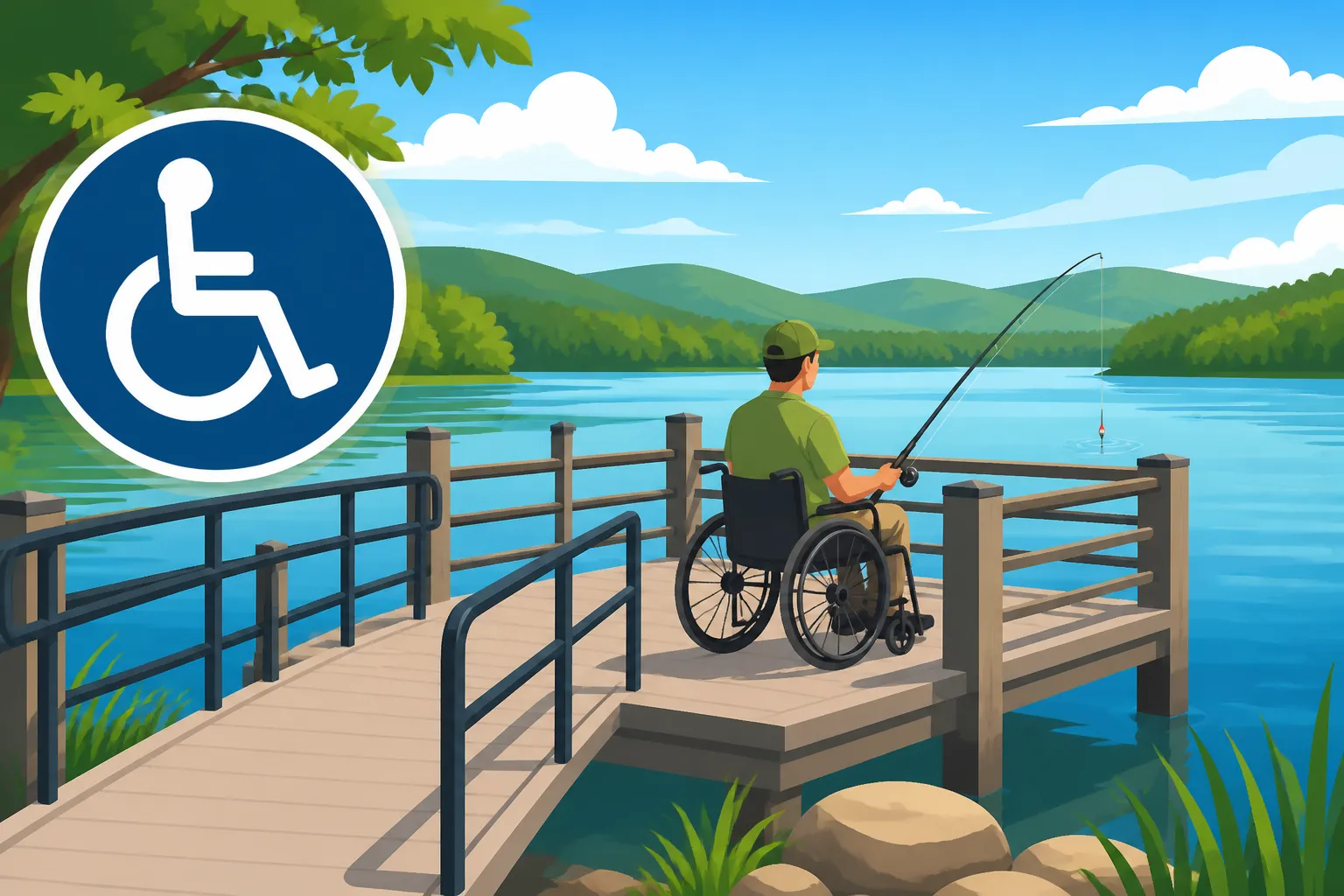
A truly accessible fishing pier starts long before you even get to the water's edge. It begins with dedicated, spacious accessible parking with level access to the pier entrance. The path from the parking area to the pier itself should be firm, stable, and slip-resistant, ideally paved or a well-maintained boardwalk, free from cracks, gravel, or steep inclines. Once on the pier, width is paramount – there needs to be ample turning space (at least 60 inches in diameter) for wheelchairs and mobility scooters.
Perhaps the most critical feature is the railing design. Many standard piers have high railings that completely obstruct the view and casting ability for someone seated. Accessible piers should feature sections with lower railings (often 34 inches or less from the pier surface) or cutouts, allowing anglers to comfortably cast and reel from a seated position. This small detail makes a world of difference. Additionally, the pier surface should be smooth and even, avoiding any gaps or grates that could catch wheelchair wheels or crutches. Some of the newer piers even incorporate tactile warning strips at the edge, offering an extra layer of safety. This thoughtful design ensures that the focus remains on the fishing, not on navigating obstacles.
Amenities That Enhance the Fishing Experience
Beyond just getting onto the pier, certain amenities can significantly enhance the experience for anglers with accessibility needs. Shade structures or covered areas are incredibly important, especially during Arkansas's hot summers or unexpected rain showers, offering protection and comfort. Accessible restrooms should be nearby, well-maintained, and easily navigable, minimizing the need for long trips away from the fishing action.
Benches with backrests are a huge plus, and ideally, some of these should have open ends or be designed to allow for easy transfer from a wheelchair. Having fish cleaning stations that are also accessible, with appropriate counter heights and space to maneuver, adds tremendous value. Some piers even offer built-in rod holders at various heights, making it easier for anglers with limited hand mobility to manage their gear. Easy access to drinking fountains or water refill stations is another small but impactful feature. These considerations move beyond basic access to providing a truly comfortable and convenient fishing environment, ensuring that a day on the water is relaxing and rewarding for everyone. For specific needs, it’s always a good idea to consult the state park's website or call ahead to verify these amenities, as they can sometimes vary even within the same park system, ensuring your Arkansas State Parks with the Best Fishing Access truly meets your expectations.
Planning Your Accessible Fishing Trip in Arkansas
A little bit of planning can go a long way in ensuring your accessible fishing trip in Arkansas is as smooth and enjoyable as possible. Don't leave things to chance; a few calls and some online research can make all the difference.
Researching Specific Pier Conditions
Before you load up your gear and head out, always, always do your homework. While a location might be listed as "accessible," the reality on the ground can sometimes differ due to recent weather, maintenance issues, or simply varying interpretations of "accessibility." Start by visiting the official websites of the Arkansas Game and Fish Commission (AGFC) or Arkansas State Parks. They often have detailed information and even photos of their facilities.
Don't hesitate to call the specific park office or marina directly. Ask detailed questions: Is the path to the pier paved? What is the slope of the ramp? Are the railings low enough for someone in a wheelchair to see and cast comfortably? Are accessible restrooms available and nearby? Is the parking lot level and close to the pier? Sometimes, user reviews on sites like Google Maps or even fishing forums can offer invaluable, real-world insights from other anglers who have visited. For instance, if you're looking for a guide to accompany you, platforms like FishingBooker often allow you to filter by guides who specialize in or offer accessible fishing experiences, and you can communicate directly with them about specific pier conditions. This proactive approach helps manage expectations and prevents unwelcome surprises upon arrival. It's also wise to check for any temporary closures or maintenance schedules that might affect access.
What to Bring for a Comfortable Experience
Packing smart is key for any fishing trip, but especially so when accessibility is a factor. Beyond your standard fishing gear, consider items that enhance comfort and convenience. A comfortable, stable portable fishing chair or a cushion for your wheelchair can make hours on the pier much more pleasant. If shade is not guaranteed, a personal umbrella or a wide-brimmed hat is essential, along with plenty of sunscreen and insect repellent.
Always bring plenty of water and snacks, as concession stands might not always be easily accessible or available. A small cooler to keep drinks and any kept fish fresh is also a good idea. Consider a trolley or cart with large wheels if you're bringing a lot of gear and expect any slightly uneven terrain between the parking and the pier – though ideally, accessible piers should minimize this need. A fully charged phone is crucial for navigation, checking weather, or in case of any emergencies. And, of course, don't forget your Arkansas Fishing License Rules and Costs! Making sure you have the correct license and any necessary permits, like for trout, is non-negotiable before you even wet a line. Also remember to check if you need a specific trout permit for some waters. Do Kids Need a Fishing License in Arkansas? is another common question; generally, kids under 16 don't need one, but it's always good to double-check current regulations.
Finding Information and Booking Accessible Stays
Finding accurate information for accessible travel can be daunting, but there are resources to help. The Arkansas Department of Parks, Heritage and Tourism website is an excellent starting point, often detailing accessibility features for state parks and other attractions. Many state parks, like DeGray Lake Resort State Park, offer accessible lodging options, from rooms to cabins, which can make a multi-day fishing trip much more feasible and comfortable.
When booking accommodations, always confirm accessibility features directly with the hotel or cabin rental. Don't just rely on icons on a website; ask about specific room dimensions, bathroom grab bars, roll-in showers, and path of travel from parking to your room. For guided fishing trips, as mentioned, platforms like FishingBooker can be invaluable. You can often message guides directly, explain your specific needs, and confirm if their boats or services can accommodate you. Many experienced guides in Arkansas, especially on popular waters like the White River for trout or Norfork Lake for stripers, are more than willing to adapt their trips to ensure everyone has a safe and enjoyable experience. Combining your accessible fishing pier visits with accessible lodging and perhaps a specialized guide can truly open up the incredible fishing opportunities Arkansas has to offer, making your trip stress-free and memorable.
Disclaimer
The information provided in this guide is for general informational purposes only and is subject to change. While we strive for accuracy, fishing regulations, pier conditions, and accessibility features can vary and be updated by local authorities. Always verify current conditions, regulations, and accessibility directly with the Arkansas Game and Fish Commission or the specific park/facility before planning your trip. Fishing inherently carries risks, and participation is at your own discretion.