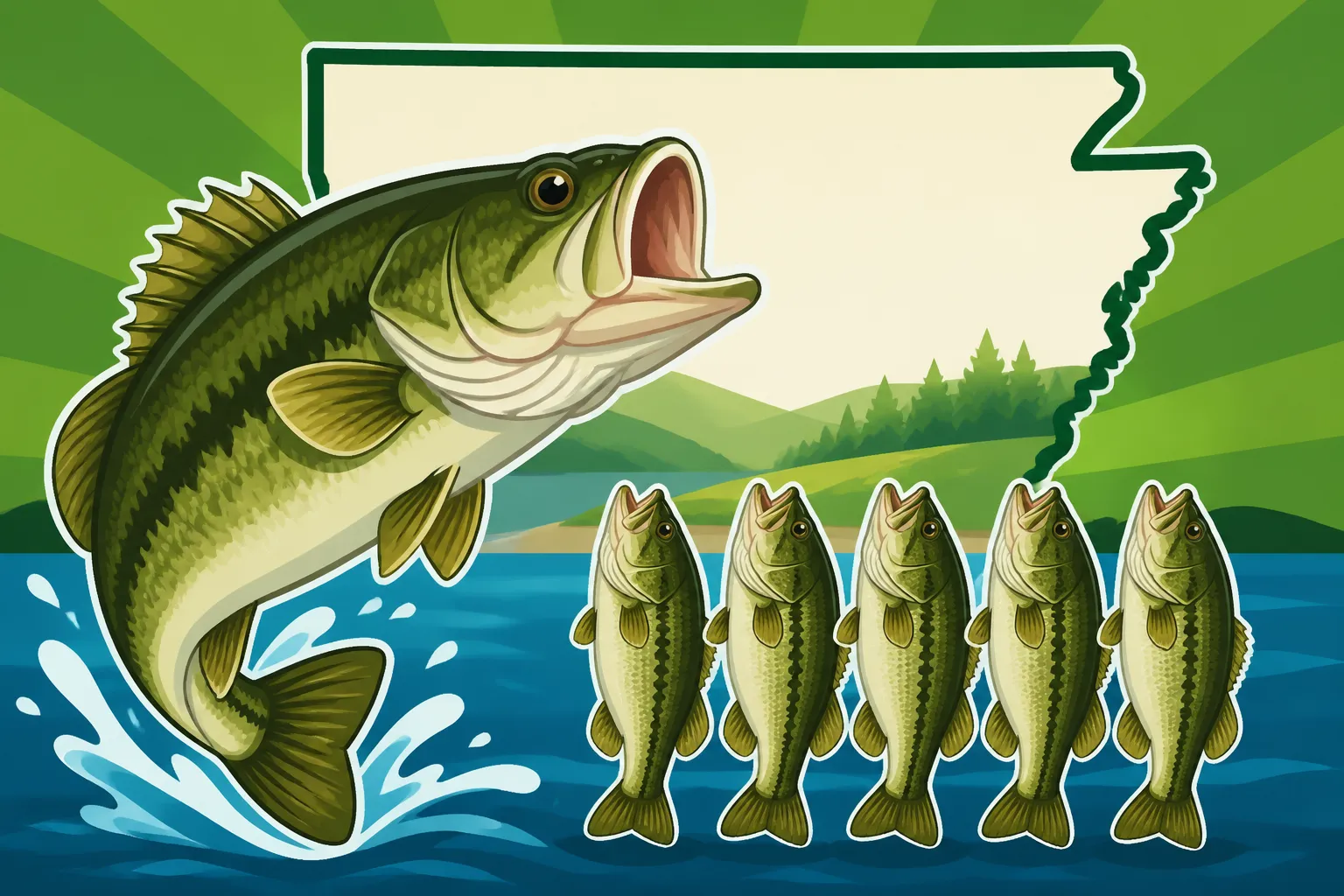
Largemouth bass daily limit statewide is 5 fish
It’s easy to get tangled up in the ever-changing rules and regulations when you’re just trying to enjoy a peaceful day out on the water. Many anglers, especially those new to The Natural State or folks who haven’t checked the latest updates, often wonder about the specific daily limits for popular species like largemouth bass. This comprehensive guide is here to untangle that confusion, clearly outlining Arkansas's statewide daily limit for largemouth bass and walking you through the nuances so you can fish with confidence and stay on the right side of the law.
Understanding the Statewide Largemouth Bass Daily Limit
When you head out to most lakes and rivers across Arkansas, the standard rule of thumb for largemouth bass is quite straightforward: you're allowed to keep five fish per day. This "daily creel limit" is a fundamental piece of the state's fishing regulations designed to help manage fish populations and ensure healthy fisheries for everyone, from seasoned pros to kids on their very first outing. It's the number you need to commit to memory for the vast majority of your bass fishing adventures in Arkansas.
What "Statewide" Truly Means for Anglers
"Statewide" sounds pretty definitive, doesn't it? And for the most part, it is. This means that if you’re fishing a body of water not specifically mentioned with its own unique regulations, you can safely assume the five-fish daily limit applies. This covers countless ponds, smaller rivers, and many of our larger reservoirs that don't have special management areas in place for bass. The Arkansas Game and Fish Commission (AGFC) strives for clarity, but they also have the responsibility to tailor regulations to specific ecological needs. So, while the 5-fish limit is your general guideline, always remember that there might be specific exceptions that override it. Checking the AGFC’s current Arkansas Fishing Regulations Guide before you hit the water is always your best bet, especially if you're exploring a new spot.
The Purpose Behind Daily Creel Limits
You might wonder why these limits exist at all. It's not just to give us anglers something to remember! Daily creel limits are a critical tool for conservation. They prevent overfishing, which could deplete fish stocks and harm the overall health of an ecosystem. By limiting the number of fish an individual can take, the AGFC helps ensure that there are enough fish left to reproduce, grow, and sustain the fishery for future generations. It’s a delicate balance between providing recreational opportunities and protecting our natural resources. Without these limits, a few highly successful anglers could potentially remove too many fish, negatively impacting everyone's fishing experience down the line. It's all about sustainable management, ensuring that Arkansas remains one of the best places to wet a line.
Navigating Exceptions to the Rule
While the statewide limit of five largemouth bass per day is your go-to, Arkansas is known for its diverse waterways, and with that comes a few important exceptions. Ignoring these can lead to a less-than-ideal encounter with a game warden, so it's vital to be aware of where and when different rules apply. These exceptions are typically put in place to address specific ecological conditions, unique fishery goals, or to protect certain size classes of fish in particular bodies of water.
Specific Lakes with Modified Bass Limits
Certain lakes in Arkansas have special regulations for largemouth bass that differ from the statewide standard. These aren't arbitrary rules; they're usually based on extensive biological surveys and management plans tailored to that specific body of water. For instance, you might find lakes with slot limits, which allow anglers to keep fish below a certain size and above another, but require the release of fish within a specific "slot." This is often done to protect mature spawning fish or to thin out an overpopulation of smaller bass, encouraging better growth for the remaining fish.
One common example that often comes up is Lake Monticello Bass and Crappie Exceptions. While the statewide limit is generally 5 largemouth bass, on Lake Monticello, anglers are restricted to only one bass 16 inches or longer within that 5-fish daily limit. This specific regulation is designed to protect larger, trophy-sized bass and ensure a healthy population of breeders. It's a prime example of how local conditions dictate local rules. Always, and I mean always, double-check the signs at the boat ramp or the current AGFC regulations pamphlet for the specific lake you're fishing. It's the little details that keep your trip smooth and legal.
Understanding Size Restrictions and Protected Slots
Beyond just the number of fish, many bodies of water also have size restrictions that go hand-in-hand with daily limits. These can include minimum length limits, where a fish must be at least a certain length to be kept, or the aforementioned slot limits. For example, some lakes might have a 12-to-15-inch slot limit, meaning any largemouth bass caught between 12 and 15 inches must be immediately released, while those under 12 inches and over 15 inches can be kept (up to the daily creel limit).
These size restrictions are another powerful tool for fishery management. A minimum length limit allows young fish to grow and spawn at least once before being harvested, contributing to future generations. Slot limits, on the other hand, can reduce competition among smaller fish, allowing them to grow larger, or protect the prime breeding stock, ensuring the lake continues to produce healthy fish. It’s not about making things complicated; it's about making sure our bass fisheries thrive. Carrying a reliable measuring board on your boat or in your tackle box is essential, and you can find great options on sites like Amazon that clearly mark common fish lengths.
| Water Body | Largemouth Bass Daily Limit | Size Restrictions (if any) | Notes |
|---|---|---|---|
| Statewide General | 5 fish | None (unless specified by water body) | Applies to most public waters not listed with specific regulations. |
| Lake Monticello | 5 fish | Only one bass 16 inches or longer allowed within the 5 fish. | Protects trophy-sized bass on this specific lake. |
| Millwood Lake | 10 fish (aggregate) | 15-inch minimum length; only one bass 20 inches or longer. | Part of a broader management plan for black bass species. |
| Dr. James E. Moore WMA | 5 fish | Only one bass 16 inches or longer allowed within the 5 fish. | Specific to this wildlife management area. |
This table provides general examples; always verify current regulations for your specific fishing location.
Staying Compliant and Fishing Responsibly
The last thing any angler wants is to accidentally break a fishing regulation. It's not just about avoiding penalties; it's about being a responsible steward of Arkansas's amazing natural resources. Staying compliant means understanding the rules, having the right tools, and knowing where to go for accurate information.
The Importance of Carrying a Current Regulation Guide
I cannot stress this enough: always carry a current copy of the Arkansas Fishing License Rules and Costs along with the latest AGFC fishing regulations. Whether it's the physical booklet you picked up at a bait shop or a digital version on your phone, having it readily available is crucial. Regulations can change from year to year, and what was perfectly legal last season might have a new caveat this year. Relying on old knowledge or what someone told you years ago is a recipe for trouble. The AGFC usually updates its regulations annually, typically in the fall, so make sure your guide is up-to-date. You can also find downloadable PDFs on the AGFC website, which is incredibly handy for quick look-ups. Many anglers even mark their specific fishing spots in the booklet with notes on local regulations, which is a brilliant tip!
Essential Tools for Measuring and Handling Fish
To comply with length limits, a good, sturdy measuring device is non-negotiable. Forget the flimsy tape measure you use for home repairs; invest in a dedicated fish measuring board. These are typically durable, have clear markings, and often float, which is a bonus if it takes an accidental swim. Brands like Rapala or Berkley offer excellent options you can find at most sporting goods stores or even on Amazon.
Beyond measuring, proper fish handling is vital, especially when you're practicing catch-and-release, which is often the case with slot limits. Wet your hands before handling fish to protect their slime coat, and try to keep them in the water as much as possible, especially during warmer months. Use appropriate unhooking tools, like long-nose pliers or a dehooker, to minimize stress and injury to the fish. When releasing a bass that falls within a protected slot, do so quickly and gently, ensuring it swims away strong. After all, the goal is to keep our fisheries healthy, and that means protecting the fish we release as much as the fish we keep. For tips on specific gear, check out our guide on Best Lures for Largemouth Bass Fishing.
Where to Find the Most Up-to-Date Information
While I'm here to help untangle the knot, the absolute authoritative source for all Arkansas fishing regulations is the Arkansas Game and Fish Commission (AGFC) directly. Their official website is a treasure trove of information, offering digital versions of their regulation guides, special alerts for specific lakes, and even maps of public access points. Most bait shops, sporting goods stores like Bass Pro Shops or Cabela's, and even some county clerk offices will also have physical copies of the latest regulation guide available for free.
If you have a very specific question about a less-common body of water or a unique situation, don't hesitate to contact the AGFC directly. They have regional offices and a central information line, and their staff are usually more than happy to help clarify any doubts. Taking the initiative to understand the rules shows respect for the resource and ensures you have a worry-free day on the water. After all, fishing is about relaxation and connection with nature, not about stressing over legalities. So, next time you plan a trip to a spot like Bull Shoals Lake Fishing Guide for Bass and Crappie, make sure to check its specific bass regulations.
What the Future Holds for Arkansas Fishing Regulations
Fishing regulations are not set in stone; they are dynamic tools that adapt to changing environmental conditions, fishing pressure, and scientific understanding. The Arkansas Game and Fish Commission continuously monitors fish populations and angler behavior to ensure regulations remain effective and relevant. Keeping an eye on these potential changes helps you stay ahead of the curve and understand the reasoning behind any new rules.
Potential Changes in Future Seasons
The AGFC regularly reviews its regulations, often on an annual or biennial cycle. These reviews consider factors like the health of fish populations, angler harvest rates, environmental shifts, and feedback from the public. While predicting exact changes is impossible, common areas of adjustment can include length limits being modified, daily creel limits being adjusted up or down for specific species or water bodies, or even changes to gear restrictions. For instance, there was a significant shift regarding possession limits not too long ago. Remember that our guide on What changed with Arkansas's fishing possession limits in 2026-27? dives deep into how the state moved away from statewide possession limits, focusing instead solely on daily creel limits. This change simplifies things by meaning you no longer have to worry about how many fish are in your freezer at home, only how many you catch per day on the water.
These changes are usually announced well in advance of the new fishing season, typically published in the annual regulation guide. Staying informed by regularly checking the AGFC website or picking up the new guide each year is crucial.
The Role of Angler Input in Regulation Adjustments
Believe it or not, your voice as an angler plays a role in shaping future fishing regulations. The AGFC holds public meetings, solicits feedback through surveys, and reviews comments submitted by individuals and fishing organizations. When biologists and commissioners propose changes, they often consider how these changes will impact the angling community and the resource.
If you have concerns about a particular fishery, notice significant changes in fish populations, or have ideas for improving regulations, don't be shy about reaching out to the AGFC. Responsible angler input is highly valued and contributes to effective, adaptive management of Arkansas's fisheries. Engaging in this process helps ensure that regulations truly reflect the needs of both the fish and the fishing community. Ultimately, we all share the same goal: to preserve and enhance the incredible fishing opportunities that Arkansas offers. So, whether you're targeting bass, crappie, or trout, understanding and respecting the rules is part of the joy of fishing in our beautiful state.
Disclaimer
The information provided in this guide is intended for general informational purposes only and is based on publicly available data as of the last update. Fishing regulations in Arkansas are subject to change by the Arkansas Game and Fish Commission (AGFC). It is the angler's sole responsibility to consult the most current and official AGFC fishing regulations guide before engaging in any fishing activity. Reliance on this information is at your own risk.