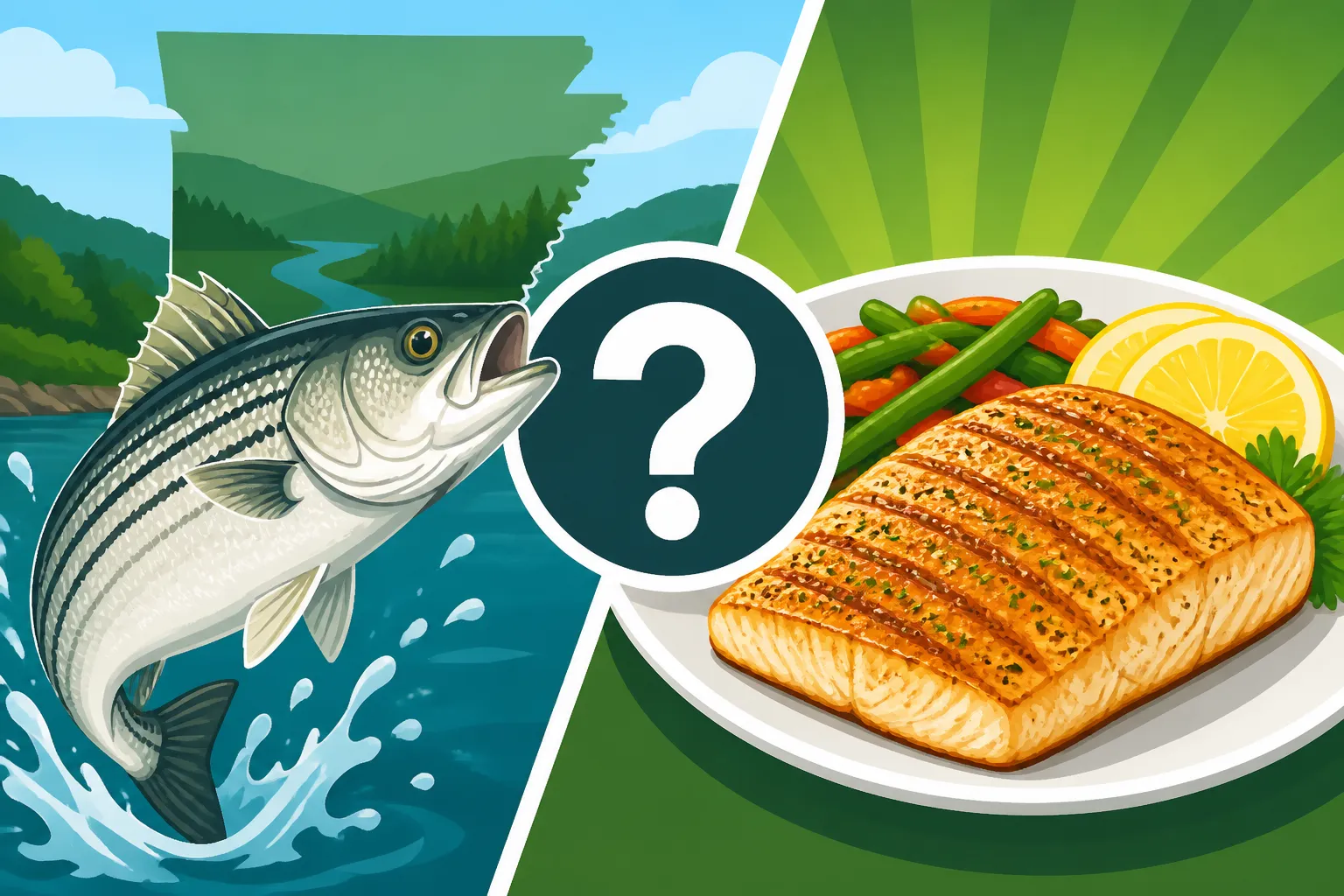
Is Striped Bass Good to Eat?
Many anglers in Arkansas, especially those new to reeling in a big striped bass, often wonder, "Is this fish actually good to eat?" It's a completely fair question! You've put in the effort, battled a powerful fish that might have weighed a considerable amount, and now you want to know if all that hard work translates into a delicious meal for your family and friends. The short answer is a resounding yes, but like with any wild-caught fish, there are definitely best practices to follow to ensure your striped bass tastes amazing and doesn't end up with that notorious "fishy" flavor that turns so many people off.
This guide is all about demystifying the culinary aspects of Arkansas striped bass, from understanding its unique flavor profile to the essential steps you need to take from the moment it hits your boat to when it lands on your plate. We'll dive into how location, size, and even what these fish eat can impact their taste, and share some tried-and-true methods for preparing them.
The Culinary Appeal of Arkansas Striped Bass
Let's cut to the chase: Arkansas striped bass can be an absolutely fantastic eating fish. When handled correctly, their meat is firm, flaky, and has a rich, clean flavor that stands up well to a variety of cooking methods. It's not as delicate as, say, a crappie, but it's also far from the strong, oily taste some other larger fish possess. Many seasoned anglers consider it a prized catch not just for the fight it offers, but for its table quality as well.
The experience of catching a hard-fighting striped bass from waters like Norfork Lake or Lake Hamilton, then taking it home to prepare a meal, is deeply satisfying. There's a certain pride that comes with serving a fresh, wild-caught fish you brought in yourself. However, the key to unlocking its true deliciousness lies in understanding what makes its flavor unique and how to preserve that quality from the moment it leaves the water.
Flavor Profile: What to Expect from Stripers
When you cook a fresh striped bass, you'll generally find its flesh to be white to off-white, with a medium-firm texture that flakes beautifully. The flavor itself is often described as mild, sweet, and somewhat buttery, especially from fish caught in clean, cold waters. It's a versatile flavor that doesn't overwhelm the palate, making it a great choice for various culinary preparations. You might notice a subtle richness compared to a more lean white fish, but it’s rarely overpowering.
Think of it this way: it has more character than a tilapia, but it's not as assertively "fishy" as some mackerel or bluefish can be. This balanced flavor is what makes striped bass so popular among anglers and seafood lovers alike. The mildness also means it's a fantastic canvas for whatever seasonings or marinades you prefer, allowing you to tailor the dish to your personal taste. If you're comparing it to other species you might catch, it's often more robust than a Crappie Size and Daily Limit in Arkansas but perhaps a bit less intense than a large channel catfish.
Factors like the water temperature, the fish's diet, and even the size of the striper can subtly influence its specific taste. Striped bass from colder, clearer reservoirs, for instance, tend to have a cleaner, less "gamey" taste than those from warmer, murkier waters. The type of forage available, whether it's threadfin shad or alewife, also plays a role in the fat content and overall flavor development of the fish.
Freshness is Key: Maximizing Flavor from Catch to Plate
This is arguably the most critical step in ensuring your striped bass is delicious. No matter how good the fish, poor handling will ruin its potential. The moment a striped bass comes into your boat, especially if you intend to keep it for the table, you need to act fast. Bleeding the fish immediately is paramount. This involves making a small incision near the gills or tail to allow the blood to drain out. Blood left in the meat contributes heavily to that "fishy" taste many people dislike.
After bleeding, the fish needs to be rapidly cooled. Get it on ice, and lots of it. A cooler full of ice water is ideal, ensuring the core temperature of the fish drops quickly. This slows down bacterial growth and enzymatic degradation that can break down the flesh and create off-flavors. Do not just throw it in a dry cooler, even if it's cold; direct contact with melting ice water is far more effective. For those chasing Trophy Striped Bass Fishing in Arkansas, proper icing is non-negotiable for preserving such a prize. You can find excellent coolers designed for optimal ice retention, sometimes even on platforms like Amazon, to ensure your catch stays cold for hours, even on a long summer day.
Once you get home, plan to clean and fillet your fish as soon as possible. The longer it sits, even on ice, the more the quality can degrade. If you can't clean it immediately, ensure it remains submerged in ice water in your cooler, constantly refreshing the ice if needed. This dedication to freshness is what separates a truly remarkable striped bass meal from a mediocre one.
Preparing and Cooking Striped Bass for Optimal Taste
Now that you've got a fresh, properly handled striped bass, it's time to turn it into a meal. The beauty of striped bass lies in its versatility in the kitchen. Its firm flesh holds up well to a variety of cooking methods, from grilling and baking to pan-searing and frying. Before you start cooking, though, a little preparation goes a long way.
Many anglers feel overwhelmed by the thought of processing a large fish, but with a sharp knife and a bit of practice, filleting a striped bass is a straightforward process. Taking the time to do it correctly ensures you get the most out of your catch and avoid any undesirable parts of the fish making it to your dinner plate. This preparation stage is just as important as the initial handling out on the water.
Cleaning and Filleting Your Catch
Filleting a striped bass starts with a clean cutting surface and a very sharp, flexible filleting knife. Begin by making a cut behind the pectoral fin, down to the backbone. Then, turn your knife parallel to the backbone and slice along it, working from head to tail, separating the fillet from the rib cage. Repeat on the other side. You'll end up with two boneless fillets.
A crucial step for striped bass, especially larger ones, is to remove the "red meat" or "bloodline" that runs along the lateral line of the fillet. This dark strip of meat often has a stronger, more pronounced flavor and a softer texture that many people find unappealing. Simply trim it out with your knife. You might also want to skin the fillets, though some people prefer to leave the skin on for certain cooking methods like grilling, as it can help hold the fish together and impart flavor. Getting proficient at this step is a game-changer for improving the taste of your striped bass, and YouTube offers countless tutorials if you're a visual learner.
Once filleted, give the fish a quick rinse under cold water to remove any lingering scales or blood, then pat it thoroughly dry with paper towels. Excess moisture can prevent a good sear or crisp texture during cooking. At this point, your striped bass fillets are ready for seasoning and cooking, or for proper storage if you're not eating them right away.
Popular Cooking Methods and Recipes
With your pristine striped bass fillets ready, the culinary possibilities are nearly endless. One of the most popular ways to cook striped bass is grilling. Its firm flesh doesn't fall apart easily on the grates. Lightly brush the fillets with olive oil, season with salt, pepper, lemon, and your favorite herbs (dill, parsley, or thyme work wonderfully), then grill over medium-high heat until flaky.
Pan-searing is another fantastic option, creating a beautiful crispy skin (if left on) and tender, moist flesh. Heat a cast-iron skillet or heavy-bottomed pan with a bit of oil or butter until shimmering. Sear the fillets skin-side down first for a few minutes until golden, then flip and cook until done. This method is quick and brings out a lovely richness.
For a hands-off approach, baking or roasting in the oven is excellent. Place fillets on a baking sheet, often with a bed of vegetables or citrus slices, and bake at around 375-400°F (190-200°C) until the fish flakes easily. This method is great for larger groups or when you want a lighter meal. Some even enjoy smoking striped bass, which imparts a deep, savory flavor, though this is a more specialized technique. Regardless of the method, remember that fish cooks quickly, so avoid overcooking to prevent dry, tough results. A meat thermometer inserted into the thickest part should read around 145°F (63°C).
Here's a quick comparison of popular cooking methods:
| Method | Preparation | Texture | Flavor Profile | Best For |
|---|---|---|---|---|
| Grilling | Oil, season, high heat | Firm, slightly crispy | Smoky, charred exterior | Outdoor cooking, whole fillets, skin-on |
| Pan-Searing | Oil/butter, season, hot pan | Crispy skin, tender flesh | Rich, savory sear | Quick meals, individual portions, skin-on |
| Baking/Roasting | Season, oven, lower heat | Moist, flaky | Mild, infused with aromatics | Large fillets, hands-off, healthier option |
| Smoking | Brine, wood smoke, low heat | Flaky, moist | Deeply smoky, rich | Preserving, unique flavor, special occasions |
| Frying | Batter/breading, hot oil | Crispy exterior, tender interior | Comfort food, rich | Smaller pieces, classic fish & chips |
Many anglers on Norfork Lake or Lake Hamilton swear by specific seasoning blends bought from local tackle shops or even larger retailers like Amazon. Whether you're making simple fish tacos or a more elaborate baked dish, the firm, white flesh of the striped bass is wonderfully adaptable.
Factors Influencing Striped Bass Taste and Quality in Arkansas
While we've established that striped bass is a delicious eating fish, it's also important to understand that not all stripers are created equal. Several environmental and biological factors can significantly influence the flavor and texture of the fish you catch. Being aware of these elements can help you make more informed decisions about where to fish, which fish to keep, and how to prepare them for the best possible culinary experience. This isn't about snobbery; it's about maximizing your enjoyment of your hard-earned catch.
The waters of Arkansas offer a diverse range of habitats for striped bass, from vast reservoirs to flowing rivers, and each distinct environment can leave its subtle mark on the fish. Understanding these nuances is part of becoming a truly knowledgeable angler and a skilled cook of your own harvest.
Water Quality and Environment
The environment where a striped bass lives plays a massive role in its taste. Fish from clean, clear, and cooler waters, such as the deep, vast expanses of Norfork Lake or Bull Shoals Lake, generally tend to have a milder, cleaner flavor profile. These reservoirs are known for their excellent water quality, which translates directly to the fish that inhabit them. When anglers talk about how good Norfork Lake's Reputation for Trophy Striped Bass Fishing is, they're often implicitly talking about the quality of the flesh as well.
Conversely, striped bass caught from warmer, shallower, or murkier waters might sometimes have a slightly stronger or "earthier" taste. This isn't necessarily a bad thing, but it's a noticeable difference. The quality of the forage base in these different environments also contributes. If the water is stressed or has particular algae blooms, these can sometimes impart subtle off-flavors to the fish, similar to how local produce takes on the characteristics of its soil. Choosing reputable fishing spots, often highlighted in guides like Best Fishing Spots in Arkansas, can indirectly lead to better-tasting fish.
Size and Age of the Fish
This is a hot topic among striped bass enthusiasts, and for good reason. There's a widely held belief that smaller to medium-sized striped bass, often in the 5 to 15-pound range, offer the best eating quality. These fish typically have more tender, flaky flesh with a milder flavor. They haven't had as much time to accumulate fat or develop a stronger "gamey" taste that can sometimes be present in very large, older fish.
Larger striped bass, especially those monster Trophy Striped Bass Records at Lake Hamilton that might be 20, 30, or even 40 pounds and older, can sometimes have tougher, fattier meat. While still edible, some anglers find their flavor more pronounced or "fishy." Their flesh might also be a bit coarser. If you do catch a true trophy, careful handling and aggressive trimming of the red meat and fat becomes even more critical to make it palatable. Many choose to release these larger, older fish anyway, not just for their breeding potential, but also because the eating quality is often better on their younger counterparts.
Diet of the Striped Bass
What a striped bass eats directly influences its flavor, much like the diet of livestock affects the taste of beef or pork. In Arkansas, striped bass in our major reservoirs primarily feed on schooling baitfish like gizzard shad and threadfin shad. These diets generally contribute to a clean, mild flavor profile and a good fat content that makes the meat rich and moist.
If a striped bass is consistently feeding on a different type of forage, perhaps in a more brackish or specific riverine environment, that can subtly alter its taste. For example, fish that prey heavily on crawfish might develop a slightly different taste than those focused on open-water baitfish. However, for most striped bass caught in Arkansas's large reservoirs, a consistent diet of shad ensures a desirable flavor. Anglers often focus on finding where these baitfish are schooled when looking for Best Striper Fishing Spots on Norfork Lake, Arkansas, unknowingly also targeting the best-tasting fish.
Handling and Storage Post-Catch
We've touched on this, but it bears repeating: immediate and proper handling is paramount. Without it, all the good water quality and ideal diet in the world won't save your fish from developing off-flavors. Once you've bled and iced your fish, the next step is consistent temperature control. Keep it on ice until you are ready to fillet, and then fillet promptly.
If you're not planning to eat all your striped bass right away, proper freezing is essential. Vacuum-sealing is the gold standard, as it removes air that causes freezer burn and preserves the quality of the fish for several months. If you don't have a vacuum sealer, wrap fillets tightly in plastic wrap, then in foil, trying to eliminate as much air as possible before placing them in a freezer bag. This prevents the delicate flesh from drying out and developing a stale flavor. Freezing your fillets correctly means you can enjoy that fresh-caught taste weeks or even months down the line.
Common Concerns and Misconceptions
Despite its general appeal, some people still approach striped bass with a bit of apprehension, often based on past experiences or common misconceptions. Addressing these can help clarify why some might have had a less-than-stellar experience and how to avoid those pitfalls in the future. The goal is to ensure every angler can enjoy their catch to the fullest.
It's natural to have questions, especially when dealing with a powerful, wild-caught fish like the striped bass. Understanding the science behind "fishy" tastes and common health guidelines can empower you to make informed decisions about your seafood.
"Fishy" Taste and How to Avoid It
The dreaded "fishy" taste is the number one reason many people claim they don't like fish. With striped bass, this unpleasant flavor is almost always a result of improper handling rather than an inherent quality of the fish itself. As discussed, leaving blood in the meat and allowing the fish to warm up are the primary culprits. Bacteria rapidly break down the blood and flesh, producing compounds that create that strong, pungent, ammonia-like odor and taste.
To recap, preventing a "fishy" taste starts with:
- Immediate bleeding: Drain the blood out of the fish as soon as it's caught.
- Rapid chilling: Get the fish on plenty of ice, preferably in an ice slurry, right away.
- Prompt filleting: Clean the fish as soon as possible after returning from your trip.
- Remove the red meat: This dark lateral line is often responsible for stronger flavors. Trim it out thoroughly.
If, despite your best efforts, you still notice a slight "fishy" aroma, a common trick is to soak the fillets in milk for about 20-30 minutes before cooking. The casein in the milk is believed to bind with and neutralize the compounds responsible for the off-flavors. Rinsing thoroughly and patting dry after the milk bath is essential. A short soak in a mild brine (salt water) can also help improve texture and flavor.
Mercury and Consumption Guidelines
Like many larger, longer-lived predatory fish, striped bass can accumulate mercury. Mercury is a naturally occurring element, but in certain forms, it can be harmful if consumed in high quantities over time. Generally, larger and older fish tend to have higher mercury levels because they've had more time to accumulate it. This is another reason why many prefer to eat smaller- to medium-sized stripers.
It's important to remember that general consumption guidelines for fish, including warnings about mercury, often vary by location and specific water bodies. These guidelines are usually issued by state health departments or environmental agencies. For Arkansas anglers, it's always a good idea to check the latest advisories from the Arkansas Department of Health or the Arkansas Game and Fish Commission for specific recommendations regarding fish consumption from particular lakes or rivers, especially if you plan to eat striped bass frequently or if you are pregnant, nursing, or feeding it to young children. These organizations typically provide the most up-to-date information on local fish species, including Fish Species Found in Timber-Filled Refuge Lakes and those in major reservoirs. You won't find specific limits here, as I don't have access to live data, but consulting official sources is always the smartest move for your health and peace of mind.
Disclaimer
This article is for general informational purposes only and does not constitute professional advice. Laws, prices and regulations vary by location and change over time. Consult a qualified professional for guidance on your specific situation.