How to Set a Trotline Overnight
There's nothing quite like the anticipation of checking a trotline in the early morning light, wondering what whiskered giants might have found your bait overnight. Many anglers dream of harvesting a mess of delicious catfish, but the thought of setting a trotline can feel overwhelming, especially with all the rules and the sheer logistics involved. This guide is here to walk you through the entire process of setting a trotline overnight in Arkansas, making sure you're legal, effective, and ready to enjoy your catch.
Understanding Arkansas Trotline Regulations
Before you even think about buying a trotline, it’s absolutely critical to understand the specific rules that govern their use in Arkansas. The Arkansas Game and Fish Commission (AGFC) has clear guidelines to ensure sustainable fishing practices and to prevent conflicts between different types of anglers. Ignoring these rules isn't just a minor infraction; it can lead to hefty fines and even the confiscation of your gear. It's truly a shame to put in all that effort only to face penalties because you missed a small detail.
License Requirements for Trotlines
First things first, you need a valid Arkansas fishing license. This isn't just for rod and reel; it applies to trotlines, juglines, and other commercial or non-sporting methods as well. If you're a resident, you'll want to look into an annual fishing license. Non-residents also need a license, and the costs can be a bit different, so it’s always wise to check out the specific Nonresident Annual Fishing License Cost in Arkansas or a shorter-term option like the Arkansas Nonresident 3-Day Trip License if you're just visiting for a quick fishing getaway. Remember, game wardens do check for fishing licenses in Arkansas, so make sure you're covered.
Beyond the basic fishing license, trotlines and similar gear are considered "commercial fishing devices" under certain interpretations, even if you're not selling your catch. The AGFC often requires these devices to be tagged with a specific tag number, which typically comes with an additional fee. This tag helps the AGFC monitor the use of these devices and ensures compliance. You'll need to purchase these tags annually, and they must be physically attached to your trotline. This isn't an optional step; it's a mandatory part of legal trotline fishing. Always refer to the Arkansas Fishing Regulations Guide for the most current information, as rules can sometimes change.
Legal Trotline Specifications
Arkansas has very specific rules about how your trotline must be constructed. These aren't just suggestions; they are hard and fast requirements designed to prevent overharvesting and minimize ghost fishing (when lost gear continues to catch fish).
You can't just string up any old rope with hooks. The regulations typically specify the maximum number of hooks allowed on a single trotline. This number can vary, but generally, you're looking at a limit to prevent a single angler from deploying an excessive amount of hooks. Each hook must also be a certain distance apart – usually, no closer than a few feet – to avoid tangling and allow fish enough room to strike. The type of hooks might also be regulated, with circle hooks often preferred or even required in some areas due to their effectiveness in hooking fish in the corner of the mouth, making catch-and-release easier if desired and reducing gut-hooking.
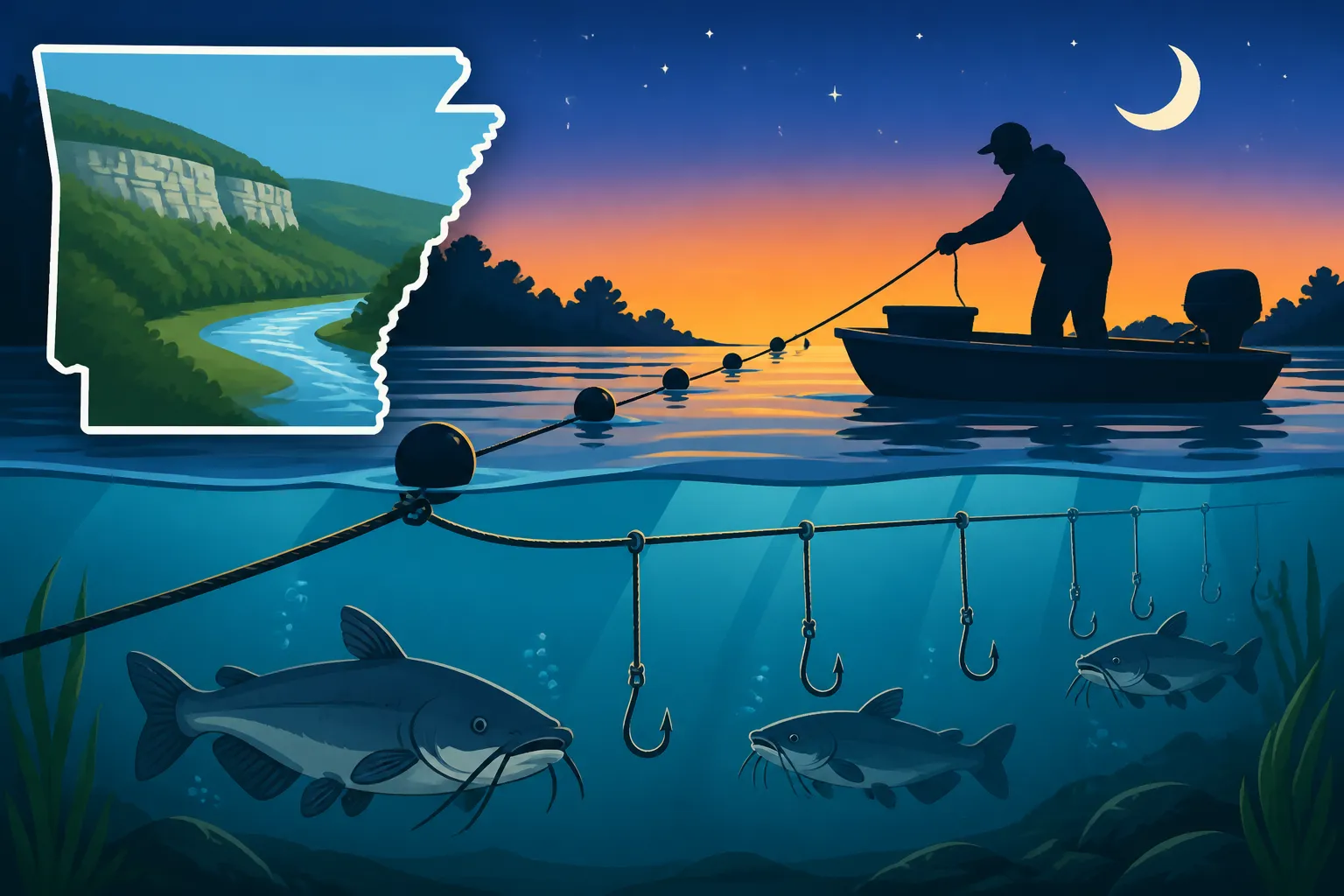
Furthermore, your trotline must be clearly marked. This is crucial for other anglers and boaters to see your line and avoid it, as well as for game wardens to identify who owns the line. You'll need buoys on both ends of your trotline, and these buoys usually need to be labeled with your name and address or your AGFC customer identification number. These markings ensure accountability and allow wildlife officers to easily identify and contact the owner if there are any issues or questions about compliance.
Choosing Your Trotline Gear and Setup
Once you're clear on the regulations, it's time to gather your gear. Having the right equipment is paramount for both effectiveness and safety. Don't skimp on quality here; a cheap line or weak anchors can lead to lost fish, lost gear, and a whole lot of frustration. Many anglers find what they need on sites like Amazon, but local sporting goods stores are also great for getting expert advice.
The Trotline Itself: Material and Length
The backbone of your setup is, of course, the trotline. You'll want a strong, durable main line that can withstand the pull of potentially large fish, debris, and the elements.
- Material: Most experienced trotline anglers opt for heavy-duty nylon or braided synthetic rope. These materials are resistant to rot, abrasion, and UV damage, making them a long-lasting investment. Natural fibers, while biodegradable, tend to degrade quickly underwater and aren't as strong. You can often find pre-made trotlines on Amazon that are ready to go, or you can buy the rope in bulk and assemble it yourself.
- Length: The length of your trotline will depend on the body of water you're fishing and how many hooks you plan to deploy. Remember those legal specifications about hook spacing? Factor that in. If you're fishing a narrower channel or stream, a shorter line might be more practical. For larger lakes or wide river sections, you might go with a longer line, but always stay within the legal limits for your chosen water. A good starting point is usually 50-100 feet, allowing for plenty of hooks without being unmanageable.
Hooks, Leaders, and Swivels
This is where the magic happens – or rather, where the fish get caught! Each component plays a vital role.
- Hooks: Large, strong hooks are essential for catfish. Circle hooks are highly recommended because they are designed to hook fish in the corner of the mouth, reducing the chance of gut-hooking and making release easier if you catch something you don't want to keep. Sizes like 5/0 to 8/0 are common for channel catfish, while larger 10/0 to 14/0 hooks are ideal if you're targeting big blue catfish or flatheads. You can often find these in bulk online on Amazon, which can be more cost-effective.
- Leaders: The leader is the short line that connects the hook to the main trotline. Using leaders with swivels is a game-changer. Leaders should be made of a slightly lighter line than your main trotline, typically 50-100 lb test monofilament or fluorocarbon. They should be relatively short, around 12-18 inches, to prevent tangling.
- Swivels: A heavy-duty barrel or ball-bearing swivel at the connection point between the leader and the main line is crucial. Swivels allow the leader to rotate freely, preventing fish from twisting off the hook and keeping your main line from kinking.
Anchors and Buoys
These items ensure your trotline stays put and is visible.
- Anchors: You'll need two substantial anchors to hold your trotline in place – one for each end. The type and weight of the anchor depend on the bottom composition and current. For sandy or muddy bottoms, a mushroom anchor or a concrete block works well. For rocky bottoms, a grapple anchor or a heavy rock secured with rope can be effective. Make sure your anchor lines are strong and long enough to reach the bottom with some slack, especially if there's current or water level fluctuation.
- Buoys: Two brightly colored buoys are required for marking your trotline. These need to be large enough to be easily seen from a distance, even in choppy water. Foam floats, plastic jugs (cleaned out, of course!), or purpose-built fishing buoys work well. Just make sure they're durable and can withstand being bumped by boats or wildlife. Remember to clearly mark your buoys with your identification as per AGFC regulations.
Strategic Placement: Where to Set Your Trotline Overnight
Setting your trotline in the right location is just as important as having the right gear. You can have the best trotline in the world, but if it's in a barren stretch of water, you won't catch much. Thinking like a catfish is key here. Catfish are generally bottom dwellers, often seeking structure, cover, and food sources.
Identifying Productive Catfish Habitats
Different catfish species have slightly different preferences, but generally, they all appreciate a good ambush point or a place to rest and feed.
- Structure: Look for underwater structure like submerged timber, rock piles, drop-offs, and creek channels. These areas provide cover, attract baitfish, and offer current breaks where catfish can conserve energy. On Lake Ouachita: Arkansas's Largest Lake for Bass and Crappie Fishing, for example, there are countless submerged trees and old roadbeds that hold big catfish. The Arkansas River, known for its Best Bass Fishing Spots on the Arkansas River and catfish, often has deep holes and log jams that are prime spots.
- Current Breaks: Catfish, especially flatheads and blue catfish, often relate to current. They don't want to fight a strong current constantly, so they'll position themselves just out of the main flow, in a "current break," waiting for food to drift by. Think behind large rocks, under cut banks, or in eddies.
- Depth: While catfish can be caught in shallow water, especially at night or during warmer months, deeper channels and holes are often productive, particularly during the day or in colder water. If you're fishing a reservoir like Norfork Lake: One of Arkansas's Best Striped Bass Fisheries, focus on the old river channels.
Navigating Regulations and Safety Zones
While identifying good spots, you must also be mindful of areas where trotlines are prohibited or could pose a hazard.
- Prohibited Areas: The AGFC restricts trotlines in certain areas, such as within a certain distance of dams, public boat ramps, swimming beaches, or designated wildlife refuges. Always consult the Arkansas Fishing Regulations Guide to ensure you're not in a restricted zone.
- High Traffic Areas: Avoid setting trotlines in main navigation channels or heavily trafficked boating lanes. Not only is this a safety hazard for boaters, but your line is also much more likely to be snagged, cut, or lost. Choose quieter coves, secondary channels, or areas away from constant boat traffic. Your buoys might be visible, but it's always better to err on the side of caution to prevent accidents and protect your gear.
- Private Property: Ensure you have permission if you're setting a trotline from the bank or if your anchors might rest on private property. Public access points are usually safe bets for deployment.
Baiting and Deployment: Setting Up for Success
This is where your strategy comes together, from selecting the right bait to properly deploying your line. A well-baited and correctly set trotline will maximize your chances of success.
Choosing the Best Bait
Catfish are primarily scavengers and opportunistic predators, but different species have different preferences, and fresh bait is almost always king.
- For Channel Catfish: These guys are less picky and respond well to strong-smelling baits. Chicken livers, cut-up pieces of shad, shrimp, stink baits, and even hot dogs or soap can be highly effective. The key is scent dispersal.
- For Blue Catfish: Blues are often found in larger rivers and reservoirs and can grow to enormous sizes. They primarily feed on other fish. Fresh cut bait from oily fish like shad, skipjack herring, or even small panfish (check local regulations on using game fish as bait) are top choices. Large chunks of gizzard shad are a go-to for many trophy blue cat anglers. Learn more about What Bait Catches the Biggest Catfish in Arkansas?.
- For Flathead Catfish: Flatheads are the most predatory of the three main species and strongly prefer live bait. Small sunfish (bream), bullheads, or carp are excellent choices. Make sure your live bait is healthy and hooked in a way that allows it to swim naturally and stay alive for hours. The more lively the bait, the more attractive it is to a passing flathead.
| Catfish Species | Preferred Bait Type | Examples of Bait | Key Considerations |
|---|---|---|---|
| Channel Catfish | Scented/Oily Bait (Fresh) | Chicken liver, Cut shad, Shrimp, Stink bait | Strong scent dispersal, easily accessible |
| Blue Catfish | Fresh Cut Bait (Oily Fish) | Gizzard shad, Skipjack, Small panfish | Freshness is crucial, large chunks for big fish |
| Flathead Catfish | Live Bait | Sunfish, Bullheads, Carp | Must be lively and healthy, hooked to swim freely |
Attaching Bait and Setting the Line
Careful baiting and a smooth deployment will prevent tangles and ensure your trotline is fishing effectively all night long.
- Baiting: Attach your bait securely to each hook. For cut bait, threading the hook through the bait multiple times can help it stay on. For live bait, hook it carefully through the back (above the lateral line, avoiding the spine) or through the lips to keep it alive and active.
- Deployment: This is often best done with two people and a boat, though it can be done alone from a bank or kayak in smaller waters.
- Anchor one end: Start by securing one anchor in your desired location. Tie one end of your main trotline to this anchor, ensuring it's robustly fastened. Deploy the first buoy, making sure your ID is visible.
- Run the line: Slowly motor or paddle away from the first anchor, allowing the main line to spool out. As you go, attach your pre-tied leaders with hooks and bait at the legal intervals. Be careful to avoid tangling the hooks. Keep tension on the line as you move.
- Anchor the other end: Once you've deployed the entire line with all your baited hooks, secure the other end of the main line to your second anchor. Drop this anchor, and then deploy the second buoy, again ensuring your ID is visible. The line should be taut enough to keep the hooks spread out and off the bottom slightly, but not so tight that it can't handle a fish tugging on it. You want enough slack to allow the line to settle and flex with the current.
Remember, setting a trotline should be a calm, methodical process to avoid accidents with sharp hooks or tangles. If you're doing this in low light, always use a good headlamp!
Checking and Retrieving Your Trotline Safely
The moment of truth! After a night of hoping, it’s time to check your trotline. This part requires a bit of patience and safety consciousness.
Best Time to Check Your Trotline
While the trotline has been out "overnight," the best time to check it isn't necessarily at midnight.
- Early Morning: The prime time to check your trotline is usually at first light. Catfish are often most active during the low light periods of dawn and dusk, and they'll likely hit your baits during these times. Checking early ensures your catch is fresh and hasn't been on the line too long, reducing stress on the fish and maintaining meat quality. It also minimizes the chance of other animals, like raccoons or otters, getting to your catch if your line is in shallower areas.
- Multiple Checks: Depending on the regulations and how active the bite is, you might check your trotline more than once, especially if you set it in the late afternoon. Some anglers will check it once before dark and then again at dawn. However, you'll want to avoid disturbing the line too frequently as it can spook fish.
Safe Retrieval and Handling of Fish
Retrieving a trotline, especially one with a big, feisty catfish, requires caution.
- Approach Slowly: Approach your trotline carefully in your boat or kayak. Never grab the line while the boat is still moving at speed.
- Wear Gloves: Heavy-duty gloves are essential. Hooks are sharp, and catfish spines can inflict painful wounds.
- Start at one end: Begin retrieving from one anchored end. Pull the main line into your boat slowly and steadily.
- Handling Fish: As you bring in each section, watch for fish. If you have a fish on, bring it aboard quickly and decisively. For smaller catfish, a good grip behind the head can work. For larger fish, a net or a pair of lip grippers will be invaluable. Be prepared for them to thrash!
- Removing Hooks: Use pliers or a hook remover to safely unhook the fish. If you plan to keep the fish, immediately place it on ice in a cooler to preserve its freshness.
- Releasing Fish: If you catch a species you don't want or a fish that's under the legal size limit, handle it minimally and release it gently back into the water. Ensure it swims away strongly. The rules for Largemouth Bass Daily Limit in Arkansas or Crappie Size and Daily Limit in Arkansas also apply if they somehow get on your catfish trotline.
- Check for damage: Inspect your line and leaders as you retrieve them. Replace any damaged leaders or hooks on the spot or mark them for repair later.
Cleaning Up and Storing Your Gear
Responsible angling means leaving no trace and taking care of your equipment.
- Remove everything: Ensure you retrieve both anchors and both buoys. Leaving gear behind is illegal and contributes to ghost fishing, which can harm wildlife.
- Clean your gear: Once retrieved, clean your trotline, leaders, and hooks. Rinse off any mud, slime, or bait residue. This prevents odors, preserves your gear, and makes it ready for the next outing.
- Store properly: Coil your trotline neatly to prevent tangles. Store all your components in a dry, organized manner. Many anglers have a dedicated bucket or tote for their trotline gear. This makes it so much easier to grab and go for your next overnight adventure.
Setting a trotline overnight is a rewarding way to fish in Arkansas, offering the potential for a substantial catch. By understanding and adhering to the regulations, investing in quality gear, choosing your spots wisely, and deploying and retrieving your line safely, you'll be well on your way to enjoying the fruits of your labor.
Disclaimer
This article is for general informational purposes only and does not constitute professional advice. Laws, prices and regulations vary by location and change over time. Consult a qualified professional for guidance on your specific situation.