Best Guided Trips for Catching Big Brown Trout
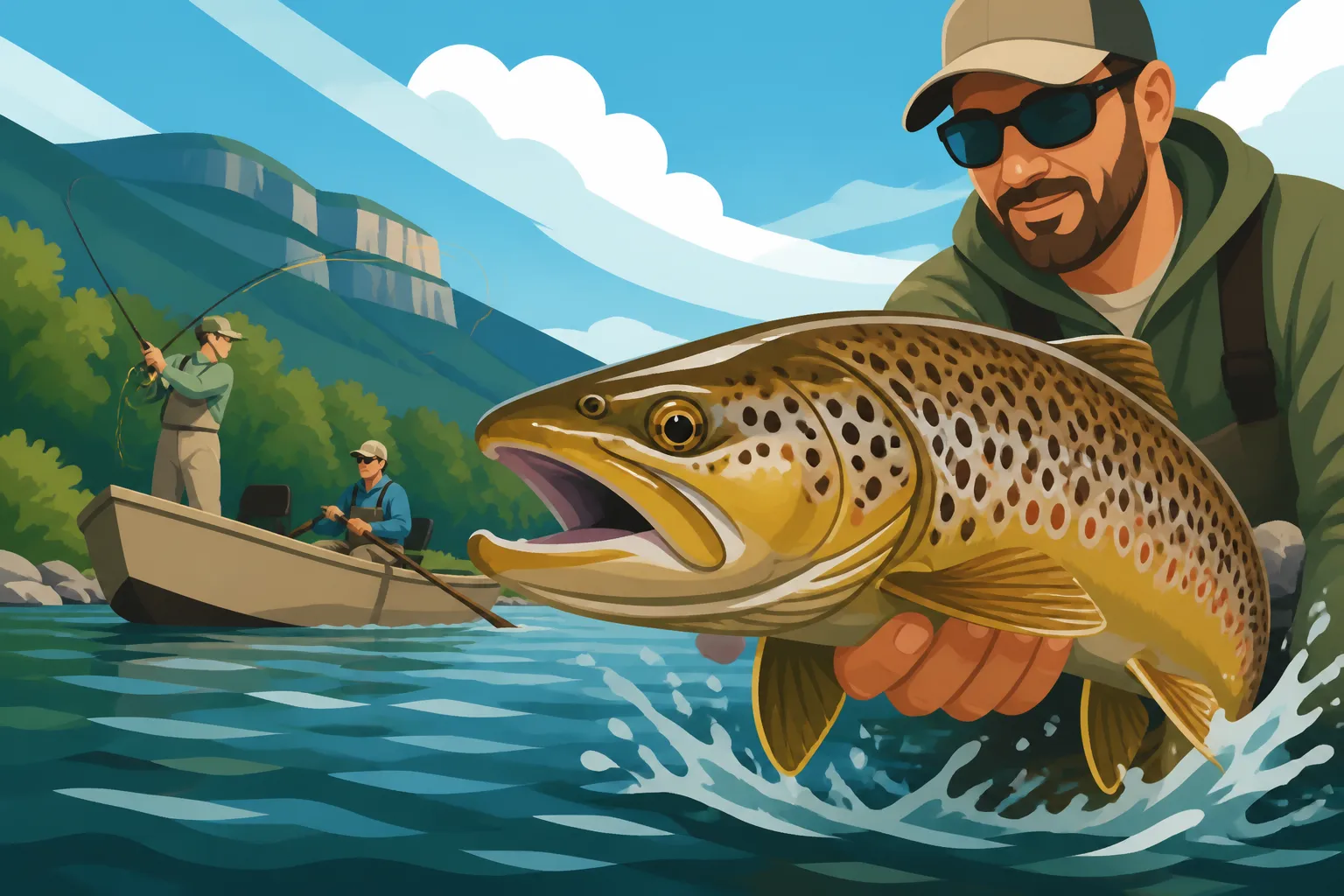
Catching a genuinely big brown trout in Arkansas can feel like chasing a ghost. These fish are notoriously wily, often holding in tricky spots, and they don't get large by being easy to fool. If you've spent countless hours casting without that one truly memorable encounter, you're not alone. This guide is all about how guided trips, specifically those focused on trophy brown trout, can dramatically increase your chances of landing that fish of a lifetime on Arkansas's famous rivers.
Why a Guide is Essential for Targeting Big Brown Trout
Let's be real, a good fishing guide is more than just someone who drives the boat. When it comes to chasing big brown trout, especially in waters as complex as the White River or the Little Red, a guide becomes your secret weapon, your interpreter of the river's moods, and your personal strategist. Trying to tackle these waters and these fish on your own, particularly if you're not a local, can be an exercise in frustration. You might catch fish, sure, but that truly massive brown? That often requires an insider's edge.
The Elusive Nature of Trophy Brown Trout
Trophy brown trout are not your average stocker rainbows. They are survivors, often growing to impressive sizes by being incredibly cautious and highly selective. They've seen every fly, every lure, and every trick in the book. They prefer to hold in deep, oxygenated pockets, under cut banks, or near submerged structure, places that offer both ambush points and escape routes. You'll rarely find them just hanging out in plain sight, waiting for a novice angler to cast a flashy spoon at them.
What makes them so hard to catch is their intelligence and their predatory instincts. They're often solitary, territorial, and have a finely tuned sense of their environment. Unlike some other species that might hit anything moving, big browns are opportunistic feeders that demand precision, the right presentation, and often, an understanding of their current feeding patterns. They might feed heavily on sculpins one day, then switch entirely to midges the next, depending on the generation schedule and insect hatches. It's a constant puzzle, and if you don't have the pieces, you're just throwing darts in the dark. This is where the guide's intimate knowledge of the river's pulse becomes invaluable.
Unlocking Local Knowledge and Expertise
A seasoned guide who specializes in big brown trout has spent thousands of hours on the water. They've watched these rivers through every season, every water level, and every weather condition imaginable. This isn't knowledge you can get from a quick Google search or a few hours on the water. It's built on years of experience, observation, and, let's be honest, a lot of trial and error. They know where the fish should be holding based on water flow, temperature, and time of year. They know the subtle currents that betray a productive lie.
For instance, on the White River Below Bull Shoals Dam, famous for its brown trout, the water flow dictated by the dam's generation schedule dramatically changes the fishing. What worked during low water won't work during high water. A good guide knows how to read the water and adapt on the fly, putting you in the best position. They understand that a slight change in the retrieve of a streamer or a tiny adjustment to a nymph rig can be the difference between a blank day and hooking into that monster you've been dreaming of. They have their secret spots, their go-to flies and lures that they've proven effective over time, and they'll get you into those spots safely and efficiently. If you want to know Where to Catch Brown Trout in Arkansas, a local guide is your absolute best bet.
What to Look for in a Big Brown Trout Guide
When you're shelling out for a guided trip with the specific goal of a trophy brown trout, you don't just want any guide. You want the guide. This isn't the time to pick someone based solely on the cheapest price. This is about finding a specialist, someone whose passion aligns with your goal, and who has a proven track record of helping anglers land those elusive giants.
Experience and Specialization
The single most important factor is experience, specifically experience targeting large brown trout. A guide who primarily focuses on catching numbers of rainbow trout with bait might not have the nuanced approach needed for a selective, wary brown. Ask potential guides about their success with brown trout. Have they guided clients to fish exceeding 20 inches? 25 inches? What are their preferred methods for targeting these bigger fish? Don't be shy about asking for references or looking at their recent catch photos.
Some guides on the White River, for example, have built their entire reputation around chasing these monsters. They understand the patterns, the specific structure, and the subtle cues that indicate a big brown might be nearby. They also understand that this kind of fishing often means fewer fish, but potentially much larger ones. They are patient, persistent, and understand the grind that can sometimes accompany trophy hunting. This specialization is crucial because the techniques and locations for a big brown are often different from those for a limit of smaller rainbows. You'll want a guide who is genuinely excited about the chase for a Trophy Brown Trout Records on the White River.
The Right Equipment and Techniques
Chasing big brown trout often requires specialized gear and a diverse set of techniques. A top-notch guide will come prepared with everything you need, from heavy-duty fly rods for throwing large streamers to spin fishing setups capable of handling big baits and powerful runs. They'll have a wide array of flies, lures, and baits that are known to entice larger fish. For fly anglers, this might mean an arsenal of articulated streamers, heavy nymphs, or even dry flies for specific hatches if conditions are right. For spin anglers, it could be a selection of jerkbaits, swimbaits, or various soft plastics rigged for deep water.
Furthermore, a great guide will be proficient in multiple techniques and know when to switch between them. They might start the day with streamer fishing, move to deep nymphing, and then switch to throwing big Rapalas or stick baits as water levels change. They're not stuck on one method; they adapt to what the fish are telling them. They will also instruct you on proper casting, retrieving, and fighting techniques specific to big trout, ensuring you have the best chance of landing that fish. They'll know if Is Brown Trout Harder to Catch Than Rainbow Trout?, and how to adjust.
Here's a quick comparison of what you might expect from a general trout guide versus a brown trout specialist:
| Feature | General Trout Guide | Brown Trout Specialist |
|---|---|---|
| Primary Goal | Catching numbers of trout (often rainbows) | Targeting larger, fewer, more elusive brown trout |
| Typical Techniques | Nymphing, indicator fishing, small spinners, bait | Large streamers, heavy nymphs, big jerkbaits, swimbaits |
| Gear Provided | Standard trout rods, lighter lines, basic tackle | Heavier rods, stronger leaders, specialized lures/flies |
| Patience Level | Often focused on constant action | High patience, comfortable with slower fishing for quality |
| Water Knowledge | Good general knowledge of fish-holding areas | Intimate knowledge of specific trophy brown lies |
| Boat Setup | Comfortable for general fishing, perhaps smaller | Often larger, more stable boats for covering water effectively |
| Approach | More prescriptive, less adaptable | Highly adaptive to changing conditions and fish behavior |
Planning Your Trophy Brown Trout Trip
So you've decided a guided trip is the way to go for that trophy brown. Great choice! Now comes the planning. A little foresight and clear communication can make all the difference in ensuring your trip is everything you hope for. Don't just show up and expect magic; be proactive in planning.
Best Seasons and Water Conditions
Timing is absolutely critical when targeting big brown trout. While you can catch browns year-round, certain seasons and water conditions are historically more productive for truly large specimens. Many anglers swear by the cooler months – late fall, winter, and early spring – as prime time. During these periods, brown trout are often more active, less pressured, and sometimes more aggressive, especially during their spawning season in the fall. Winter, in particular, can be fantastic if you don't mind the cold, as many of the larger fish are more willing to move and feed. The Best Time of Year to Book a White River Trip for big browns often falls outside the peak tourist seasons.
Water levels, largely dictated by dam generation schedules on rivers like the White, also play a huge role. Some guides prefer specific flows for certain techniques. Low water can concentrate fish in predictable runs, while higher water can spread them out but also encourage them to move into areas inaccessible during lower flows. A good guide will be monitoring these conditions constantly and can advise you on the optimal windows for your trip. This pre-trip discussion about timing and expectations is key.
Booking and Communication Tips
When you're ready to book, start by doing your homework. Look for guides or outfitters with strong reputations for brown trout. Websites like FishingBooker can be a great resource to browse guides, read reviews, and see what types of trips they offer. Filter your search for guides specializing in brown trout or "trophy trout" trips in areas like the White River or Little Red River. Pay attention to what past clients say about the guide's knowledge of the river, their patience, and their ability to put clients on quality fish.
Once you've identified a few potential guides, reach out and communicate your specific goal: catching a big brown trout. Be upfront about your experience level and what you hope to achieve. Ask detailed questions:
- "What's your typical approach for targeting trophy browns?"
- "What kind of equipment do you provide?"
- "What's your philosophy on catch and release, especially for big fish?"
- "What's included in the price – gear, lunch, drinks, flies/lures?" (You can learn more about general expectations for Arkansas Fishing Guide Costs: What to Expect).
A quality guide will be happy to answer these questions and set realistic expectations. They'll also tell you if a Half-Day White River Trout Trips in Arkansas is sufficient for your goals or if a full day would be better. Don't hesitate to confirm details about the fishing license (you'll definitely need one, even with a guide – check out Arkansas Fishing License Requirements for Guided Trips), what to wear, and anything else you should What to Bring on a Guided Arkansas Fishing Trip. Clear communication beforehand prevents surprises and helps the guide tailor the experience to you.
Maximizing Your Chances on the Water
Once you're on the boat with your guide, the real work (and fun!) begins. Your guide is the expert, but your role as the angler is equally important. Collaboration, trust, and a willingness to learn are what will truly maximize your chances of success.
Listen to Your Guide and Stay Flexible
This might sound obvious, but it's crucial. Your guide isn't just pointing out where to cast; they're reading the water, the current, the subtle movements of fish, and reacting to changing conditions. They'll tell you how to cast, where to land your fly or lure, how deep to go, and at what speed to retrieve. It might not always feel natural, especially if you're used to fishing a certain way, but trust their judgment. They are making real-time decisions based on years of experience.
Be prepared for the fishing to be challenging. Hunting trophy brown trout isn't always about constant action. There might be long stretches of quiet punctuated by intense moments. Stay focused, pay attention, and execute the instructions precisely. Sometimes, a guide might suggest a technique or location you hadn't considered. Be open to trying new things. Perhaps the planned spot isn't producing, and they want to move to an entirely different stretch of river or switch from fly fishing to spin fishing. Flexibility is key; the fish don't always cooperate with our plans. Remember, they have spent countless hours mastering Fly-Fishing Guide Trips on the White River in Arkansas and other techniques.
Practice Catch and Release Ethically
For those truly large brown trout, ethical catch and release isn't just a recommendation; it's often a necessity for preserving these incredible fisheries and ensuring others have the chance to experience the same thrill. A trophy brown trout has likely spawned many times, contributing significantly to the population. Taking a large, mature fish out of the system can have a real impact.
Your guide will undoubtedly emphasize proper handling techniques, which include:
- Minimize Fight Time: Land the fish as quickly as possible without over-stressing it.
- Wet Hands: Always wet your hands before touching the fish to protect its slime coat.
- Keep it in the Water: Try to keep the fish in the water as much as possible, especially during photos. If you must lift it, support its full weight horizontally.
- Remove Hooks Gently: Use pliers or hemostats to quickly and carefully remove hooks. Barbless hooks make this much easier.
- Revive Thoughtfully: Hold the fish gently facing into the current until it's strong enough to swim away on its own. Don't just toss it back.
Discuss the guide's specific Catch-and-Release Rules on Guided White River Trips beforehand. Most guides who specialize in trophy browns are passionate about conservation and will ensure the fish is released safely to fight another day. After all, the goal is the experience of catching a magnificent fish, not necessarily putting it on the dinner table (though smaller, wild brown trout can be excellent eating).
This entire journey, from researching and booking your trip on platforms like FishingBooker to the moment that big brown finally takes your offering, is an adventure. With the right guide and the right mindset, your chances of a truly memorable encounter with one of Arkansas's most challenging and rewarding fish species will skyrocket.
Disclaimer
This article is for general informational purposes only and does not constitute professional advice. Laws, prices and regulations vary by location and change over time. Consult a qualified professional for guidance on your specific situation.