Guided Trips for Ice-Out Fishing on Arkansas Lakes
The transition from winter's chill to the first hints of spring can be a tricky time for anglers in Arkansas. Many folks find themselves scratching their heads, wondering how to best approach our beautiful lakes when the ice finally breaks up and recedes. This guide will walk you through the unique opportunities of ice-out fishing on Arkansas lakes and explain why a guided trip can be your secret weapon to a successful and memorable early-season adventure.
Understanding the Magic of Ice-Out Fishing on Arkansas Lakes
When the last remnants of winter's ice finally melt away from the surface of Arkansas's larger lakes, a special window of opportunity opens for anglers. This period, often referred to as "ice-out," marks a significant shift in the underwater world, creating prime conditions for targeting hungry fish. It's a time of transition, and understanding these changes is key to success.
What Exactly is "Ice-Out" and Why Does it Matter?
"Ice-out" is precisely what it sounds like: the time when the ice cover on a lake completely melts or breaks up, leaving open water. For many of our northern Arkansas lakes, especially those in higher elevations or with deeper, colder waters, ice cover can be a significant factor during the coldest months. When that ice finally disappears, it kickstarts a chain reaction in the lake's ecosystem that directly impacts fish behavior.
Firstly, the melting ice introduces colder, denser water to the surface, which then sinks and pushes warmer, nutrient-rich water upwards in a process known as spring turnover. This turnover replenishes oxygen levels throughout the water column and redistributes vital nutrients, essentially "waking up" the lake from its winter dormancy. Fish, which have been relatively lethargic and confined to deeper, stable thermal zones under the ice, begin to respond to these changes.
As the shallow waters warm up first, often just a few degrees, baitfish and invertebrates become more active. This slight increase in water temperature and renewed food source draws game fish out of their deep winter haunts. They move towards these warmer, shallower areas, particularly sunny coves, dark-bottomed bays, and main lake points that absorb heat quickly. It's a crucial pre-spawn period for many species, and they're looking to feed heavily to build up energy. For anglers who can time it right, and know where to look, it can lead to some truly incredible fishing.
Some of the larger Corps of Engineers lakes like Beaver Lake, Bull Shoals Lake, Norfork Lake, and Greers Ferry Lake are prime candidates for ice-out conditions, though the exact timing will vary year to year and even across different sections of the same lake. Even smaller, shallower impoundments can offer fantastic ice-out opportunities, albeit often a bit earlier in the spring.
Prime Species to Target During This Early Spring Window
During the ice-out period, several popular game fish species in Arkansas become particularly active and accessible. Knowing which species to target, and where they'll likely be, can make all the difference.
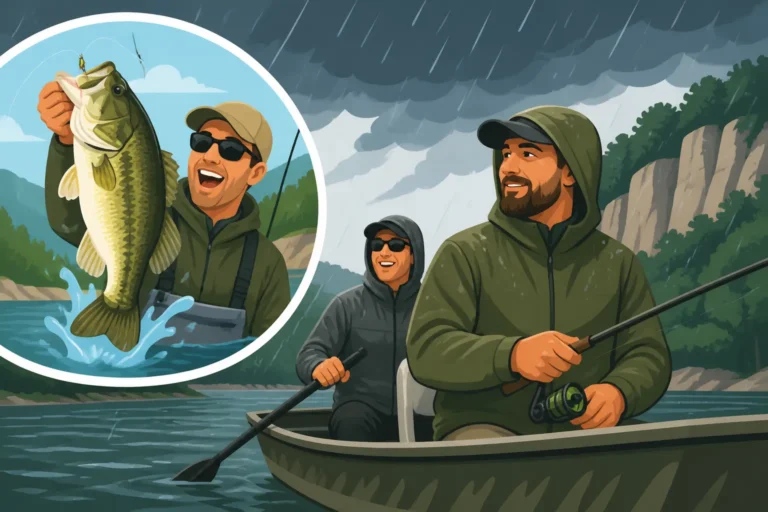
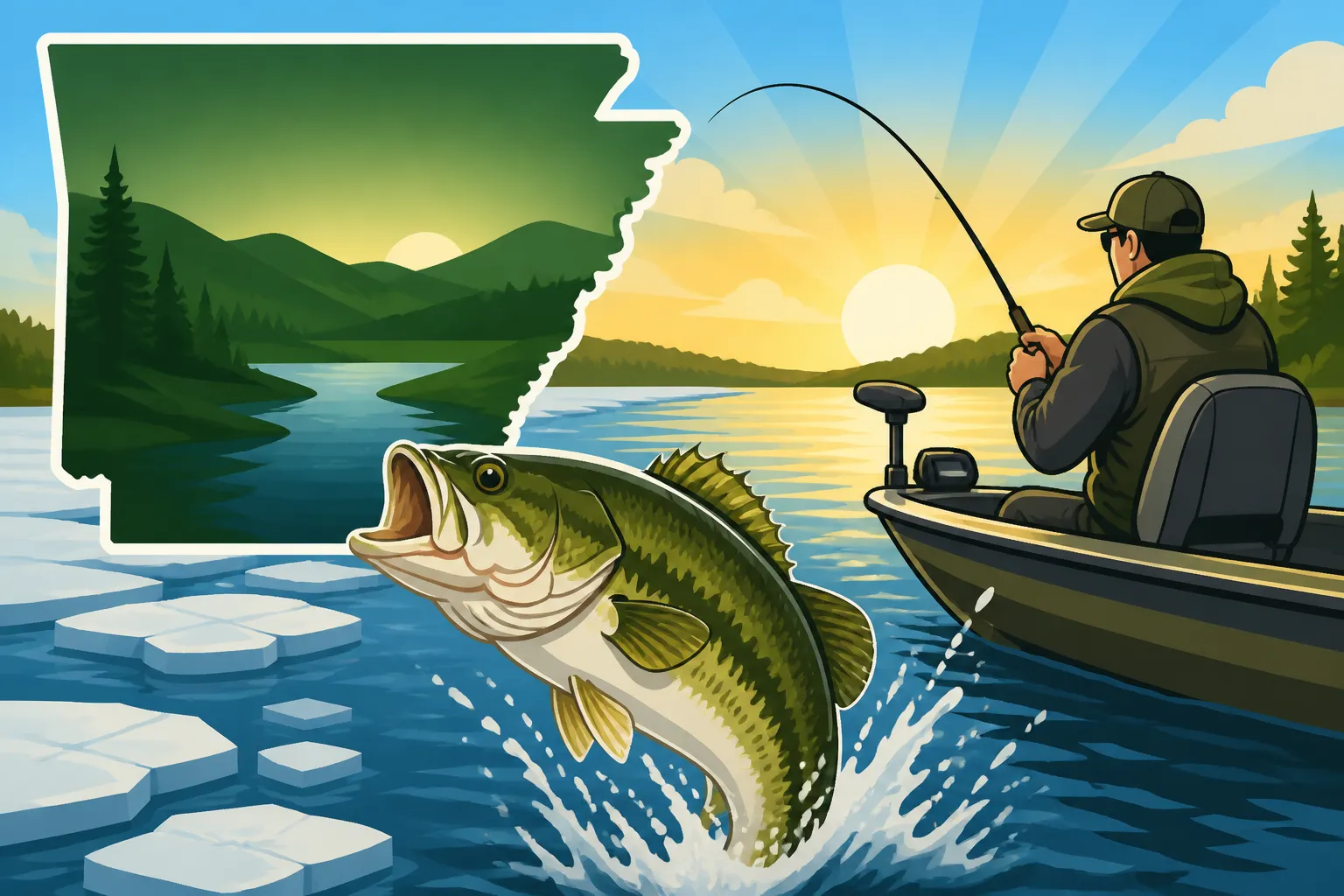
- Bass (Largemouth and Smallmouth): This is perhaps the most sought-after species during ice-out. Both largemouth and smallmouth bass shake off their winter sluggishness and begin to stage for their upcoming spawn. They'll often move from deep main lake structures to shallower points, channel swings, and coves where the water is slightly warmer. They're usually hungry and aggressive, making them vulnerable to a variety of presentations. You might find them suspended over deep water adjacent to shallow flats, or tucked into rocky crevices in search of warmth and prey. For more on these beauties, check out Bass Fishing in Arkansas: Largemouth, Smallmouth, and Kentucky Bass Explained.
- Crappie (Black and White): Crappie are another fantastic target during ice-out. Like bass, they're transitioning into their pre-spawn patterns, moving in from deeper water and congregating in dense schools around brush piles, submerged timber, and creek channels that lead to shallow spawning flats. They're often feeding voraciously, making them a blast to catch in numbers. Learning How to Catch Crappie in Cold Water can be very beneficial during this time.
- Walleye: While not as widespread as bass or crappie, walleye can offer incredible ice-out opportunities on lakes like Greers Ferry. Walleye are early spawners, and they'll move into shallower, rocky areas or up tributary streams to lay their eggs as soon as conditions are right. This can make them highly catchable, especially during low light conditions or at night.
- Trout: While the famous tailwater trout fisheries like the White River are less affected by lake ice-out directly (they're fed by deep, cold water from the dams), a few of our lakes do hold trout populations that can become active after the ice recedes. However, the primary focus for most lake ice-out trips will be on the warm-water species mentioned above. For dedicated trout fishing, a guide specializing in our renowned tailwaters, as discussed in White River Fishing Guides: Arkansas's Trout Fishing Capital, might be a better choice.
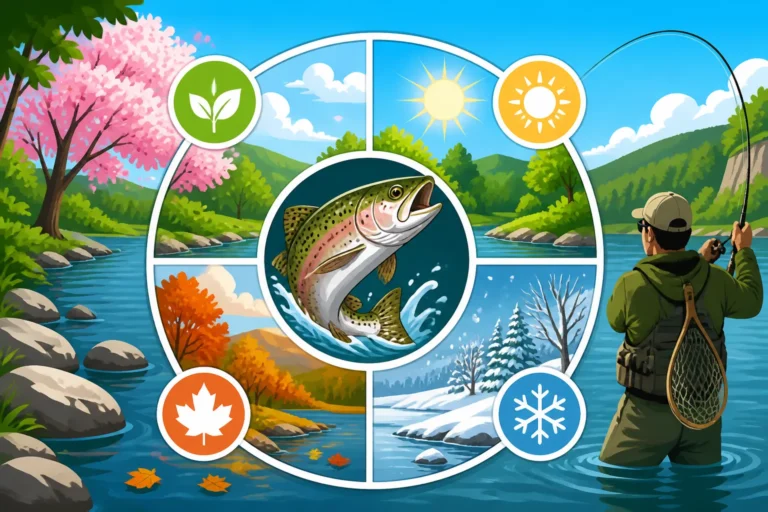
The key across all these species is that they are often more concentrated and actively feeding after the lean winter months. This makes the ice-out period one of the best times of year to target them, especially if you have the right local knowledge on your side. For a broader look at annual fishing opportunities, see Arkansas Fishing Seasons Guide and Best Time of Year to Fish in Arkansas.
The Unbeatable Advantage of a Guided Ice-Out Fishing Trip
You might be an experienced angler, but navigating the nuances of ice-out conditions on a large Arkansas lake is a whole different ballgame. This is where a professional fishing guide becomes an invaluable asset, transforming a potentially frustrating day into a highly successful one.
Local Knowledge is Gold When Conditions are Changing
Let's be real: trying to figure out where the fish are hiding right after ice-out can feel like looking for a needle in a haystack. The lake has just undergone a massive environmental shift. Water temperatures can vary wildly from one cove to the next. One main lake point might be teeming with bass, while another, just a quarter-mile away, is completely barren. These are the frustrations that can quickly turn a hopeful fishing trip into a disappointing boat ride.
A local guide, however, lives and breathes these waters. They've spent countless hours observing the lake's patterns through every season, including numerous ice-out periods. They know exactly which coves shed their ice first, where the sun hits just right to create those crucial few degrees of warmth, and which submerged structures consistently hold pre-spawn fish year after year. They understand the subtle cues – the presence of baitfish, the exact current breaks, the depth where fish are suspending – that escape the casual angler.
Furthermore, guides are often privy to real-time information, whether it's from fellow guides, local bait shops, or their own recent scouting trips. They know how recent weather fronts, rainfall, or even hydroelectric generation schedules from the dams can impact fish location and behavior. This hyper-local, up-to-the-minute knowledge means you're not just fishing a spot; you're fishing the best spot for the current conditions. They'll also know which specific lures and presentations are producing results, saving you valuable time experimenting.
Equipment, Safety, and Maximizing Your Time on the Water
Beyond knowing where the fish are, a guided trip offers significant practical advantages, especially during the challenging ice-out period.
First off, consider the specialized equipment. Professional guides are equipped with top-of-the-line boats, often specifically rigged for the type of fishing you'll be doing. Their electronics (high-definition sonar, side imaging, GPS mapping) are far more advanced than what most recreational anglers own, allowing them to pinpoint fish and structure with incredible precision in often murky or cold waters. They also provide all the necessary rods, reels, and tackle, which are often specifically chosen for cold water conditions and finicky fish. You don't have to worry about bringing your own gear or guessing what bait to use – the guide has it covered.
Safety is another paramount concern during ice-out. While the ice is gone, the water itself is still very cold, posing a significant hypothermia risk if an accident occurs. Professional guides are trained in water safety, carry all required safety gear, and are skilled at navigating potentially tricky waters (like areas with submerged timber that were once covered by ice). They are often licensed and insured, providing an extra layer of peace of mind.
Perhaps one of the biggest benefits is maximizing your time on the water. Instead of spending hours motoring around, trying to read a map, or attempting to locate fish on your own sonar, you're immediately taken to productive areas. Every minute of your trip is focused on fishing, not searching. This efficiency is crucial when conditions can change rapidly and the biting window might be short. You learn effective techniques, understand fish patterns, and often catch more fish, making the investment in a guide well worth it. Plus, you get to just relax and enjoy the fishing, leaving all the logistical headaches to someone else.
What to Expect When You Book an Ice-Out Guide in Arkansas
Booking a guided trip for ice-out fishing in Arkansas is an exciting prospect! Knowing what to expect can help you prepare and make the most of your adventure on the water.
A Typical Day on the Water with Your Guide
Your guided ice-out fishing trip will usually begin bright and early, often at a pre-arranged meeting point like a boat ramp or marina. Your guide will likely greet you with a handshake and a quick overview of the day's plan. This might include a discussion about the target species, the current lake conditions, and the specific areas you'll be fishing.
Once on the boat, your guide will typically provide all the fishing gear – rods, reels, and a selection of baits and lures tailored to the current conditions and the fish you're pursuing. They'll demonstrate proper techniques, casting, and retrieval methods. During the ice-out period, the strategy often revolves around finding those slightly warmer pockets of water. You might spend time working main lake points, where fish are staging before moving to shallower spawning areas, or exploring creek channels and sun-drenched coves with brush piles or submerged timber. Expect to move around a bit as the guide uses their electronics and experience to locate active fish.
Be prepared for the unpredictable nature of early spring weather in Arkansas. One moment it could be calm and sunny, the next a brisk wind might pick up, or a quick shower could roll through. Dressing in layers is absolutely crucial (more on that below!). Many guides will pack a cooler with water and perhaps offer some light snacks, but it's always a good idea to bring your own personal refreshments.
Throughout the day, your guide will be actively teaching, sharing insights into fish behavior, and explaining why they're making certain decisions about location or technique. It's an incredible learning experience, whether you're a seasoned angler or a beginner. At the end of the trip, they'll usually help with fish handling, including filleting your keepers if that's something you're interested in and local regulations allow.
Essential Gear to Bring (and What the Guide Provides)
While your guide will handle most of the fishing equipment, there are a few essential items you should bring to ensure your comfort and enjoyment during an ice-out trip.
| Item | Angler Brings | Guide Typically Provides | Notes |
|---|---|---|---|
| Clothing | Layered, waterproof/windproof outer shell, warm hat, gloves, wool/fleece layers | (N/A) | Essential for fluctuating early spring temperatures and cold water. |
| Footwear | Waterproof boots or sturdy, non-slip shoes | (N/A) | Deck of a boat can be wet and slippery. |
| Sun Protection | Sunglasses (polarized are best), sunscreen, wide-brimmed hat | (N/A) | Sun reflection off water can be intense, even on cloudy days. |
| Food & Drink | Snacks, water, non-alcoholic beverages | Cooler with ice, sometimes bottled water/light snacks | Always wise to bring what you like to have on hand. |
| Personal Items | Camera, any necessary medications, small backpack | (N/A) | For capturing memories and personal comfort. |
| Fishing Gear | (Optional: favorite rod/reel, if cleared with guide) | Rods, reels, line, lures, bait, tackle box, landing net | Your guide will have everything you need, often specialized for the conditions. |
| Safety Gear | (N/A) | Life jackets (required for all aboard), first-aid kit, emergency tools | Guides are mandated to carry appropriate safety equipment. |
| Fish Handling | Cooler for your catch (left in vehicle until end of trip) | Tools for unhooking, measuring, sometimes filleting | Ensure you have a cooler to transport your fish home. |
| License/Permits | Arkansas Fishing License (and Trout Permit if applicable) | (N/A) | This is absolutely mandatory and your personal responsibility. |
Remember, communication is key. If you have any questions about what to bring or what to expect, don't hesitate to ask your guide when you book your trip.
Navigating Licensing and Regulations with a Guide
Even though you're on a guided trip, understanding and adhering to Arkansas's fishing license requirements and regulations is your personal responsibility. Your guide is there to help you find fish and ensure a safe trip, but they are not responsible for obtaining your license or verifying your compliance.
Before your trip, you must purchase a valid Arkansas fishing license. The type of license you need will depend on whether you are an Arkansas resident or a nonresident. For a full breakdown of costs and rules, please refer to Arkansas Fishing License Rules and Costs. If you plan on keeping trout in designated trout waters (even on a lake, if a tailwater feeds it, or specific regulations apply), you will also need an Arkansas Trout Permit Rules. Many of our major lakes don't require a trout permit unless you are in a specific cold-water area below a dam, but it's always best to confirm if you plan on targeting them.
Your guide will, however, be an expert on the current Arkansas Fish Size and Daily Limits for the species you're targeting on that particular lake. They will ensure that any fish you catch and keep are within legal limits, helping you avoid accidental violations. They'll also be knowledgeable about any specific lake exceptions or special regulations that apply to your fishing location. If you have children with you, remember to check Do Kids Need a Fishing License in Arkansas? to determine if they need their own license.
Finding and Booking Your Ideal Arkansas Ice-Out Fishing Guide
Finding the right guide is like finding the right partner for any adventure – you want someone knowledgeable, experienced, and enjoyable to be around. For ice-out fishing in Arkansas, choosing a guide with specific expertise in this challenging season can make all the difference.
Where to Search for Reputable Guides
The good news is that Arkansas is brimming with excellent fishing guides, especially in areas surrounding our major lakes and rivers. Here are some of the best ways to find a reputable guide for your ice-out adventure:
- Online Booking Platforms: Websites like FishingBooker are fantastic resources. They allow you to search for guides by location (e.g., "Arkansas lakes," "Bull Shoals Lake"), target species, and even specific types of trips, like ice-out or early spring fishing. You can read reviews from previous clients, compare prices, and see what's included, making the booking process incredibly transparent. Many guides list their specialties and experience on these platforms.
- Local Bait Shops and Marinas: These are often community hubs for anglers. The folks working there usually know all the best local guides and can offer personal recommendations. It's a great way to get a feel for a guide's reputation and specialty.
- Word-of-Mouth: Ask fellow anglers, friends, or local fishing club members. A personal recommendation can be gold, especially for a specific time of year like ice-out.
- Fishing Forums and Social Media Groups: Online communities dedicated to Arkansas fishing are often lively and full of helpful advice. You can post a query asking for ice-out guide recommendations for specific lakes, and you'll likely get several suggestions and firsthand accounts.
- Lake-Specific Guide Services: Many of the larger lakes, such as Bull Shoals, Norfork, and Greers Ferry, have dedicated guide services that specialize in those particular bodies of water. For example, if you're interested in fishing Bull Shoals or Norfork, you might start by looking at Bull Shoals and Norfork Lake Fishing Guides in Arkansas for guides who specifically target those lakes.
Key Questions to Ask Before You Book
Once you've narrowed down a few potential guides, it's crucial to ask some specific questions before committing. This ensures you're getting the right experience for your needs, especially during a unique season like ice-out.
- "Do you have experience guiding during ice-out conditions on [specific lake]?" This is paramount. Ice-out fishing is different from mid-summer or fall fishing. You want a guide who is not only familiar with the lake but also understands the specific patterns and challenges of this early spring window.
- "What species do you typically target during ice-out, and what are your success rates?" While you might have a preference, a good guide will tell you what's most realistic and productive given the current conditions.
- "What is included in the price?" Clarify what's covered. Does it include bait, tackle, fuel, fish cleaning, and non-alcoholic beverages? Sometimes gratuity is included, but often it's not (more on tipping below).
- "What is your cancellation policy, especially for weather?" Early spring weather can be highly unpredictable. Understand their policy if the weather turns dangerous or unfishable. A reputable guide will always prioritize safety and have a clear refund or rescheduling policy.
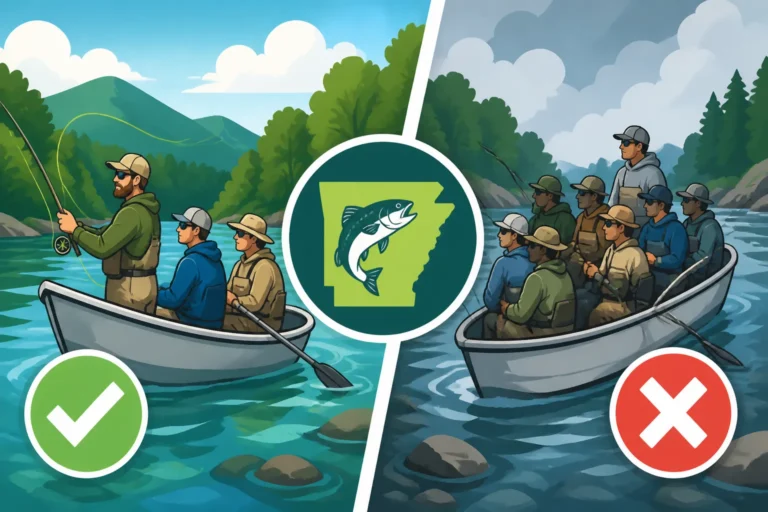
- "How many anglers can you accommodate on your boat?" If you're planning a trip with friends or family, ensure the boat can comfortably hold your group.
- "Can you provide any references or direct me to online reviews?" While platforms like FishingBooker make this easy, it's always good to ask.
- "Do I need to bring my own fishing license?" (The answer is always yes, but it's a good way to confirm you're on the same page regarding personal responsibilities).
Asking these questions, as detailed further in How to Book a Fishing Guide in Arkansas, will help you select a professional who meets your expectations and can deliver an exceptional ice-out fishing experience.
Making the Most of Your Guided Ice-Out Experience
You've done your research, booked your guide, and the day has arrived. Now, how do you ensure you have the best possible ice-out fishing experience?
- Be Open to Learning: One of the biggest advantages of a guided trip is the opportunity to learn. Listen to your guide, ask questions, and be receptive to their advice on techniques, retrieve speeds, and lure choices. Even if you're an experienced angler, there's always something new to learn from a local expert, especially during a unique seasonal pattern like ice-out.
- Communicate Your Goals: Do you want to catch a lot of fish, or are you hoping for one trophy-sized bass? Are you interested in learning new techniques, or just relaxing and enjoying the day? Communicate your expectations to your guide at the beginning of the trip. This helps them tailor the experience to your preferences.
- Dress for Success: As mentioned earlier, layers are critical. Even if the forecast looks mild, early morning temperatures on the water can be frigid, and a cold wind can pick up quickly. Being comfortable means you can focus on fishing, not shivering. Consult What to Bring on a Guided Arkansas Fishing Trip for a more comprehensive packing list.
- Tip Appropriately: While not mandatory, tipping your guide is a customary way to show appreciation for their hard work, expertise, and dedication. A typical tip for a good day on the water ranges from 15-20% of the trip cost, depending on your satisfaction. Your guide spends countless hours preparing, scouting, and maintaining equipment, so a generous tip is always appreciated. Learn more about expectations in Tipping Your Fishing Guide in Arkansas.
- Be Patient and Enjoy the Scenery: Ice-out fishing can be incredibly rewarding, but like all fishing, it requires patience. Some days the fish bite like crazy, others are slower. Enjoy the beautiful Arkansas scenery, the crisp air, and the unique experience of being on the water as the lake awakens from winter.
By following these tips, you're not just booking a fishing trip; you're investing in an educational adventure that can enhance your skills and provide unforgettable memories on Arkansas's stunning lakes during the special ice-out season.
Disclaimer
This article is for general informational purposes only and does not constitute professional advice. Laws, prices and regulations vary by location and change over time. Consult a qualified professional for guidance on your specific situation.