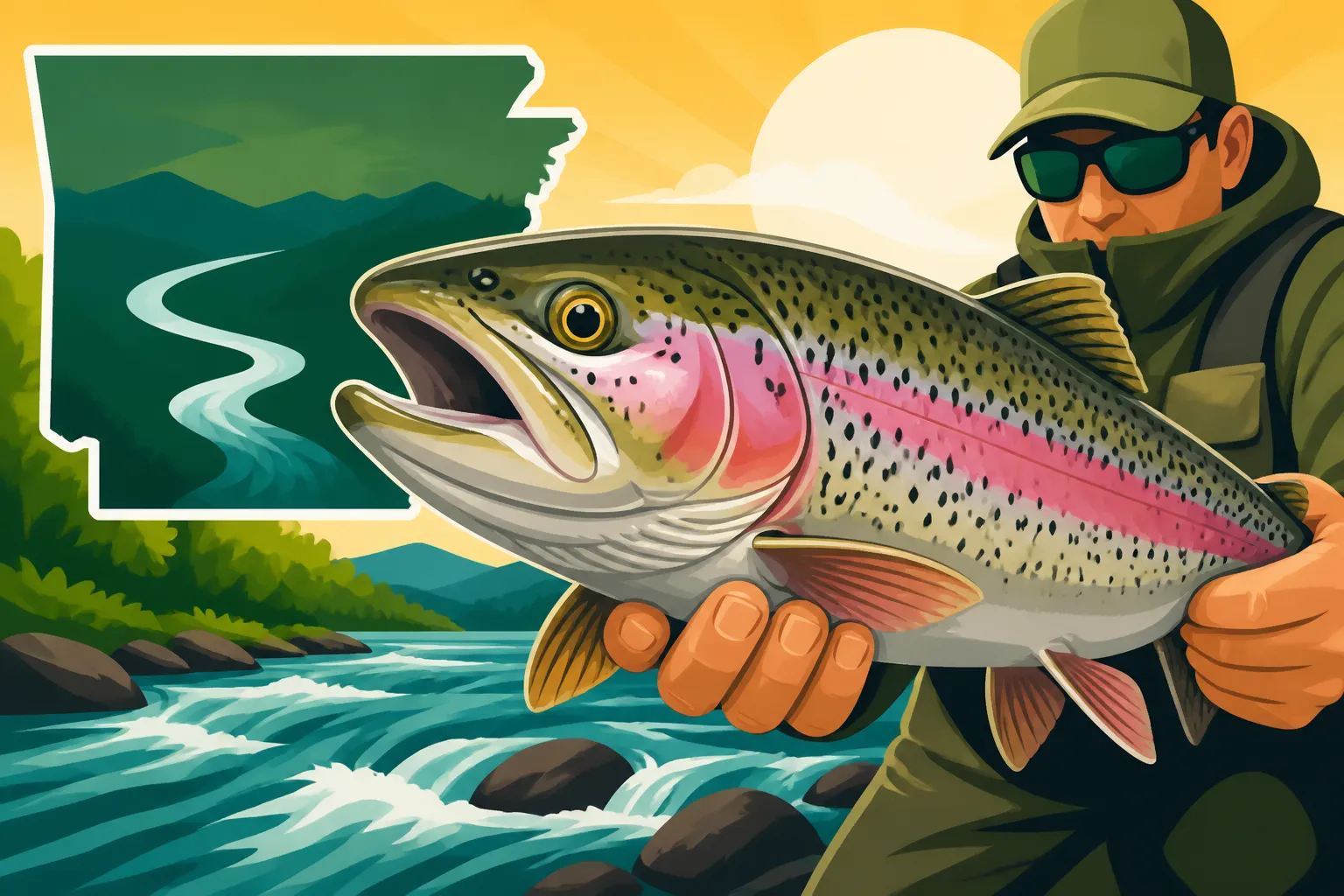
Rainbow Trout Size Records on the White River
There's nothing quite like the rush of a big rainbow trout stripping line off your reel, especially when you're fishing the legendary White River here in Arkansas. Many anglers dream of not just catching a beautiful fish, but one that pushes the tape measure or even the scales into truly memorable territory. It's easy to get caught up in the tales of massive rainbows pulled from these waters, and you might find yourself wondering just how big they really get, and what it takes to land one that could be considered a record-breaker. This guide is all about setting realistic expectations, understanding the factors that contribute to these magnificent fish, and giving you the lowdown on what to expect when you're chasing those monster rainbow trout on the White River.
The White River's Exceptional Environment for Monster Rainbow Trout
The White River isn't just a trout stream; it's a world-renowned trout fishery, particularly famous for its incredible rainbow trout. This isn't by accident. A combination of geological history, human engineering, and diligent fisheries management has created an almost perfect habitat for these cold-water beauties, allowing them to grow to sizes that many other rivers simply can't sustain.
Consistent Cold Water Flow
The lifeblood of the White River's trout fishery flows directly from the bottom of Bull Shoals Dam. When water is released from the dam, it comes from deep within the reservoir, maintaining consistently cold temperatures year-round. This frigid, oxygen-rich water is exactly what rainbow trout need to thrive. Unlike natural rivers that might warm up too much in the summer or freeze over in winter, the White River tailwater maintains a stable, optimal temperature range that promotes healthy growth and activity for trout throughout all seasons. This stable environment means less stress for the fish and more consistent feeding opportunities, translating directly into bigger, stronger trout. You can learn more about specific regulations in our guide to Trout Fishing Below Bull Shoals Dam on the White River.
Abundant and Diverse Food Sources
What's a healthy fish without a plentiful pantry? The White River boasts an incredibly rich ecosystem that serves up a smorgasbord for growing trout. Its gravel and rock bottoms are teeming with aquatic insect larvae – think caddis, midges, and mayflies – that are a staple for trout of all sizes. But it's not just tiny bugs; the river also supports a healthy population of sculpins, smaller baitfish, and even occasional crayfish, all of which provide high-protein meals for larger, predatory rainbows. This constant, varied food supply allows trout to pack on weight rapidly. When there's no shortage of food, and the water conditions are perfect, fish simply grow bigger and faster.
Understanding Arkansas State Records for Rainbow Trout
The idea of catching a state-record fish is thrilling, a true "bucket list" item for any dedicated angler. While most of us will spend our lives chasing personal bests, it's fascinating to understand what goes into holding an official state record for rainbow trout in Arkansas.
What Qualifies as a State Record Fish
Achieving a state record is a rigorous process. It's not just about catching a huge fish; it's about proper documentation and verification. Typically, a fish must be caught legally, weighed on a certified scale, and measured for length and girth. There often needs to be a witness, and the species must be positively identified by a fisheries biologist. Every state has slightly different rules, but the core idea is to ensure that the record is legitimate and accurately recorded. While I can't give you the exact current record weight (it changes!), you can imagine it's a truly monstrous fish, likely a well-fed, old warrior that has seen many seasons on the White River. Most anglers on the White River are simply looking for a trophy to photograph and release, or perhaps to keep for a meal within daily limits, but knowing the records pushes us all to dream a little bigger.
Chasing a True Trophy Fish
If you're seriously aiming for a truly massive rainbow trout – one that might even contend with the state's storied records – it takes a different mindset and approach than casual angling. You're often targeting fewer, larger fish, which means patience is paramount. Anglers pursuing these leviathans might spend countless hours honing specific techniques, studying water flows, and understanding the precise feeding patterns of the biggest trout. This often involves using larger baits, specialized flies, or carefully presented lures designed to entice a dominant fish.
When it comes to gear, you'll want to invest in reliable, robust equipment. This means a rod with enough backbone to handle a powerful fight, a reel with a smooth, strong drag, and quality fishing line. Many serious trophy hunters scour sites like Amazon for high-quality fishing scales that are accurate and easy to use, along with sturdy nets and proper release tools to ensure the fish's safety if it's going back in the water. Remember, targeting trophy fish often means prioritizing catch-and-release to protect the genetics of these magnificent creatures. You can explore Best Time of Year for Rainbow Trout Fishing in Arkansas to better time your pursuit.
| Factor | Average White River Rainbow Trout | Trophy-Sized Rainbow Trout | State Record Potential Rainbow Trout |
|---|---|---|---|
| Typical Weight | 1-3 pounds | 5-10 pounds | 15+ pounds (often much more) |
| Typical Length | 16-20 inches | 24-30 inches | 30+ inches |
| Age | 2-4 years | 5-8 years | 9+ years |
| Diet | Insects, small baitfish | Larger baitfish, sculpins | Highly opportunistic, large meals |
| Fishing Method | Spin fishing, fly fishing | Specific patterns/lures | Specialized trophy techniques |
| Likelihood | Common | Occasional | Extremely rare |
Typical Rainbow Trout Sizes You Can Expect on the White River
While the prospect of a state record is thrilling, it's more helpful for most anglers to understand the typical sizes of rainbow trout they're likely to encounter on a given day on the White River. The good news is, even "average" on the White River is often "trophy-worthy" in many other locations!
Average Catch Versus "Bragging Rights" Size
For most anglers, a successful day on the White River will involve catching numerous rainbow trout ranging from about 14 to 20 inches in length, weighing between one and three pounds. These are healthy, hard-fighting fish that provide excellent sport. They're strong, vibrant, and a blast to catch on light tackle. However, the White River is also renowned for its "bragging rights" fish – those larger specimens that truly stand out. It's not uncommon to hear tales, or even see photos, of 5 to 8-pound rainbows, stretching well over 24 inches. These are the fish that make your arms ache and your heart pound, the ones that often warrant a call to your fishing buddies. They are genuinely impressive and represent the fantastic potential of this fishery.
Factors Influencing the Size of Your Catch
Several elements play a role in the size of the rainbow trout you might hook. The specific section of the White River you're fishing can make a difference; some areas, particularly those with deep pools and abundant structure, tend to hold larger fish. The time of year also matters, with fish often being more active and aggressive feeders during certain seasons. Water generation schedules from the dam also influence fish activity and where the larger fish might be holding. Experienced anglers often carry a variety of lures and baits, keeping an eye on water conditions and consulting resources, perhaps a new fishing book purchased from Amazon, to adapt their approach. Ultimately, consistent fishing pressure and skill play a role – the more time you spend on the water, learning its nuances, the better your chances of encountering those bigger trout. Don't forget to check the general Arkansas Fishing Regulations Guide to ensure you're always in compliance.
Responsible Angling and Documenting Your Catch
Catching a truly magnificent rainbow trout is an experience to cherish. Part of being a responsible angler on the White River, especially when targeting larger fish, involves understanding how to handle them properly and, if you're lucky enough to land a potential record, how to document it without causing harm.
Catch and Release for Future Generations
The large size of many White River rainbow trout is a testament to the healthy ecosystem and, importantly, the widespread practice of catch and release. Many anglers, especially those targeting larger fish, understand the value of letting these big breeders go to ensure a robust population for years to come. These older, larger fish are crucial for the gene pool, passing on traits for size and vigor. Using proper catch-and-release techniques, such as quickly landing the fish, minimizing handling time, keeping the fish in the water as much as possible, and using barbless hooks, dramatically increases the survival rate of released fish. This philosophy helps maintain the White River's reputation as a premier trophy trout destination. For a deeper dive into regulations, consider reviewing Arkansas Fish Size and Daily Limits.
How to Measure and Document Your Trophy
If you've managed to land a truly massive rainbow and you're thinking about official documentation (or just want some fantastic photos!), here are a few tips:
- Preparation is Key: Have a large, knotless rubberized net ready to safely land the fish. Also, have your measuring device (a bump board or flexible tape measure) and a certified digital scale (which you can find readily on Amazon) easily accessible.
- Minimize Out-of-Water Time: Keep the fish in the net in the water as much as possible. When you take it out for a photo or measurement, do it quickly.
- Support the Fish: If you lift the fish for a photo, support its belly with one hand while holding the tail with the other. Never hang a large fish vertically by its jaw or gills, as this can cause internal damage.
- Accurate Measurement: Lay the fish gently on a wet measuring board or tape, ensuring its mouth is at the zero mark and its tail is flat. Take clear photos of the measurement.
- Weighing: If you intend to weigh the fish, use a certified scale, and try to do it in a weigh sling or net to minimize stress. If a state record is even a remote possibility, locate an official weigh station (often a local tackle shop or game and fish office) immediately. Remember to verify the rules for official records well in advance of your trip.
- Quick Release: Once documented, gently place the fish back in the water, holding it upright until it can swim away under its own power.
Responsible angling ensures that the White River continues to produce magnificent rainbow trout for generations of anglers to enjoy. When you're out there, remember that the biggest reward isn't just the size of the fish, but the health of the fishery. And if you're ever in doubt about local rules, checking reliable resources like the Arkansas Game and Fish Commission website is always a smart move.
Disclaimer
This article is for general informational purposes only and does not constitute professional advice. Laws, prices and regulations vary by location and change over time. Consult a qualified professional for guidance on your specific situation.