How to Bait a Jug Line for Catfish
There's nothing quite like the thrill of checking your jug lines at dawn, hoping for that tell-tale bob or pull that signals a big catfish on the other end. But if you've ever set out a spread of jugs only to come back with empty hooks or just a few small bites, you know the frustration. The secret to success often lies not just in where you fish, but crucially, in how you bait your jug line for catfish. This comprehensive guide will walk you through everything you need to know to select, prepare, and rig your bait, turning those empty hooks into memorable hauls across Arkansas waters.
Understanding Catfish and Their Foraging Habits
Before you even think about what to put on your hook, it's vital to understand the magnificent creatures you're trying to catch: catfish. These bottom-dwelling titans aren't just scavenging opportunists; they have specific preferences and incredible senses that guide their feeding. Knowing what makes them tick is your first step to a full stringer.
What Attracts Catfish? Smell, Vibration, and Taste
Catfish are primarily drawn to their meals through an incredible sense of smell and taste, often referred to as chemoreception. Imagine a fish that can "taste" with its entire body! Their barbels, those whisker-like protrusions around their mouths, are covered in taste buds, allowing them to detect even microscopic food particles in the water. This means strong, pungent, and decaying scents are often irresistible. Beyond scent, they're also highly attuned to vibrations in the water, which can indicate struggling prey or schools of baitfish. A lively bait or a bait that breaks down slowly, releasing a consistent scent trail, can be a game-changer. The murkier the water, the more they rely on these powerful senses, making scent and vibration paramount.
For example, when you’re fishing a turbid river like parts of the Arkansas River, where visibility is low, a highly odorous bait isn't just a good idea—it's essential. The catfish won't be relying on sight, so a strong scent plume acting like a beacon through the dark water is your best bet. Similarly, if you're targeting big flatheads, a bait that can put off some vibrations, like a struggling live shad, will get their attention when other baits might go unnoticed.
Regional Preferences and Seasonal Changes
Just like us, catfish have different appetites depending on where they live and what time of year it is. What works wonders for a Channel Catfish in a slow-moving delta lake might not be as effective for a Blue Catfish in a deep, fast-flowing river. For instance, in colder months, catfish become more lethargic and might prefer baits that are easier to consume, perhaps softer or less active. During the warmer summer months, when their metabolism is high, they are often more aggressive and will readily chase live bait or devour large chunks of cut bait.
Consider the specific catfish species you're after. Channel Catfish in Arkansas Lakes and Rivers are often more opportunistic and will hit a wider variety of baits, from stink baits to chicken livers. Blue Catfish Fishing in Arkansas, especially the larger ones, tend to prefer fresh cut bait or live bait, mimicking their natural diet of shad and other forage fish. Flathead Catfish in Arkansas Waters are almost exclusively predatory and primarily target live fish, shunning most prepared baits. Understanding these nuances can save you a lot of wasted time and bait. Local knowledge is invaluable here; a quick chat with bait shop owners or other experienced anglers can provide insights into what's currently working best in a particular body of water, whether it's Lake Ouachita or a quiet stretch of the White River.
Essential Baits for Jug Lines in Arkansas
When it comes to baiting your jug lines, you've got a smorgasbord of options. The key is to match the bait to the conditions, the species you're targeting, and even the time of year. Let's dive into the most effective choices for Arkansas catfish.
Natural and Live Baits
These are often the go-to for serious catfish anglers, especially those chasing bigger fish. They tap into the catfish's natural predatory instincts and keen senses.
Cut Bait
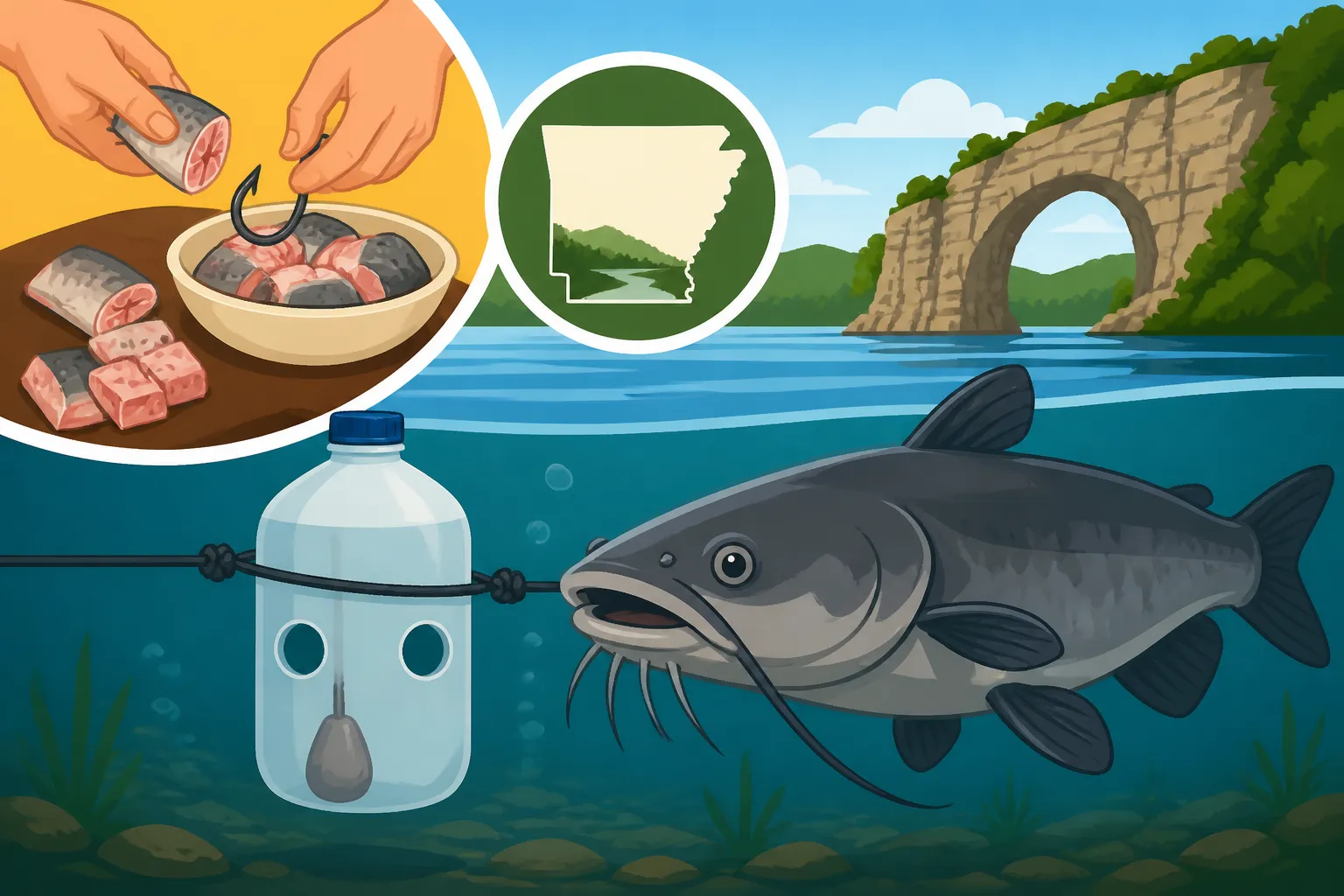
Cut bait reigns supreme for many catfish anglers, especially when targeting larger blue catfish and channel cats. The beauty of cut bait lies in its natural scent trail, which disperses effectively in the water, drawing catfish from a distance. The freshest bait is often the best. Shad, skipjack herring, carp, and even smaller panfish like bream make excellent cut bait. For best results, cut the bait into chunks roughly 1 to 3 inches long, depending on the size of the hooks you're using. Make sure each piece has some skin and scales, as this helps hold it on the hook and adds to the visual appeal and scent dispersion.
When using cut bait, think about how it's presented. A longer, thinner strip might flutter enticingly in a current, while a thicker chunk releases a stronger, longer-lasting scent. If you're using larger hooks for trophy blue cats, a bigger chunk of a juicy shad will be much more appealing than a tiny sliver. You can even score the flesh of a chunk of cut bait to increase its scent release. Remember, the goal is to create an irresistible aroma that tells every catfish nearby, "Dinner is served!" If you're looking for more specific guidance, our article on the Best Cut Bait for Catfish can provide even deeper insights.
Live Bait
For flathead catfish, live bait isn't just preferred; it's practically required. Flatheads are ambush predators that rely on movement and vibration to hunt their prey. Smaller sunfish, shad, minnows, or even small carp are excellent choices. The size of your live bait should generally correspond to the size of the flathead you're hoping to catch—bigger bait for bigger fish. When rigging live bait, hook it carefully through the back, above the lateral line but avoiding the spine, or lightly through the lips. This allows the fish to swim naturally and stay alive for as long as possible, sending out those crucial distress vibrations that flatheads can't resist.
Keeping live bait healthy on your jug line is crucial. Make sure your livewell or bait bucket is aerated, and try not to overcrowd your bait. A lively baitfish struggling on the hook is much more appealing than a sluggish one. When setting your jug lines, consider areas where flatheads might naturally ambush prey, such as submerged timber or channel bends. Remember, flatheads can be incredibly selective, so a fresh, active baitfish will always outperform a dead or dying one.
Worms
Good old earthworms and nightcrawlers might seem too simple for jug lines, but don't underestimate their power, especially for channel catfish and smaller flatheads. Worms are universally appealing and readily available. They wiggle, release natural attractants, and are easy to rig. When using worms on a jug line, try to thread several onto the hook to create a larger, more enticing ball of wriggling temptation. The movement is key here, as is the earthy scent.
While worms might not land you a 50-pound blue cat, they are fantastic for consistent action, particularly with smaller channel catfish, which can be great fun to catch and excellent table fare. They're also a perfect choice if you're fishing with kids, as the action is often more frequent. Pairing worms with a small piece of cut bait can sometimes create a potent combination, offering both scent and movement. You can find excellent quality nightcrawlers at most local bait shops, or even dig them up yourself after a good rain!
Prepared and Commercial Baits
Sometimes, convenience and concentrated scent power are what you need. Prepared baits fill this niche perfectly, designed to unleash a potent aroma that catfish can't ignore.
Stink Baits
Ah, stink baits – the aromatic (or malodorous, depending on your perspective) champions of channel catfishing. These concoctions are engineered for maximum scent dispersion, often boasting strong cheese, blood, or decaying fish odors. They come in various forms: dip baits, punch baits, and pre-formed balls. For jug lines, dip baits are often applied to a sponge or a tube bait holder that holds the gooey mess, while punch baits are pushed onto a treble hook with a stick. Some anglers even make their own secret recipes! The key is that they release a powerful, consistent scent that channel catfish simply can't resist.
When using stink baits, prepare for a messy but often rewarding experience. Gloves are your friend! Ensure the bait is securely on the hook or applicator so it doesn't wash off too quickly, defeating its purpose. Different brands like Catfish Charlie, Sure Shot, or Sonny's Super Sticky often have loyal followings, so don't be afraid to experiment to see what works best in your local Arkansas waters. You might even find some useful accessories like bait towels and scent-proof containers on Amazon to keep your gear organized and your hands (relatively) clean.
Dough Baits
Dough baits are a versatile option, especially for channel catfish and bullheads. They can be homemade or purchased commercially and often consist of a mix of flour, cornmeal, cheese, garlic, and other pungent attractants. The appeal of dough bait is its moldability; you can form it directly onto a treble hook, making a little ball of scent-packed goodness. They tend to break down slowly, releasing their aroma over a longer period, which can be advantageous on jug lines that are left out for several hours.
Experiment with different dough bait recipes or commercial varieties. Some anglers swear by adding ingredients like Kool-Aid powder for color and fruity scent, or even a bit of the blood from cut bait to enhance the smell. The key is to ensure the consistency is firm enough to stay on the hook during casting or submersion, but soft enough to release its scent effectively. If you're making your own, a little experimentation in the kitchen can lead to your next secret weapon on the water.
Hot Dogs and Processed Meats
You might scoff, but don't underestimate the humble hot dog! Marinated hot dogs, particularly those soaked in garlic, cherry Kool-Aid, or a mixture of the two, are surprisingly effective for channel catfish. The soft texture allows the scent to easily leach into the water, and their robust shape makes them easy to cut into hook-sized chunks. Other processed meats like Vienna sausages or even some types of lunch meat can also work in a pinch. The convenience and low cost make them a popular choice for many casual anglers.
The trick with hot dogs is often in the preparation. Cut them into 1-inch pieces, then marinate them overnight in your chosen concoction. The longer they soak, the more potent and appealing they become. When hooking, thread the hook through the hot dog chunk multiple times to ensure it stays securely attached. While they might not entice the giant flatheads, hot dogs are fantastic for a fun day catching numerous smaller channel cats, especially when introducing new anglers to the sport. They're also readily available at any grocery store, making them an easy last-minute bait option.
Rigging Your Jug Line for Optimal Bait Presentation
Having the right bait is only half the battle. How you present that bait on your jug line is just as critical. A poorly hooked bait can fall off, be stolen easily, or simply not look natural enough to attract a bite.
Hooking the Bait Correctly
The goal is to secure the bait so it stays on through currents, nibbling fish, and the eventual tug of a hooked cat, while still presenting it in an appealing way.
Durability and Retention
When you’re setting jug lines, they’ll often be out for hours, exposed to currents, bait stealers, and the general wear and tear of being in the water. This means your bait needs to be securely attached to the hook. For cut bait, thread the hook through the toughest part of the bait, often the skin or a bony section, multiple times if possible. This not only keeps it on but also exposes more of the softer, scent-releasing flesh. If you're using live bait, a firm hook through the back, just above the lateral line, ensures the baitfish stays alive and active without being easily dislodged. Alternatively, hooking through both lips can also work, especially for larger baitfish.
For softer baits like chicken livers, hot dogs, or dough balls, consider using a treble hook. The multiple points provide better grip. You can also use a small piece of pantyhose or netting to wrap around softer baits and then secure them to the hook. This keeps the bait intact while still allowing its scent to disperse. Having the bait stay on the hook is paramount; otherwise, you're just feeding the fish without getting any bites. Think about how the bait will hold up over time and under gentle harassment from smaller fish. A well-secured bait increases your chances of a catch exponentially.
Natural Presentation
While durability is key, you also want your bait to look as natural and enticing as possible. This means avoiding burying the hook entirely, especially with chunk baits or live bait, as this can impede the hook set. With cut bait, make sure enough of the hook point is exposed to allow for a good hookup. For live bait, ensure it can swim freely and naturally. A baitfish that's too tightly constrained by the hook won't be as effective at drawing in flatheads.
Consider the depth you're targeting. If your jug lines are set to fish near the bottom, your bait should be hanging in a way that mimics a wounded or foraging creature. If you're fishing higher in the water column for actively feeding fish, a naturally suspended bait is best. The ideal presentation ensures the bait is easily accessible, appears appetizing, and maximizes the chances of a solid hook set once a catfish decides to commit. Remember, the presentation of your bait is your silent invitation to the catfish below.
Bait Preservation and Scent Management
You've got your bait, you've rigged it right, but what about keeping it fresh and maximizing its allure? These often-overlooked details can significantly impact your success rate.
Keeping Bait Fresh and Potent
Freshness is paramount, especially for cut and live baits. Old, freezer-burned cut bait simply doesn't have the same drawing power as fresh-caught shad. If you're using live bait, invest in a good aerated livewell to keep your baitfish lively and healthy until they hit the hook. For cut bait, keep it on ice in a cooler right up until you're ready to rig it. The colder it is, the slower it will degrade, preserving that vital scent.
For prepared baits or chicken livers, store them in airtight containers. Many anglers will "cure" chicken livers by soaking them in garlic salt or a commercial attractant, which not only enhances their scent but also toughens them up slightly, making them more resilient on the hook. You can find specialized bait preservatives or cool storage options on Amazon that can help extend the life and potency of your baits. Never let your bait bake in the sun; heat is the enemy of freshness and scent quality.
Enhancing Scent Trails
Catfish rely heavily on smell, so anything you can do to enhance and prolong the scent trail your bait puts out is a bonus. Commercial scent additives and sprays can be very effective, especially on baits that might naturally lose their scent quickly. A quick spray of a fish attractant before deploying your jug line can make a noticeable difference. Another trick is to score cut bait with a knife, creating more surface area for scent to escape.
Some anglers even add a few drops of strong fish oil or an attractant directly into their bait bucket to "supercharge" their baits. While you don't want to overdo it to the point of being unnatural, a little boost can go a long way. Consider the current and water temperature: stronger currents and warmer water will disperse scent faster, meaning you might need a more potent or frequently re-baited offering. Managing your scent trail ensures that every catfish downwind gets a clear, enticing message that your jug line is the place to be.
Tips for Maximizing Your Catfish Catch with Jug Lines
You've picked the right bait, rigged it perfectly, and kept it fresh. Now, let's talk about the final strategies to make your jug lining experience a roaring success.
Baiting Strategy and Placement
It's not enough to simply throw out a jug line; strategic placement and varying your bait can make all the difference. Think about where catfish forage and where they hold. Areas with submerged timber, channel edges, drops, and points are often hotspots. Instead of deploying all your jugs in one tight cluster, spread them out across different depths and structures. This increases your chances of intercepting actively feeding fish and helps you identify where they're concentrating.
Varying your bait selection across your jug lines is also a smart move. On one jug, try cut shad. On another, use live bream. On a third, perhaps chicken liver or a potent stink bait. This "sampling" approach allows you to quickly figure out what the catfish are biting on that particular day and in that particular area. If you start getting consistent bites on one type of bait, you can then adjust your other jugs accordingly. Remember the article How to Jug Fish for Catfish for more general tips on deploying your lines.
Consider the depth you're presenting your bait. Catfish aren't always on the bottom. Sometimes, they'll be suspended in the water column, especially blue cats chasing schools of baitfish. Adjust the length of your lines so that some baits are near the bottom, others mid-depth, and a few closer to the surface. This ensures you're covering the entire water column effectively, increasing your chances of finding where the fish are holding.
Common Mistakes to Avoid
Even experienced anglers can make mistakes. Being aware of these pitfalls can help you avoid unproductive trips.
Over-Baiting Your Hook
It's a common misconception that more bait equals more fish. While a generous chunk is good, an excessively large wad of bait can actually hinder your chances. Too much bait can obscure the hook point, making it difficult for a catfish to get a good bite and for the hook to set properly. It can also make the bait heavy and unnatural, affecting its presentation. Remember, the goal is to make the bait enticing and the hook readily accessible.
Instead of piling on more bait, focus on quality and presentation. A well-placed, appropriately sized piece of fresh bait is far more effective than a giant, unwieldy glob that masks the hook. If you find your hooks are coming back with bait missing but no fish, it might be a sign that smaller fish are picking at it, or the hook isn't exposed enough for a proper strike. Adjust the size of your bait to fit your hook and the target species.
Using Stale or Poor Quality Bait
This cannot be stressed enough: stale bait is largely wasted bait. Catfish, with their incredible senses, can tell the difference between fresh, pungent offerings and old, washed-out scraps. Using bait that's been frozen too long, allowed to sit out in the sun, or that simply isn't fresh will severely reduce your chances of success. It's like trying to tempt a gourmet with stale bread—they'll just pass.
Invest in quality bait, keep it fresh, and don't hesitate to discard anything that's past its prime. This applies especially to cut bait and live bait, where freshness directly correlates to scent and activity. Even commercial stink baits can lose their potency if left open or stored improperly. Always aim for the freshest, most potent bait you can get your hands on. You wouldn't want to fish without a valid license, so why compromise on your bait? Make sure you understand all the Arkansas Fishing License Requirements for Out-of-State Anglers or residents.
Ignoring Local Conditions
What worked last week, or in a different lake, might not work today. Water temperature, current speed, clarity, and even barometric pressure can all influence how and what catfish are feeding on. Ignoring these factors is a recipe for frustration. If the water is murky after a rain, a strong-smelling stink bait might excel. If the water is clear, a live bait that looks natural might be better.
Always pay attention to your surroundings. Talk to other anglers, check water conditions, and be prepared to adapt your bait choices and placement. Maybe the catfish are shallower today, or perhaps they're preferring a different forage species. Flexibility is a key trait of successful anglers. Regularly checking your Arkansas Fishing Regulations Guide for any updates on local rules or species-specific advice is also a good practice. Understanding the Best Time of Day to Catch Catfish can also help you align your baiting strategy with their peak feeding windows.
| Bait Type | Target Species | Key Attraction | Best Use for Jug Lines | Pros | Cons |
|---|---|---|---|---|---|
| Fresh Cut Bait | Blue, Channel, Flathead | Scent, Blood, Oil | All depths, current; for larger fish | Highly effective, strong scent, natural | Can be messy, requires keeping fresh |
| Live Bait | Flathead (Primary), Blue | Movement, Vibration | Near cover, structure; for trophy flatheads | Irresistible to flatheads, very natural | Requires livewell, harder to keep alive on hook |
| Worms | Channel, Bullhead | Movement, Natural Scent | All depths, slow currents; general purpose | Easy to find, appealing to many species | Smaller fish can steal easily, less effective for trophy cats |
| Stink Baits | Channel (Primary), Blue | Strong Pungent Scent | Slow current to still water; for active channel cats | Very strong attractant, widely available | Can be very messy, less effective for flatheads |
| Dough Baits | Channel, Bullhead | Scent, Texture | Still to light current; can be customized | Stays on hook well, customizable scent | Can dissolve quickly, sometimes less potent |
| Hot Dogs | Channel, Bullhead | Scent (Marinated) | Shallow to mid-depth; for casual fishing | Cheap, easy to use, readily available | Less durable, not for trophy flatheads |
Catching catfish on jug lines is a time-honored tradition in Arkansas, and mastering the art of baiting is fundamental to success. By understanding catfish behavior, selecting the right baits, rigging them effectively, and paying attention to local conditions, you'll dramatically increase your chances of a productive outing. So, gather your bait, rig your jugs, and get ready for some exciting action on the water!
Disclaimer
This article is for general informational purposes only and does not constitute professional advice. Laws, prices and regulations vary by location and change over time. Consult a qualified professional for guidance on your specific situation.