How to Fish a Jig for Bass
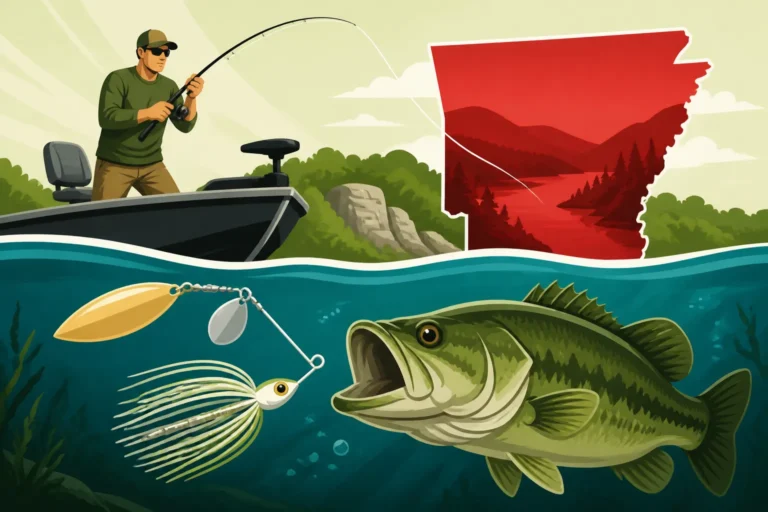
Few things are as frustrating as seeing bass on your sonar, knowing they're there, but being unable to coax a strike. When crankbaits and spinnerbaits fall short, a jig can be the ultimate game-changer for Arkansas anglers, presenting a subtle yet irresistible meal that big bass just can't ignore. This guide will walk you through the ins and outs of fishing a jig for bass, covering everything from selecting the right gear to mastering various presentation techniques across Arkansas's diverse fisheries.
Why Jigs Are a Bass Angler's Secret Weapon in Arkansas
Jigs aren't just another lure in your tackle box; they are incredibly versatile tools that shine in situations where other baits fail. Whether you're fishing the clear waters of Beaver Lake or the stained timber of Lake Conway, a well-presented jig can outperform almost anything else. Their ability to imitate a variety of forage makes them consistently effective for bass throughout the year.
The Versatility of Jigs for Arkansas Bass
One of the biggest advantages of fishing jigs for bass in Arkansas is their sheer adaptability. We have so many different types of waters here, from the deep, rocky points of Bull Shoals Lake to the flooded timber and brush piles found in many of our Corps of Engineers reservoirs, not to mention the abundant grass in certain areas. Different jig styles are designed to excel in these specific environments. You've got your football jigs, which are absolutely fantastic for crawling over rocky bottoms without constantly snagging, mimicking a crawfish scurrying along. Then there are casting jigs, often with a more streamlined head, perfect for slipping through cover like submerged cedars or thick brush. Flipping and skipping jigs have compacted heads, allowing them to enter tight spots with minimal splash, ideal for working docks or dense laydowns. And let's not forget bladed jigs, sometimes called chatterbaits, which create incredible vibration and flash, making them excellent search baits or for fishing through sparse grass. This variety means you can almost always find a jig that's perfectly suited to the specific cover or structure you're targeting on any given day in Arkansas.
The beauty is in how these subtle differences translate into fishing success. For example, when you're probing the deeper creek channels on a lake like Lake Ouachita, a heavy football jig will maintain bottom contact much better than a lighter casting jig, allowing you to feel every rock and pebble. Conversely, trying to skip a football jig under a dock would be a nightmare; that's where a flat-bottomed skipping jig really earns its keep, allowing it to hydroplane across the water's surface right into the darkest recesses where big bass often hide. Understanding these nuances and having a selection of jig types is key to unlocking their full potential. This versatility is precisely why so many anglers consider jigs a top-tier bait for consistently catching quality bass across Arkansas.
Mimicking Prey and Triggering Strikes
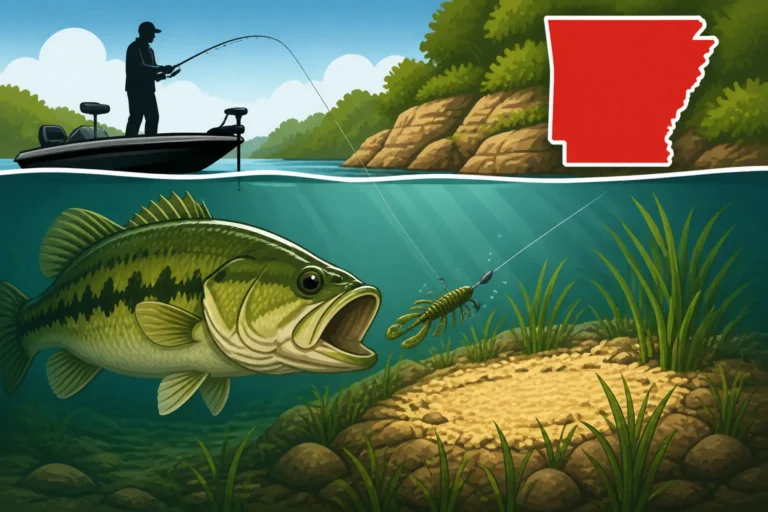
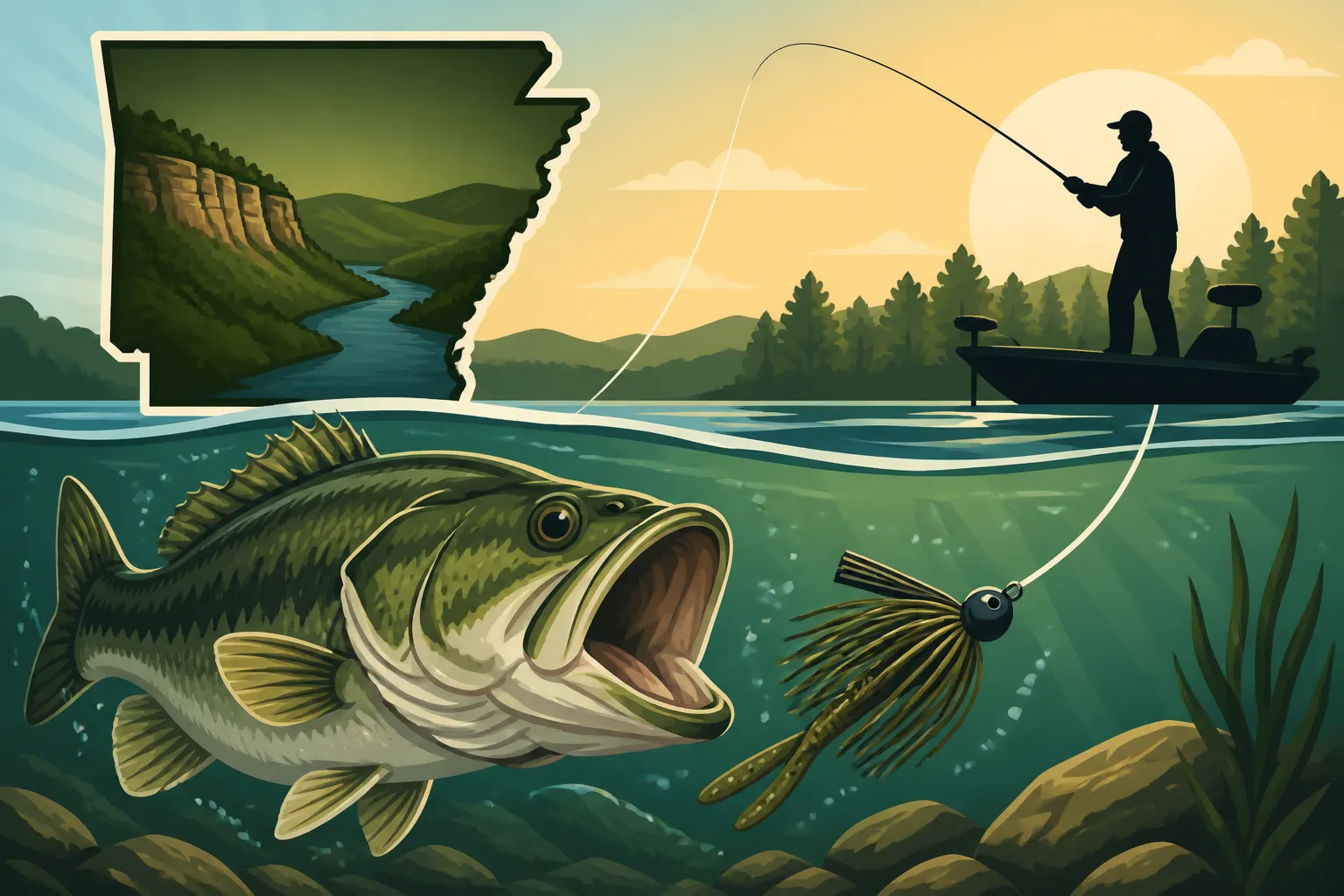
Jigs are masters of deception, designed to mimic a wide range of natural prey that bass feed on in Arkansas waters. The most common imitation is a crawfish. With their skirt flaring and a soft plastic trailer adding bulk and action, a jig dragging or hopping along the bottom looks incredibly like a crawfish trying to escape or just moving about. This is especially true in our rocky highland reservoirs where crawfish are a primary food source for largemouth and smallmouth bass. The subtle movement, coupled with the puff of silt stirred up by the jig's head, sends clear signals to predatory bass that a meal is at hand.
Beyond crawfish, jigs can also effectively imitate baitfish or even small bream. A bladed jig, for instance, with its erratic vibration and flashy blade, is an excellent imitation of a distressed shad or sunfish. Pairing a jig with a paddle-tail swimbait trailer can create a surprisingly realistic baitfish profile, especially when retrieved with a steady swim or subtle hops. The key is often in the "thump" or "tick" you feel when a bass inhales the jig. Unlike the aggressive smash of a topwater strike, a jig bite can often feel like just a slight increase in weight, or a faint tap, as the bass mouths the bait. Learning to differentiate these subtle cues from a snag is crucial, as is understanding how to set the hook quickly and firmly. This connection to realistic forage, combined with the angler's ability to impart lifelike action, makes jigs incredibly effective at triggering those often-elusive strikes from bigger bass.
Essential Gear for Jig Fishing Success
Having the right equipment can make all the difference when you're fishing jigs. It's not just about comfort; it's about sensitivity, power, and the ability to present your bait effectively and handle a big fish once it bites. A jig bite can be incredibly subtle, especially in deeper water or colder temperatures, so your gear needs to be up to the task.
Rod, Reel, and Line Selection
When it comes to selecting a rod for jig fishing, sensitivity and backbone are paramount. You want a rod that can transmit the slightest tick or change in bottom composition directly to your hand, but also has the power to drive a heavy hook through a bass's jaw and horse it out of thick cover. Most experienced anglers opt for a medium-heavy to heavy power casting rod, typically between 7 feet and 7 feet 6 inches in length. A fast or extra-fast action tip is generally preferred, as it allows for precise casting and quickly loads up on the hookset, while the stiffer backbone provides the leverage needed to pull fish from timber or thick weeds. This balance of sensitivity and power is critical for success in diverse Arkansas fishing scenarios.
For reels, a baitcasting reel with a moderate to fast gear ratio is often favored. Something in the 7.1:1 to 8.1:1 range allows you to quickly pick up slack line, which is vital for feeling subtle bites and making immediate hooksets. After all, a bass might inhale and spit out a jig in a split second, and every fraction of a second counts. You'll want a reel that's smooth and durable, as you'll be making a lot of casts and often fighting fish in heavy cover. You can find a huge selection of these rods and reels, along with other fishing gear, on Amazon, offering a wide variety of brands and price points.
Line choice is another critical component. For maximum sensitivity and invisibility in clearer waters, many anglers swear by fluorocarbon line, typically in the 15 to 20-pound test range. Fluorocarbon sinks, which helps your jig get to the bottom faster and maintain better contact, and its low stretch provides excellent feel. However, when fishing extremely heavy cover, like dense brush piles or thick mats of vegetation, braided line in the 30 to 65-pound test range is often preferred. Braid has virtually no stretch, offering unparalleled sensitivity and incredible strength to cut through weeds and pull big fish out of snags. The downside is its visibility, so some anglers will tie a short fluorocarbon leader to their braid. Remember to check the strength ratings and choose accordingly for the specific conditions you're fishing.
Jig Styles and Trailer Choices for Arkansas Waters
The array of jig styles can be a bit overwhelming at first, but each is designed for a specific purpose, especially when considering the varied terrain of Arkansas lakes and rivers.
- Football Jigs: Named for their oval-shaped head, these are fantastic for hard-bottom applications. They rock and roll over rocks, gravel, and shell beds with minimal snagging. If you're fishing deep points or offshore humps on lakes like Bull Shoals or Greers Ferry Lake, a football jig is usually your best friend. Their head design keeps the hook riding upright, reducing snags.
- Casting Jigs (Arkie, Hybrid Heads): These jigs typically have a more triangular or conical head, designed to slip through wood and brush more easily. They are versatile and can be used for pitching, flipping, or casting along ledges and drop-offs. They're a staple for working timber in lakes like Lake Conway.
- Flipping and Skipping Jigs: These often feature a compact, flat-bottomed head with a recessed line tie and a stout hook. Their design allows for stealthy entry into dense cover, minimizing splash as they skip under docks or penetrate thick mats. If you're targeting bass tucked way back in cover, these are indispensable.
- Bladed Jigs (Chatterbaits): While technically a jig, the addition of a metal blade on the front gives these lures a unique, high-vibration action. They are excellent for covering water, fishing through grass, or as a reaction strike bait. They mimic baitfish incredibly well and can be fished with a steady retrieve, much like a spinnerbait.
The trailer you choose to pair with your jig is just as important as the jig head itself. The trailer adds bulk, profile, and action, significantly altering how the jig looks and moves underwater.
- Crawfish Imitations: Soft plastic craws are the most common trailer choice, especially when bass are feeding heavily on crawfish. Brands like Strike King and Zoom offer excellent options. The flapping claws and segmented bodies add lifelike movement.
- Creature Baits: These trailers have various appendages that kick and undulate, creating a larger profile and more erratic action. They can be great for mimicking a variety of bottom-dwelling critters.
- Paddle-Tail Swimbaits: When you want your jig to mimic a baitfish, a small paddle-tail swimbait rigged as a trailer can provide a realistic swimming action. This is particularly effective with bladed jigs or when slow-rolling a jig in open water.
- Pork or Plastic Chunks: Traditional jig trailers, these offer a more subtle, gliding action. They add bulk without being overly aggressive in their movement, sometimes preferred in colder water or for finicky bass.
The color of your jig and trailer combination should generally match the forage or water clarity. Black and blue is a classic choice for dark or stained water, mimicking crawfish or bluegill. Green pumpkin, brown, or combinations thereof (like green pumpkin with purple flake) are incredibly versatile for clearer waters, closely matching natural crawfish. In clearer water, you might experiment with lighter shades or more natural patterns. Many anglers stock up on their fluorocarbon line and a variety of jig trailers from retailers like Amazon to ensure they're prepared for any conditions.
Mastering the Art of Jig Presentation and Retrieve
Throwing a jig out into the water is one thing; making it dance in a way that big bass can't resist is another. Jig fishing is often about finesse, patience, and understanding how to make your lure tell a convincing story underwater. Different presentations will unlock different types of bites and allow you to effectively cover varying structures, which is key to success on a complex fishery like the Arkansas River.
Pitching and Flipping for Precision Strikes
Pitching and flipping are bread-and-butter techniques for jig anglers, allowing for incredibly accurate and stealthy presentations into tight cover. These techniques are especially effective for targeting bass that are holding close to structure like fallen trees, boat docks, thick bushes, or submerged timber, which you'll find in abundance on many Arkansas lakes. The goal is to drop your jig into these high-percentage zones with minimal disturbance, essentially hand-delivering the bait right to the fish's nose.
Pitching involves a pendulum-like swing of the bait, letting out line with your thumb to control distance. You hold the lure in one hand, your rod tip high, then swing the lure forward and release it with a smooth, controlled motion. This casts the jig on a low trajectory, allowing it to land softly and accurately into pockets in cover. It's a great technique for reaching targets that are a little further away, maybe 15-30 feet, while maintaining a quiet entry.
Flipping is even more precise and stealthy, designed for extremely close-quarters combat. You pull out a few feet of line from your reel, hold the jig in your hand, and then use a short, underhand swing of the rod to gently drop the jig into the cover, without ever letting the lure go entirely slack from your hand until it hits the water. This ensures an almost silent entry, often within just a few feet of the boat, and allows for instant hooksets because there's minimal slack line. Both techniques demand practice to master, but once you do, you'll be able to effectively probe areas that other anglers might shy away from, often catching those bigger, less pressured fish. Remember that each of these is a technique that also requires precision, so mastering one helps with the other.
Dragging, Hopping, and Swimming Techniques
Once your jig is in the water, how you retrieve it is crucial. The way you work the jig dictates what it imitates and how appealing it appears to a bass. Varying your retrieve is essential, as different days and different fish respond to different actions.
The dragging retrieve is incredibly effective, especially for football jigs on rocky bottoms or shell beds. After your jig hits the bottom, simply engage your reel, point your rod tip down, and slowly drag the jig along the bottom using your rod. A slow, sweeping motion from 9 o'clock to 11 o'clock, followed by reeling in the slack and repeating, allows the jig to crawl over structure, kicking up silt and mimicking a rooting crawfish. This is a subtle retrieve that often triggers bites from lethargic or wary bass. Pay close attention to any "thump" or just a feeling of added weight, which often signals a bite.
The hopping retrieve, on the other hand, is more erratic and aggressive. After the jig settles, you'll snap your rod tip up sharply, causing the jig to jump off the bottom, then let it fall back down on a semi-slack line. The fall is often when a bass will strike, so watching your line for any twitch or jump is vital. This mimics a crawfish making quick bursts to escape or a baitfish darting. This technique can be particularly effective during the pre-spawn when bass are more active. Vary the height of your hops and the duration of your pauses to see what the fish prefer.
Finally, swimming a jig is usually reserved for bladed jigs or a casting jig paired with a paddle-tail swimbait trailer. This involves a steady retrieve, much like a spinnerbait, allowing the blade to vibrate or the paddle tail to kick, creating a consistent action. You can vary the speed, add subtle twitches, or even let it fall occasionally to trigger a strike. This is a great search bait for covering open water, fishing through sparse grass, or targeting fish higher in the water column. The vibration of a bladed jig can be felt throughout the rod, giving you excellent feedback on the lure's action and making it easier to detect a strike.
Reading the Bite and Setting the Hook
One of the biggest challenges and most rewarding aspects of jig fishing is learning to "read" the bite. A jig bite is rarely a violent tug; it's often a much more subtle affair that requires keen attention and quick reflexes. Sometimes, you'll feel a distinct "tick" or "thump," as if a small pebble just hit your line. This is a classic jig bite, indicating a bass has inhaled the lure. Other times, it might feel like your line just went slack or gained weight, a soft "mushy" feeling, or a gentle pull as your line moves sideways. These are often the biggest bass, gently sucking in the jig without much aggression. Trust your instincts – if anything feels out of the ordinary, it's often a fish.
The moment you feel a bite, the hookset needs to be swift and powerful. Unlike a trebled crankbait, a jig typically has a single, stout hook that requires significant force to penetrate the bony mouth of a bass. Most anglers use a sweep-set technique: quickly drop your rod tip towards the water, reel down any slack, then sweep the rod hard and fast over your shoulder or to the side. It's not a gentle upward snap; it's a full-body commitment to driving that hook home. Don't be afraid to over-set; it's better to miss a fish due to an aggressive hookset than to have it shake loose because the hook wasn't fully buried. Practicing this motion will become second nature, allowing you to react instantly when that elusive jig bite finally comes. This is a critical skill for any angler looking to improve their catch rate for bass, especially on pressured waters where fish can be finicky.
Where and When to Fish Jigs in Arkansas
Arkansas offers an incredible diversity of fishing environments, and jigs are a fantastic choice for many of them. Knowing where and when to present your jig can dramatically increase your success rate, allowing you to key in on bass patterns throughout the year. For a full breakdown of regulations, remember to consult a guide like Arkansas Fishing License Rules and Costs before hitting the water.
Prime Locations for Jig Fishing
Jigs excel in locations where bass typically hold tight to cover or structure, offering them ambush points or thermal refuge. In Arkansas, this means targeting a variety of underwater features:
- Wood Cover: This is perhaps the most classic jig fishing scenario. Fallen trees, standing timber, brush piles, and submerged stumps are magnets for bass, and jigs can be worked through them effectively. Lakes like Lake Conway or the timber-rich sections of Lake Ouachita are prime examples. Pitching or flipping a jig into the densest parts of this cover often yields the biggest fish. The jig's weed guard helps prevent snagging, allowing you to get into places other lures can't.
- Rock and Gravel: Our highland reservoirs like Bull Shoals Lake, Norfork Lake, and Beaver Lake are famous for their rocky shorelines, points, and bluff ends. Football jigs truly shine here, crawling over the rocks like a crawfish. Look for transition zones where rock meets gravel, or where rock falls into deeper water, as these are natural ambush points. Working points and bluff ends can be particularly productive on these rocky lakes.
- Docks and Piers: Man-made structures provide shade, cover, and often hold baitfish, making them ideal bass habitat. Skipping jigs under boat docks, pontoon boats, and walkways on lakes like Lake Hamilton can be incredibly effective, especially during bright, sunny days when bass seek refuge in the shadows.
- Creek Channels and Ledges: Offshore structure like creek channel swings, roadbeds, and ledges can concentrate bass, especially during colder months or in the heat of summer. Heavier casting or football jigs can be dragged along these contours to find fish that are relating to changes in depth or bottom composition.
Understanding how to read your electronics and identify these key structures will greatly improve your jig fishing success. Exploring the deep structure will give you even more ideas on where to focus your efforts.
Seasonal Strategies for Jig Fishing
The time of year dramatically influences how bass behave and where they hold, which in turn dictates your jig fishing strategy. Arkansas's distinct seasons offer different opportunities for jig anglers. For a comprehensive overview, be sure to check out the Best Time of Year to Fish in Arkansas.
- Pre-Spawn (Early Spring): As water temperatures begin to rise (typically in the 50s Fahrenheit), bass start moving from their deeper wintering grounds toward shallower spawning areas. During this period, bass are often staging on points, channel swings, and secondary creek channels leading into spawning coves. Big jigs (3/8 oz to 3/4 oz) worked slowly along these routes can be deadly. Bass are looking for substantial meals to fuel the upcoming spawn. Pay attention to specific patterns like the Pre-Spawn Bass Fishing Patterns as bass begin their move.
- Spawn (Spring): When water temperatures hit the low 60s, bass move onto beds to spawn. While sight fishing with jigs can be effective for visible bedding bass, it's also a time to target fish holding just off the beds in nearby cover. Flipping and pitching jigs into shallow brush, docks, or wood near spawning flats can tempt both male and female bass. Ethical anglers practice catch and release for bedding fish to protect future generations.
- Post-Spawn and Summer: After the rigors of the spawn, bass often retreat to deeper, cooler water and thicker cover to recover. During summer, look for them in shaded areas, brush piles, deep grass beds, and under docks. Heavy jigs can penetrate these dense covers. The summer heat will often find bass tucked away in these areas. Early mornings, late evenings, or night fishing can be especially productive when bass move shallower to feed under the cover of darkness.
- Fall: As water temperatures cool down, bass become highly active, chasing baitfish in preparation for winter. Jigs can still be incredibly effective during this time, especially when worked along transition banks, points, and channel swings where bass are ambushing migrating baitfish. Bladed jigs can also shine as a reaction bait, mimicking shad schools. Understanding fall fishing patterns is key to intercepting these migrating fish.
No matter the season or location, remember to always abide by local regulations, including daily limits such as the largemouth bass daily limit to ensure sustainable fishing for everyone.
| Jig Type | Ideal Cover/Structure | Best Retrieve Methods | Typical Weight Range | Advantages |
|---|---|---|---|---|
| Football Jig | Rocks, gravel, offshore humps | Dragging, slow hopping | 3/8 oz – 1 oz | Excellent bottom contact, minimizes snags on rock |
| Casting Jig | Wood, brush, ledges | Pitching, flipping, hopping, swimming | 1/4 oz – 1/2 oz | Versatile, slips through cover well |
| Flipping/Skipping Jig | Docks, dense mats, laydowns | Flipping, pitching, skipping | 1/4 oz – 3/4 oz | Stealthy entry, precise presentation into tight spots |
| Bladed Jig | Grass, open water, sparse cover | Steady retrieve, stop-and-go | 3/8 oz – 1/2 oz | High vibration, excellent search bait, reaction strikes |
Disclaimer
This article is for general informational purposes only and does not constitute professional advice. Laws, prices and regulations vary by location and change over time. Consult a qualified professional for guidance on your specific situation.