Best Lures for Pre-Spawn Bass Fishing
Oh, the pre-spawn! It’s that magical, yet often frustrating, time of year when those big Arkansas bass start moving up, getting ready for their annual ritual. You know the feeling – one day they’re crushing everything you throw, and the next they seem to have lockjaw, just lurking in those in-between zones. It can be a real head-scratcher trying to figure out what they want when they're staging and transitioning from their deep winter haunts to those shallower spawning grounds. But don't you worry, because this guide is all about equipping you with the knowledge and the go-to lures to tackle the pre-spawn period head-on, turning those head-scratching moments into hook-setting celebrations.
Decoding Pre-Spawn Bass Behavior
Before we even talk about lures, it's crucial to understand what makes pre-spawn bass tick. This isn't just about throwing your favorite bait; it's about understanding their mood swings, their hunger levels, and their movements as the water warms up across lakes and rivers like Lake Ouachita or the Arkansas River.
The Critical Transition Period
The pre-spawn phase is fundamentally a time of transition. Bass are shifting from their deep winter resting areas, where they conserved energy, to shallower staging points. These staging areas are typically close to prime spawning flats but still offer deeper water access, providing a crucial escape route and a sense of security. Think about those main lake points, secondary points inside creek arms, or even subtle humps and ledges that lead into shallow coves. As the water temperatures begin to climb, usually into the mid-40s to low-50s Fahrenheit, these fish start migrating. This period, often around February and March in many parts of Arkansas, is when you really need to be paying attention to changes in weather and water temperature. Knowing When Do Bass Spawn in Arkansas Reservoirs is key to timing your approach. They're looking for comfortable water temperatures and abundant forage to bulk up before the energy-intensive act of spawning.
During this time, bass aren't just sitting still; they're moving, often in waves. The first wave of bigger, older females will usually move up first, followed by the males, and then the smaller fish. A common mistake is to only fish shallow, but many of the biggest fish will still be holding deeper on those staging points, making short trips into the shallows to feed before retreating. This constant back and forth means your presentations need to be versatile, able to target different depths and moods. They’re eating, yes, but often they’re not chasing aggressively like they might be in the post-spawn. This can make them seem finicky, when in reality, they just require a specific presentation.
Aggression and Finicky Mood Swings
It’s true, pre-spawn bass can be incredibly aggressive one day and incredibly finicky the next. This Jekyll and Hyde behavior largely depends on external factors, especially frontal systems and sudden temperature drops. A warming trend and stable weather will often trigger a strong feeding spree. The bass are getting excited, their metabolism is picking up, and they're actively hunting baitfish and crawfish. This is when reaction baits shine. They’re actively looking for an easy meal, and anything that looks like it's trying to get away can trigger an immediate strike.
However, a sudden cold front can shut them down almost instantly. When the water temperature plummets a few degrees, those bass retreat to the nearest deep cover or slower-moving water, often suspending or burying themselves in thick brush. Their metabolism slows, and they become much more reluctant to chase. This is when a slow, methodical presentation with a finesse bait becomes absolutely essential. It's less about triggering a reaction and more about putting a meal right in front of their face, almost forcing them to bite. Understanding these mood swings, and being prepared to switch up your lure and technique, is paramount for consistent success during the Best Time for Pre-Spawn Bass Fishing in Arkansas.
Top Lure Categories for Pre-Spawn Success
Now that we understand their behavior, let’s talk about the weapons we'll use. During the pre-spawn, you're essentially trying to imitate two main food sources: baitfish and crawfish. The best lures either mimic these directly or trigger a reaction strike from an aggressive bass.
Lipless Crankbaits and Jerkbaits
These are often the first baits I tie on when I hit the water during pre-spawn, especially if the water is in the upper 40s or low 50s. They excel at covering water and triggering strikes from actively feeding bass.
Lipless Crankbaits:
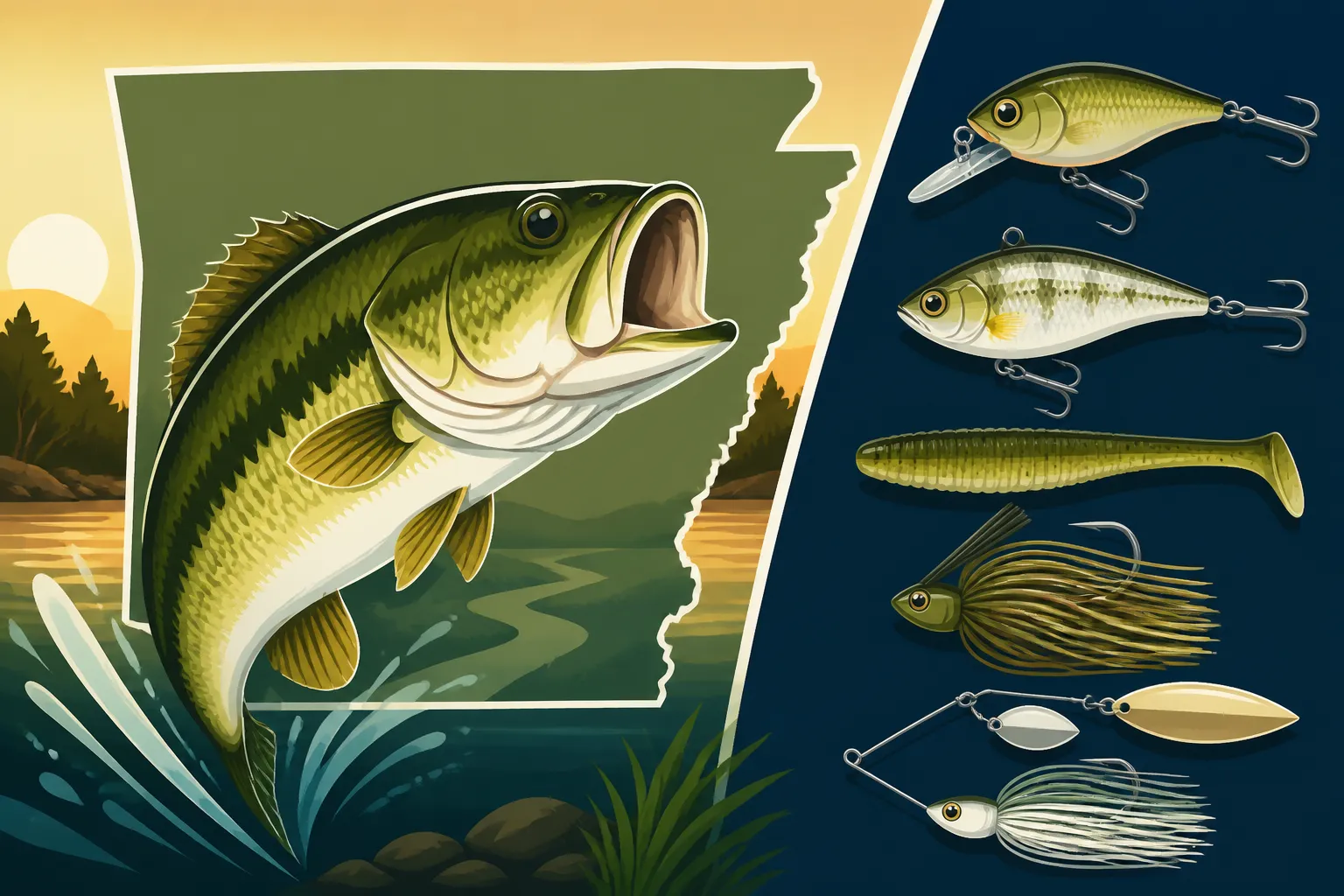
A lipless crankbait, like the legendary Bill Lewis Rat-L-Trap or a Strike King Red Eye Shad, is a fantastic choice for covering large areas quickly and finding active fish. Their tight wiggle and loud rattles mimic a fleeing baitfish, and they're effective in a variety of depths depending on how you retrieve them. In Arkansas, red crawfish patterns, chrome with blue back, or any shad-imitating color often produce. The key is to fish them with a "rip-pause" retrieve. Cast it out, let it sink to your desired depth, then rip your rod tip up sharply a foot or two, letting the bait flutter down on a slack line. Often, the strike will come on the pause as the bait falls. This erratic motion is exactly what an ambushing pre-spawn bass is looking for.
You can fish lipless crankbaits over grass beds, around stumps, or along rocky points. If you're fishing over submerged grass on a lake like Lake Conway, rip it just hard enough to clear the grass, then let it fall. The sudden burst of movement followed by a pause can be irresistible. Remember, these baits sink, so you can count them down to fish different depths. They are an absolute staple, and you can find a wide variety of effective options on Amazon, from different weights to an array of vibrant colors.
Jerkbaits:
When the water is clear and still a bit chilly, say in the low 50s, a suspending jerkbait is an absolute game-changer. Brands like the Lucky Craft Pointer or the Rapala Shadow Rap are known for their incredible fish-catching ability. These baits imitate a dying or stunned baitfish perfectly. The beauty of a suspending jerkbait is that it hangs almost motionless in the water column during pauses, directly in the bass's strike zone.
The retrieve is critical here: cast it out, reel it down to depth, then give it a series of sharp jerks followed by long pauses. I'm talking pauses from 5 to 15 seconds, sometimes even longer if the water is really cold. The colder the water, the longer the pause. The bass often can’t resist that vulnerable, suspended target. Fish these around rocky banks, bluff ends, and the edges of creek channels where bass are staging. For clear Ozark waters, chrome, ghost minnow, or transparent shad patterns work wonders.
Jig and Trailer Combinations
When the bass are holding tight to cover, or if a cold front has pushed them deeper and made them less aggressive, a jig and trailer combination is hard to beat. This setup perfectly mimics a crawfish, which is a prime food source for pre-spawn bass.
Football Jigs:
For fishing deeper rock piles, ledges, and transition areas, a football jig is a phenomenal choice. Its head shape helps it crawl over rocky bottoms without getting snagged as easily. Pair it with a bulky crawfish-imitating trailer in colors like green pumpkin, brown, or black and blue. The retrieve is slow and methodical: cast it out, let it sink to the bottom, then drag it, hop it, or slightly shake it along the contours. The idea is to make it look like a crawfish scuttling along the bottom. This is a subtle presentation, but it often entices those larger, lethargic pre-spawn females. Good quality jigs and trailers from brands like Strike King or Z-Man are readily available on Amazon.
Flipping and Pitching Jigs:
When bass are tucked into shallow cover like laydowns, brush piles, or flooded timber in places like Lake Monticello, a flipping or pitching jig is your best friend. These jigs are designed to penetrate heavy cover and drop straight down. Use a skirted jig with a matching craw trailer, again, in natural crawfish colors or black and blue. The key here is precision casting: get that jig right into the heart of the cover. Let it sink, then lightly hop it or shake it in place. The strikes can be subtle – just a slight "thump" or a feeling of weight – so pay close attention to your line. This technique allows you to meticulously pick apart high-percentage areas where big bass are staging before moving to beds.
Spinnerbaits and Chatterbaits
These are excellent search baits that combine flash, vibration, and sometimes sound, making them great for triggering reaction strikes in a variety of conditions, especially when there's some stain in the water or a bit of wind.
Spinnerbaits:
A spinnerbait is incredibly versatile for the pre-spawn. It excels at covering water and fishing through sparse cover. The blades (Colorado, Willow, or Indiana) create flash and vibration that can attract bass from a distance, even in stained water. Chartreuse and white, or a combination of both, are classic pre-spawn colors. You can fish them with a slow-roll along the bottom, a medium retrieve through cover, or even burn them just under the surface to trigger aggressive strikes. Consider throwing a spinnerbait around boat docks, submerged timber, or along creek channel swings. For effective pre-spawn tactics on these moving baits, revisit Bass Fishing Techniques by Season.
Chatterbaits (Bladed Jigs):
The Chatterbait, or bladed jig, has exploded in popularity for a good reason – it flat-out catches bass, especially during the pre-spawn. Its unique bladed head creates an intense vibration and erratic darting motion that mimics a frantic baitfish. Pair it with a craw-style or swimbait trailer for added bulk and action. Green pumpkin, black and blue, and white are common effective colors. The beauty of a Chatterbait is its versatility: you can retrieve it steadily, pump it, or even stop-and-go. It excels around grass lines, sparse timber, and along channel edges. The vibration makes it a killer in murky water where bass rely more on their lateral line to detect prey.
Soft Plastics for Finesse
When the bite gets tough, or if cold weather has pushed fish into a negative mood, you can’t go wrong with a subtle soft plastic presentation. These are designed for slower, more deliberate fishing.
Texas Rigs:
The Texas rig, usually a creature bait or a stick worm (like a Senko), is a staple for a reason. It's incredibly weedless and allows you to probe thick cover where bass might be hiding. The beauty of the Texas rig is its subtle presentation. A slow drag or subtle hop along the bottom is often all it takes. Green pumpkin, black, or natural colors are almost always effective. For a detailed breakdown on how to set up and fish this classic rig, check out How to Fish a Texas Rig for Bass. This is particularly effective when targeting fish that are staging on main lake points or in brush piles.
Carolina Rigs:
When bass are holding deeper on points, humps, or main lake ledges, a Carolina rig can be deadly. It allows you to present a soft plastic bait a few feet behind a heavy weight, giving the bait a more natural, weightless presentation. Lizard, craw, or flukes are popular choices for baits. Drag the rig slowly along the bottom, allowing the bait to float tantalizingly above the weight. This covers a lot of water at deeper depths and is excellent for targeting fish that are spread out.
| Lure Type | Primary Imitation | Best Conditions | Retrieve Style | Key Feature |
|---|---|---|---|---|
| Lipless Crankbait | Baitfish/Crawfish | Covering water, moderate stain, upper 40s-low 50s water | Rip-pause, steady retrieve, yo-yo | Loud rattle, versatile depth control |
| Suspending Jerkbait | Dying Baitfish | Clear water, cooler temps (low 50s), staging areas | Jerk-jerk-pause (long pauses), erratic | Suspends in strike zone, triggers reaction |
| Football Jig | Crawfish | Deeper rock, ledges, cold water, clear to stained | Slow drag, hop, shake on bottom | Crawls over rocks, subtle presentation |
| Flipping/Pitching Jig | Crawfish | Heavy shallow cover, timber, brush piles | Precise drops, subtle hops in place | Weedless, penetrates cover, direct presentation |
| Spinnerbait | Baitfish | Stained water, wind, sparse cover, searching | Slow-roll, medium retrieve, burning | Flash and vibration, covers water |
| Chatterbait | Erratic Baitfish | Stained to clear water, grass lines, moderate temps | Steady retrieve, pump, stop-and-go | Intense vibration, erratic action |
| Texas Rig | Crawfish/Worm | Heavy cover, cold fronts, finesse, deeper water | Slow drag, hop, shake, swim | Weedless, subtle, versatile |
| Carolina Rig | Crawfish/Lizard | Deeper points, humps, ledges, searching | Slow drag, allows bait to float naturally | Covers deep water, natural bait action |
Matching Lures to Water Conditions
The water conditions in Arkansas can change rapidly during the pre-spawn, from clear to muddy, and cold to warm, sometimes all in a single week. Adapting your lure choice to these conditions is paramount.
Cold, Clear Water Strategies
When you're facing cold, clear water, especially in the highland reservoirs of the Ozarks like Beaver Lake or Bull Shoals, bass often become very visual feeders but are less willing to chase. This is where finesse and precise bait presentations truly shine. You’ll want to reach for lures that offer a natural look and subtle action. Suspending jerkbaits are absolutely deadly here because their ability to hang motionless in the water column for extended periods can draw strikes from even the most lethargic bass. Opt for natural baitfish patterns like chrome, ghost minnow, or transparent colors that blend in with the surroundings. Small swimbaits rigged on a light jig head, slowly reeled or gently hopped, can also be incredibly effective.
Another fantastic option for cold, clear water is a football jig with a subtle craw trailer. You're not looking for aggressive action; instead, you're trying to mimic a crawfish that is barely moving on the bottom. Focus on those deep transition lines, rocky points, and ledges where bass are staging. The key is patience. Long pauses, slow retrieves, and meticulous attention to detail will be rewarded. In these conditions, many anglers find success on the White River targeting trout with similar deliberate tactics, showing that patience often pays off in cold, clear flows. For specifics on how to select your offerings, check out Best Bait for Bass by Season.
Stained or Muddy Water Tactics
On the flip side, when the water is stained or downright muddy, which can often happen after rain events on lowland lakes or rivers, bass rely less on sight and more on their lateral line system to detect prey. This means you need lures that create a lot of vibration, displace water, or have a strong color contrast. Chatterbaits are absolute kings in these conditions. Their aggressive vibration is like a beacon to bass. Pair them with a bulky trailer for even more water displacement. Colors like black and blue, chartreuse, or a combination of both, create excellent contrast in murky water.
Spinnerbaits with Colorado blades (which create maximum thumping vibration) are also excellent choices. Their flash can still be detected even in lower visibility. A slow-rolled spinnerbait in a black and blue or chartreuse color can be incredibly effective around submerged cover. Don't shy away from lipless crankbaits in these conditions either. Their loud rattles and tight wiggle can draw strikes. Again, darker colors or bright, contrasting patterns will often get the most attention. The goal is to make your lure easily detectable and irritating enough to provoke a reaction strike.
Varying Depths and Structure
Pre-spawn bass will use all sorts of structure and depths as they migrate. You need to be ready to adapt your lure choice to whatever they are holding on.
Shallow Cover (0-8 feet):
For shallow cover like flooded brush, stumps, or grass lines, flipping and pitching jigs are hard to beat. Their weedless design allows you to get into the thickest stuff. Spinnerbaits and Chatterbaits are also excellent for covering large shallow flats, especially if there's sparse grass. Topwater baits like a walking bait or popper can even work on unusually warm days or in the very late stages of pre-spawn, but they are generally less reliable than subsurface options. For targeting specific structures like timber in the White River National Wildlife Refuge, a weedless soft plastic like a Texas-rigged worm can be ideal.
Mid-Depth Staging (8-20 feet):
This is often where the magic happens for pre-spawn giants. Bass will hold on main lake points, secondary points in creek arms, humps, and ledges. Lipless crankbaits fished with a rip-pause retrieve, suspending jerkbaits (especially when fish are suspended off the bottom), and football jigs are all prime choices here. Crankbaits that dive to these depths are also excellent for covering these areas quickly. For the biggest fish on legendary waters, remember to check Largemouth Bass Size Limits on Arkansas Lakes and target What Arkansas Lake Holds the Biggest Largemouth Bass?.
Deep Water Access (20+ feet):
While most pre-spawn action is shallower, bass will often retreat to deeper water during cold snaps or during the early stages of the pre-spawn. A Carolina rig is a perfect tool for systematically dragging baits along deep points and creek channels. Heavy football jigs can also reach these depths effectively. On many of Arkansas's major reservoirs, a lot of the best fishing spots on Bull Shoals Lake involve these deep staging zones early in the season. Vertical jigging spoons can also be effective when bass are schooled up tightly on deep structure.
Practical Tips for Fishing Pre-Spawn Lures
Having the right lure is only half the battle. How you present it, where you present it, and when you do it are equally, if not more, important.
Master the Retrieve Speed and Pauses
This is perhaps the single most critical aspect of pre-spawn fishing. Bass are often lethargic or easily spooked in colder water, so your retrieve needs to match their mood. There's a common saying in bass fishing: "Slow down." This is especially true during the pre-spawn. With a jig, you're not power reeling; you're gently dragging, hopping, and shaking. With a jerkbait, those long pauses are where the strikes usually happen. For lipless crankbaits, the rip-pause retrieve is usually more effective than a steady grind.
However, "slow down" doesn't mean always slow. When bass are aggressive, perhaps during a warming trend or a feeding frenzy, they might want a faster retrieve or more erratic action. The key is experimentation. Start with a slower retrieve, and if you're not getting bites, gradually speed it up or introduce more aggressive twitches and pauses. Pay attention to every little change in your line or rod tip; pre-spawn bites can be incredibly subtle. Sometimes it's just a slight "mushy" feeling, or your line will just move sideways. Don't wait for a huge hit; set the hook on anything suspicious.
Smart Color Selection
Color choice, while sometimes overemphasized by anglers, definitely matters in the pre-spawn, largely driven by water clarity and light conditions.
Natural Hues for Clear Water: In clear water, you want to mimic the natural forage as closely as possible. Think shad patterns (silvers, whites, light blues) for jerkbaits and lipless cranks. For jigs and soft plastics, green pumpkin, natural craw, and watermelon seed are excellent choices. Translucent baits can also be very effective. The idea is to not spook the fish with anything too unnatural or flashy.
High Contrast for Stained Water: In stained or muddy water, bass won't see your bait as clearly, so you need colors that stand out. Black and blue is a legendary color for jigs and Chatterbaits in dirty water, as it creates a strong silhouette. Chartreuse, especially in combination with white or blue, is also a highly effective choice for spinnerbaits and Chatterbaits. Bright reds and oranges can also imitate crawfish in off-color water. Don't be afraid to experiment with brighter, more aggressive colors.
Identifying Key Staging Areas
Finding the fish is half the battle, and during pre-spawn, they are predictable in their choice of staging grounds. Look for areas that offer a transition from deep to shallow water, with cover and structure nearby.
Main Lake Points and Secondary Points: These are absolute magnets for pre-spawn bass. They act as highways, allowing fish to move up into coves or shallow flats to feed, and then retreat to deeper water quickly if conditions change. Look for points that have a mix of rock, brush, or submerged timber. The very tip of the point, or the first major drop-off, is often where the biggest fish will sit.
Creek Channel Swings and Ledges: Bass will often follow creek channels from their deeper winter homes into the shallower spawning pockets. Look for significant bends in these channels, especially where they intersect with shallower flats or have steep drops. Ledges and humps near these channels are also prime staging locations. Your electronics will be your best friend for finding these subtle changes in depth.
Transition Banks: These are banks that have a mix of rock, gravel, and some clay. Often, they’ll have sparse cover like isolated stumps or laydowns. These areas warm up faster than deeper water and can be excellent ambush points for bass looking to feed on crawfish or passing baitfish. Look for the warmest water you can find, often on north-facing banks that get direct sunlight for longer periods during the day.
Isolated Cover: Don't overlook isolated brush piles, stumps, or rock piles that are a bit removed from the main bank. These can be prime resting and ambush spots for larger bass. Your electronics will help you pinpoint these hidden gems. Remember, Arkansas Fishing Regulations Guide has details on specific lake rules, so always check before you head out.
The pre-spawn can be one of the most rewarding times to fish for bass in Arkansas. By understanding their behavior, selecting the right lures for the conditions, and employing effective retrieve techniques, you'll significantly increase your chances of landing that trophy bass you've been dreaming about.
Disclaimer
Fishing conditions and regulations in Arkansas can change. Always consult the latest Arkansas Game and Fish Commission regulations before heading out. This guide provides general information and recommendations, but local conditions, water levels, and fish behavior can vary. Fish responsibly and safely.