How to Rig a Jig for Crappie Fishing
There's nothing quite as frustrating as heading out to your favorite Arkansas crappie spot, full of anticipation, only to spend more time fumbling with your tackle than actually fishing. Trying to get that perfect jig setup, wondering if your knot is strong enough, or if you've got the right bait presentation can quickly turn a relaxing day into a head-scratching ordeal. This guide is here to untangle those frustrations, providing you with a clear, step-by-step approach to rigging your crappie jigs so you can spend less time rigging and more time reeling in those tasty slabs.
Why Jig Fishing for Crappie is So Effective
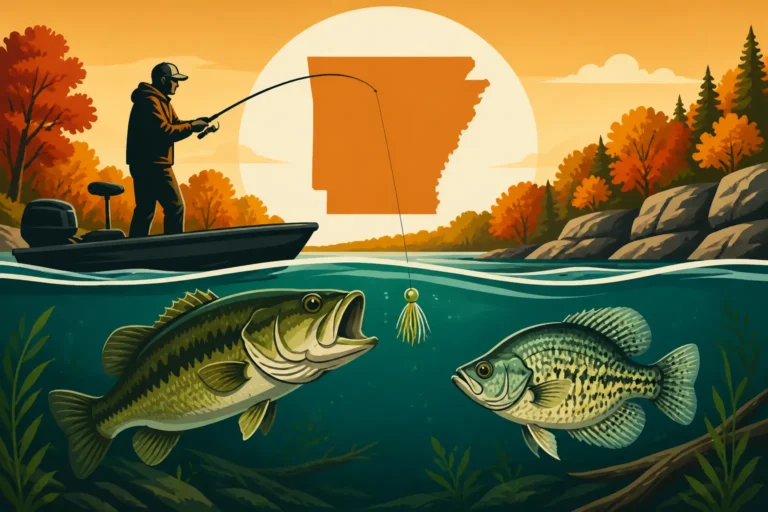
Jig fishing for crappie isn't just a popular method; it's often the most productive, especially when you understand the nuances. Crappie, whether black or white, are ambush predators. They love to hide in cover like submerged timber, brush piles, or around docks, waiting for an easy meal to swim by. A properly rigged jig can mimic everything from a tiny baitfish to an insect, making it irresistible to hungry crappie.
Versatility and Accessibility
One of the biggest advantages of jig fishing is its incredible versatility. You can cast them, troll them, or vertically jig them. This means you can effectively fish jigs from a boat, kayak, or even from the bank. Whether you're targeting shallow water during the spawn or chasing deep-water crappie in the summer, there's a jigging technique and setup that will work. It's a method that adapts to almost any condition, making it a go-to for seasoned anglers and beginners alike. For more on when these fish get active, you might want to read up on the Arkansas Crappie Spring Spawn Pattern.
Mimicking Natural Prey
Jigs are designed to replicate the movements and appearance of crappie's natural forage. The combination of a weighted head and a soft plastic body or live bait creates a lifelike presentation. When you twitch your rod, the jig "swims" or "hops," drawing attention from nearby crappie. The subtle vibrations, flashing colors, and realistic profiles are exactly what crappie are looking for, triggering their predatory instincts. Understanding the nuances of these presentations can make a huge difference in your catch rates.
Essential Gear for Crappie Jigging
Before you even think about rigging, you need to make sure you have the right tools for the job. Crappie fishing isn't usually about heavy-duty gear; it's about finesse and sensitivity. Matching your rod, reel, line, and jig components is crucial for detecting those subtle crappie bites and successfully landing your fish.
Rod and Reel Pairing
For crappie jigging, a lightweight rod and reel combo is key. You'll want a spinning rod that's typically between 5 to 7 feet long, with a light or ultralight power and a fast or moderate-fast action. This combination gives you the sensitivity to feel light bites and the backbone to set the hook without tearing through their delicate mouths. A fast action means the tip bends quickly, allowing for quick hook sets, while a moderate-fast gives a bit more bend further down the blank, which can be forgiving.
Pair this rod with a small spinning reel, something in the 500 to 1000 series. These reels are lightweight, balance well with ultralight rods, and have a smooth drag system, which is important for fighting crappie that often make short, powerful runs. Brands like Shimano, Pflueger, or Daiwa offer excellent options, and you can usually find good deals on these lighter setups on online retailers like Amazon.
Line Choice
Your fishing line is your direct connection to the fish, so choose wisely. Many crappie anglers prefer monofilament line, usually in the 4 to 6-pound test range. Monofilament offers a good balance of stretch, abrasion resistance, and manageability. The stretch acts as a shock absorber, helping to prevent hooks from pulling out of crappie's soft mouths.
However, some anglers opt for braided line, typically 6 to 10-pound test, with a fluorocarbon leader. Braided line has virtually no stretch, offering superior sensitivity to detect even the faintest bites, especially when fishing deeper or in windy conditions. A fluorocarbon leader, usually 4 to 6-pound test, is tied to the braid because it's nearly invisible underwater, helping to fool wary crappie. It's also more abrasion-resistant than mono, which is great when fishing around submerged brush. For a deeper dive into line choices, you might find some useful nuggets in discussions about Best Rod Setup for Crappie Jigging.
Jig Heads
This is where the variety really comes in! Jig heads come in various weights, colors, and hook sizes. For crappie, common weights range from 1/32 ounce to 1/8 ounce, though sometimes heavier (up to 1/4 ounce) is used for deeper water or strong currents. The weight you choose depends on the depth you're fishing, current strength, and how fast you want your jig to fall. Lighter jigs fall slower and often provide a more natural, subtle presentation.
Colors matter too. White, chartreuse, pink, and black are perennial favorites. Often, bright colors work well in stained or muddy water, while more natural colors like white or clear may excel in clear water. Hook size typically ranges from a size 2 to a size 8, with smaller hooks (size 6 or 8) being ideal for finesse presentations and larger hooks (size 2 or 4) for bulkier baits or bigger crappie. You'll find an enormous selection of jig heads on Amazon, allowing you to stock up on different weights and colors.
Soft Plastic Baits
Soft plastic crappie baits are incredibly popular due to their versatility and action. These come in countless shapes, sizes, and colors. Some of the most common types include:
- Grubs: These typically have a curled tail that wiggles enticingly as the jig moves through the water.
- Tubes: Hollow bodies with multiple tentacles, creating a subtle pulsating action.
- Minnow Imitations: Designed to look exactly like small baitfish, often with paddle tails for added movement.
- Creature Baits: Various other shapes designed to mimic insects or other small aquatic life.
Popular brands for soft plastics include Bobby Garland's "Baby Shad," Strike King "Crappie Thunder," and Jenko Fishing "Big T T-Grub." Having a variety of shapes and colors in your tackle box will allow you to adapt to whatever the crappie are biting on that day. When you're out there, you'll find that What Colors Work Best for Crappie Jigs in Arkansas can depend heavily on local water conditions.
Live Bait Options
While soft plastics are fantastic, sometimes live bait is simply irresistible to crappie. The most common live bait for crappie jigging is a small minnow. Tipping your jig with a live minnow combines the attractive action of the jig with the natural scent and movement of live prey, often leading to more aggressive bites. Worms, especially small pieces of red wigglers or nightcrawlers, can also be effective.
Here's a quick comparison of popular jig head weights and their typical use:
| Jig Head Weight | Ideal Depth Range | Current Condition | Presentation Style |
|---|---|---|---|
| 1/32 oz | 0-8 feet (shallow) | Light to None | Slow fall, finesse |
| 1/16 oz | 5-15 feet (mid-depth) | Light to Moderate | Moderate fall, versatile |
| 1/8 oz | 10-25 feet (deeper) | Moderate to Strong | Faster fall, active |
| 1/4 oz | 20+ feet (very deep) | Strong or heavy wind | Very fast fall, vertical |
Step-by-Step Guide to Rigging Your Crappie Jig
Now that you have your gear, let's get down to the actual rigging. This process is straightforward, but doing it correctly makes all the difference in presentation and hook-setting power.
Tying the Knot to Your Jig Head
The knot you use is paramount. A weak knot means a lost fish, a lost jig, and a whole lot of disappointment. For crappie jigs, two knots stand out as reliable and easy to tie: the Improved Clinch Knot and the Palomar Knot.
- Improved Clinch Knot: This is a classic for a reason. Thread your line through the eye of the jig head. Wrap the tag end around the standing line 5-7 times. Pass the tag end back through the first loop you created near the eye, then through the larger loop formed by the wraps. Wet the line with saliva (this reduces friction and prevents line damage) and pull tight, trimming the excess tag end. This knot is excellent for lighter lines and offers good strength.
- Palomar Knot: Many anglers swear by the Palomar for its incredible strength and simplicity. Double about 6 inches of line and pass the loop through the eye of the jig head. Tie a simple overhand knot, letting the jig hang freely. Pass the loop back over the entire jig head. Wet the line, pull both ends of the main line and the tag end to tighten the knot securely against the eye. This knot boasts near 100% knot strength and is fantastic for both monofilament and braided lines, especially if you get a good quality one from a retailer like Amazon.
Whichever knot you choose, practice it a few times at home. You want to be able to tie it quickly and correctly on the water, even with cold fingers!
Attaching Soft Plastics to Your Jig Head
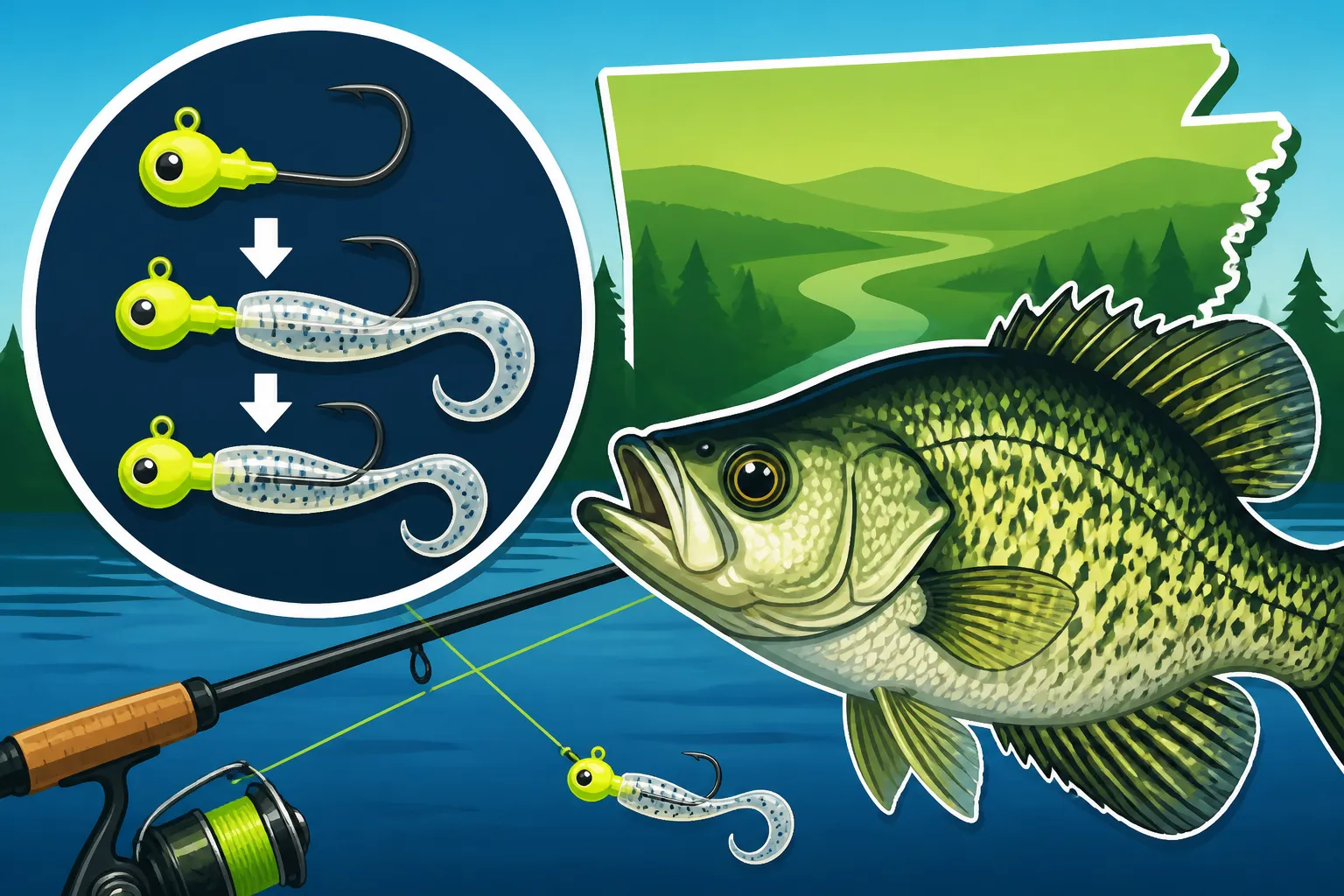
This is where you bring your jig to life. The goal is to make the soft plastic sit straight on the hook, ensuring a natural swimming action.
- Measure and Align: Hold your soft plastic bait next to the jig head. Note where the hook point should exit the body to keep the bait straight.
- Insert the Hook: Start by inserting the hook point into the nose of the soft plastic bait. Push it down the center of the bait, just far enough so the eye of the jig head is snug against the nose of the bait, and the plastic body is threaded onto the hook shank.
- Exit Point: Guide the hook point out of the soft plastic body at the pre-determined exit point you noted in step one. The body should be straight, not bunched up or curved. If it's not straight, pull the plastic off and try again. A crooked bait will spin in the water, which can twist your line and deter fish.
Many soft plastics, like those from Bobby Garland or Johnson Fishing, are designed with a small indentation or mark to help you align them perfectly. Take your time with this step, as a well-rigged plastic will significantly outperform a poorly rigged one.
Adding Live Bait to Your Jig
Sometimes, tipping your jig with live bait is the secret sauce. This enhances the jig's appeal with natural scent and irresistible movement.
- Minnows: If using a minnow, you have a couple of options.
- Through the Lips: Gently pass the hook point through both lips of the minnow, starting from the bottom lip and exiting through the top. This allows the minnow to swim naturally, but it's easier for crappie to steal.
- Behind the Dorsal Fin: Carefully insert the hook just behind the minnow's dorsal fin, keeping it shallow so you don't hit the spine. This often keeps the minnow livelier and harder for crappie to get off the hook without biting.
- Worms: If using a small piece of worm, thread it onto the hook like you would a soft plastic, ensuring it covers the hook point and dangles naturally. The scent trail from the worm can be a powerful attractant.
Combining a bright jig head and soft plastic with a lively minnow can be a deadly combination, especially when crappie are finicky. Remember that sometimes Do You Need Live Bait for Crappie is the question of the day, and being prepared for both scenarios is key.
Depth and Presentation
Once your jig is rigged, the next step is getting it to the fish and making it look appetizing. Crappie often suspend at specific depths, so finding that "strike zone" is critical.
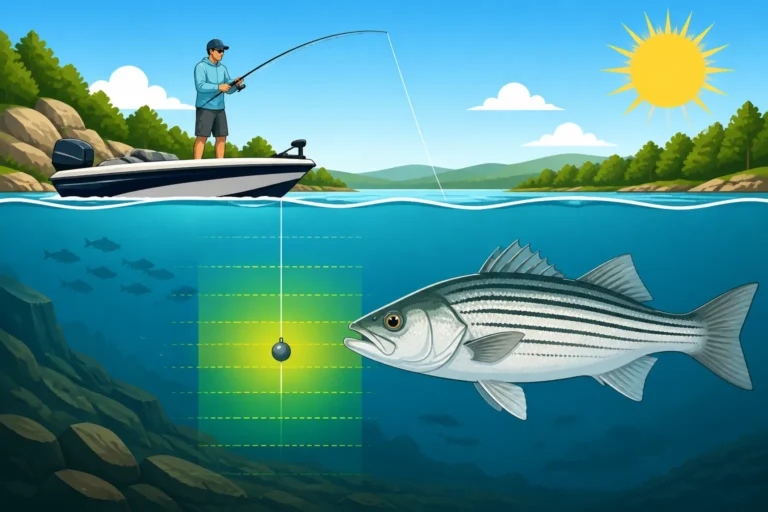
- Finding the Depth: Use your fish finder if you have one to locate schools of crappie or submerged structure. If not, start by making a cast and counting down as your jig sinks. For example, if you know crappie are holding at 10 feet, and your 1/16 oz jig sinks about a foot per second, you'd count to 10. Vary your retrieve to find the exact depth they're feeding at.
- Jigging Action: Once at the desired depth, apply a retrieve that mimics wounded baitfish or insects. This could be a slow, steady retrieve with occasional twitches, or a lift-and-drop motion. Experiment with different speeds and actions until you find what triggers a bite. Sometimes a subtle quiver is all it takes, other times a more aggressive snap. When you are on a lake like Lake Monticello, which has specific Lake Monticello crappie limit drops to 15 fish per day rules, knowing their depth is essential for targeting them efficiently.
Advanced Tips and Common Mistakes to Avoid
Even with the basics down, there's always more to learn and subtle adjustments that can dramatically improve your crappie catch. Avoid common pitfalls, and you'll be well on your way to becoming a crappie master.
Reading the Water and Adjusting to Conditions
Crappie fishing isn't a one-size-fits-all endeavor. The conditions change constantly, and the best anglers are those who can read the water and adapt.
- Water Clarity: In clear water, opt for more natural colors like white, pearl, or clear glitter. In stained or muddy water, bright colors like chartreuse, orange, or hot pink often stand out better. Darker colors like black or blue can also create a better silhouette in dingy water.
- Weather: Overcast days often mean crappie are shallower and more active. Sunny days might push them deeper or tighter into cover. Wind can make jig presentation challenging but can also create current that positions baitfish and, in turn, crappie.
- Time of Day/Season: Early morning and late evening are prime times, as are the spring and fall spawn periods. Knowing the Best Time to Catch Crappie in Arkansas is a game-changer. During the heat of summer, crappie often retreat to deeper, cooler water. Adjust your jig weight and presentation accordingly.
Always pay attention to what the fish are telling you. If one color or action isn't working, don't be afraid to change it up. Keep a range of options handy, and you can easily resupply your tackle box with specific colors and sizes from stores like Amazon.
Avoiding Snags and Lost Jigs
Fishing for crappie means fishing around structure—and structure means snags. Losing jigs is an inevitable part of the game, but there are ways to minimize it.
- Vertical Presentation: When fishing dense cover, try vertical jigging directly over the structure instead of casting into it. This allows for more precise control and reduces the chances of snagging on the cast or retrieve.
- Weedless Jigs: Some jig heads come with weed guards (small wire or bristle protectors) that deflect snags. These can be incredibly useful when fishing heavy brush piles or lily pads.
- Light Line (Paradoxically): While you don't want too light a line that breaks easily, using a slightly lighter test line than you might for other species can sometimes allow you to straighten the hook on a snag and retrieve your jig, rather than breaking off your entire line. This is a delicate balance, of course.
- Patience and Angle: If you feel a snag, don't just pull harder. Try giving the line some slack, then gently twitch it. Sometimes the jig will fall free. If that doesn't work, try moving your boat or position to change the angle of your pull. A different angle can often dislodge a snagged jig.
Mastering Jigging Action
The way you move your jig is often more important than the jig itself. Crappie are finicky, and finding the right action for the day can take some experimentation.
- Lift and Drop: A classic technique where you lift your rod tip a foot or two, then let the jig fall back on a semi-slack line. Most bites occur on the fall.
- Slow Roll: A steady, slow retrieve where the jig barely moves. This is often effective when crappie are lethargic or in cold water, allowing them more time to react.
- Twitching: Small, subtle twitches of the rod tip, just enough to make the jig "dance" in place. This can be deadly around vertical cover like standing timber.
- Pulsing: For tube jigs, a gentle jigging motion that makes the tentacles pulse and breathe.
Remember, crappie often react to subtle movements. Start with small, subtle actions and only increase the aggressiveness if the fish aren't responding. The key is to make your presentation look as natural as possible, mimicking the movements of a helpless baitfish or insect. Sometimes, just having the Best Live Bait for Crappie Fishing isn't enough; you need to make it dance.
Disclaimer
Fishing regulations and conditions in Arkansas can change. Always consult the latest Arkansas Game and Fish Commission regulations before heading out. This guide provides general information and recommendations, but local conditions and rules should always take precedence. Be safe, ethical, and have fun on the water!