Best Time to Fish Bull Shoals Lake Arkansas for Trout
Figuring out the absolute best time to chase trout on Bull Shoals Lake, or more specifically, its renowned tailwater, can feel like trying to solve a complex puzzle. It's not just about picking a random Saturday; factors like the season, time of day, and even the dam's release schedule play a colossal role in your success. This comprehensive guide will meticulously break down the prime windows and crucial considerations for trout fishing in the Bull Shoals area, ensuring you're equipped with the knowledge to plan a truly memorable and productive trip.
Understanding Bull Shoals Lake's Unique Trout Fishery
When people talk about trout fishing around Bull Shoals Lake, there's often a common misconception: that you're fishing for trout in the main lake itself. While a few stragglers might wander into the colder depths of the lake, the real magic, and the vibrant trout fishery, happens in the cold, life-giving waters below the Bull Shoals Dam. This tailwater section of the White River is a world-class trout destination, and understanding this distinction is the first step to a successful trip.
Lake Trout Versus Tailwater Trout
Let's clear this up right from the start. Bull Shoals Lake is a massive, warm-water impoundment, a fantastic habitat for species like largemouth bass, crappie, and especially striped bass. These fish thrive in the warmer temperatures. Trout, however, are cold-water fish. They need consistently chilly water to survive and prosper. This is where the Bull Shoals Dam comes into play. The water released from the bottom of the dam comes from the deepest, coldest parts of the lake, creating an ideal, year-round cold-water environment for trout in the river below.
So, when we talk about fishing for trout at Bull Shoals, we're almost exclusively talking about fishing the White River tailwater that flows directly out of the dam. This distinction is crucial because the fishing techniques, species present, and optimal timing will be entirely different from what you'd use on the main lake. You're entering a unique ecosystem where water temperature is artificially controlled by human engineering, providing a consistent, chilly haven for trout even in the heat of an Arkansas summer. If you've ever tried to catch trout in a warm lake, you know the frustration; here, that frustration is largely eliminated thanks to the dam.
Stocking Programs and Species Diversity
The reason the White River below Bull Shoals Dam is such a phenomenal trout fishery isn't just because of the cold water; it's also thanks to the diligent efforts of the Arkansas Game and Fish Commission (AGFC). They maintain robust stocking programs that ensure a healthy and diverse population of trout for anglers to enjoy. Without these regular infusions, the river wouldn't sustain the numbers of fish it does, making every successful catch a testament to these conservation efforts.
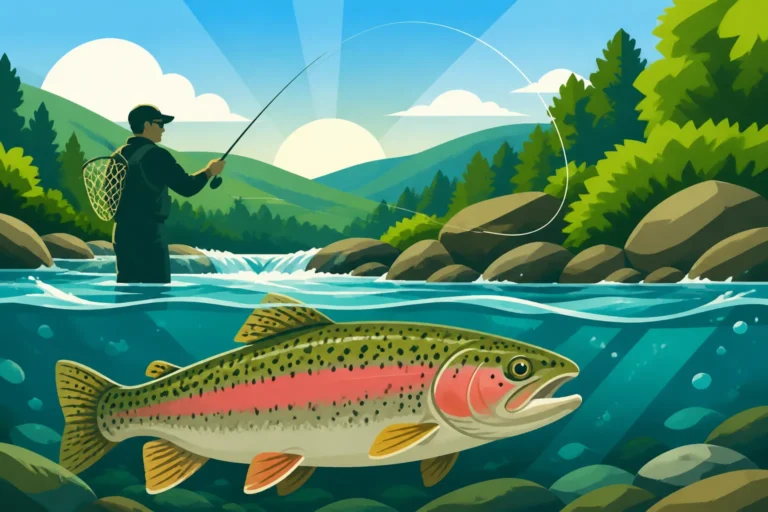
The primary species you'll encounter are Rainbow Trout and Brown Trout. Rainbows are the most frequently stocked and, consequently, the most commonly caught. They're known for their acrobatic fights and willingness to bite a variety of baits and lures. Browns, on the other hand, are often larger, more elusive, and can offer a truly challenging and rewarding experience for trophy hunters. While less common, anglers might also occasionally encounter brook trout and cutthroat trout, adding an extra layer of excitement to each cast. These stockings, coupled with excellent natural forage, allow some brown trout to grow to truly impressive sizes, making the White River a bucket-list destination for many. You can learn more about the specific populations and rules for targeting these fish by checking out guides like Rainbow Trout Fishing Below Bull Shoals Dam and Brown Trout Fishing on Arkansas's White River.
Seasonal Breakdown for Optimal Trout Fishing
Understanding the annual cycles of the White River tailwater is paramount to planning your trip. Each season presents unique opportunities and challenges, influencing trout behavior and the techniques you'll need to employ. There's truly no "bad" time to fish this river, but certain seasons shine brighter for specific types of fishing or target species.
Spring: Rising Waters and Active Fish
As winter's chill loosens its grip from March through May, the White River tailwater comes alive. This period is often characterized by fluctuating water levels due to increased dam releases, as the Army Corps of Engineers manages spring runoff. While this can make wading more challenging, it also means a surge of new food washed into the river, making trout incredibly active and eager to feed.
Spring trout are typically very aggressive. They're shaking off the slower metabolism of winter and actively seeking calories. This means both spin fishing and fly fishing can be incredibly productive. For spin anglers, this is a prime time for drifting popular baits like Berkley PowerBait, small pieces of corn, or even a classic nightcrawler. Small inline spinners, such as Mepps Aglias or Rooster Tails, twirled through current seams, can also be deadly. Fly anglers will find success with a variety of nymph patterns that imitate emerging insects, and as insect hatches begin in earnest, opportunities for dry fly fishing can emerge, especially on warmer, overcast days. It's a season of vibrant activity, where the river's energy is palpable, making it a favorite for many local anglers.
Summer: Deep Runs and Early Mornings
From June through August, while much of Arkansas is sweltering under the summer sun, the White River tailwater remains a cool oasis, thanks to those consistent cold-water releases from Bull Shoals Dam. However, the trout, while still present and active, will often adjust their behavior to the sustained light and generally lower, more stable flows often seen in mid-summer.
During these warmer months, trout tend to seek out the deepest, coolest, and most oxygenated parts of the river. This means concentrating your efforts on deep runs, shaded banks, and areas with noticeable current. The bite often slows during the brightest parts of the day, making early morning and late evening the absolute sweet spots for fishing. For fly fishermen, deep nymphing rigs with small midges or Tricos are highly effective, mimicking the abundant tiny insects. Terrestrial patterns like hoppers and beetles can also entice fish hiding under bankside vegetation. Spin fishermen might want to try drift fishing with live worms or casting small jigs tipped with grub tails into deeper pockets. Remember, the sun can be intense, so packing a good wide-brimmed hat, polarized sunglasses, and some high-quality sunscreen is a must. You can find excellent options for these essentials, along with lightweight, breathable fishing shirts that offer UV protection, on Amazon. It's all about adapting to the conditions and finding where the trout are comfortable.
Fall: Trophy Brown Trout Season
Many seasoned anglers will tell you that autumn, specifically from September to November, is arguably the pinnacle of trout fishing on the Bull Shoals tailwater, particularly if you're chasing trophy-sized Brown Trout. As the days shorten and water temperatures become even more stable, brown trout begin their pre-spawn and spawning rituals, making them more aggressive and prone to making mistakes.
This is the season when those truly massive brown trout, often elusive for the rest of the year, become more catchable. They're actively feeding and defending spawning redds, making them more willing to strike at larger, more enticing presentations. For fly anglers, streamer fishing truly shines. Casting and stripping large, baitfish-imitating patterns like Woolly Buggers, Sculpzilla, or even articulated streamers can provoke explosive strikes from hungry browns. Spin fishermen should consider larger jerkbaits, swimbaits, and even crankbaits that mimic the baitfish these predators gorge on. The combination of beautiful fall foliage, cooler temperatures, and the potential for a fish of a lifetime makes this a highly anticipated time of year. While other trout species are still very active, the focus for many during fall is undoubtedly on those magnificent browns. To truly understand these magnificent fish, check out our guide on Where to Catch Brown Trout on Arkansas's White River.
Winter: Consistent Action and Solitude
Don't let the colder temperatures of December through February deter you; winter on the Bull Shoals tailwater offers some of the most consistent trout fishing of the year, coupled with the serene solitude that many anglers crave. While fair-weather fishermen might pack away their gear, dedicated trout enthusiasts know that the dam's consistent cold-water releases mean trout remain active throughout the winter months.
The stable water temperatures flowing from the dam ensure that trout don't become as sluggish as fish in other, naturally-fed rivers. They continue to feed, albeit perhaps with a bit more discretion. What winter offers is often fewer anglers on the water, allowing for a more peaceful and focused fishing experience. Tactics tend to lean towards finesse. Fly anglers will find immense success with tiny nymph patterns like Zebra Midges, Pheasant Tails, or San Juan Worms, often fished under an indicator in slower, deeper pools. Spin fishermen can continue to do well with PowerBait, small pieces of corn, or very small jigs (1/32 to 1/16 ounce) tipped with a white or chartreuse grub, fished slowly along the bottom. Dress in layers, pack a thermos of hot coffee, and embrace the quiet beauty of a winter day on the White River; the trout are definitely still biting. You might even find some crossover tips from our Winter Trout Fishing on the Norfork Tailwater in Arkansas guide.
Daily Timing and Environmental Factors
Beyond the season, the precise time of day and the ever-changing environmental conditions exert a tremendous influence on trout activity. Ignorance of these factors can mean the difference between a triumphant day on the water and one spent mostly admiring the scenery, so paying attention to the details is crucial.
Optimal Times of Day
Just like us, trout have peak activity periods, and these often correlate with light levels and feeding opportunities. While every day is different, there are general patterns that usually hold true. As a rule of thumb, early mornings and late evenings are often the most productive times. During these "golden hours," the light is softer, and insect activity (and thus, trout feeding) tends to be at its peak. This is particularly true in the warmer months of summer when mid-day sun can drive fish deeper and make them more lethargic.
However, in the cooler months of fall and winter, or on overcast days, the mid-day bite can be surprisingly strong. Trout might feel more comfortable feeding throughout the day when bright sunlight isn't piercing the water. The key is observation: watch for rising fish, insect hatches, and any changes in activity. Being flexible with your schedule and willing to start before dawn or stay past dusk can significantly improve your catch rates. Our specific guide on Best Time of Day to Fish the Bull Shoals Arkansas Tailwater delves deeper into these daily nuances.
Impact of Water Generation Schedules
This is perhaps the single most critical factor for successful fishing on any tailwater, and Bull Shoals is no exception. The dam's water release, or "generation" schedule, dictates the river's flow, depth, and current speed, profoundly affecting where trout hold and how they feed. Ignoring this schedule is akin to fishing blindfolded; it's a mistake many new anglers make.
Before you even leave home, you should always check the generation schedule. This information is typically available on the Southwestern Power Administration (SWPA) website or through various local outfitters and resources. When the generators are running, the water level rises significantly, and the current becomes much stronger. During these "high water" periods, trout will spread out, often holding closer to the banks, behind submerged structure, or in eddies where the current is less intense. You'll need heavier weights for spin fishing and larger, heavier flies for fly fishing to get your presentation down to where the fish are holding. Conversely, during "low water" or "no generation" periods, the river is shallower and slower. This is when wading becomes a viable option, and trout tend to concentrate in deeper pools and runs. Finesse presentations and lighter tackle often work best, allowing you to target fish more precisely in these confined areas. Planning your day around these generation cycles isn't just helpful; it's absolutely essential for safety and success. When the water rises quickly, it can create dangerous wading conditions, so be sure you have the right gear, including quality wading boots and a sturdy wading staff, which you can easily find on Amazon.
Weather and Water Conditions
Beyond the seasons and daily schedules, the day-to-day weather and the resulting water conditions can also play a role in trout behavior. While the cold-water releases from Bull Shoals Dam make the tailwater less susceptible to extreme temperature swings than other rivers, other meteorological factors still matter.
Generally, overcast days are often more productive than bright, sunny days. The diffused light makes trout feel more secure and encourages them to move out from cover to feed more actively. Stable weather patterns, without drastic changes in temperature or barometric pressure, also tend to lead to more consistent fishing. Approaching cold fronts or sudden drops in temperature can sometimes put fish off the bite for a short period. Rain, on its own, can be a mixed bag. A light, steady rain can sometimes increase water flow, wash insects into the river, and stimulate feeding. However, heavy, prolonged rains, especially further downstream, can lead to muddy runoff from tributaries, reducing water clarity and making fishing much more challenging. Trout are primarily sight feeders, so clear water is generally preferred. Keeping an eye on the forecast and being prepared for changes, both in terms of clothing and fishing tactics, is part of being a well-prepared angler. For more insights on this, our Weather and Water Temperature Fishing Tips guide provides excellent advice.
Essential Gear and Techniques for Bull Shoals Trout
Having the right equipment and knowing how to use it effectively are fundamental to trout fishing success on the White River. Whether you're a spin fisherman or a fly angler, a few key pieces of gear will make your experience more enjoyable and productive.
Recommended Rods, Reels, and Line
Choosing the right setup means matching your gear to the size of the fish you're targeting and the typical conditions of the river. You don't want to bring a heavy saltwater setup to catch a delicate trout, nor do you want to be undergunned when a trophy brown hits your line.
For spin fishing, ultra-light to light action rods, typically between 5 and 6 feet in length, are ideal. These rods provide the sensitivity needed to detect subtle bites from trout and the flexibility to protect light lines during a fight. Pair these with small spinning reels (sizes 1000 to 2000) spooled with 2 to 6-pound test line. Monofilament is a classic choice for its stretch and forgiving nature, while fluorocarbon offers excellent abrasion resistance and near invisibility in the water, which can be a huge advantage in clear tailwater conditions. For beginners looking for a solid and affordable setup, you can often find reliable light action combos from brands like Ugly Stik or Shakespeare on Amazon, making it easy to get started without breaking the bank.
For fly fishing, a 4 to 6-weight rod, typically 8.5 to 9 feet long, is the standard. A 5-weight is a versatile choice that handles most situations well. You'll want a matching fly reel with a smooth drag system and both floating and sinking-tip fly lines to adapt to different techniques and water levels. Leaders and tippets ranging from 4x to 6x are generally appropriate, allowing for delicate presentations while still having enough strength to land larger fish. High-quality fly gear from brands like Orvis or Redington can also be found through online retailers.
Effective Baits and Lures
The White River tailwater trout can be enticed by a wide array of presentations. The key is often matching the hatch (for fly fishing) or mimicking natural forage.
For spin fishermen, the list of effective baits is tried and true. PowerBait in various colors (chartreuse, rainbow, pink) fished off the bottom with a small weight and hook is a consistent producer. Small pieces of whole kernel corn are also surprisingly effective, particularly for stocked rainbows. Live baits like nightcrawlers or small redworms, drifted naturally with the current, are often irresistible. When it comes to lures, small inline spinners from brands like Mepps, Panther Martin, or the classic Rooster Tail, in sizes #0 to #2, are excellent. Small jigs (1/32 to 1/8 ounce) tipped with a soft plastic grub tail (white, chartreuse, or black) can be deadly when bounced along the bottom or slowly retrieved. Remember, presentations should often be subtle and natural in clear tailwater.
Fly anglers have an even broader palette of options, dictated by the prevalent insect life. Nymphs are often the most consistent producers, imitating the subsurface larval stages of insects. Popular patterns include Prince Nymphs, Pheasant Tails, Hare's Ears, and Caddis Larva. Midges, especially tiny Zebra Midges, are essential, as midges hatch year-round. When water levels are higher or when targeting larger brown trout, streamers like Woolly Buggers (black, olive, white), Sculpzilla, or Clouser Minnows can imitate baitfish and provoke aggressive strikes. Finally, during specific hatches, dry flies such as Elk Hair Caddis, Parachute Adams, or BWO (Blue-Winged Olive) imitations can provide thrilling surface action. Many of these effective baits and lures, from Berkley PowerBait to a wide range of fly patterns, are readily available on Amazon for convenience.
Wading Versus Boat Fishing
The choice between wading and fishing from a boat largely depends on the current water levels, generation schedule, and your personal preference for accessing the river. Each method offers distinct advantages and safety considerations.
Wading is often possible during periods of low or no water generation. This allows anglers to access specific runs, pools, and riffles with a stealthy, intimate approach. It's incredibly rewarding to feel the river beneath your feet and pick apart seams and eddies with precise casts. However, safety is paramount when wading any tailwater. The bottom can be slippery, and water levels can rise quickly and unexpectedly if the dam begins generating. Always wear a personal flotation device (PFD), use a sturdy wading staff, and be aware of your surroundings. Our guide on Wade Fishing Spots on the White River Below the Dam offers more specific locations and safety advice.
Boat fishing provides access to a much wider array of water, especially during periods of high water generation when wading can be dangerous or impossible. Drift boats, jet boats, or even smaller Jon boats are commonly used. Boats allow anglers to cover long stretches of river, target deeper channels, and navigate stronger currents. Many guided trips utilize boats for safety and efficiency. This method is often preferred when targeting large brown trout with streamers or plugs, as it allows for covering significant water. The table below outlines some key differences between these two common approaches:
| Factor | Wading (Low Water) | Boat Fishing (High Water/Generation) |
|---|---|---|
| Accessibility | Limited to specific access points, shallower areas | Access to wider river sections, deeper runs |
| Technique | Finesse presentations, sight fishing, covering pools | Drifting, covering long stretches, heavier tackle |
| Safety | Requires caution with currents, slippery rocks, life vest essential | Requires knowledge of river hazards, boat operation, life vest essential |
| Flexibility | Can be done solo or with small groups | Accommodates more anglers, guided trips common |
| Cost | Lower initial cost (waders, boots) | Higher cost (boat, motor, guide service) |
| Best For | Precision fishing, targeting specific fish, solitude | Covering water, targeting aggressive fish, multiple anglers |
Regardless of your chosen method, remember that obtaining the necessary licenses is non-negotiable. You'll need a standard Arkansas Fishing License Rules and Costs, and if you plan to keep any trout, you'll also require an Arkansas Trout Permit Rules. These small investments contribute directly to the health and sustainability of this incredible fishery.
Disclaimer
Fishing regulations and conditions in Arkansas are subject to change. Always consult the latest Arkansas Game and Fish Commission (AGFC) regulations before heading out on the water. This guide is for informational purposes only and does not supersede official AGFC publications.