Timber Lake Fishing Spots Inside the White River Refuge
Navigating the vastness of the White River National Wildlife Refuge to find those sweet fishing spots can feel like searching for a needle in a haystack. Many anglers, myself included, have spent countless hours just trying to figure out where to drop a line, especially in lesser-known but promising areas like Timber Lake. This guide is dedicated to pulling back the curtain on fishing Timber Lake, offering you practical advice and insight to make your next trip inside the refuge a successful and enjoyable one.
Understanding Timber Lake and the White River National Wildlife Refuge
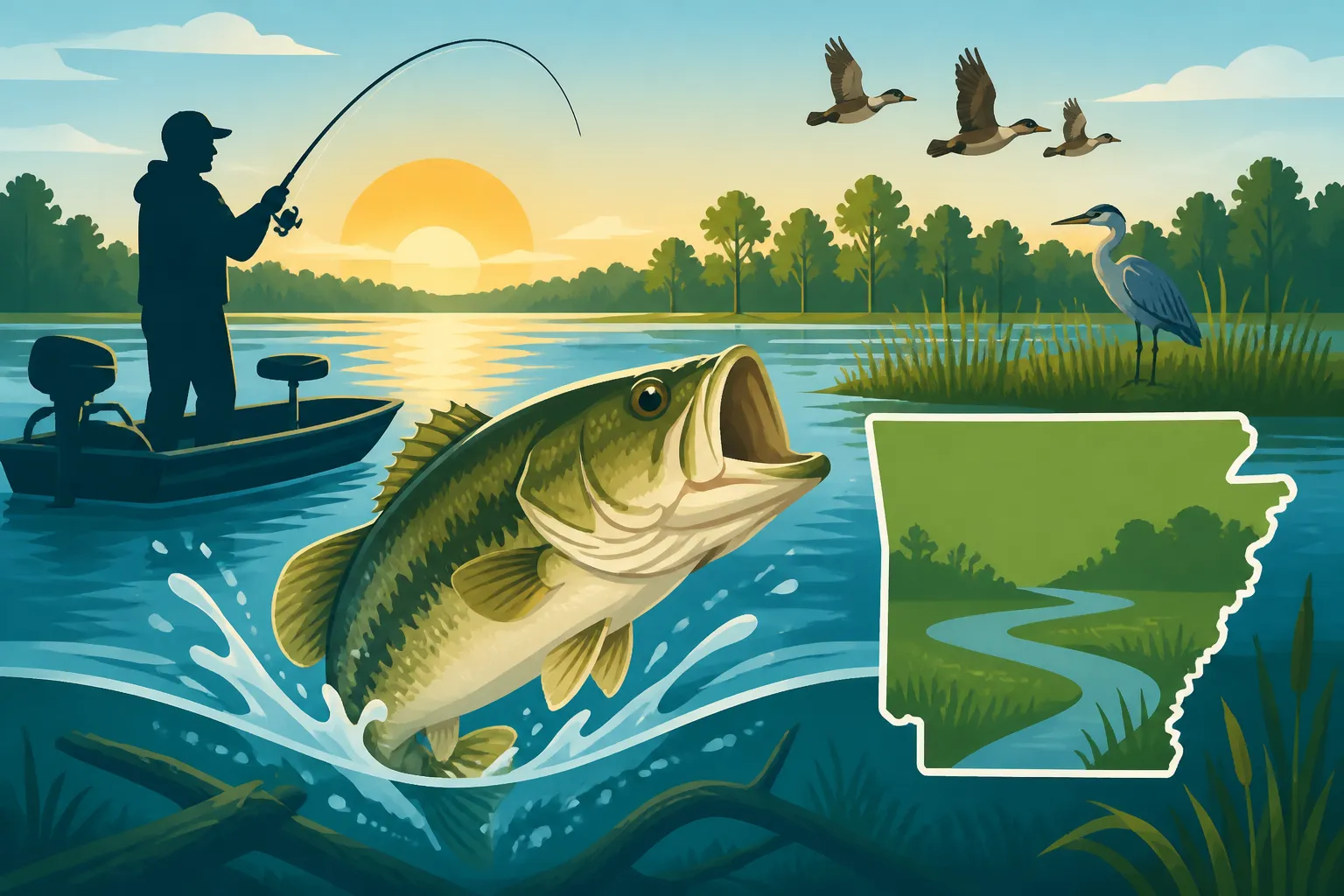
The White River National Wildlife Refuge is a sprawling, incredible natural resource in eastern Arkansas, encompassing nearly 160,000 acres of bottomland hardwood forest, sloughs, oxbow lakes, and the White River itself. It's a true gem for wildlife and anglers alike, but its wild nature can also be intimidating. Within this immense ecosystem lies Timber Lake, a destination that truly lives up to its name.
This isn't your typical open-water reservoir; Timber Lake is characterized by a dense, often flooded forest environment, creating a unique challenge and reward for those willing to explore its depths. The "timber" refers to the countless submerged logs, standing dead trees, and stumps that litter its waters, providing incredible habitat for fish but posing navigation hazards for boaters. It’s a place where patience and a specific approach are far more valuable than speed and wide-open casting. For a broader understanding of this amazing area, check out our guide on the White River National Wildlife Refuge in Arkansas.
What Makes Timber Lake Unique for Anglers?
Timber Lake isn't just another body of water; it’s a living, breathing example of a timber-filled refuge lake, a true submerged forest. This means the fishing experience here is vastly different from what you might find on a large, open lake like Lake Ouachita or Bull Shoals. The water levels can fluctuate significantly, especially during seasonal river rises, which directly impacts fish behavior and accessibility. When the White River swells, it often floods the adjacent low-lying areas, including Timber Lake, connecting it more directly to the river system and bringing in new fish and nutrients.
The unique submerged timber acts as a natural fish attractor, providing crucial cover, shade, and ambush points for predatory species. It's an ideal environment for species like crappie, largemouth bass, and various panfish, which thrive in such structured habitats. The dense cover also offers protection from larger predators and allows smaller fish to forage safely. However, it also means snagging lures is an almost inevitable part of the experience, and navigating a boat requires extreme caution and often a specialized approach. You're essentially fishing within a forest, which demands different skills and equipment. This environment makes Timber Lake a prime spot among other Fish Species Found in Timber-Filled Refuge Lakes.
Navigating the White River National Wildlife Refuge
Getting to Timber Lake and safely navigating its waters requires a bit of homework and a healthy dose of respect for the wilderness. The refuge has specific regulations regarding access, boat motors, and even fishing methods, so always consult the latest Arkansas Game and Fish Commission (AGFC) regulations before heading out. Access points can be somewhat rustic, often involving gravel roads and boat ramps that might not be suitable for larger boats or those without four-wheel drive, especially after heavy rains. You'll want to review the various Boat Access Points for the White River National Wildlife Refuge to ensure you pick the most suitable launch for your setup.
Finding your way around once you're on the water is another challenge. GPS units or reliable mapping apps are highly recommended. Many areas within the refuge, including parts of Timber Lake, can look quite similar, and getting turned around is easier than you might think, especially when the water levels are high and roads or trails are submerged. The vastness and the dense cover can also make cell service spotty, so don't rely solely on your phone. It's a place where a true adventure unfolds, and being prepared is key to enjoying the solitude and the incredible fishing it offers. For those who prefer a bit of local guidance, looking for experienced guides on platforms like FishingBooker can be a great way to learn the ropes of these intricate waters without the initial stress of navigation.
Prime Fishing Spots and Techniques on Timber Lake
Fishing Timber Lake successfully isn't about covering vast stretches of water quickly; it's about methodically working the abundant structure. Think of it like a chess game, where you're anticipating the fish's moves around the underwater obstacles. The lake's character changes with the seasons and water levels, so adaptability is your best friend here.
Key Structures and Cover for Fish
The name "Timber Lake" isn't just a catchy title; it's a literal description of the fishing environment. The entire lake is riddled with submerged timber – standing dead trees, fallen logs, stumps, and root systems. These are not just obstacles; they are the lifeblood of the fishery. Fish use these structures for everything: ambush points for feeding, protection from predators, shade from the harsh sun, and current breaks during higher water flows.
When you're out there, pay close attention to the densest clusters of timber. These "lumber yards" are often crappie and bass magnets. Look for subtle changes in depth around these structures, deeper pockets, or old creek channels that wind through the timber. These can be highways for fish moving between different areas. Lily pad fields, especially those near deeper water or submerged logs, are also prime targets, offering both cover and food sources. Don't overlook the edges where the timber thins out, or where a slight current might be moving, bringing food to waiting fish. These transition zones are often highly productive. For those days when you're looking for an escape from the crowds, these dense areas certainly qualify as some of the Remote Fishing Spots Inside Arkansas's White River Refuge.
Best Baits and Lures for Timber Lake
Given the snag-filled environment, choosing the right baits and lures for Timber Lake is paramount. You'll want presentations that can be worked through or around heavy cover effectively, or that are cheap enough that losing a few doesn't break the bank.
For crappie, small jigs are king. Think 1/16 oz to 1/8 oz jig heads paired with soft plastic bodies like Bobby Garland Baby Shads or Crappie Magnets. Colors like chartreuse, black and chartreuse, or white often work well. Tipping your jig with a live minnow can be incredibly effective, especially when vertical jigging directly into dense timber. For bass, weedless presentations are your best bet. Texas-rigged soft plastics (worms, creature baits, flukes) are excellent because the hook point is buried, reducing snags. Spinnerbaits and chatterbaits, especially those with good weed guards, can be surprisingly effective for covering water around the timber, deflecting off logs and drawing reaction strikes. Topwater frogs or hollow-bodied frogs fished over matted vegetation or lily pads can lead to explosive strikes. Don't forget simple live bait like worms or crickets for panfish if you're looking for consistent action, especially for a family outing. You'll find success with these recommendations among the Best Crappie Fishing Spots in the White River National Wildlife Refuge and for Largemouth Bass Fishing on Arkansas's White River.
Table: Target Species & Recommended Techniques for Timber Lake
| Species | Primary Location | Recommended Lures/Baits | Key Technique |
|---|---|---|---|
| Crappie | Dense submerged timber, log piles, old creek channels | Small jigs (1/16-1/8 oz) with soft plastics, live minnows | Vertical jigging, slow retrieve |
| Largemouth Bass | Heavy cover, lily pads, stumps, laydowns | Texas-rigged soft plastics, spinnerbaits, topwater frogs | Pitching, flipping, slow rolling |
| Catfish | Deeper holes, main channel, around log jams | Cut bait, chicken liver, stink bait, worms | Bottom fishing |
| Panfish (Bream/Bluegill) | Shallow timber, lily pads, brush piles | Worms, crickets, small jigs, poppers | Float fishing, light tackle |
Targeting Specific Species in Timber Lake
Fishing Timber Lake is a fantastic way to experience the thrill of diverse species in a truly wild setting. Each fish has its preferred habitat and feeding patterns, and understanding these can significantly boost your success.
Mastering Crappie Fishing in the Timber
Crappie are arguably the stars of Timber Lake. They absolutely adore the dense, submerged timber that gives the lake its name. When you’re crappie fishing here, you’re not just casting; you’re often surgical in your approach, working your bait into tight pockets that other anglers might shy away from.
The key to consistently catching crappie in Timber Lake is precision and patience. Most anglers will find success by vertical jigging. This involves using a sensitive rod, a light line (4-6 lb test fluorocarbon or monofilament), and a small jig or a minnow on a hook. You'll slowly drop your bait straight down next to a tree trunk, a log, or into the middle of a brush pile. Watch your fish finder closely if you have one, or simply use your experience to feel for subtle bites. Crappie bites can be incredibly light, sometimes feeling like just a slight pressure or a "tick" on your line. Work slowly, moving from one piece of structure to the next, until you find a school. Once you do, remember that spot – crappie tend to school up, so where you catch one, there are often more. For detailed seasonal patterns, our Arkansas Crappie Spring Spawn Pattern and Best Time to Catch Crappie in Arkansas guides offer valuable insights that apply even in refuge lakes. If you're struggling to navigate the timber, consider using a local guide found on FishingBooker; many specialize in crappie fishing in challenging environments like Timber Lake.
Bass Fishing Among the Trees
Largemouth bass are also abundant in Timber Lake, thriving in the same dense cover that attracts crappie. However, catching them often requires a more aggressive approach and heavier tackle to extract them from the thick stuff. Think about how a bass ambushes its prey – they love to hide in the shadows and dart out. The timber offers them countless such ambush points.
Your best strategy for bass here involves pitching and flipping weedless baits directly into the thickest cover you can find. Texas-rigged soft plastics, such as creature baits, worms, or even jigs with weed guards, are ideal. Use a stout rod (medium-heavy to heavy action) and a strong line (15-20 lb fluorocarbon or even braided line) to handle the abrasion from the timber and to quickly pull a fish out before it can wrap you around a stump. Another highly effective technique, especially during warmer months, is fishing topwater frogs or hollow-bodied lures over lily pads and matted vegetation. The explosive strikes from bass hiding underneath are truly exhilarating. Remember, bass are often right up against the cover, so precision casting is crucial. These tactics are covered more broadly in our Bass Fishing Techniques for Beginners and specifically for Largemouth Bass Fishing on Arkansas's White River.
Catfish and Panfish Opportunities
While crappie and bass often steal the spotlight, Timber Lake also offers fantastic opportunities for catfish and panfish, making it a great spot for anglers of all skill levels, especially if you're bringing kids along.
For catfish, particularly channel catfish and flathead catfish, focus on deeper pockets, main channels that run through the lake, or large log jams where they can hide and ambush prey. Simple bottom fishing techniques with cut bait, chicken liver, or even worms can be incredibly effective. Cast your bait out, let it sink to the bottom, and wait. Night fishing can be particularly productive for catfish, as they are often more active feeders after dark. If you're interested in understanding the different species, our guide on Catfish Species Found in Arkansas will be helpful.
Panfish, like bluegill and bream, are abundant and provide excellent action, especially for beginners or those seeking a relaxing day. They're often found in shallower water, around lily pads, brush piles, and the edges of the timber. A simple cane pole, a hook, a bobber, and some worms or crickets are all you need. The bites are usually frequent and enthusiastic, making it a perfect way to introduce someone to fishing. These fish are also delicious when fresh, making them a popular target.
Planning Your Fishing Trip to Timber Lake
A successful trip to Timber Lake involves more than just knowing where to cast; it requires careful planning for both gear and safety, and an understanding of the best times to visit.
Essential Gear and Safety Considerations
Since Timber Lake is nestled deep within a wildlife refuge, preparation is key. Here's a quick rundown of what you absolutely should consider bringing:
- Boat: A shallow-draft boat like a jon boat, kayak, or canoe is often ideal due to the submerged timber. If you're using a larger boat, be extremely cautious and consider a trolling motor with a strong battery for navigating the tight spots. A reliable motor guard for your propeller can save you a lot of headaches.
- Navigation: A GPS unit, detailed maps, or a reliable app on a fully charged phone (with a power bank!) is non-negotiable. Mark your entry and exit points.
- Safety Gear: Life jackets (worn!), first-aid kit, whistle, paddle (even if you have a motor), and a throw cushion. Let someone know your float plan.
- Fishing Tackle: As discussed, weedless setups for bass, light tackle for crappie and panfish, and plenty of extra hooks and weights, as snags are common. Don't forget a net for landing fish in tight quarters.
- Clothing & Supplies: Layered clothing suitable for varying weather, rain gear, sunscreen, insect repellent (especially important in the refuge), plenty of water and snacks.
- Licenses: Make sure you have your current Arkansas Fishing License Rules and Costs and any necessary permits.
Regarding safety, the biggest concern is navigation within the timber. Go slow, always be aware of your surroundings, and never assume what's beneath the surface. Water levels can change rapidly, exposing or submerging new obstacles. Be mindful of wildlife; you're in their home. The White River National Wildlife Refuge is a remote area, so help can be a long way off. Always prioritize safety over catching another fish.
Best Times to Visit and Local Insights
The best time to fish Timber Lake depends largely on your target species and the prevailing water conditions. Generally, spring and fall are prime seasons for a variety of fish.
- Spring (March-May): As water temperatures rise, crappie and bass move into shallower areas to spawn. This can be some of the most exciting fishing, but high water from river flooding can make access and navigation tricky. Check water levels before you go. This is a fantastic time to hit the Best Time to Fish White River Refuge Lakes for Crappie.
- Summer (June-August): Fishing can be good early and late in the day as fish seek deeper, cooler water or shade during the heat. Catfish can be very active at night. Insect pressure is usually at its peak, so be prepared.
- Fall (September-November): As temperatures cool, fish become very active, feeding heavily in preparation for winter. This is a highly productive time for both bass and crappie, and usually offers more comfortable weather for anglers.
- Winter (December-February): While challenging, winter can offer surprisingly good crappie fishing in deeper timber pockets, especially on warmer, sunny days. Bass will be slower but can still be caught with slow presentations.
Before any trip, it’s a good idea to check the weather forecast, current water levels (which can often be found on the AGFC website or Corps of Engineers sites for nearby river gauges), and recent fishing reports. Local bait shops or guides can offer invaluable, up-to-the-minute insights that can make or break your trip. If you're an out-of-state angler, remember to familiarize yourself with Nonresident Fishing License Rules for Arkansas before you arrive. For those who feel more comfortable with a seasoned expert leading the way, platforms like FishingBooker are excellent resources for finding local guides who specialize in the White River National Wildlife Refuge and can navigate Timber Lake's unique challenges with ease, enhancing both your safety and your catch rate.
Disclaimer
The information provided in this guide is for general informational purposes only. Fishing conditions, regulations, and access points can change rapidly in the White River National Wildlife Refuge. Always consult the latest regulations from the Arkansas Game and Fish Commission (AGFC) before planning your trip. Exercise caution and prioritize safety when navigating wild and remote areas.