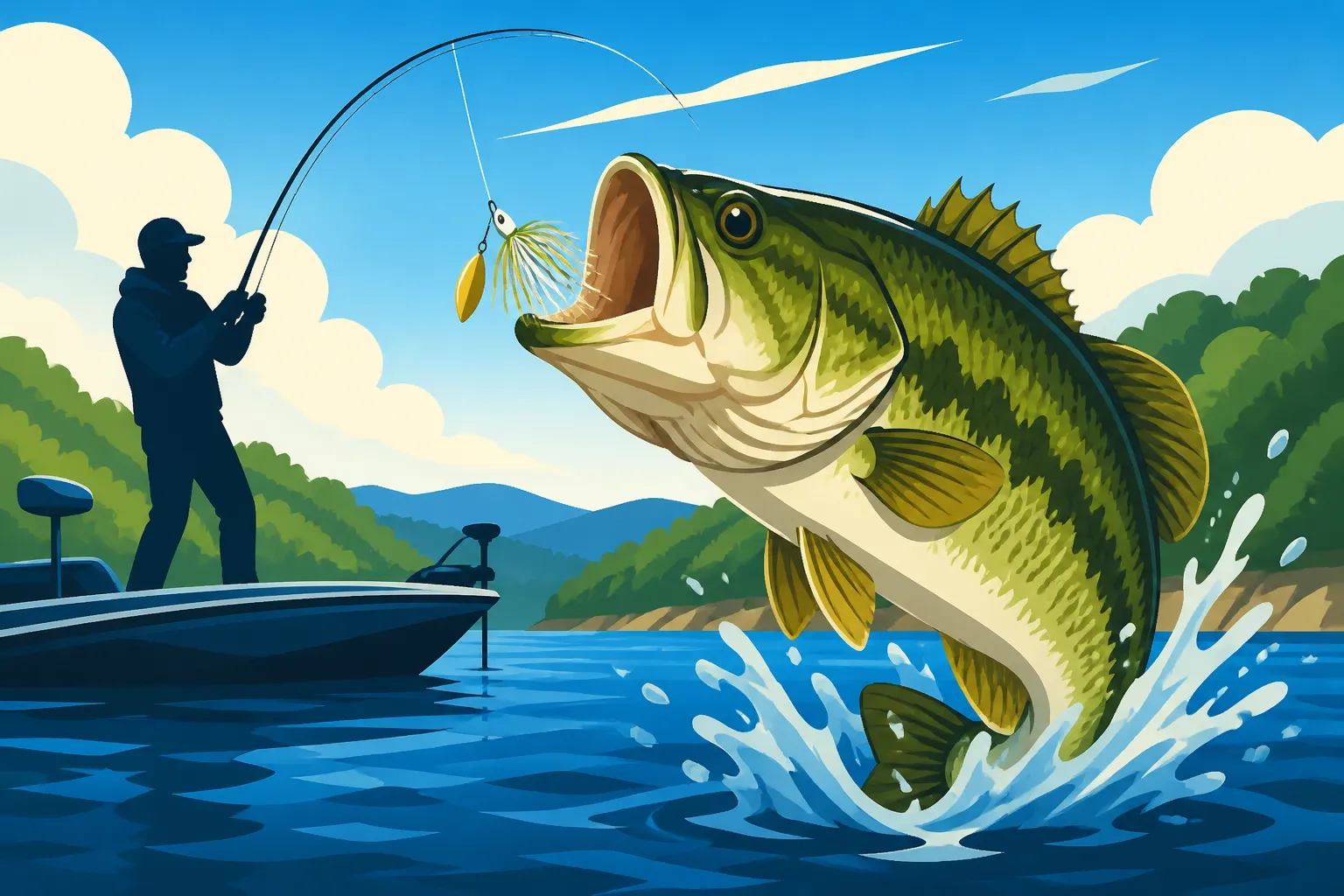
Greers Ferry Lake Bass Fishing Guide, Arkansas
It can be incredibly frustrating to arrive at a massive, renowned fishery like Greers Ferry Lake, knowing it holds incredible bass, but feeling utterly lost on where to start. You’ve heard the legends, seen the pictures, but translating that into your own successful day on the water can feel like finding a needle in a haystack. This comprehensive guide will peel back the layers of Greers Ferry, offering you the local insights and strategies you need to confidently target and catch its impressive largemouth, smallmouth, and spotted bass, turning confusion into confidence.
Discovering the Bass Fishing Potential of Greers Ferry Lake
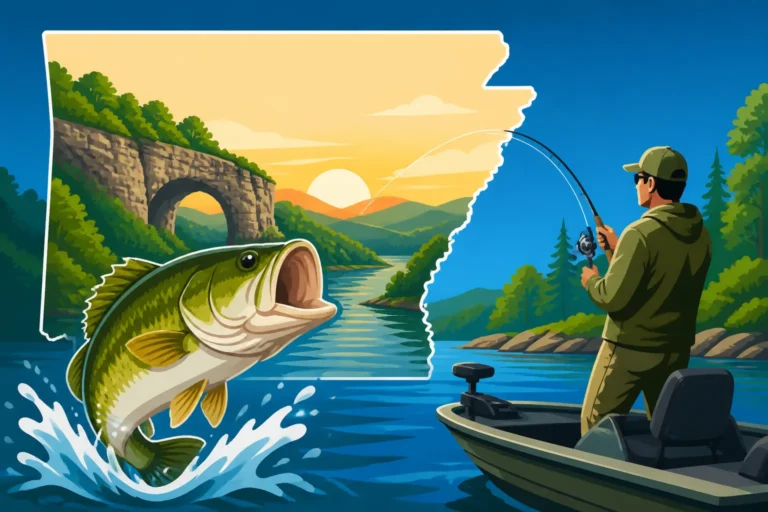
Greers Ferry Lake isn't just a pretty face in the Arkansas landscape; it's a legitimate bass fishing powerhouse. Spanning over 40,000 acres with more than 340 miles of shoreline, this U.S. Army Corps of Engineers reservoir, located in north-central Arkansas, is celebrated for its incredibly clear water and diverse underwater structure. Unlike some muddy, fertile lakes, Greers Ferry offers a different kind of challenge and reward, making it a favorite for anglers seeking quality bass. The lake's depth, often exceeding 100 feet in places, combined with numerous coves, bluffs, and standing timber, creates a complex and rich environment for bass to thrive year-round. It's a lake where understanding the nuances of water clarity and structure is often more crucial than simply throwing the loudest bait.
A Jewel Among Arkansas's Best Bass Lakes
When you talk about premier bass fisheries in Arkansas, Greers Ferry Lake consistently makes the list, often alongside giants like Lake Ouachita and Bull Shoals Lake. What sets Greers Ferry apart is its unique character: it’s a highland reservoir with exceptionally clean, deep water, providing an ideal habitat for all three major black bass species. This clarity means bass rely heavily on sight, and their ambush points are often well-defined, making precision casting and subtle presentations key. The lake's extensive shoreline, peppered with rock walls, natural points, and developed docks, offers endless opportunities for anglers to explore. It’s not just a lake for catching numbers, but often for catching larger, healthier fish that put up a phenomenal fight, a true testament to the lake's rich ecosystem and forage base.
The Trophy Potential of Largemouth, Smallmouth, and Spotted Bass
Greers Ferry Lake is a true multi-species bass haven, home to significant populations of largemouth, smallmouth, and spotted (Kentucky) bass. Each species presents its own challenges and rewards, and understanding their preferences is vital. Largemouth bass tend to be found in the shallower, warmer, and more stained waters of the lake's backs of coves and creek channels, often around submerged timber or grass beds. They love cover and ambush prey from it. Smallmouth bass, on the other hand, are kings of the clear, rocky main lake points, bluffs, and deeper humps. They prefer cooler water and are known for their incredible fighting power. Then there are the spotted bass, often found in similar areas to smallmouth but sometimes venturing slightly shallower, acting as a bridge between the other two. Greers Ferry regularly produces trophy-sized fish for all three, with double-digit largemouth, 5+ pound smallmouth, and solid spotted bass being real possibilities for dedicated anglers. Getting an Arkansas Fishing License Rules and Costs ensures you're ready to chase any of these impressive species.
Unique Water Clarity and Habitat Challenges and Opportunities
The crystal-clear water of Greers Ferry is both a blessing and a curse. While it makes for stunning scenery and healthy fish, it also means the bass are often more wary and can spot anglers or unnatural presentations from a distance. This necessitates longer casts, lighter lines, and more subtle baits, especially on sunny days. However, this clarity also presents an incredible opportunity: you can often visually spot bass holding on structure, or even see them follow your bait! The habitat is incredibly varied, from sheer rock bluffs that drop straight into 80 feet of water, to shallow, winding creek arms filled with standing timber. Understanding how bass relate to these different types of structure in varying light conditions and water temperatures is the key to consistent success on Greers Ferry. It's a lake that truly rewards those who pay attention to detail and adapt their approach.
Decoding Greers Ferry's Top Bass Hotspots
Greers Ferry Lake is vast, and knowing where to focus your efforts can be daunting. Thankfully, there are several key areas that consistently produce bass throughout the year. These aren't just random spots; they offer specific types of habitat that attract bass depending on the season, water levels, and forage availability. From the upper reaches of the river arms to the main lake's vast expanses, each zone has its own personality and demands a tailored approach. Understanding these prime locations will significantly cut down your search time and increase your chances of finding those elusive Greers Ferry bass.
The Productive North Fork and Little Red River Arms
The upper reaches of the lake, particularly the North Fork and Little Red River arms, offer a stark contrast to the clear, deep main lake. These areas tend to be shallower, with more stained water, and are often rich in standing timber and submerged brush. This makes them prime habitat for largemouth bass, especially during the spring and fall. Look for creek channels winding through the timber, old roadbeds, and shallow flats adjacent to deeper water. During the spring spawn, these shallower, warmer waters are where many largemouth will move to build nests. As the water cools in the fall, baitfish will stack up in these areas, drawing bass in for a feeding frenzy. Anglers often find success here with spinnerbaits, crankbaits, and Texas-rigged plastics worked slowly through the cover. Checking the Arkansas Fishing Regulations Guide will help ensure you're compliant with any specific rules for these riverine sections.
Exploring the Main Lake Points, Coves, and Deep Structures
The main body of Greers Ferry Lake is characterized by its deep, clear water, steep bluffs, and numerous rocky points. These are classic smallmouth and spotted bass territories. When targeting these areas, focus on points that extend far out into the lake, especially those with sharp drops or deep rock piles nearby. Submerged humps, islands, and offshore brush piles also hold significant numbers of bass. These structures often act as highways for bass moving from deep wintering holes to shallower feeding grounds. Use your electronics to locate subtle changes in depth and cover. Deep diving crankbaits, football jigs, and drop-shot rigs are deadly effective here, allowing you to present baits accurately to bass holding tight to the bottom or suspended over structure. The clarity of the water allows for sight fishing opportunities during calm, sunny days, so keep those polarized sunglasses handy!
Key Creek Channels and Submerged Timber Areas
Beyond the major river arms, many smaller creek channels wind through the lake's various coves and pockets. These channels, particularly where they intersect with points or are lined with submerged timber, are crucial bass highways. Timber is a huge factor on Greers Ferry; vast amounts of standing and fallen trees provide endless cover for bass. Look for areas where the creek channel makes a sharp bend or where there's a confluence of smaller feeder creeks. Bass will often stage on the edges of these channels or suspend within the timber, waiting to ambush baitfish. Jigging spoons, shaky heads, and heavy Texas-rigged creature baits are excellent for probing these submerged forests. Don't be afraid to fish slowly and thoroughly, as bass in timber often require a precise presentation to coax them out.
Mastering Seasonal Bass Behavior on Greers Ferry
Just like any great fishery, understanding the seasonal movements and feeding patterns of bass on Greers Ferry Lake is paramount to consistent success. The clear waters and varied topography mean that bass can behave quite differently from one season to the next, often necessitating a complete shift in tactics. What works wonders in the spring might be completely ineffective in the heat of summer. Knowing what to expect as the water temperatures rise and fall will empower you to select the right spots, techniques, and baits, giving you a distinct advantage over anglers who fail to adapt.
Spring Strategies: Pre-Spawn to Post-Spawn Success
Spring on Greers Ferry is an exciting time, as bass transition from their winter haunts to shallower waters for the spawn. During the pre-spawn phase, typically from late March through April, bass will stage on points and humps adjacent to spawning coves, feeding heavily to build energy. This is a fantastic time for crankbaits, jerkbaits, and jigs. As the water temperature rises into the mid-50s and low-60s, the Arkansas Bass Spawn Timing by Water Temperature kicks into full gear, and largemouth will move into protected coves and shallow pockets to build nests. Smallmouth often spawn a bit deeper on rocky points. During the spawn, sight fishing for bedding bass with soft plastics and jigs can be highly effective, but remember to practice responsible catch-and-release to protect the fishery. After the spawn, bass will move to nearby deeper cover, recovering from the arduous process before resuming a more aggressive feeding pattern.
| Season | Water Temperature (Approx.) | Primary Bass Behavior | Recommended Baits/Techniques |
|---|---|---|---|
| Early Spring (Pre-Spawn) | 45-55°F | Staging, heavy feeding | Deep crankbaits, jerkbaits, jigs, A-rigs |
| Late Spring (Spawn) | 55-65°F | Nesting, protecting beds | Soft plastics, jigs, Texas rigs (sight fishing) |
| Summer | 70-85°F | Deep water, nocturnal feeding | Drop-shot, jigging spoons, shaky heads, topwater (night) |
| Fall | 60-70°F | Chasing bait, aggressive feeding | Spinnerbaits, crankbaits, topwater, jigs |
| Winter | 40-50°F | Deep structure, lethargic | Vertical jigging, spoons, slow-rolled jigs, dropshot |
Summer's Deep Dives and Nighttime Action
When the scorching Arkansas summer heat sets in, the clear waters of Greers Ferry Lake reveal a classic deep-water pattern for bass. Largemouth, smallmouth, and spotted bass will retreat to cooler, deeper oxygenated waters, often suspending over ledges, humps, and brush piles anywhere from 20 to 50 feet deep. This is where your electronics become your best friend. Techniques like drop-shotting, vertical jigging with spoons, and slow-pitch jigs are incredibly effective. Look for schools of baitfish, and the bass won't be far behind. Many anglers also find great success with Night Fishing Techniques for Catfish and bass during the summer, as bass move shallower under the cover of darkness to feed. Topwater baits, spinnerbaits, and shallow crankbaits can be deadly effective from dusk until dawn when the bass are actively hunting in low light.
Fall Feeding Frenzies and Winter's Finesse
As the temperatures begin to drop in the fall, Greers Ferry bass undergo another significant transition. The dropping water temperatures signal a major feeding period as bass fatten up for winter. Baitfish, particularly shad, will school up in massive balls, often in the backs of coves or along main lake points, attracting bass to shallower waters. This is a time for aggressive power fishing techniques with spinnerbaits, crankbaits, and topwater baits. Bass will chase anything that resembles a frantic baitfish. As winter truly sets in, usually from December through February, bass become more lethargic and once again retreat to deep, stable water. The Winter Fishing Patterns on Arkansas Reservoirs will require a much slower, finesse approach. Vertical jigging, slow-rolling jigs, and deep-water drop-shotting remain top choices for tempting sluggish bass in their deep haunts, often holding tight to submerged timber or bluff walls.
Essential Techniques and Lures for Greers Ferry Bass
Fishing Greers Ferry Lake isn't just about showing up with a rod and reel; it's about employing the right tools and techniques for its specific challenges. The lake's clear water and varied structure dictate that certain presentations will consistently outperform others. From delicate finesse rigs to aggressive power baits, having a versatile arsenal and understanding when and where to use them will dramatically improve your catch rate. Forget the one-trick pony approach here; Greers Ferry demands adaptability.
Finesse Presentations for Clear Water Success
Given the exceptional clarity of Greers Ferry Lake, finesse fishing isn't just an option; it's often a necessity, especially on calm, sunny days or when the bite is tough. Techniques like drop-shotting are incredibly effective for targeting bass suspended over deep structure or tight to rock piles. A small, soft plastic bait on a light line, presented vertically, can entice even the most wary bass. Shaky head jigs, rigged with a small worm or creature bait, are perfect for probing rocky bottoms and maintaining bottom contact. Ned rigs, with their buoyant, mushroom-shaped heads and small stick baits, are also deadly for enticing bites from lethargic bass. For these techniques, lighter fluorocarbon line (6-10 lb test) is often preferred for its low visibility and sensitivity. Mastering these subtle presentations will unlock many of Greers Ferry's clear-water bass.
Power Fishing with Crankbaits and Spinnerbaits
While finesse rules in certain situations, Greers Ferry also offers fantastic opportunities for power fishing, especially during periods of active feeding like the pre-spawn and fall. Deep-diving crankbaits are essential for covering vast amounts of water and targeting bass holding on offshore humps, points, and ledges. Choose colors that mimic the lake's abundant forage, like shad patterns. Medium-diving crankbaits work well along steeper banks and rocky areas. Spinnerbaits are incredibly versatile, excelling around standing timber, brush piles, and stained water. Their flash and vibration can draw reaction strikes from aggressive bass. When bass are actively chasing bait, these power baits can quickly fill your livewell. Remember to match the size and depth of your crankbait to the specific structure and depth you are targeting. You might find some excellent general advice by exploring Best Bait for Bass by Season.
Topwater Thrills and Jerkbait Suspense
There's nothing quite like a bass exploding on a topwater lure, and Greers Ferry offers plenty of opportunities for this exhilarating experience, particularly during low-light conditions in the early morning, late evening, or on cloudy days. Poppers, walking baits, and buzzbaits can be incredibly effective when bass are shallow and aggressive. Focus on areas with submerged timber, lily pads (if present), or shallow points where bass might be ambushing prey. Jerkbaits, both suspending and floating varieties, are another highly effective choice, especially in clear water. Their erratic, darting action mimics an injured baitfish, and the pause between jerks can be irresistible to bass. Work jerkbaits along bluff walls, main lake points, and over submerged brush piles. The longer the pause, the more enticing it often becomes in the clear waters of Greers Ferry.
Navigating Greers Ferry: Access, Regulations, and Guides
Planning a fishing trip to Greers Ferry Lake involves more than just knowing where the bass are biting. Practical considerations like where to launch your boat, understanding the local fishing laws, and deciding if a professional guide is right for your trip can make all the difference in your overall experience. Arkansas, especially in popular destinations like Greers Ferry, has well-established infrastructure for anglers, but a little prior knowledge goes a long way.
Public Access Points and Marina Facilities
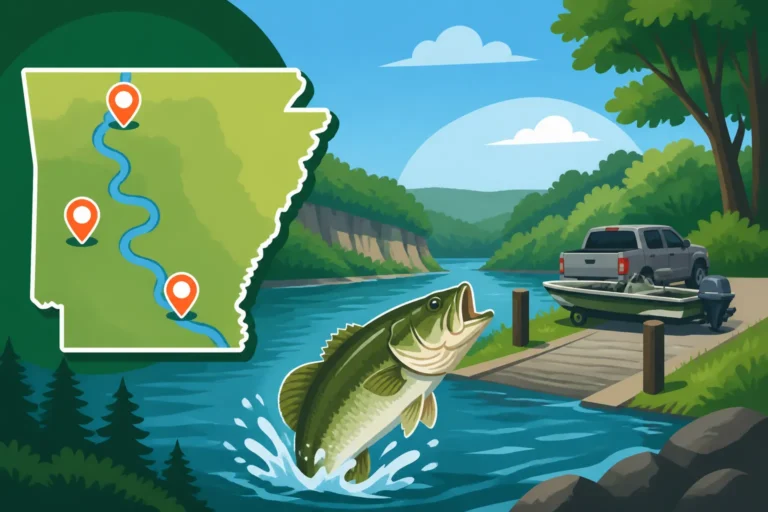
Greers Ferry Lake is well-equipped with numerous public access points and marinas, making it easy for anglers to launch their boats and get on the water. The U.S. Army Corps of Engineers maintains several recreation areas around the lake, offering excellent boat ramps, courtesy docks, and often ample parking. Popular ramps can be found at areas like Devil's Fork, Shiloh Marina, and Sugar Loaf Park. Many of these locations also have restrooms and picnic areas. Full-service marinas, such as Lacey's Narrows Marina or Fairfield Bay Marina, provide fuel, bait, tackle, and sometimes boat rentals and repairs. Before you head out, it's always a good idea to check local conditions and ramp availability, especially during peak seasons. You can find more detailed information by looking up Boat Ramps on Greers Ferry Lake.
Understanding Arkansas Fishing Regulations for Bass
Staying informed about Arkansas's fishing regulations is crucial for a legal and enjoyable trip. For Greers Ferry Lake specifically, anglers should pay close attention to the daily creel limits and size restrictions for largemouth, smallmouth, and spotted bass. While statewide limits apply to many species, some lakes, including Greers Ferry, can have specific exceptions designed to manage their unique fisheries. For instance, sometimes there are slot limits on certain bass species to protect different size classes. Always carry a copy of the current Arkansas Fishing Regulations Guide, which is readily available online through the Arkansas Game and Fish Commission or at local bait shops. Remember, youth anglers under a certain age might be exempt from needing a license, but it's always best to verify. For most adults, an Arkansas Fishing License Types Explained is necessary.
Enhancing Your Trip with a Local Fishing Guide
For those unfamiliar with Greers Ferry's intricacies, or for anglers simply looking to maximize their time and learn the lake faster, hiring a local fishing guide can be an invaluable investment. A professional guide brings years of experience, intimate knowledge of the lake's ever-changing patterns, and specialized equipment. They can put you on fish quickly, teach you effective techniques for Greers Ferry's clear water, and often provide all the necessary gear. Whether you're targeting trophy smallmouth on deep main lake points or largemouth in timber-filled coves, a guide's expertise is unmatched. Platforms like FishingBooker can help you find reputable guides operating on Greers Ferry Lake, allowing you to compare services, read reviews, and book with confidence. It's an excellent way to gain local insights and potentially land the bass of a lifetime. If you're considering a more general trip, check out our guide on How to Book a Fishing Guide in Arkansas.
Preserving the Fishery: Catch and Release and Conservation
As passionate anglers, we have a responsibility not only to enjoy the abundant resources of Greers Ferry Lake but also to protect them for future generations. The health of the bass fishery relies heavily on responsible angling practices and a commitment to conservation. This isn't just about following the rules; it's about being a good steward of the natural environment that provides us with so much joy.
The Importance of Responsible Angling Practices
Responsible angling practices begin with respecting the fish and their habitat. This means handling fish gently, especially if you intend to release them. Minimize their time out of the water, use appropriate tools like lip grippers, and always wet your hands before handling fish to protect their protective slime coat. If you're participating in catch and release, consider using single, barbless hooks to make unhooking easier and reduce stress on the fish. Disposing of trash properly, never leaving behind fishing line or tackle, and avoiding unnecessary disturbance of nesting areas during the spawn are all part of being a responsible angler. By minimizing our impact, we help ensure that the bass population remains healthy and vibrant for years to come.
Contributing to the Health of Greers Ferry's Bass Population
Beyond individual actions, actively contributing to the health of Greers Ferry's bass population involves supporting conservation efforts. This could mean participating in local clean-up events, advocating for sound fisheries management policies, or simply educating fellow anglers on best practices. Adhering to all slot limits and daily creel limits is paramount, as these regulations are scientifically designed to maintain a balanced and healthy fishery. If you're looking for a guide to help you practice proper catch and release techniques, FishingBooker lists several local experts who prioritize conservation and sustainable fishing practices. Ultimately, every angler has a role to play in preserving Greers Ferry Lake as a premier bass fishing destination.
Disclaimer
The information provided in this guide is for general informational purposes only and is subject to change. Always consult the official Arkansas Game and Fish Commission regulations for the most current and accurate rules and laws before planning your fishing trip to Greers Ferry Lake or any other body of water in Arkansas. Fishing conditions, including water levels and fish behavior, can vary.