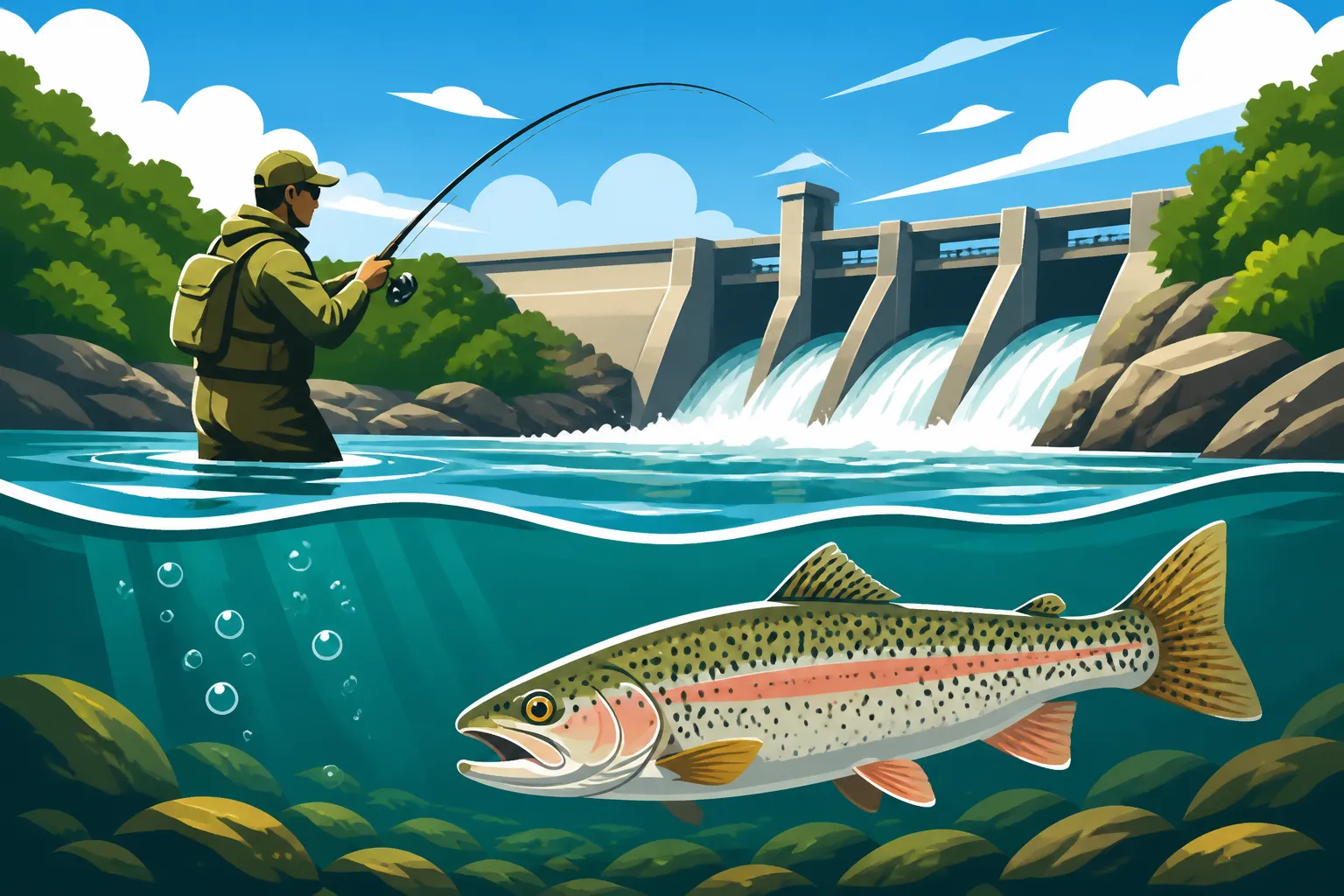
Trout Fishing Below Bull Shoals Dam on the White River
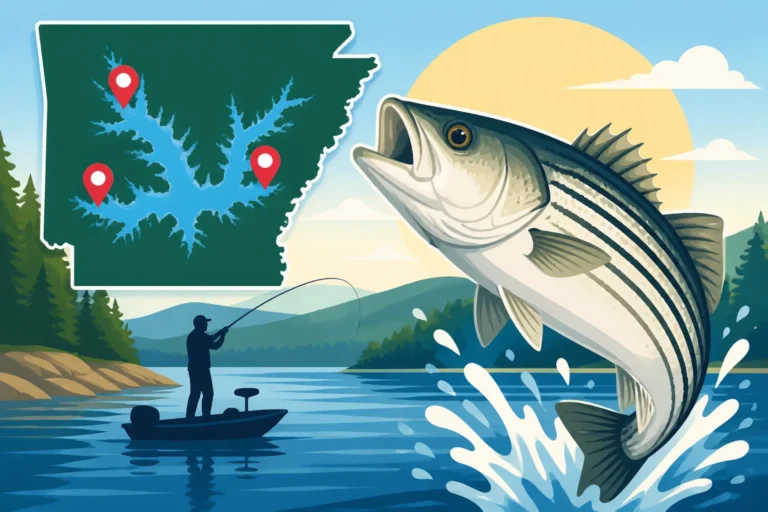
There’s nothing quite like the rush of the White River below Bull Shoals Dam, where that cold, clear water tumbles out, creating a trout fishing paradise. For many anglers, both seasoned veterans and eager newcomers, it can feel a bit overwhelming trying to figure out the best way to tackle these rich waters. The sheer volume of advice, the varying water generation schedules, and the specific regulations can leave you scratching your head, wondering where to even start. This comprehensive guide is here to cut through that confusion, giving you all the practical, real-world insights you need to confidently pursue trout, from the feisty rainbows to the elusive brown giants, in this incredible stretch of Arkansas's White River.
Understanding the White River Tailwater Below Bull Shoals Dam
The White River below Bull Shoals Dam is a world-renowned trout fishery, and it’s not just by accident. This section of the river is a prime example of a thriving cold-water ecosystem, expertly managed to provide exceptional angling opportunities. But to truly appreciate and succeed in these waters, you need to understand the unique characteristics that make it so special, particularly the influence of the dam itself.
The Unique Environment of a Tailwater Fishery
When you fish a tailwater, you're dealing with a river that's entirely shaped by the dam upstream. In the case of Bull Shoals, the dam releases cold water from the bottom of the lake, which is exactly what trout need to survive and thrive. This consistent flow of cold, oxygen-rich water creates an ideal habitat that simply wouldn't exist naturally in this region. The water temperatures stay low year-round, even in the scorching Arkansas summer, allowing trout populations to flourish far beyond what would typically be possible.
Beyond temperature, the dam dictates the water levels and current. This isn't your average free-flowing river; it’s a controlled environment. The fluctuations in water levels can be dramatic, going from low, wadeable flows to high, swift currents that demand a boat. This constant change means that trout behavior, feeding patterns, and where they hold can shift hourly, presenting a dynamic challenge to even the most experienced angler. Understanding these changes, often driven by electricity demand, is paramount to planning a successful trip. The rich aquatic insect life, small baitfish, and crustaceans that form the trout's diet are all influenced by these water conditions, making the river a living, breathing puzzle you get to solve with every cast.
Water Flow and Generation Schedules: Your Key to Success
There’s perhaps no greater frustration for an angler on the White River tailwater than showing up ready to fish, only to find the water conditions completely different from what you expected. This isn't due to random chance; it's all about the water generation schedule from the Bull Shoals Dam. The Army Corps of Engineers manages these releases, primarily for hydroelectric power generation, but also for flood control and navigation. For trout anglers, these schedules are absolutely critical.
When the generators are running, the water rises, often dramatically, creating fast, powerful currents that make wading dangerous or impossible. These higher flows tend to spread the fish out, pushing them into seams, eddies, and deeper pockets along the banks. Conversely, when the generators are off, the water levels drop, often exposing extensive gravel bars and slowing the current considerably. These low-water periods are fantastic for wade fishing and can concentrate fish in specific channels or deeper pools. It’s a completely different fishery during low water versus high water. Many savvy anglers, especially those targeting specific areas, will check the schedule before they even leave home. This information is typically available online from the Army Corps of Engineers website or through various local fishing reports and guide services. Planning your day around these generation schedules means you're fishing smarter, not just harder, and significantly increases your chances of connecting with fish, whether you're fly fishing in calm waters or drifting baits in swift currents.
Prime Trout Species and Where to Find Them
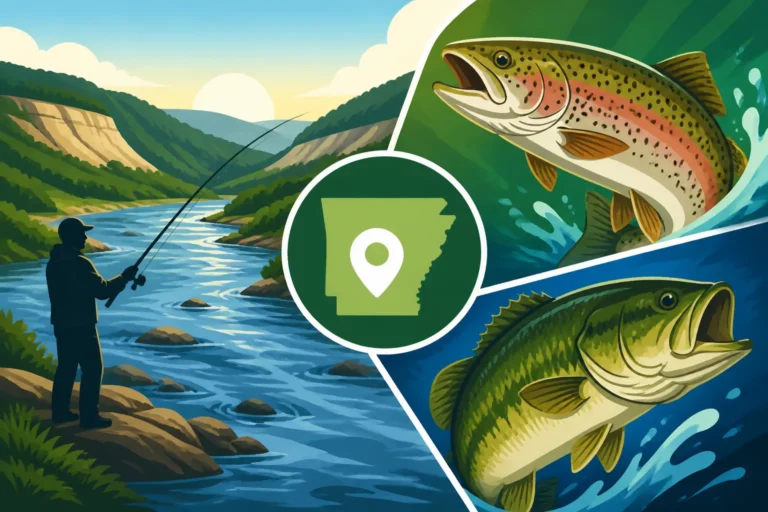
The White River below Bull Shoals Dam is a fantastic place to chase trout, and you're not just limited to one type. While rainbow trout are definitely the most common, the river also holds a thriving population of elusive brown trout, offering different challenges and rewards. Knowing what you're targeting and where they typically hang out can make all the difference in your strategy.
Rainbow Trout: The White River's Abundant Fighter
Rainbow trout are the backbone of the White River tailwater fishery. They are regularly stocked by the Arkansas Game and Fish Commission, ensuring a healthy and vibrant population for anglers year-round. These fish are known for their vibrant colors, often displaying a prominent pinkish-red stripe along their sides, especially during spawning season. More importantly, they're renowned for their acrobatic fights when hooked, often leaping and thrashing, making every catch an exciting experience.
You'll find rainbow trout throughout the entire stretch of river below Bull Shoals Dam, from the fast-moving currents right below the dam to the slower pools further downstream. They tend to be less particular than brown trout and will readily strike a variety of baits and lures. During periods of higher water generation, rainbows often tuck into current seams, behind submerged rocks, or along the edges of faster flows where they can ambush passing food with minimal effort. In lower water, they might be found in deeper holes or cruising gravel flats. Many anglers find success targeting rainbows by drifting natural baits like corn, worms, or PowerBait under a float. For those interested in spin fishing, small inline spinners or spoons are often irresistible. Fly anglers will find them eager to take nymph patterns, emergers, and even dry flies when conditions are right. While most rainbows caught will be in the 10-16 inch range, there are certainly larger, holdover fish that grow to impressive sizes, offering a thrilling challenge to catch a true trophy. For more details on these feisty fish, check out our guide on Rainbow Trout Fishing Below Bull Shoals Dam.
Brown Trout: Pursuing the River's Elusive Giants
If the rainbow trout are the abundant, eager fighters, the brown trout are the cunning, elusive giants of the White River. While not stocked in the same numbers as rainbows, brown trout have established a self-sustaining population in the White River, and they grow to truly impressive sizes here. Many anglers come specifically to this stretch of river with the dream of landing a trophy brown, often exceeding 20 inches and sometimes even pushing into the double-digit pound range. These fish are characterized by their olive-brown backs, lighter flanks, and distinctive dark spots, often with a halo of lighter color, and sometimes scattered red spots.
Brown trout are notoriously more challenging to catch than rainbows. They are often much warier, preferring to hold in deeper, darker pockets, under cut banks, around submerged timber, or in other forms of heavy cover where they feel secure. They are also opportunistic predators, and larger browns will actively hunt baitfish, crayfish, and even smaller trout. This means that while they might take the same baits as rainbows, you'll often have better luck with larger presentations like jerkbaits, swimbaits, or streamer patterns on a fly rod. Patience and persistence are key when targeting browns. You might have to make dozens of casts into prime ambush points before one decides to strike. Early mornings and late evenings, or even night fishing, can be particularly effective for these larger, nocturnal hunters. Many experienced anglers will tell you that landing a trophy brown trout on the White River is a culmination of skill, local knowledge, and a little bit of luck, making the reward all the sweeter. Learn more about pursuing these giants in our article on Brown Trout on the White River.
Occasional Bonus Catches and Stocking Programs
While rainbow and brown trout are the stars of the show, you might occasionally hook into other species in the White River tailwater below Bull Shoals Dam. It’s not uncommon to catch brook trout or cutthroat trout, though these are much less prevalent. Brook trout are typically stocked in smaller numbers and usually found in the colder, upper reaches closer to the dam. Cutthroat trout are even rarer, often accidental catches from stocking efforts or individuals that have wandered in. These bonus catches add an element of surprise to any fishing trip and are a welcome sight for anglers who appreciate the diversity of trout species.
The success of this fishery hinges heavily on the robust stocking programs carried out by the Arkansas Game and Fish Commission. Thousands of rainbow trout are stocked annually, ensuring that there are always plenty of fish for anglers to pursue. These stockings typically occur throughout the year, but particularly in spring and fall, helping to maintain a healthy population despite angling pressure. Knowing when and where recent stockings have occurred can sometimes provide a temporary advantage, as freshly stocked fish can be quite aggressive and less wary. However, the true trophy fishing comes from the holdover fish – those that have survived multiple seasons in the river, adapted to its currents, and grown to impressive sizes. It’s a testament to the river's rich environment that these stocked fish can not only survive but thrive and reproduce, creating a truly dynamic and self-sustaining ecosystem for trout fishing.
Essential Techniques and Baits for Bull Shoals Trout
Success on the White River below Bull Shoals Dam often boils down to matching your technique and bait to the conditions, the species you're targeting, and the temperament of the fish. There's no single "best" way to catch trout here, as the river's dynamic nature means adaptability is key. Whether you prefer the finesse of fly fishing or the versatility of spin fishing, having a few proven strategies in your arsenal will greatly improve your chances.
Mastering the Art of Fly Fishing
Fly fishing on the White River is an experience unto itself, and for many, it's the preferred method. The clear waters and abundant insect life make it a perfect environment for presenting artificial flies. When the water levels are low, wade fishing with a fly rod is incredibly popular, allowing anglers to get right into the subtle currents and seams where trout often feed. During higher water, fly anglers often fish from drift boats, employing a variety of techniques to cover water effectively.
For fly fishing, nymphing is arguably the most consistent producer, especially when the generators are running. Using strike indicators and split shot to get your nymphs down to the fish's feeding lanes is crucial. Popular patterns include Prince Nymphs, Hare's Ears, Pheasant Tails, and various midge patterns in sizes 14-22. When hatches occur, particularly of caddis or mayflies, dry fly fishing can be incredibly exciting, with trout rising eagerly to the surface. Streamer fishing, using larger patterns that imitate baitfish or crayfish, is an excellent strategy for targeting larger brown trout, especially when fished aggressively or stripped through deep holes and along structure. Learning to read the water, understand current seams, and predict where fish will hold is a continuous learning process on the White River, making every cast a thoughtful endeavor.
Effective Spin Fishing Strategies
For those who prefer traditional spin fishing, the White River offers ample opportunities for success. Spin fishing allows for greater versatility in terms of covering water and using a wider array of baits and lures, which can be particularly advantageous when the water is high and swift. Many local anglers rely on spin fishing for its effectiveness and ease of entry, especially for beginners or those who prefer a less technical approach.
One of the most effective spin fishing methods is drift fishing with natural baits. This involves using a small amount of weight and a float (or bobber) to allow your bait to drift naturally with the current, imitating a free-floating food source. When the water is high, heavier floats and weights might be needed to keep your bait in the strike zone. In lower water, a light setup with minimal weight can be incredibly effective. Artificial lures like small inline spinners (Rooster Tail, Panther Martin) or spoons (Little Cleo, Kastmaster) can also be deadly, especially when retrieved at varying speeds. For brown trout, suspending jerkbaits or small swimbaits that imitate baitfish can provoke aggressive strikes. The key is to experiment with different presentations and retrieval speeds until you find what the fish are keying in on that particular day. For specific tips on using lures, check out our guide on Best Lures for Spin Fishing Trout.
Popular Baits and Lures That Get Bites
Choosing the right bait or lure can make a huge difference in your success rate. While trout can be finicky, there are some tried-and-true options that consistently produce on the White River below Bull Shoals Dam.
For natural baits, PowerBait in various colors (chartreuse, rainbow, salmon peach) is a perennial favorite, especially for stocked rainbow trout. Mold it around a small hook, allowing it to float just off the bottom. Live worms (nightcrawlers, red wigglers) are also incredibly effective, either drifted under a float or fished on the bottom with a small split shot. And of course, canned corn is a simple yet surprisingly effective bait, particularly for rainbows, often fished similarly to PowerBait. For specific recommendations, our article on Best Bait for Rainbow Trout Below Bull Shoals Dam has some great tips.
When it comes to artificial lures, the variety is endless, but a few stand out:
- Inline Spinners: Brands like Mepps and Rooster Tail are classics. Sizes #0 to #2 are often ideal. Vary your retrieve speed to find the sweet spot.
- Small Spoons: Little Cleo and Kastmaster spoons, especially in silver, gold, or brass finishes, can imitate baitfish effectively.
- Jerkbaits/Minnow Imitations: For larger brown trout, suspending jerkbaits in natural baitfish patterns (like Rapala or Smithwick) can be incredibly effective. Cast them out, twitch them back, and pause to let them suspend in the water column.
- Soft Plastics: Small trout magnets or micro jigs tipped with a grub or a piece of PowerBait can be very productive when fished under a float.
Remember, the fish's preferences can change daily based on water conditions, light, and pressure, so don't be afraid to switch things up until you find what they're hitting.
Navigating Regulations and Licensing on the White River
Fishing the White River below Bull Shoals Dam is an incredible experience, but it’s crucial to do it legally and responsibly. Arkansas has specific regulations designed to protect its valuable trout fishery, and understanding these rules is just as important as knowing your bait choices. Ignoring them can lead to significant penalties, so let’s make sure you’re on the right side of the law.
Understanding Arkansas Fishing License Requirements
First things first: you absolutely need an Arkansas Fishing License Rules and Costs to fish in the state, and that includes the White River tailwater. This isn't just a suggestion; it's a legal requirement for anyone 16 years of age or older. For Arkansas residents, the annual license is quite affordable, but non-residents also have options for annual or short-term licenses, perfect for a weekend trip. You can typically purchase these licenses online through the Arkansas Game and Fish Commission (AGFC) website, at most Walmart stores, or at local sporting goods retailers around the Bull Shoals area.
But wait, there's a little extra step if you're specifically targeting trout or even just fishing in designated trout waters, like the White River below the dam. In addition to your regular fishing license, you'll need an Arkansas Trout Permit Rules. This permit is a separate purchase and ensures that funds are specifically allocated to trout management, stocking, and habitat improvement. Many anglers mistakenly think their general license covers everything, but for trout, that permit is non-negotiable. Even if you're planning on catch-and-release only, you still need both the general fishing license and the trout permit. There are also special provisions for seniors and children, so it’s always wise to double-check the latest regulations on the AGFC website or directly with a license vendor to ensure you have all the necessary paperwork.
Specific Trout Limits and Catch-and-Release Zones
The White River below Bull Shoals Dam has some specific rules regarding daily limits and even length restrictions for trout, particularly for brown trout, which are part of the state's efforts to grow trophy fish. These regulations are designed to sustain a healthy fishery and protect larger, spawning fish. It's not a one-size-fits-all rule, so paying close attention to the details is paramount.
For rainbow trout, the statewide daily limit is generally 5 fish. However, this can vary based on specific zones or special regulations that might be in place. For brown trout, the rules are often stricter, especially in the prime trophy sections of the White River. For instance, in the Bull Shoals Tailwater, there are often length limits that dictate you can only keep one brown trout over a certain size (e.g., 24 inches) per day, while all others must be immediately released. This is a common strategy to allow younger brown trout to grow into the trophy-sized specimens that draw anglers from all over the country. Make sure to consult the most current Bull Shoals Tailwater Trout Rules in Arkansas issued by the AGFC before your trip, as these regulations can change seasonally or annually. Pay close attention to any "slot limits" or "protected length ranges" where fish must be released. For instance, you might be allowed to keep fish below a certain length, but anything within a specific "slot" must go back in the water. This is crucial for managing the population. And remember, the question of Do you need a trout permit to keep trout in Arkansas? is a resounding yes, regardless of whether you’re keeping or releasing your catch. Always carry a measuring device and be ready to release fish quickly and carefully to ensure their survival.
| Species | Daily Limit (General) | Length Restrictions (Bull Shoals Tailwater, Check AGFC for current) | Bait/Lure Restrictions (General) | Notes |
|---|---|---|---|---|
| Rainbow Trout | 5 Fish | No minimum on most, but confirm | Generally none | Most commonly stocked, eager biters. Easy to catch for beginners. |
| Brown Trout | 5 Fish | Usually 1 fish over 24 inches, others released. Confirm AGFC. | Generally none | Wild, elusive. Trophy potential. Check specific regulations carefully for slot limits. |
| Brook Trout | 5 Fish | No minimum on most, but confirm | Generally none | Less common, often found closer to dam or in feeder creeks. |
| Cutthroat Trout | 5 Fish | No minimum on most, but confirm | Generally none | Rarest of the stocked trout species, often accidental catch. |
Planning Your Trip: Seasons, Access, and Guided Experiences
A successful fishing trip to the White River below Bull Shoals Dam isn't just about showing up with a rod. It involves careful planning, from understanding the best times to visit to knowing how you'll access the water, and deciding if a professional guide is the right choice for your adventure. This preparation ensures you maximize your time on this fantastic fishery.
Best Times of Year for Trophy Trout and Consistent Action
The beauty of the White River tailwater is that it’s a year-round fishery. Thanks to the constant cold water releases from Bull Shoals Dam, trout thrive even in the hottest summer months. However, certain seasons do offer distinct advantages depending on what you're hoping to achieve.
- Spring (March-May): This is arguably one of the best times for consistent action. As water temperatures start to rise slightly (though still cold), insect hatches become more prevalent, leading to active feeding periods. Both rainbow and brown trout are usually very cooperative. The weather is generally pleasant, and the scenery is beautiful. It's also a great time for trophy brown trout as they recover from their winter patterns.
- Summer (June-August): Don't let the heat deter you! The White River remains cold and productive through summer. Early mornings and late evenings are often the most active, especially for surface activity. High water generation during the day can concentrate fish in specific areas, making boat fishing effective. It's a fantastic time for those looking for a cooler escape from the Arkansas heat.
- Fall (September-November): Many consider fall to be the prime season, especially for trophy brown trout. As brown trout approach their spawning season (late fall/early winter), they become more aggressive and territorial, making them more susceptible to larger lures and flies. The fall foliage along the riverbanks adds an extra layer of beauty to your trip.
- Winter (December-February): Don't overlook winter! While the air might be chilly, the water temperature remains stable, and fish are still very active. This is a quieter time on the river, offering a more serene experience. Nymphing and streamer fishing are often highly effective, and large brown trout are still on the prowl. For a detailed seasonal breakdown, our Arkansas Tailwater Trout Fishing Guide offers more specific advice. You might also find our article on the Best Time of Day to Fish the Bull Shoals Arkansas Tailwater helpful for daily planning.
Public Access Points and Boat Ramps
Getting onto the White River below Bull Shoals Dam is relatively easy, with several well-maintained public access points. Your chosen method of fishing – wading or boating – will largely dictate which access points are best for you.
- Bull Shoals Dam Site: Right below the dam, there's a popular access point with boat ramps and some limited bank fishing. This area is known for strong currents and deeper water, so it's often best tackled by boat, especially during generation.
- Cotter/Gaston's White River Resort Area: The town of Cotter, Arkansas, and the surrounding area, including Gaston's White River Resort, offer numerous access points. There are public boat ramps in Cotter itself, providing easy float access. Gaston's also has its own ramps and amenities, and many guides operate out of this area. This stretch is incredibly popular for both wade and drift boat fishing.
- Norfork Access: Further downstream, near the confluence with the Norfork River, you'll find additional access points. This area can offer a bit more variety in water flow, depending on both dams.
When water is low, many anglers will pull over at various spots along Highway 178 or other county roads that parallel the river and wade in. Always be mindful of private property, and respect marked boundaries. If you're using a boat, make sure it's suitable for swift currents and potential low water conditions (e.g., a shallow-draft jon boat or drift boat), and always carry appropriate safety gear.
Deciding if a Guided Trip is Right for You
For many, especially first-time visitors or those looking to maximize their chances of catching trophy trout, hiring a local guide is an invaluable investment. A professional guide brings a wealth of knowledge that's hard to acquire on your own. They know the river like the back of their hand, including current water conditions, fish behavior, and where the hot spots are on any given day.
A guided trip typically includes:
- Local Expertise: Guides understand the subtle nuances of the river, from reading currents to knowing which flies or lures are currently most effective.
- Equipment: Most guides provide high-quality rods, reels, and tackle, so you don't have to worry about bringing your own or buying specialized gear. This is particularly helpful if you're new to fly fishing or don't want to transport your gear.
- Boat Access: Guides almost always operate out of specialized drift boats or jet boats, allowing you to safely and efficiently cover miles of river that would be inaccessible to waders or less experienced boaters.
- Instruction: If you're a beginner, a guide can teach you casting techniques, knot tying, and how to present your bait or fly effectively. For experienced anglers, they can refine your skills and help you target specific species or trophy fish.
- Regulations: Guides are up-to-date on all current regulations, ensuring you stay compliant with limits and special rules.
- Safety: Navigating a powerful river like the White can be hazardous. Guides are trained in river safety and first aid, providing peace of mind.
If you’re considering a guided trip, booking platforms like FishingBooker are excellent resources. You can browse various White River Fishing Guides: Arkansas's Trout Fishing Capital, compare prices, read reviews, and find a guide that specializes in your preferred fishing method (fly fishing, spin fishing) or target species (trophy brown trout). Many guides offer half-day and full-day trips, and their rates often include everything but your license and gratuity. For more information on what to expect, check out our guide on What an Arkansas Guided White River Trip Includes. While it's an added cost, the knowledge gained and the increased success rate often make it well worth the investment, especially if you're seeking a truly memorable and productive experience. FishingBooker makes it easy to find reputable guides ready to take you on an unforgettable adventure.
Gear and Safety Essentials for Your Adventure
Preparing for a fishing trip on the White River below Bull Shoals Dam means more than just grabbing a rod and some bait. The dynamic nature of the tailwater, with its fluctuating water levels and cold temperatures, demands specific gear and a strong emphasis on safety. Being properly equipped not only enhances your comfort but, more importantly, can be critical for your well-being.
Rods, Reels, and Line: Matching Your Method
Your choice of rod, reel, and line should align with your preferred fishing method and the conditions you expect to encounter.
- For Fly Fishing:
- Rods: A 9-foot, 5 or 6-weight fly rod is a versatile choice for the White River. A 5-weight is great for delicate presentations with nymphs and dry flies, while a 6-weight offers a bit more power for larger fish, wind, and casting heavier streamers.
- Reels: A matching reel with a smooth drag system is essential. It doesn't need to be overly expensive, but reliability is key when a large brown trout decides to make a run.
- Line: A weight-forward floating line is standard. You'll also want an assortment of leaders (e.g., 9-foot, 4x-6x) and tippet material (ranging from 4x for streamers to 7x for tiny midges) to adapt to different fly sizes and water clarity. Consider a sinking tip line if you plan to fish large streamers in deep, fast water.
- For Spin Fishing:
- Rods: A 6 to 7-foot light or medium-light action spinning rod is ideal. This length provides good casting distance and sensitivity for detecting subtle bites, while the action offers enough backbone to handle a strong fighting trout.
- Reels: A good quality spinning reel in the 1000-2500 series, spooled with 4-8 pound test line, is perfect. Look for a smooth retrieve and a reliable drag.
- Line: Monofilament line is forgiving and popular, especially for drifting baits. However, braided line (paired with a fluorocarbon leader) offers superior sensitivity and casting distance, which can be an advantage in windy conditions or when fishing larger lures. A 6-pound test fluorocarbon leader is often a good choice for invisibility in clear water.
Remember, regardless of your method, bring extra line, leaders, and tippet. Snags are common, and you don't want to cut your trip short because of a broken line. Our guide on Do You Need Your Own Gear for a Guided Trip? offers more insights if you’re unsure about bringing your own equipment.
Waders, Safety Gear, and What to Pack
The White River is cold year-round, typically hovering in the 40s and 50s (Fahrenheit). This means proper attire and safety gear are not optional; they are critical.
- Waders and Boots: If you plan on wading, breathable chest waders are a must, even in summer. Layering underneath your waders is key, with moisture-wicking materials against your skin and fleece or synthetic pants for warmth. Felt-soled wading boots offer the best grip on slippery river rocks, but rubber soles with studs are also popular. Always wear a wading belt to prevent your waders from filling with water in case of a fall.
- Layered Clothing: Even on a warm day, the air temperature can drop quickly, especially if the dam starts generating cold water. Dress in layers that you can easily add or remove. A waterproof and windproof outer shell is essential.
- Life Vest/PFD: Whether you're in a boat or wading, always wear a life vest. The currents on the White River can be surprisingly strong and unpredictable, especially during high water generation. Accidents can happen quickly, and a PFD is your most important piece of safety equipment.
- First Aid Kit: A basic first aid kit with essentials for cuts, scrapes, and minor emergencies is a must-have.
- Sun Protection: Sunscreen, a wide-brimmed hat, and polarized sunglasses are important year-round. Polarized sunglasses are particularly useful for spotting fish and structure in the clear water.
- Water and Snacks: Stay hydrated and fueled. A full day of fishing can be strenuous, so pack plenty of water and energy-rich snacks.
- Communication: A fully charged cell phone (in a waterproof case) or a satellite messenger is a good idea, especially if you're venturing into more remote areas. Cell service can be spotty in some stretches of the river.
- Nippers, Forceps, and Net: Essential tools for any angler. Nippers for cutting line, forceps for safely removing hooks from fish (and yourself!), and a good rubber-mesh net to safely land and release fish, minimizing harm.
- Arkansas Fishing License and Trout Permit: Always carry these with you. A game warden can check for them at any time.
By coming prepared with the right gear and a safety-first mindset, you’ll be ready to enjoy all the incredible trout fishing opportunities that the White River below Bull Shoals Dam has to offer, making your trip both memorable and safe.
Disclaimer
The information provided in this guide is for general informational purposes only and does not constitute legal advice. Fishing regulations, license requirements, and water generation schedules can change. Always consult the most current regulations from the Arkansas Game and Fish Commission (AGFC) and the U.S. Army Corps of Engineers before planning and embarking on your fishing trip. Fishing is an inherently risky activity; exercise caution and prioritize safety at all times.