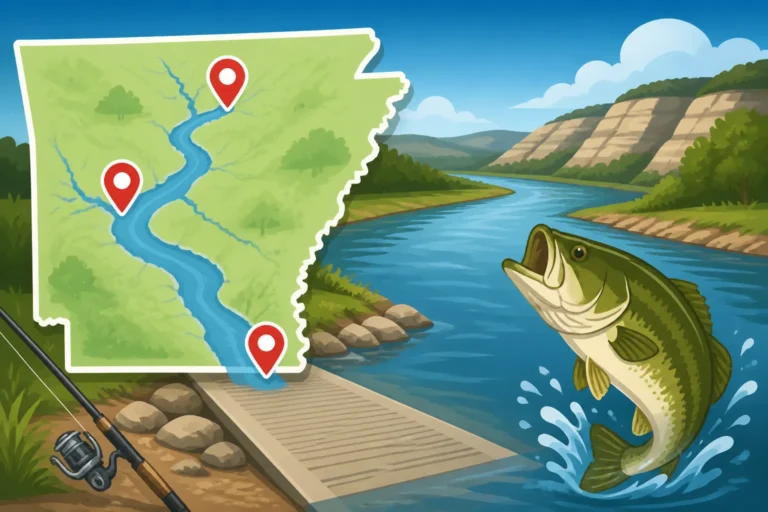
Trout and Bass Spots on the Little Missouri River
Heading out to a new river for the first time can feel a little intimidating, right? You've heard whispers of great fishing, maybe seen a few pictures, but actually figuring out where to go and what to expect can be a real headache. Especially when a river like the Little Missouri has such distinct personalities along its course. This guide is all about cutting through that confusion, helping you uncover the best trout and bass fishing spots on the Little Missouri River, so you can spend less time guessing and more time reeling in your next big catch.
The Little Missouri River's Dual Personality: Trout vs. Bass Waters
The Little Missouri River is truly a unique gem in Arkansas, offering two completely different fishing experiences depending on where you drop your line. It’s almost like two distinct rivers, carved into one beautiful landscape. For anglers who love the diverse challenges of both cold-water trout and warm-water bass, this river presents an incredible opportunity that many often overlook, overshadowed by the more famous White River. Understanding these two distinct personalities is the first step to a successful outing.
First, you have the upper stretches, where the river winds its way through the rugged terrain of the Ouachita National Forest. Here, the water flows naturally, warming up under the Arkansas sun, creating an ideal habitat for smallmouth bass, spotted bass, and a host of sunfish. This is your classic float trip or wade fishing paradise, often requiring a bit of grit to access, but rewarding you with pristine conditions and feisty fish. It's a place where the scenery alone is worth the trip, with towering pines and secluded pools.
Then, everything changes dramatically once the river hits Lake Greeson and continues below the Narrows Dam. This is where the magic of cold-water fishing truly begins. The water released from the dam's depths is consistently cold, creating a prime environment for rainbow and even some brown trout to thrive. It transforms the lower section into a completely different fishery, often requiring different techniques and tackle. It’s a testament to Arkansas's diverse aquatic ecosystems that one river can offer such a stark contrast, catering to such a wide range of angling preferences. If you're planning a trip, definitely check the latest Arkansas Fishing Regulations Guide to ensure you're compliant, as rules can differ between warm and cold water sections.
Chasing the Elusive Trout Below Narrows Dam
If the thought of cool, clear water and the thrill of a hard-fighting trout gets your blood pumping, then the section of the Little Missouri River below Narrows Dam is where you need to be. This tailwater fishery, fed by the deep, cold waters of Lake Greeson, maintains a consistent temperature that makes it perfect for rainbow trout, and occasionally, you might even hook into a beautiful brown. It's not as well-known as some other trout streams in the state, which often means fewer crowds and a more intimate fishing experience.
Prime Trout Fishing Zones
The most popular and productive section for trout typically begins right at the base of Narrows Dam, flowing downstream for several miles. This area is regularly stocked by the Arkansas Game and Fish Commission, ensuring a healthy population of feisty rainbow trout for anglers. Access points around the Narrows Dam area, including the Albert Pike Recreation Area and the campground, provide some of the easiest entries to the river. You'll find a mix of deeper pools, swift runs, and riffles that offer diverse holding water for trout. Keep an eye out for current breaks and structure like submerged logs or rocks; these are often trout magnets. Further downstream, as the river flattens out a bit, the fishing can still be good, but the colder, oxygenated water right below the dam is usually the most consistent. Remember, to legally keep trout here, you'll need an Arkansas Trout Permit Rules in addition to your general fishing license.
Effective Techniques for Little Missouri Trout
When it comes to catching trout on the Little Missouri, versatility is key. For those who love fly fishing, standard nymphing techniques with patterns like Pheasant Tails, Hare’s Ears, and Prince Nymphs are often highly effective, especially when dead-drifted along the bottom. Emerger patterns and small dry flies can work well during hatches, which often occur in the early mornings or late evenings, particularly when caddis or mayflies are present. You can find more information on Fly Fishing Techniques for Beginners if you're looking to start.
For spin fishermen, small inline spinners (like Panther Martins or Rooster Tails) in silver, gold, or brass are consistent producers. Small crankbaits mimicking minnows or crawfish can also entice strikes from larger, more aggressive trout. And, of course, the classic powerbait in various colors (chartreuse, rainbow, or even a simple white) fished off the bottom with a small split shot and a light hook is almost always a reliable choice, especially for recently stocked fish. Many anglers also find success with live bait like red worms or small pieces of corn. The key is to use light line, typically 4-6 lb test, to avoid spooking these wary fish in the clear water. The water clarity in this section can be exceptional, so stealth and a delicate presentation can make all the difference between a productive day and a frustrating one.
Battling Bass in the Upper Reaches
Switching gears from the tranquil trout waters, the upper sections of the Little Missouri River, before it widens into Lake Greeson, offer some absolutely fantastic opportunities for smallmouth bass and other warm-water species. This is a very different kind of fishing – often more rugged, more adventurous, and incredibly rewarding for those who seek out wild, river-dwelling bass. If you're tired of crowded lake spots, this is your escape.
Top Smallmouth Bass Locations
The true magic for smallmouth bass on the Little Missouri River lies in its headwaters and upper stretches, particularly those flowing through the Ouachita National Forest. Areas around Albert Pike Recreation Area, not just below the dam but above Lake Greeson, are good starting points. Further upstream, towards the communities of Langley and Kirby, you'll find numerous stretches that are perfect for floating in a kayak or canoe, or even wading during lower water levels. Look for areas with a mix of current, rocky bottom, and structure like fallen trees or boulders. Smallmouth love to ambush prey from behind these features. Deep pools interconnected by swift riffles are classic smallmouth habitat. These fish aren't usually giants, but what they lack in size, they more than make up for in fighting spirit. They are incredibly strong for their size, providing a thrilling fight on light tackle. When fishing these dynamic waters, always be aware of the Smallmouth Bass Rules on Arkansas's Moving Waters Statewide as specific limits and minimum lengths might apply.
Baits and Strategies for River Bass
When targeting smallmouth and spotted bass in the Little Missouri River, natural presentations often yield the best results. Small jigs (1/8 to 1/4 ounce) dressed with soft plastic crawfish or tube baits in natural colors like green pumpkin, brown, or black are incredibly effective. Cast them upstream and let them tumble naturally downstream, mimicking a crawfish moving with the current. This technique often draws aggressive strikes. Small crankbaits and jerkbaits that imitate minnows or shad can also be highly productive, especially in deeper pools or along rock banks.
For a more old-school approach, live bait like hellgrammites, small crawfish, or even garden worms can be irresistible to smallmouth. Fishing these baits on a small hook with minimal weight, allowing them to drift naturally, is a killer tactic. Topwater lures, such as poppers or prop baits, can create explosive action during low light conditions or on overcast days, particularly in the summer. Remember that river bass are often focused on the current and structure, so casting accurately and understanding how the current affects your lure presentation is crucial. For specific advice on what works best, you might want to look at Best Bait for Smallmouth Bass in Rocky Streams. If you're looking for an expert to show you the ropes, you could even try finding local guides through platforms like FishingBooker, who specialize in these lesser-known river stretches.
Planning Your Little Missouri Adventure
Successfully navigating a fishing trip on the Little Missouri River means more than just knowing where the fish are; it means understanding the logistics, seasonality, and how to make the most of your time on the water. This river, with its diverse offerings, requires a little forethought, but the rewards are absolutely worth it.
Best Times to Visit and Access Points
The "best" time to visit truly depends on whether you're targeting trout or bass. For trout, the tailwater below Narrows Dam offers year-round opportunities due to the consistent cold-water release. However, spring (March-May) and fall (October-November) are often considered prime times. The weather is more comfortable, and fish are generally more active. Access points include Albert Pike Recreation Area, the Narrows Dam Public Use Area, and several bridges and private access points downstream. During high water releases from the dam, wading can be dangerous or impossible, so always check generation schedules before you go.
For bass, particularly smallmouth in the upper river, spring (April-June) and fall (September-November) are also excellent. Spring sees bass actively feeding and preparing for the spawn, while fall offers cooler temperatures and aggressive feeding before winter. Summer can be good too, especially in the early mornings or late evenings, but higher water temperatures mean bass might be less active midday. Access to the upper river can be a bit more challenging, often requiring a kayak or canoe. Public access points can be found near bridges, like those on Highway 84 and Highway 27, and some scattered wildlife management area (WMA) points. You can check the Arkansas Fishing Seasons Guide for more general information on seasonal patterns across the state.
Essential Gear and Safety Considerations
No matter which section of the Little Missouri you plan to fish, preparation is key. Here’s a quick rundown:
For Trout Fishing:
- Rods: A 6-7 foot light or ultralight spinning rod, or a 3-5 weight fly rod.
- Reels: Matching spinning reel with smooth drag, or a fly reel appropriate for your fly rod.
- Line: 4-6 lb monofilament or fluorocarbon for spinning, or a weight-forward floating line for fly fishing with appropriate leader/tippet.
- Waders: Chest waders are highly recommended, as wading can be necessary to reach prime spots.
- Nets: A rubber or knotless landing net to protect fish.
- Tackle: Small inline spinners, micro-jigs, PowerBait, worms; or nymphs, emergers, dry flies for fly fishing.
For Bass Fishing (Upper River):
- Rods: 6-7.5 foot medium-light to medium power spinning or casting rod.
- Reels: Matching spinning or baitcasting reel.
- Line: 6-10 lb fluorocarbon or braided line with a fluorocarbon leader.
- Footwear: Durable wading boots or water shoes if wading; otherwise, comfortable river-appropriate footwear.
- Tackle: Small jigs (tube, crawfish, grub), small crankbaits, topwater lures, soft plastics (worms, lizards).
General Safety:
- Life Vest: Always wear one, especially when floating or wading in strong currents.
- First Aid Kit: Essential for minor cuts, scrapes, or insect bites.
- Sun Protection: Sunscreen, hat, and polarized sunglasses are a must.
- Hydration and Snacks: Bring plenty of water and food.
- Communication: Cell service can be spotty in remote areas, so inform someone of your plans.
- Check Water Levels: Especially for the upper river, verify water levels before heading out to avoid getting stranded or encountering dangerous high water.
When you're out there, whether you're fly casting for brown trout or jigging for smallmouth, remember the beauty of the place. The Little Missouri is a wild river in many ways, and treating it with respect ensures that future generations can enjoy these incredible fishing opportunities. If you're coming from out-of-state, remember to also review Arkansas Fishing License Requirements for Out-of-State Anglers before you hit the water. It’s always better to be prepared than to face an unexpected fine.
| Feature / Species | Trout Section (Below Narrows Dam) | Bass Section (Upper River, above Lake Greeson) |
|---|---|---|
| Primary Target | Rainbow Trout, Brown Trout | Smallmouth Bass, Spotted Bass, Sunfish |
| Water Type | Cold-water Tailwater | Warm-water Freestone River |
| Key Characteristics | Consistent cold flow, clear water, riffles, runs, deep pools, stocked fishery | Rocky bottom, rapids, shallow shoals, deep pools, natural flow, wilderness feel |
| Best Access | Albert Pike Recreation Area, Narrows Dam Public Use Area | Kayak/canoe launches near Hwy 84 & 27 bridges, WMA points |
| Primary Techniques | Fly fishing (nymphs, emergers), spin fishing (small spinners, PowerBait), live bait | Spin fishing (jigs, small crankbaits, soft plastics, topwater), live bait |
| Best Seasons | Year-round (Spring & Fall best) | Spring & Fall (Summer early/late also good) |
| Challenges | Dam generation schedules, wary fish, wading depth | Remote access, variable water levels, rock gardens |
| License Needed | General Fishing License + Trout Permit | General Fishing License |
If you're looking to really dial in your trip, especially for the more remote smallmouth waters or if you're a beginner, consulting a local guide can be invaluable. Some guides specialize in this region and can navigate you to hidden gems. FishingBooker is a great resource for finding reputable local guides who know the Little Missouri like the back of their hand. They can provide not only the boat or kayak but also expert knowledge on current conditions and honey holes. This can be especially helpful if you're trying to figure out the intricacies of a new water system, or if you're exploring Arkansas's Best Rivers for Trout, Bass, and Catfish for the first time.
Navigating the Little Missouri's Challenges and Opportunities
Every river has its quirks, and the Little Missouri is no exception. While it offers incredible fishing opportunities, being aware of its challenges can make your trip much smoother and more enjoyable. These aren't obstacles to deter you, but rather aspects to prepare for, making your angling adventure even more rewarding.
Understanding Water Level Fluctuations
One of the biggest factors influencing fishing on the Little Missouri, especially in the trout section below Narrows Dam, is the water generation schedule. The dam releases water from Lake Greeson, which directly impacts river levels and current strength. High water releases can make wading impossible and even dangerous, while also changing fish behavior and where they hold. It’s crucial to check the generation schedule before you go. You can usually find this information on the Southwest Power Administration website or by calling the local Corps of Engineers office. Ignoring this can lead to a frustrating, or worse, dangerous situation. For the upper bass sections, water levels are more dependent on rainfall. After heavy rains, the river can be high and muddy, making fishing tough, but during dry spells, it can become quite low, restricting boat access to only kayaks or canoes and exposing more wading opportunities. This ebb and flow is part of the charm and challenge of river fishing.
Respecting the Environment and Regulations
The Little Missouri River flows through some truly pristine landscapes, particularly within the Ouachita National Forest. As anglers, we have a responsibility to protect these environments. Practice Leave No Trace principles, packing out everything you pack in, including all your fishing line, bait containers, and trash. Respect private property signs and stick to public access points unless you have landowner permission. Always adhere strictly to the Arkansas Fishing Regulations Guide for both size and daily limits for the specific species you are targeting. Not only is it the law, but it helps ensure healthy fish populations for years to come. Whether you're catching trophy bass or releasing a beautiful rainbow trout, sustainable angling practices are paramount.
The Little Missouri River offers a truly unique dual fishery in Arkansas. Whether you're drawn to the serene beauty of a cold-water trout stream or the spirited fight of a river smallmouth, this river has something special to offer. With a little planning, the right gear, and a respect for the environment, your next trip to the Little Missouri River could be one of your most memorable fishing adventures yet. Perhaps you'll even consider a Trophy Trout Guide Trip Cost on the White River next, but don't overlook the potential for quality fish right here!
Disclaimer
The information provided in this guide is for general informational purposes only and is subject to change. Always consult the official Arkansas Game and Fish Commission regulations and current conditions before planning any fishing trip. Safety should always be your top priority when on the water.