Do bass tournament anglers need a special permit in Arkansas?
It’s a common question that pops into the mind of any dedicated bass angler looking to compete in Arkansas: do I need some kind of special permit just because I'm fishing a tournament? You've already got your regular fishing license, maybe even a trout permit if you dabble in those waters, but the world of competitive bass fishing can sometimes feel like it has its own set of secret handshakes and hidden rules. This guide is here to cut through that confusion, explaining exactly what's required for tournament anglers in the Natural State and putting your mind at ease so you can focus on finding those lunker bass.
Understanding the Baseline: Your Standard Fishing License
Let's get one thing straight right off the bat: whether you're leisurely casting from the bank for bluegill, jigging for crappie, or intensely sight-fishing for spawning bass in a high-stakes tournament, every angler in Arkansas needs a valid fishing license (unless they fall under specific exemptions like age or during Free Fishing Weekend). There’s no getting around this foundational requirement, and tournament anglers are absolutely no exception. This isn't a "special permit" for tournaments; it's the basic permission slip to fish any public water in Arkansas.
Resident Versus Nonresident Licenses
The first thing you need to figure out is your residency status. The Arkansas Game and Fish Commission (AGFC) has clear guidelines on who qualifies as a resident. Generally, if you've been a bona fide resident for at least 60 days, you're good to go.
- For Arkansas Residents: You'll typically purchase an annual resident fishing license. As of late, this is quite affordable, making it accessible for folks who fish regularly. You can find all the details on the specific costs and options in our comprehensive guide on Arkansas Fishing License Rules and Costs. There are also options like a 3-day license if you're only planning a short local trip, but for tournament anglers, an annual license usually makes the most sense.
- For Out-of-State Anglers: If you're coming from Texas, Missouri, Oklahoma, Louisiana, Tennessee, or any other state to compete in an Arkansas bass tournament, you'll need a nonresident fishing license. These are naturally a bit more expensive, but they grant you the same fishing privileges as a resident license holder. There are annual and short-term options, like a 3-day trip license, which might be suitable if you're only making one or two trips a year to fish here. Make sure to check out our detailed article on Nonresident Fishing License Rules for Arkansas for specific pricing and requirements. It’s critical to get this sorted before you even hit the water, as the penalties for fishing without a license can be steep.
Age and Other Exemptions
Just like recreational fishing, tournament angling in Arkansas has age exemptions. Typically, children under a certain age don't need a license. It’s vital to confirm the current age cutoff, as these rules can change. For older anglers, particularly those 65 and over, there are often discounted or lifetime license options available. It's always best to check the current AGFC regulations or our guide on Do Kids Need a Fishing License in Arkansas? to ensure everyone in your boat, regardless of age, is covered. No one wants a citation, especially when you're trying to win some prize money!
Tournament-Specific Regulations for Organizers, Not Anglers
Here’s where the confusion often lies: individual tournament anglers generally do not need a special permit beyond their standard fishing license. However, the tournament organizers themselves often need to obtain specific permits from the Arkansas Game and Fish Commission. This is a crucial distinction.
AGFC Tournament Permits for Events
For larger bass tournaments, especially those that involve prize money, multiple boats, or specific public waters, the AGFC often requires the tournament director or organization to apply for an official tournament permit. This permit allows the AGFC to track activity, ensure compliance with state regulations, and manage potential impacts on fisheries resources.
- Why These Permits Exist: These permits help the AGFC monitor the health of specific fisheries. For instance, if a lake like Bull Shoals Lake or Lake Ouachita hosts numerous large tournaments each year, the AGFC can use permit data to assess fishing pressure, catch rates, and ensure the rules (like culling practices or weigh-in procedures) are being followed to protect the bass populations. These aren't for you, the angler, but for the event itself.
- What Organizers Must Do: Organizers typically have to submit an application detailing the event dates, locations, expected number of participants, and their weigh-in and release plans. They might also have specific requirements for livewells, fish handling, and culling to minimize stress and mortality of the bass. You, as an angler, are generally expected to adhere to the tournament's specific rules, which are designed to align with state regulations.
- Your Role as an Angler: Your responsibility is to ensure you possess a valid Arkansas fishing license and follow both the AGFC's general Arkansas Fishing Regulations Guide and any additional rules set forth by the tournament director. This might include specific boat inspection requirements, livewell checks, or limits on how many fish you can have in your livewell at any given time before weigh-in. Always read the tournament rules thoroughly!
Livewell, Culling, and Weigh-in Procedures
While not "permits," these are critical tournament-specific regulations that directly impact anglers. They are often part of the conditions laid out in a tournament's AGFC permit.
- Livewell Requirements: Most bass tournaments require a functioning, aerated livewell to keep fish alive and healthy. This isn't just a suggestion; it's a rule designed for the welfare of the fish, which often need to be released after weigh-in. A well-maintained livewell, perhaps with a high-quality aerator that you might have picked up on Amazon, is crucial.
- Culling: Culling is the practice of replacing a smaller fish in your livewell with a larger one you've just caught, to optimize your total weight. Arkansas has specific regulations regarding culling, including legal methods to do so. For example, using culling clips that pierce the fish's jaw can sometimes be restricted or require specific types. Always clarify the tournament's culling policy, as it must align with AGFC guidelines.
- Weigh-in Protocols: Tournaments have strict weigh-in procedures designed to minimize stress on the fish. This often includes using weigh-in bags filled with water, quick transfers to the scales, and immediate release back into the lake or into a designated recovery tank. The goal is to keep those bass healthy enough to spawn again, ensuring the future of the fishery you're competing on.
Important Considerations for Tournament Anglers
Beyond the basic license, there are several other aspects of Arkansas fishing regulations that tournament anglers need to be intimately familiar with. Missing these details can lead to disqualification from a tournament or, worse, a fine from a game warden.
Daily Creel and Length Limits
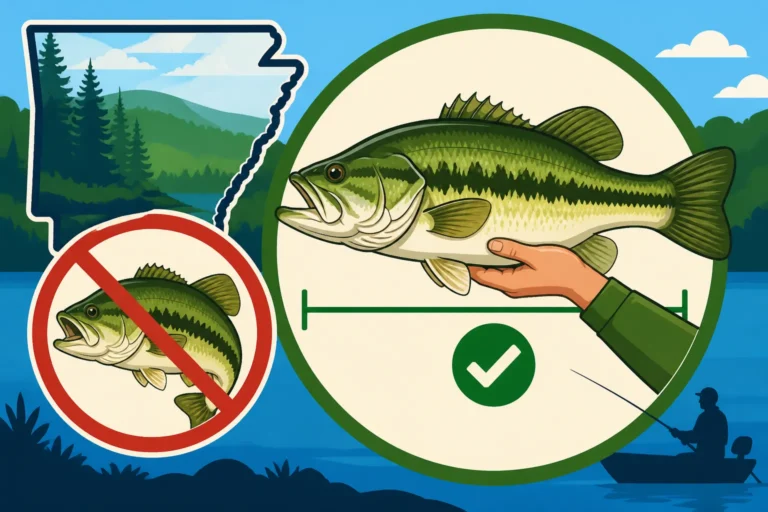
Even in a tournament setting, the state's daily creel limits and length limits still apply to each individual angler, unless the tournament has received a special exemption for its specific event (which is rare for individual angler limits). For example, the Largemouth Bass Daily Limit in Arkansas is typically 5 fish, with specific length restrictions depending on the body of water.
- Know Your Lake: These limits can vary from lake to lake. Lake Monticello, for instance, has unique rules for bass that differ from statewide limits. If you're fishing a tournament on Lake Monticello, you must know those specific regulations inside and out. Always check the AGFC's current fishing guide for the specific water you'll be competing on.
- Tournament Interpretations: While a tournament might allow you to cull fish to present your best five, you cannot possess more than the daily limit at any given time unless specifically allowed by a special AGFC permit for the event, which is exceptionally rare for individual anglers. Your livewell can't hold 7 bass if the daily limit is 5, even if you intend to cull down.
The New Possession Limit Rules
Arkansas made a significant change to its possession limit rules for the 2026-27 season, which is great news for multi-day tournament anglers. Previously, there was often confusion about how many fish you could possess at home or at your lodging after multiple days of fishing. The good news is that Arkansas eliminated statewide possession limits for the 2026-27 season.
- What This Means for You: You no longer need to worry about counting the fish you caught on Monday and Tuesday when you go out on Wednesday, as long as you adhere to the daily creel limits each day. This change greatly simplifies things, especially if you're staying at a lodge or campsite for a multi-day tournament. Our article How the new possession rule affects multi-day fishing trips delves deeper into this.
- Final Point of Storage: The concept of a "final point of storage" has also been clarified. Essentially, once your fish are at your permanent residence or a designated processing facility, they are considered to be at their final point of storage. This rule change was a huge relief for many anglers who participate in extended trips. For more context, check out What Counts as a Final Point of Storage for Fish in Arkansas.
Catch-and-Release Practices
Most bass tournaments are catch-and-release events, emphasizing the safe return of fish to the water. This ethos is shared by the AGFC, which works hard to maintain healthy fish populations. As a tournament angler, you're expected to be a steward of the resource.
- Minimize Stress: Learn proper fish handling techniques. Wet your hands before touching fish, support their body weight, and avoid excessive handling. Using tools like a good fish gripper can reduce stress during unhooking and measuring. Many anglers even carry specialized livewell additives (easily found on Amazon) to help keep fish calm and healthy during transport.
- Rapid Release: The quicker a fish is returned to its environment after weigh-in, the better its chances of survival. Tournament organizers often have efficient systems for this, sometimes using "fish care teams" to ensure rapid recovery and release.
Obtaining Your License and Staying Compliant
Getting your fishing license in Arkansas is fortunately quite straightforward, so there's no excuse to be caught without one.
Where to Buy Your License
You have several convenient options to purchase or renew your Arkansas fishing license:
- Online: The easiest and fastest way is through the AGFC's official website. You can purchase your license 24/7, print it immediately, or even keep a digital copy on your phone. This is often the preferred method for last-minute purchases or renewals. Our guide on How to Buy an Arkansas Fishing License Online walks you through the process step-by-step.
- Retailers: Most sporting goods stores, bait shops, and even some Walmart locations across Arkansas are licensed agents for the AGFC. You can walk in, fill out a form, and walk out with your license in hand. This is great if you prefer a physical license or need to pick up some last-minute tackle.
- AGFC Offices: You can also visit an Arkansas Game and Fish Commission office during business hours to purchase a license.
Remember, always keep your valid license on your person while fishing. A game warden can and will ask to see it.
Penalties for Non-Compliance
Fishing without a valid license or violating other state regulations can lead to significant consequences, which could be particularly embarrassing and costly if it happens during a tournament.
- Fines: The most common penalty is a monetary fine, which can vary depending on the specific violation. For example, fishing without a license can result in a hefty fine, plus court costs. You can find more specific information on these penalties in our article Penalties for Fishing Without a License in Arkansas.
- Disqualification: If you're caught violating AGFC regulations during a tournament, you'll almost certainly be disqualified from the event, losing any chance at prize money or points. Tournament organizations take rule compliance very seriously to maintain fair play and protect their reputation.
- Confiscation: In some severe cases, fishing equipment or even your catch could be confiscated. No one wants to lose their prized rod and reel combo, especially if it's a high-end model you specifically ordered from Amazon for tournament use.
Staying informed and compliant is always the best strategy for a successful and enjoyable fishing experience, whether you're competing for a trophy or just enjoying a quiet day on the water.
Summary of Arkansas Fishing License Requirements for Tournament Anglers
To make it super clear, here’s a quick breakdown of what you need to know as a bass tournament angler in Arkansas:
| Requirement | Applies to Individual Angler? | Applies to Tournament Organizer? | Details |
|---|---|---|---|
| Standard Fishing License | YES | N/A | Absolutely required for every angler over the age of exemption. Resident or Nonresident, choose the appropriate type. |
| Special Tournament Permit | NO | YES (for larger events) | Individual anglers do NOT need a special permit. Tournament organizers of larger/commercial events typically do need to secure a permit from the AGFC. |
| Daily Creel Limits | YES | YES (enforced via rules) | You must adhere to the AGFC's daily creel (how many fish you can keep per day) and length limits for the specific body of water, unless a rare, specific tournament exemption is granted. |
| Possession Limits | N/A (as of 2026-27) | N/A | Statewide possession limits were eliminated for 2026-27, meaning you only need to abide by daily creel limits per fishing day. |
| Livewell Standards | YES | YES (enforced via rules) | Tournament rules, reflecting AGFC fish care guidelines, mandate adequate livewells and proper fish handling. |
| Weigh-in Procedures | YES | YES (sets the rules) | Anglers must follow specific weigh-in protocols to minimize stress on bass, ensuring quick and safe release. |
| Valid Identification | YES | N/A | Always carry proof of identity (driver's license, etc.) to verify residency and age if requested by a game warden. |
In essence, if you're planning to fish a bass tournament in Arkansas, your primary focus, from a regulatory standpoint, should be on securing and carrying your appropriate, valid Arkansas Fishing License Types Explained. The rest of the "special permits" and rules largely fall on the shoulders of the tournament organizers. Just make sure you understand the rules of the specific tournament you're entering, as they will align with the broader AGFC regulations to keep everyone fishing fair and legally.
Disclaimer
The information provided in this guide is intended for general informational purposes only and may not cover every specific scenario or recent regulation change. Fishing regulations, license requirements, and fees can change. It is always the angler's responsibility to consult the most current Arkansas Game and Fish Commission regulations and local ordinances before engaging in any fishing activity.