Only one bass 16 inches or longer allowed at Lake Monticello
It can be incredibly frustrating when you’ve done your research on statewide fishing limits, only to arrive at a specific lake and realize there’s a whole new set of rules you didn't know about. Lake Monticello, a popular spot for many Arkansas anglers, has a particular regulation concerning largemouth bass that often catches people off guard. This guide is here to untangle that confusion, explaining exactly what the "one bass 16 inches or longer" rule means, why it's in place, and how it impacts your fishing trip, so you can fish with confidence and stay compliant.
Understanding Lake Monticello's Unique Bass Regulation
Lake Monticello isn't just another pretty body of water in Arkansas; it's a designated trophy bass lake, and with that comes some very specific management strategies designed to grow monster fish. This focus on quality over quantity means anglers need to pay close attention to the details of the rules, especially when it comes to keeping their catch.
The "One Bass 16 Inches or Longer" Rule Explained
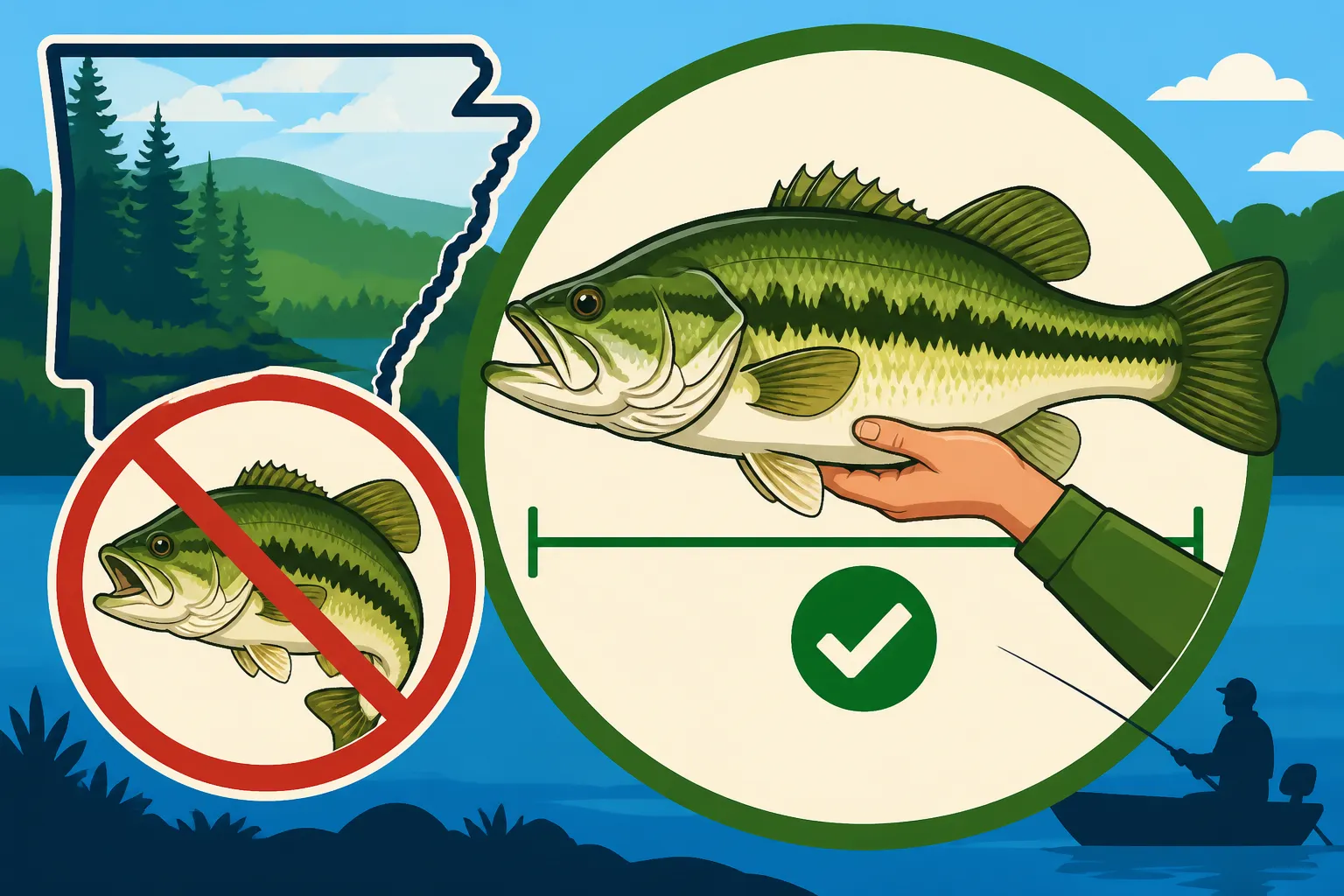
Let's cut right to the chase with the rule that often sparks the most questions: at Lake Monticello, while you can still keep largemouth bass within your daily creel limit, only one of those bass can be 16 inches or longer. This isn't a suggestion; it's a strict regulation put in place by the Arkansas Game and Fish Commission (AGFC) to help cultivate a thriving population of larger, healthier bass.
Imagine you're out on the water, having a fantastic day. You've caught a few beautiful largemouths, measured them carefully, and released the smaller ones. You've got a 14-inch bass in your livewell, a solid keeper. Then, bam! You hook into a magnificent 18-inch lunker. This 18-inch fish immediately becomes your "one bass 16 inches or longer." If you then catch another 17-inch bass later in the day, that second big fish must be released. It doesn't matter how many smaller bass you've kept or released; you are permitted to have only one largemouth bass 16 inches or longer in your possession from Lake Monticello, per day. This rule is specifically designed to protect the breeding stock and allow more bass to reach larger sizes, ultimately making for a more exciting fishery for everyone. It truly makes a difference in maintaining the quality of fishing at this specific location, as highlighted in the article, Is there an exception to the largemouth bass limit at Lake Monticello?.
Daily Creel Limit for Largemouth Bass at Lake Monticello
Now, let's talk about the overall daily creel limit for largemouth bass at Lake Monticello. Even with the special 16-inch rule, you still have a daily limit on the total number of bass you can keep. Generally, the statewide largemouth bass daily limit is 5 fish, but Monticello operates under a specific exception. At Lake Monticello, the daily limit for largemouth bass is also five (5) fish. However, this is where the combination of rules comes into play: out of those five fish, only one can be 16 inches or longer. The other four fish you keep must be under 16 inches.
This means you can have a great day catching several bass, and you can still take home a decent meal, along with a potential trophy. For example, you might keep four bass that measure 13, 14, 12, and 15 inches, and then you land a beautiful 17-inch bass. You can keep all five of those. However, if you then catch another 16.5-inch bass, you cannot keep it because you already have your one fish over 16 inches. This kind of careful management is common in prime fishing locations. Understanding these nuances is crucial for any angler heading out, and it's a good reminder that Arkansas Fishing Regulations Guide is always a good resource.
Statewide Largemouth Bass Limits Versus Lake Monticello
It's easy to get these rules mixed up, especially when you fish different lakes across Arkansas. Most anglers are familiar with the standard Largemouth bass daily limit statewide is 5 fish, which is a straightforward regulation applying to the majority of the state's waters. Under this general rule, as long as a bass meets any minimum length requirement (which varies by water body), you can keep up to five of them, regardless of their individual size above that minimum.
Lake Monticello, however, is one of those special places with a protective slot limit or an exception to the statewide rule. This particular regulation for Monticello, allowing only one bass 16 inches or longer, is a prime example of how the AGFC tailors rules to specific bodies of water to achieve particular management goals. You’ll find similar nuances for other species and lakes, like the distinct Crappie size and daily limit in Arkansas that can vary between waters, or the very specific rules for crappie at Lake Cargile Crappie Limit Rules. It highlights the absolute necessity of always checking the specific regulations for the body of water you intend to fish before you even cast your first line. Relying solely on statewide limits can lead to unintentional violations and potential penalties, which is something no one wants.
| Regulation Type | Statewide Largemouth Bass Limit | Lake Monticello Largemouth Bass Limit |
|---|---|---|
| Daily Creel Limit | 5 fish | 5 fish |
| Fish 16 inches or longer | No specific limit (within overall daily limit) | Only 1 fish allowed |
| Fish under 16 inches | No specific limit (within overall daily limit) | Up to 4 fish allowed (to reach daily limit) |
| Primary Goal | General population management | Trophy fishery development and maintenance |
Why Lake Monticello Has Special Bass Rules
When a lake gets a special set of rules, it's not arbitrary. It's usually the result of careful study and a clear vision for what the fishery can become. In the case of Lake Monticello, these regulations are a testament to the AGFC's commitment to creating and sustaining outstanding fishing opportunities.
Promoting a Trophy Fishery
The primary goal behind the "one bass 16 inches or longer" rule at Lake Monticello is to actively promote and maintain a trophy largemouth bass fishery. The AGFC has recognized the potential of Monticello's unique habitat and forage base – the lake is known for its abundant shad and other baitfish, providing a rich diet for growing bass. By limiting anglers to only one larger fish, more bass are given the chance to grow past that 16-inch mark, not only to reproduce but also to reach truly impressive sizes.
This management strategy protects the larger, more experienced bass, which are often the most prolific spawners. Protecting these larger fish ensures a strong genetic pool and a continuous cycle of big fish for years to come. Anglers who visit Monticello aren't just looking for any bass; they're often hoping for that one special fish, and these rules are designed to increase the odds of that happening. It's a long-term investment in the quality of the fishing experience, ensuring that Monticello remains one of The Top Arkansas Lakes for Bass, Crappie, and Catfish.
Conservation and Sustainable Fishing Practices
Beyond just trophy management, the special regulations at Lake Monticello are deeply rooted in sound conservation and sustainable fishing practices. It's all about balancing angler harvest with the ecological needs of the lake. Every fish removed from the system has an impact, and when larger, mature fish are continuously harvested without restriction, it can deplete the population's ability to replenish itself effectively.
By implementing a slot limit – essentially a protected size range, or in this case, a restriction on the number of fish above a certain size – the AGFC ensures that enough healthy, spawning-size bass remain in the lake. This leads to a more robust and resilient bass population overall. Anglers who respect these rules are contributing directly to the health of the fishery. It’s a collective effort, and adhering to these rules, much like understanding all Arkansas Fishing License Rules and Costs, is part of being a responsible steward of our natural resources. It ensures that future generations can enjoy the same incredible fishing experiences we do today.
Impact on Angler Experience and Success
So, how does this rule actually affect your day on the water? Well, for starters, it often shifts an angler's mindset from simply catching and keeping anything to more thoughtful catch-and-release, especially for those bass that are right on the cusp of the 16-inch mark. Many anglers adopt a strategy of releasing healthy fish under 16 inches if they've already got their one big keeper or if they're still hoping for an even larger trophy.
This regulation can lead to more exciting fishing, as you know every bite could be that one big fish you're allowed to keep. It encourages careful measurement and responsible handling of fish, particularly for those released. For dedicated bass anglers, Lake Monticello offers a unique challenge and reward, knowing that the rules are designed to increase their chances of hooking into that truly memorable catch. It also fosters a strong sense of community among anglers who are all working towards the same goal: preserving and enhancing this fantastic fishery.
Practical Tips for Fishing Largemouth Bass at Lake Monticello
Fishing Lake Monticello for largemouth bass, especially with its unique regulation, requires a bit of strategy and the right approach. It’s not just about what you catch, but how you manage your catch and ensure you’re abiding by the rules.
Gear and Techniques for Monticello Bass
When you're targeting largemouth bass at Lake Monticello, having the right gear can make all the difference. Given the potential for larger fish, a medium-heavy to heavy action rod paired with a baitcasting reel is often preferred. This setup provides the power needed to pull bigger bass out of cover and handle tougher fights. A good quality braided line or fluorocarbon line with appropriate strength (15-20 lb test for braid, 12-17 lb for fluorocarbon) will give you the sensitivity and abrasion resistance needed in Monticello's varied habitat.
As for baits and lures, Monticello bass are known to respond well to a variety of presentations. Spinnerbaits and chatterbaits are excellent for covering water, especially around submerged timber and hydrilla beds. Plastic worms and jigs, fished slowly and methodically, are killer for probing deeper structure or tight cover where larger bass often hide. Topwater baits can be incredibly exciting during low light conditions or over grass beds, especially during the warmer months. Don't forget crankbaits for different depths, particularly around points and drop-offs. When stocking up on your tackle, you can find a vast selection of these on Amazon, often with reviews to help you pick the best options for your trip. Remember to match your lure colors to the forage base and water clarity – natural colors in clear water, brighter or darker colors in stained water.
Understanding Lake Monticello's Habitat
Lake Monticello is a sprawling reservoir in Southeast Arkansas, known for its extensive timber, hydrilla, and shoreline cover that creates perfect ambush points for largemouth bass. These habitats are crucial to understanding where the bass will be and how the size regulations protect them. The abundant submerged timber and standing trees offer shelter, spawning grounds, and feeding areas. Anglers often find success by slowly working jigs or Texas-rigged plastics through these woody areas.
The presence of hydrilla and other aquatic vegetation also plays a huge role. Bass love to hold in these grass beds, using them for cover and to ambush baitfish. Fishing weedless jigs, Texas-rigs, or even topwater frogs over and around these mats can be highly effective. Understanding how these habitats change with water levels and seasons is key to consistent success. For example, during the Arkansas Bass Spawn Fishing Guide season, bass will move into shallower, protected areas with woody debris to build their nests. Knowing these patterns, and how they relate to the regulations, ensures you're not just casting blindly but targeting specific areas with purpose.
Measuring and Handling Your Catch Responsibly
With a specific size rule like Monticello's "one bass 16 inches or longer," accurate measurement and responsible handling of your catch are paramount. First, always carry a reliable measuring device, like a bump board. When you catch a bass that's close to the 16-inch mark, lay it flat on the board with its mouth closed against the bump end and observe where the tail fork falls. Be honest with your measurement! It’s better to be sure than to accidentally keep an illegal fish.
For fish you intend to release, especially those you've measured and found to be under the limit, practice quick and careful catch-and-release. Minimize air exposure, handle the fish gently, support its weight horizontally, and use appropriate tools like de-hookers to remove hooks quickly. If you're going for that one trophy over 16 inches, ensure your livewell is well-aerated and has good water quality to keep your fish healthy until you're ready to leave. You can find quality bump boards and fish care products easily on Amazon, which can be delivered right to your door before your trip. Always remember, the health of the fish you release directly impacts the future of the fishery.
Navigating Arkansas Fishing Regulations with Confidence
The world of fishing regulations can seem like a maze at times, especially with specific rules like those at Lake Monticello. But with a little effort and the right resources, you can navigate them with complete confidence, ensuring your fishing trips are enjoyable and worry-free.
Where to Find Up-to-Date Regulations
The absolute best place to find the most current and accurate fishing regulations for Arkansas is directly from the source: the Arkansas Game and Fish Commission (AGFC). Their official website (agfc.com) is an invaluable resource, offering detailed information on statewide limits, specific lake exceptions, and everything in between. They publish a yearly fishing guide, which you can usually find online as a PDF or pick up a physical copy at most sporting goods stores and AGFC offices.
It's crucial to understand that regulations can and do change. What was legal last year might not be this year, or specific exceptions might be added or removed. Always make it a habit to check the latest guide before each fishing season, or even before a trip to a new lake. There are also mobile apps that provide access to regulations, which can be incredibly handy while on the water. A quick search on Amazon for "Arkansas fishing regulations guide" might even point you to convenient pocket guides or accessories to help you stay informed on the go. Taking this proactive step will save you a lot of potential headaches and ensure you're always in compliance with Arkansas Fishing Regulations Guide.
The Role of Game Wardens and Compliance
Game wardens are out there to protect Arkansas's natural resources and ensure fair play among anglers. Their job is to enforce these regulations, and they take it seriously. They are often incredibly knowledgeable about local waters and regulations, and they are usually happy to answer questions if approached respectfully. Encountering a game warden should never be a cause for panic if you've done your homework and are following the rules.
The consequences for not adhering to regulations can range from warnings to significant fines and even confiscation of gear or suspension of fishing privileges. For instance, being caught without the proper license can lead to Penalties for Fishing Without a License in Arkansas, which is an experience you definitely want to avoid. Even a seemingly minor infraction, like keeping an extra fish over the size limit at Lake Monticello, can result in a citation. Compliance isn't just about avoiding trouble; it's about respecting the resource and the efforts made to manage it for everyone's benefit.
Becoming a Knowledgeable Arkansas Angler
Beyond just avoiding penalties, truly understanding and appreciating the nuances of Arkansas's fishing regulations makes you a better, more responsible, and ultimately more successful angler. It turns you into a steward of the environment, someone who actively contributes to the health and vitality of our lakes and rivers. Take the time to read through the entire Arkansas Fish Size and Daily Limits section in the AGFC guide, not just for the species you typically target, but for others as well. You might discover new opportunities or gain a deeper appreciation for the ecological balance the regulations aim to achieve.
Engage with fellow anglers, join local fishing clubs, and share knowledge. Many experienced local anglers are happy to discuss specific lake rules and what they mean for fishing strategy. Learning about different types of licenses, such as those covered in How to Buy an Arkansas Fishing License Online, and knowing when and where special permits (like trout permits) are needed, are all part of the journey. The more informed you are, the more confident and enjoyable your fishing adventures in Arkansas will be.
Disclaimer
Please note that fishing regulations can change. While this guide aims to provide accurate and up-to-date information, it is always the angler's responsibility to consult the latest official Arkansas Game and Fish Commission regulations before fishing.