Fish Species Diversity in Arkansas’s Delta Region
For anglers, there’s nothing quite like the feeling of discovery, of understanding the unique underwater world of a specific region. But let’s be honest, trying to wrap your head around the sheer variety of fish in a place like Arkansas, especially in a distinct area like its Delta region, can feel a bit overwhelming. You might wonder if it’s all just catfish, or if there’s a secret world of other species thriving in those muddy, slow-moving waters. This guide is here to unravel that mystery, offering a deep dive into the diverse fish species that call Arkansas's Delta home, helping you appreciate the rich biodiversity and maybe even spark your next fishing adventure.
The Unique Landscape of the Arkansas Delta and Its Aquatic Inhabitants
The Arkansas Delta isn't just another part of the state; it's a geographic and hydrological marvel, distinct from the rugged Ozark mountains or the rolling Ouachita foothills. This region, defined largely by the historic meanderings of the Mississippi River and its tributaries, has created a truly unique environment that directly influences the types of fish that thrive here. If you've ever cast a line into a placid oxbow lake or a slow-moving bayou, you've experienced the heart of Delta fishing.
The Alluvial Plain and Its Influence on Waterways
Imagine a vast, flat expanse, once regularly flooded by the mighty Mississippi River. That's the Arkansas Delta, an alluvial plain where centuries of sediment deposition have created incredibly fertile soil and a network of slow, meandering waterways. These aren't your typical clear, rocky mountain streams; these are systems characterized by rich, muddy bottoms, abundant submerged timber, and often extensive aquatic vegetation. The main arteries, like the lower White River, Arkansas River, and St. Francis River, flow through this landscape, constantly shaping it.
These rivers, historically prone to flooding, have left behind a legacy of oxbow lakes – crescent-shaped bodies of water that were once bends in the river but became cut off as the main channel shifted. These oxbows are often shallow, nutrient-rich, and teeming with life. They provide incredible habitat for a wide variety of fish, offering both open water and extensive cover. The backwaters, sloughs, and bayous that connect these systems create a labyrinthine environment where fish can find refuge, forage, and spawn, showcasing the incredible Fish Species Diversity in Arkansas's Delta Region.
The Impact of Agriculture and Flood Control
While the Delta's natural processes created its unique waterways, human activity has significantly altered them over time. Extensive agriculture, particularly rice, soybean, and cotton farming, has transformed much of the original bottomland hardwood forests into fertile fields. This change impacts water quality and runoff, bringing nutrients and sometimes sediment into the aquatic systems. Furthermore, massive flood control projects, including levees, dams, and extensive drainage ditches, have been implemented to protect agricultural lands and communities.
These modifications have a dual impact on fish diversity. On one hand, they can reduce natural flood-pulse dynamics crucial for some species and alter connectivity between habitats. On the other hand, some of these managed waterways, especially drainage ditches and canals, can become productive fishing grounds themselves, offering new niches for adaptable species. Understanding this human influence is key to appreciating the resilience and adaptability of the Delta's fish populations. It's a constant balancing act between nature's original design and our modern interventions.
Common Game Fish Species in the Arkansas Delta
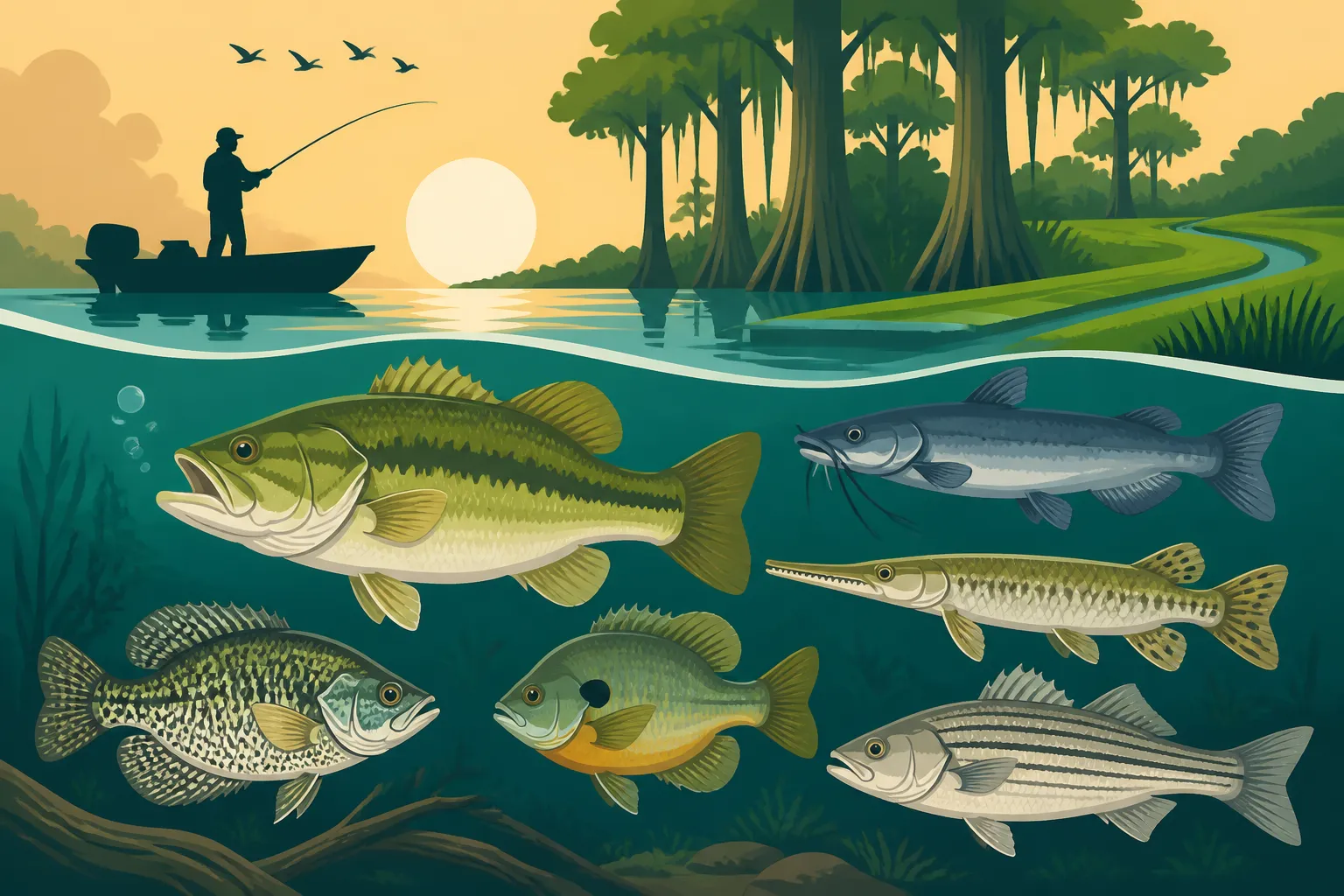
When most anglers think of the Delta, a few key species immediately come to mind. These are the workhorses of the Delta's sport fisheries, providing countless hours of angling enjoyment and often ending up on the dinner table. You won't find the same cold-water trout species here that you do in the Ozarks, but what you will find are hard-fighting, often trophy-sized warm-water fish that thrive in these rich environments.
Abundant Catfish Species
If there's one family of fish synonymous with the Arkansas Delta, it's catfish. The slow, deep, often turbid waters of the region are absolutely ideal for these bottom-dwelling powerhouses. Anglers flock to the Delta for the chance to hook into some truly massive specimens, and it’s not uncommon to hear tales of enormous catches. You'll primarily encounter three main species here, each with its own characteristics and fan base.
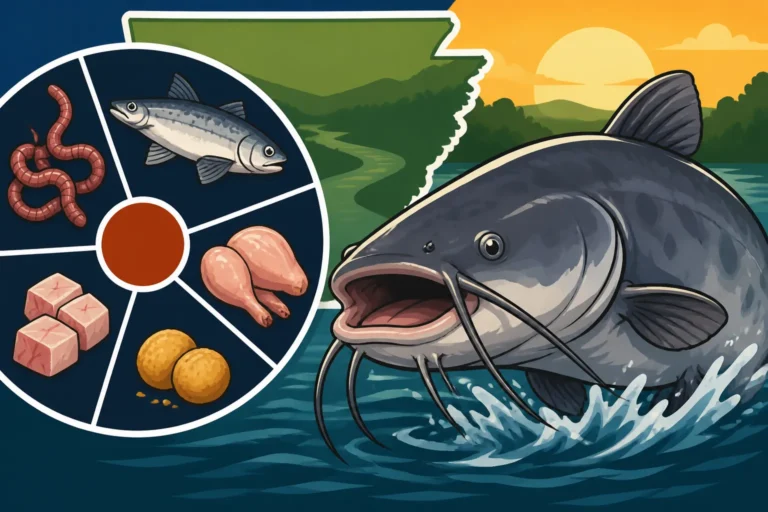
Channel Catfish are perhaps the most widespread and popular. They're found in nearly every Delta waterway, from rivers to oxbows to drainage ditches. They're opportunistic feeders, which means they'll hit a wide variety of baits, making them accessible even for novice anglers. Their size can range from pan-sized eaters to respectable trophy fish, and they put up a surprisingly good fight on light tackle. For a deeper dive into targeting them, check out Channel Catfish in Arkansas Lakes and Rivers. Many anglers find success using stink baits, cut bait, or even chicken livers purchased easily from a local grocery store or on Amazon.
Then there are the Blue Catfish, the true titans of the Delta. These are the fish that can reach truly gargantuan sizes, with Arkansas holding state records that will make your jaw drop. Blue cats prefer the deeper, faster currents of the main rivers, but they're also caught in large oxbows. They are powerful fighters, and landing a trophy blue cat often requires heavy-duty gear and a lot of patience. If you're looking to wrestle with one of these river monsters, you'll want to read up on Blue Catfish Fishing in Arkansas and consider what kind of heavy braided line you might need.
Finally, we have the Flathead Catfish, a solitary predator known for its broad, flattened head and mottled coloration. Unlike channel and blue cats, flatheads prefer live bait and will often ambush prey from cover like submerged timber or rock piles. They also grow to impressive sizes, offering a different kind of challenge for anglers. Targeting flatheads often means night fishing and setting up near dense cover in the rivers and larger oxbows. Understanding their habits is key, and our guide on Flathead Catfish in Arkansas Waters can provide excellent insights.
Bass and Panfish in Oxbows and Backwaters
While catfish dominate the big river sections, the calmer, timber-laden oxbow lakes and backwater sloughs of the Delta are prime territory for a different set of popular game fish: bass and various panfish. These areas offer ideal conditions with plenty of structure, cover, and a rich forage base.
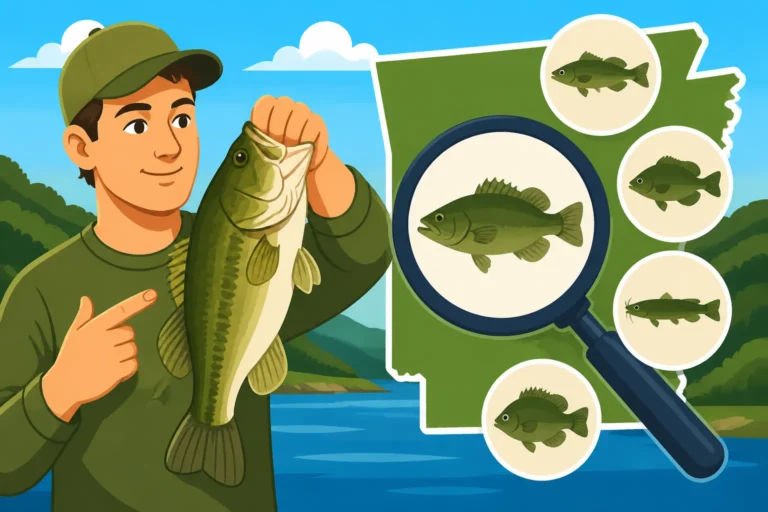
Largemouth Bass are kings in these environments. The abundant hydrilla, lily pads, standing timber, and laydowns create perfect ambush points for these aggressive predators. Fishing for largemouth in the Delta can be an exciting challenge, often requiring accurate casts into tight cover. You'll find them lurking in shaded areas, around cypress trees, or near drops-offs in the oxbows. If you’re serious about bass, learning about Bass Fishing in Arkansas: Largemouth, Smallmouth, and Kentucky Bass Explained will be invaluable, as will having a good selection of jigs and soft plastics, perhaps picked up from Amazon.
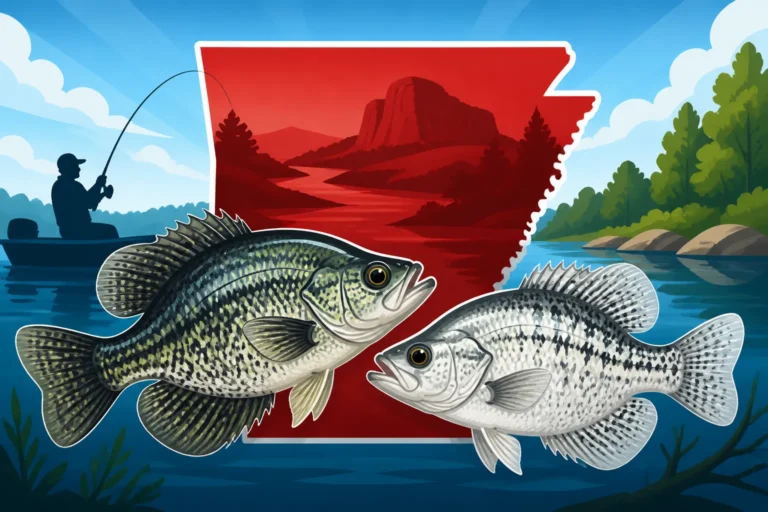
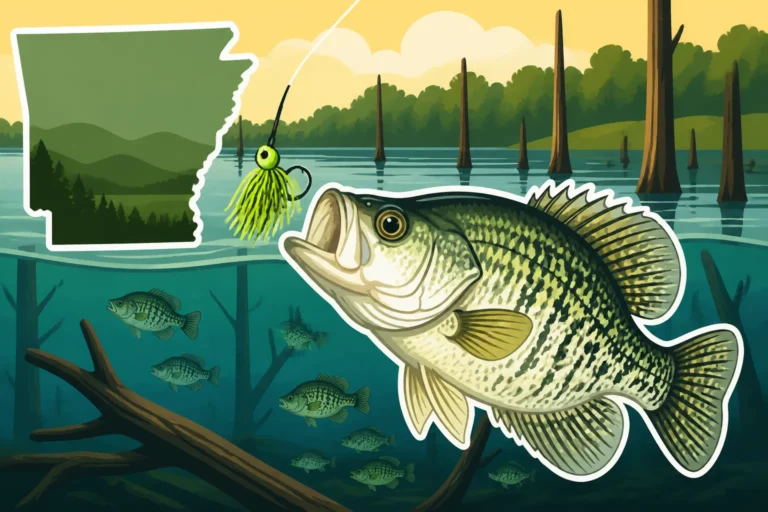
Alongside the largemouth, you’ll find incredible numbers of Crappie, both black and white varieties. These schooling fish are a favorite among Delta anglers, especially in the spring and fall. They congregate around brush piles, submerged logs, and standing timber, offering fast action and delicious table fare. Vertical jigging small jigs or fishing with minnows under a bobber are classic Delta crappie techniques. Our dedicated guide to Crappie Fishing in Arkansas: Black and White Crappie Basics can tell you more about distinguishing between the species and their habits. Many anglers specifically target Crappie Fishing Tips for Arkansas Timber Lakes as this habitat is prolific in the Delta.
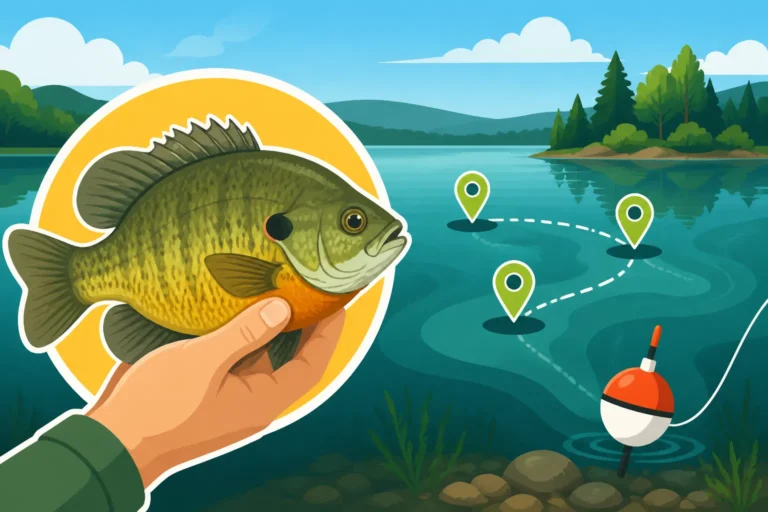
Rounding out the panfish are Bluegill and other sunfish. These smaller, feisty fish are perfect for a relaxing day of fishing, especially with kids. They’re abundant in nearly all Delta waters, readily biting on worms, crickets, or small artificial lures. Bluegill provide consistent action and are excellent for introducing new anglers to the sport. Discover more about how to target these fun species in Bluegill Fishing for Arkansas Beginners.
Lesser-Known but Fun to Catch Species
Beyond the headliners, the Delta is home to other fascinating fish that often surprise anglers and add to the region's unique charm. These might not be targeted as often, but they offer exciting fights and add to the overall biodiversity.
Take for instance the Freshwater Drum, also known as gaspergou or sheepshead. These fish are surprisingly common in Delta rivers and larger oxbows. They are strong fighters, often mistaken for catfish due to their bottom-feeding habits and powerful runs. Drum will readily take worms, crawfish, or even small jigs, providing an unexpected and thrilling battle. They are also quite palatable, though often overlooked as table fare.
Then there are the various species of Gar, including longnose, shortnose, and alligator gar. These prehistoric-looking fish are unmistakable with their elongated bodies and toothy jaws. While not typically targeted for food, they offer a unique sporting challenge, especially the massive alligator gar, which can exceed well over a hundred pounds. Many anglers consider them trophy fish, seeking them out for their incredible power and ancient appeal. You might need special equipment for these, so always be prepared!
Other Fascinating Fish Species of the Delta
The rich biodiversity of the Arkansas Delta extends far beyond just game fish. The region is a living museum of aquatic life, harboring species with ancient lineages and those that form the crucial base of the food chain. Understanding these often-overlooked species helps paint a more complete picture of the Delta's ecological health and incredible natural heritage. This is where Arkansas's Native Fish: Nearly 200 Species Call the State Home truly shines, illustrating the incredible richness of the state's waters.
Ancient Species and Unique Adaptations
The Delta's historic isolation and the stability of its major river systems have allowed some truly ancient fish species to persist and thrive. These living fossils offer a glimpse into aquatic ecosystems of millennia past.
The Paddlefish, for example, is one such incredible creature. With its distinctive, paddle-like snout, this filter feeder can grow to immense sizes. They inhabit the larger rivers of the Delta and are highly sensitive to water quality and habitat changes. While protected in many areas, their presence signifies a healthy, complex river system. Catching one is rare and usually accidental, but it's a testament to the wildness of the Delta.
Another ancient survivor is the Bowfin, often called "grinnel" or "mudfish" in the South. These fish are incredibly hardy, capable of breathing air when oxygen levels in the water drop. They're aggressive predators, found in weedy backwaters, sloughs, and oxbows. They'll readily strike artificial lures and provide a powerful, if sometimes messy, fight. Their unique dorsal fin that undulates along their back makes them instantly recognizable.
And let's not forget the Lampreys, specifically the non-parasitic forms found in the Delta. While often confused with eels, lampreys are an even more ancient lineage of jawless fish. Their presence contributes to the overall aquatic food web, playing specific roles in nutrient cycling and providing forage for other species. Seeing one isn't an everyday occurrence, but it's a reminder of the intricate web of life that makes up the Delta's waters.
Baitfish and Forage Species: The Foundation of the Food Chain
For all the trophy game fish we like to talk about, none of them would exist without the countless smaller species that form the base of the food chain. These baitfish and forage species are essential for a healthy, vibrant ecosystem, providing food for everything from largemouth bass to blue catfish.
Key among these are various species of Shad, particularly gizzard shad and threadfin shad. These small, schooling fish are incredibly prolific and form the primary food source for many predatory fish in the Delta's rivers and lakes. Their abundance directly correlates with the health and size of game fish populations. Anglers often locate schools of shad using their electronics, knowing that where the bait is, the big fish won't be far behind.
Numerous species of Minnows and other small cyprinids also populate the Delta's waters. These include emerald shiners, golden shiners, and various dace species. They inhabit smaller streams, backwaters, and even flooded fields, providing crucial forage for juvenile game fish and panfish. Their sheer numbers are staggering and are a clear indicator of the Delta's rich productivity. A good fishing guide or even a book on regional fish identification, easily found on Amazon, can help you learn to identify these smaller but vital species.
The Role of Non-Game Species in the Ecosystem
It's easy to focus solely on the fish we catch for sport or dinner, but the vast majority of fish species in the Delta are not classified as "game fish." These non-game species play equally, if not more, important roles in maintaining ecological balance. They are the unsung heroes of the aquatic world, performing vital functions like controlling insect populations, filtering water, and breaking down organic matter.
For example, various Darters and Madtooms are small, bottom-dwelling fish that are essential components of the benthic community. They feed on insects and detritus, helping to keep the streambed clean and healthy. Other species, like freshwater mussels, while not fish, are often found in the same habitats and act as natural water filters, significantly improving water clarity and quality – a huge benefit for the entire aquatic community. Understanding this broader picture helps us appreciate the complexity and interconnectedness of Fish Species Found in Timber-Filled Refuge Lakes and the Delta's other unique habitats. Every species, no matter how small or unglamorous, has its place and purpose.
Conservation and the Future of Delta Fish Diversity
The incredible fish diversity of the Arkansas Delta is a precious resource, but it's not without its challenges. Like many productive ecosystems, the Delta faces pressures from human activities and environmental changes. Ensuring the continued health and richness of these fish populations requires ongoing effort and a commitment to conservation.
Challenges to Delta Fish Populations
The Delta's fish species contend with a variety of significant challenges, some stemming from historical practices and others from ongoing environmental pressures. One of the primary concerns is habitat alteration and loss. As mentioned earlier, the extensive transformation of bottomland hardwood forests for agriculture, coupled with flood control projects, has reduced and fragmented critical spawning grounds and nursery areas for many fish species. The natural ebb and flow of rivers, essential for certain fish life cycles, has been heavily modified.
Water quality degradation is another persistent issue. Agricultural runoff, containing sediments and nutrients, can lead to increased turbidity and algal blooms, which in turn reduce dissolved oxygen levels – a deadly scenario for many fish. While regulations are in place to mitigate these impacts, ensuring compliance and developing sustainable farming practices remain ongoing efforts. You might also find concerns around potential contaminants that could accumulate in What Is the Biggest Fish Ever Caught in Arkansas? if you're thinking about consuming large, old fish.
Efforts to Preserve and Restore Fish Habitats
Despite the challenges, there are dedicated efforts to preserve and restore the aquatic habitats and fish diversity of the Arkansas Delta. State agencies, like the Arkansas Game and Fish Commission, work tirelessly on habitat improvement projects. This includes restoring oxbow lake connectivity, creating new fish cover, and managing water levels to mimic natural conditions where possible. Many of these efforts often include stocking programs to bolster populations of popular game species.
Furthermore, public land acquisition and management play a crucial role. Wildlife management areas and national wildlife refuges within the Delta protect significant tracts of wetlands, bottomland forests, and associated waterways. These areas serve as vital refuges for fish and other wildlife, providing relatively undisturbed habitats. When planning a trip, looking up these public access areas on a map, perhaps a waterproof one purchased from Amazon, can offer insights into conservation efforts and great fishing spots. Conservation groups also contribute significantly through advocacy, education, and direct restoration projects, working to ensure that the rich fish diversity of the Arkansas Delta remains vibrant for generations to come.
Delta Fish Species Snapshot
To give you a quick overview of some of the key species and where they thrive in the Delta, here’s a handy table:
| Fish Species | Preferred Habitat | Common Baits/Lures | Average Delta Size |
|---|---|---|---|
| Channel Catfish | Rivers, oxbows, sloughs, drainage ditches | Cut bait, stink bait, chicken livers | 1-5 lbs, up to 20 lbs |
| Blue Catfish | Deeper currents of main rivers, large oxbows | Cut bait (shad, carp), live bait | 10-50 lbs, trophies over 100 lbs |
| Flathead Catfish | Rivers, large oxbows, near heavy cover | Live bait (perch, sunfish) | 5-30 lbs, trophies over 60 lbs |
| Largemouth Bass | Weedy oxbows, timbered backwaters, river banks | Jigs, plastic worms, spinnerbaits, crankbaits | 2-5 lbs, trophies over 10 lbs |
| Crappie (Black/White) | Brush piles, submerged timber, standing cover | Small jigs, minnows, tiny crankbaits | 0.5-2 lbs, trophies over 3 lbs |
| Bluegill | Shallow, vegetated areas of almost all waters | Worms, crickets, small poppers | 0.25-1 lb |
| Freshwater Drum | Main rivers, large oxbows with current | Worms, crawfish, cut bait | 2-10 lbs, up to 20+ lbs |
| Alligator Gar | Slow-moving rivers, large oxbows | Large live bait, cut bait (often snagged) | 50-150 lbs, record-breakers much larger |
Disclaimer
This article is for general informational purposes only and does not constitute professional advice. Laws, prices and regulations vary by location and change over time. Consult a qualified professional for guidance on your specific situation.