Norfork Lake’s Reputation for Trophy Striped Bass Fishing
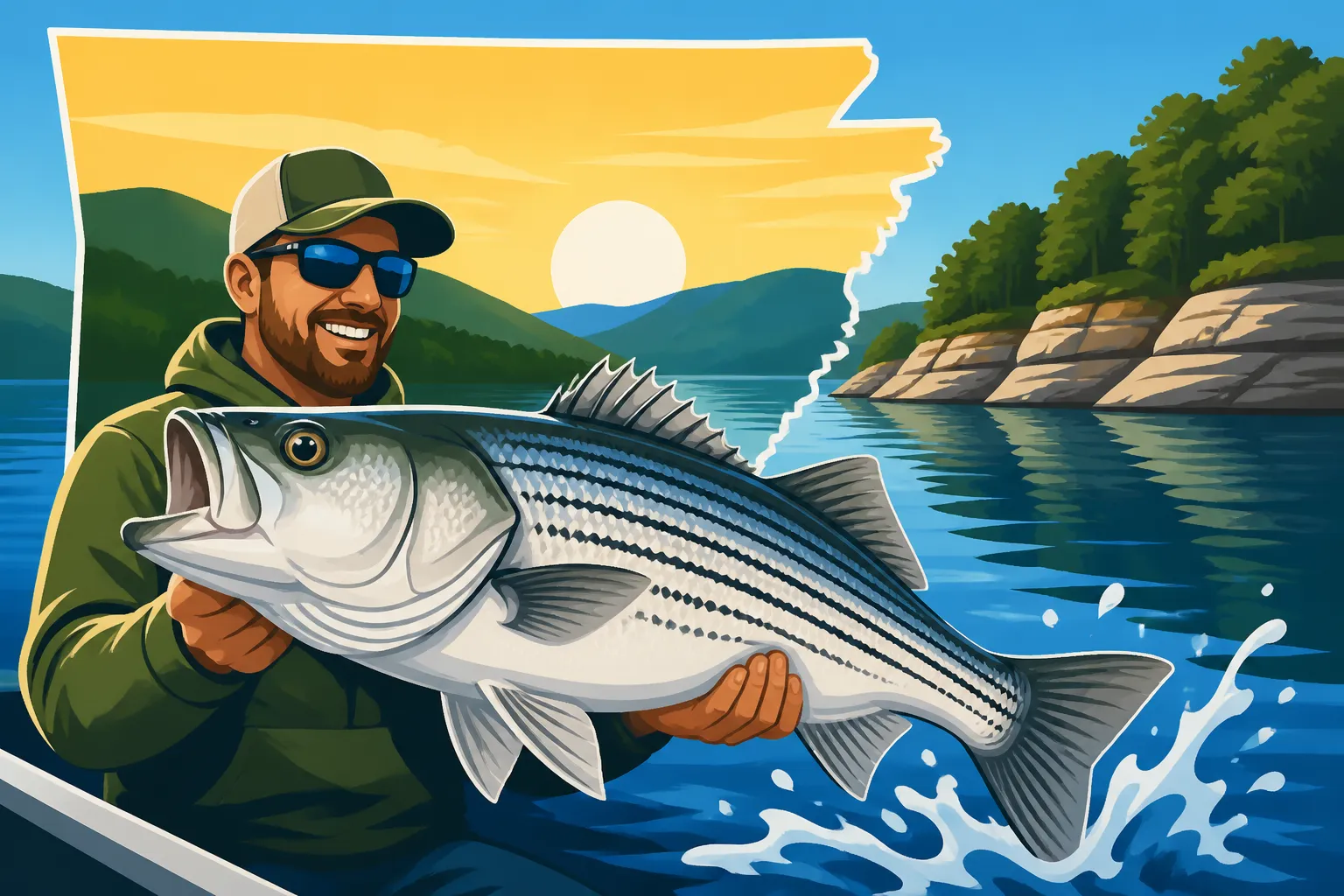
For many anglers, the dream of hooking into a truly massive striped bass feels like chasing a ghost, a legend whispered on the wind. These powerful fish demand respect, specialized tactics, and the right environment to truly thrive and reach their impressive sizes. If you've been yearning to land that bucket-list striper, this guide is your roadmap to understanding why Norfork Lake in Arkansas stands out as a premier destination for trophy striped bass fishing and how you can increase your chances of success.
Why Norfork Lake Holds the Key to Trophy Stripers
Norfork Lake isn't just another pretty body of water in the Ozarks; it's a finely tuned ecosystem that consistently produces some of the biggest striped bass in the country. Anglers from all over flock here for a shot at these giants, and there are several compelling reasons why this lake has earned its legendary status. It's not by accident that Norfork has become synonymous with trophy striper fishing; it's a combination of unique geographical features, dedicated fisheries management, and a thriving food chain.
Deep, Clear, and Cold Waters
One of the primary factors contributing to Norfork Lake's trophy striper reputation is its unique water characteristics. The lake is a large, deep, clear, and relatively cold reservoir, especially in its lower reaches and main channels. These conditions are absolutely critical for striped bass, which are cold-water fish at heart, even if they can tolerate warmer surface temperatures for feeding forays. Unlike many other lakes where stripers might struggle in the dog days of summer, Norfork provides abundant thermal refugia – deeper, cooler water where these fish can comfortably escape the heat when surface temperatures rise. This allows them to grow larger and live longer, free from the stress of consistently warm water. The clarity of the water also plays a role, allowing stripers to use their keen eyesight to hunt baitfish, and for anglers, it means understanding how light penetration affects fish behavior at different depths.
Abundant and Diverse Baitfish Population
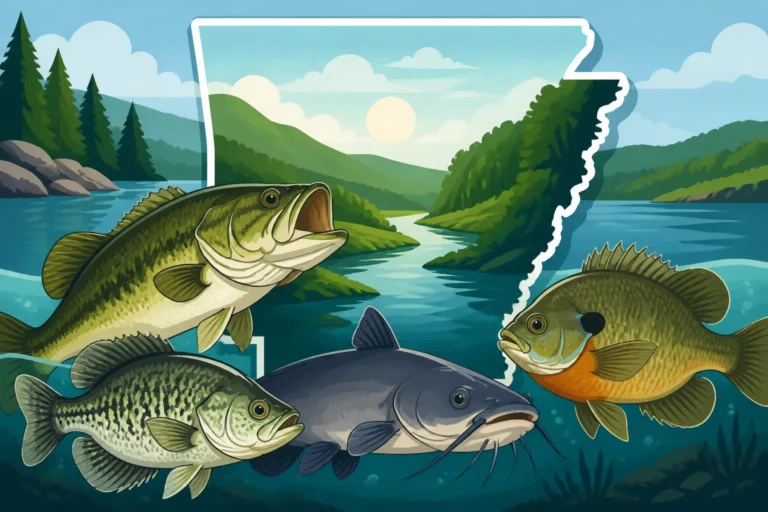
A trophy fishery is only as good as its forage base, and Norfork Lake excels in this department. The lake boasts a robust population of shad, primarily gizzard shad and threadfin shad, which form the cornerstone of the striper diet. These oily, protein-rich baitfish provide the necessary fuel for stripers to pack on incredible amounts of weight. But it's not just shad; Norfork also has a healthy population of other species like bluegill and small crappie that can contribute to the striper's diet, especially for larger, more opportunistic fish. The sheer volume and availability of these baitfish mean that stripers don't have to work as hard to find food, allowing more energy to be diverted to growth. Understanding the movements and schooling patterns of these baitfish is often the first step in locating trophy stripers.
Consistent Stocking and Fisheries Management
While natural reproduction occurs, a significant part of Norfork Lake's trophy striper success comes from strategic stocking programs by the Arkansas Game and Fish Commission. These efforts ensure a healthy and sustainable population, year after year. The goal isn't just to have stripers, but to cultivate a population where a good number of fish can reach trophy size. This careful management also includes regulations on size and creel limits, designed to protect the bigger fish and allow them to mature. It’s a delicate balance, and the AGFC's commitment to maintaining Norfork as a premier Trophy Striped Bass Fishing in Arkansas destination is evident in the quality of the fishery. They monitor the lake's health, fish populations, and baitfish dynamics to make informed decisions that benefit both the fish and the anglers pursuing them.
The Seasonal Dance of Norfork Lake Stripers
Understanding the seasonal movements and behavior of striped bass on Norfork Lake is paramount to consistently catching them, especially those larger specimens. These fish are constantly on the move, driven by water temperature, baitfish availability, and their own biological imperatives. What works in spring won't necessarily work in summer, and a true trophy hunter needs to adapt their strategies throughout the year.
Spring and Fall: Peak Opportunities
Spring and fall are often hailed as the prime seasons for Norfork Lake Striped Bass Season fishing, and for good reason. As water temperatures moderate, baitfish become more active and are often found in shallower waters. In the spring, after the cold grip of winter, stripers move up into creeks and coves, following the baitfish that are seeking warmer water. This can make them more accessible to anglers, sometimes even presenting opportunities for casting to schooling fish near the surface, especially during low-light conditions. Similarly, in the fall, as the lake begins to cool, stripers once again become incredibly active, often feeding aggressively to put on weight for the colder months ahead. This is a fantastic time for both trolling and live bait techniques, as the fish are generally more cooperative and spread out across different depths.
Summer and Winter: Deep Water Challenges and Rewards
Don't let the idea of "off-season" deter you. Norfork Lake still offers incredible trophy striper fishing during the heat of summer and the chill of winter, though it requires a different approach. In summer, the thermocline (the layer where water temperature changes rapidly with depth) becomes crucial. Stripers will retreat to the cooler, oxygenated waters below the thermocline, often suspending over deep channels or around humps. This is when Deep Water Striper Fishing Techniques truly shine, often involving downriggers, lead core line, or heavy artificial lures to get baits down to where the fish are holding.
Winter fishing, while requiring hardier anglers, can be exceptionally rewarding. The entire water column cools down, and stripers can often be found in large schools, sometimes even in shallower waters near main lake points or creek mouths during warmer spells. When the water gets really cold, they might hold tight to structure or suspend in very deep water, but when you find them, the action can be fast and furious. Many anglers consider winter one of the Best Season to Catch Big Striped Bass at Norfork Lake Arkansas because the fish are often concentrated and feeding heavily on large baitfish.
Tactics for Targeting Trophy Stripers on Norfork Lake
Catching a trophy striper on Norfork Lake requires patience, persistence, and a keen understanding of various fishing techniques. These aren't just fish; they're apex predators, and you need to think like one to outsmart them. While there are many ways to approach these powerful fish, some methods consistently produce bigger catches on Norfork.
Trolling: Covering Water and Finding Schools
Trolling is perhaps the most popular and effective method for finding and catching trophy striped bass on Norfork Lake. This technique allows you to cover vast amounts of water, presenting your lures or live baits at various depths until you locate active fish. Anglers often use a spread of rods, each with a different lure or bait running at a specific depth and distance behind the boat. Downriggers are indispensable for precisely presenting baits in the thermocline during summer, or just above suspended schools in deeper water. Lead core line can also achieve similar results without the need for specialized equipment, although it's less precise.
When trolling, pay close attention to your electronics. Your fish finder isn't just for locating fish; it's a window into the underwater world, showing baitfish schools, thermoclines, and underwater structure where stripers might ambush prey. Look for arcs representing stripers, often suspended just below or within schools of bait. Popular trolling lures include large crankbaits, swimbaits, and umbrella rigs, often tipped with a piece of bait for added scent and appeal. You can find a vast selection of these specialized lures and trolling accessories on Amazon, which makes it convenient to explore different brands and styles.
Live Bait: The Irresistible Offering
For truly trophy-sized stripers, many seasoned Norfork anglers swear by live bait. There's something about a frisky gizzard shad or a lively shiner struggling on a hook that big stripers just can't resist. The key here is the freshness and liveliness of your bait. Anglers will often spend time netting or cast-netting their own bait in the morning, or purchase it from local bait shops. Keeping bait healthy in a well-aerated livewell is crucial.
Live bait can be fished in several ways:
- Free-lining: Simply letting a live baitfish swim naturally behind the boat, often with a balloon to keep it at a specific depth, or just letting it drift with the current. This works well when stripers are actively feeding near the surface or suspended at a known depth.
- Downlining: Using a weight to send your live bait straight down to a specific depth, often over a school of stripers you've marked on your sonar. This is a very effective method, especially during the warmer months when stripers are holding deep.
- Planer boards: These devices take your line out to the side of the boat, allowing you to cover an even wider spread without spooking fish with your boat's presence. This is particularly useful when targeting wary, shallow-holding fish.
Using a good quality circle hook with live bait is also important, as it typically hooks the fish in the corner of the mouth, reducing harm if you plan on releasing it. For those looking to upgrade their livewell setup or purchase quality bait nets, a quick search on Amazon will show you countless options to improve your live bait game.
Jigging and Casting: Active Approaches
While trolling and live bait are productive, don't overlook active jigging and casting for trophy stripers, especially when they're schooling or busting bait on the surface. When you see birds diving or baitfish scattering, it's a sure sign of stripers feeding aggressively. Casting large topwater plugs, swimbaits, or heavy spoons into the melee can result in explosive strikes. For those fish holding deep but concentrated, vertical jigging with heavy spoons or large soft plastics can be incredibly effective.
This method often requires quick reactions and precise boat positioning to stay on top of the schools. A quality fish finder with side-imaging can be invaluable for locating these subsurface schools and positioning your boat directly over them. Many anglers carry a dedicated casting setup, even when primarily trolling, just in case a surface bite erupts. Remember, these fish are strong, so make sure your tackle is up to the task!
Essential Gear for Norfork Lake Trophy Stripers
Going after trophy striped bass on Norfork Lake isn't a job for ultralight tackle. These fish are built like torpedoes, known for powerful, sustained runs that will test every piece of your equipment. Investing in the right gear isn't just about catching fish; it's about being prepared for the fight of a lifetime and ensuring you don't lose that prized catch due to equipment failure.
Rods, Reels, and Line: Power and Endurance
For trolling and downlining heavy live bait, you'll want sturdy medium-heavy to heavy action rods, typically 7 to 8 feet long. These rods need enough backbone to handle large weights and lures, and to absorb the shock of a big striper's initial run. Paired with these rods should be conventional reels or heavy-duty spinning reels with excellent drag systems and high line capacity. Look for reels that can hold at least 250-300 yards of 20-30 pound monofilament or 50-65 pound braided line. Braided line is popular for its sensitivity and strength, but many still prefer the stretch of monofilament for trolling with large plugs. Consider leaders of fluorocarbon, often 30-50 pound test, for abrasion resistance and invisibility. Brands like Penn, Shimano, and Daiwa offer a range of reliable options, many of which are readily available through retailers on Amazon.
Lures and Bait: The Arsenal
Your tackle box for Norfork Lake stripers should be well-stocked with a variety of proven lures. For trolling, think large crankbaits that dive to different depths (from 15 to 30+ feet), heavy swimbaits (like the A.C. Plug or Castaic), and umbrella rigs with shad imitations. Spoons, like Sassy Shads or Hopkins spoons, are great for vertical jigging. When casting, have some large topwater poppers or walk-the-dog style baits, as well as soft plastic swimbaits on heavy jig heads. For live bait, ensure you have an ample supply of appropriate circle hooks (4/0 to 7/0 depending on bait size) and egg weights or split shots to get your bait down. Having a variety of colors and sizes is also important, as what works one day might not the next. Building up your lure collection often involves trying new things, and sites like Amazon are a great resource for exploring different brands and styles.
Electronics: Your Eyes Underwater
In today's striper fishing world, a good set of marine electronics is almost as important as your rod and reel. A high-quality fish finder with GPS capabilities is essential for locating baitfish, stripers, and crucial underwater structure like humps, points, and channel swings. Look for units that offer CHIRP sonar, side imaging, and down imaging for the most detailed view of the water column and bottom contour. GPS allows you to mark waypoints where you find fish, establish trolling paths, and navigate safely across the lake's vast expanses. Many anglers also utilize specialized mapping chips for even greater detail. On a lake like Norfork, where stripers can suspend in 100 feet of water or more, understanding what's beneath your boat is a game-changer. These technological advancements have truly revolutionized how anglers pursue trophy fish, and you can research and compare different models and features online.
Here's a quick overview of essential gear for targeting trophy stripers:
| Gear Category | Key Items | Purpose | Notes |
|---|---|---|---|
| Rods | Medium-Heavy to Heavy Action (7-8 ft) | Handling large fish & heavy tackle, strong backbone | Graphite or composite, often with comfortable grips |
| Reels | Conventional or Heavy Spinning (high capacity) | Durable drag, high line capacity (250-300yds 20-30lb mono) | Look for models with smooth, reliable drag systems |
| Line | 20-30lb Monofilament / 50-65lb Braid | Strength, abrasion resistance, sensitivity (braid) | Fluorocarbon leaders (30-50lb) for invisibility & abrasion resistance |
| Lures (Trolling) | Large Crankbaits, Swimbaits, Umbrella Rigs | Cover water, target specific depths, mimic baitfish | Vary colors & diving depths; check current Norfork favorites |
| Lures (Casting/Jigging) | Heavy Spoons, Soft Plastic Swimbaits, Topwater Plugs | Active fishing for schooling or busting fish | Keep a variety for different scenarios |
| Terminal Tackle | Circle Hooks (4/0-7/0), Egg Weights, Swivels | Secure live bait, prevent line twist, get bait to depth | Match hook size to bait; use quality, sharp hooks |
| Electronics | Fish Finder with GPS, Side/Down Imaging | Locate fish, bait, structure; navigate, mark waypoints | Essential for deep-water striper fishing; map chips are a bonus |
| Live Bait System | Large Aerated Livewell, Cast Net | Keep bait healthy & lively for extended periods | Crucial for successful live bait fishing |
Remember, chasing trophy striped bass on Norfork Lake is a journey, not just a single trip. It's about learning the lake, understanding the fish, and continuously refining your techniques. With the right preparation, the proper gear, and a healthy dose of patience, that monster striper might just be waiting for you.
Disclaimer
This article is for general informational purposes only and does not constitute professional advice. Laws, prices and regulations vary by location and change over time. Consult a qualified professional for guidance on your specific situation.