Do You Need Live Bait for Crappie?
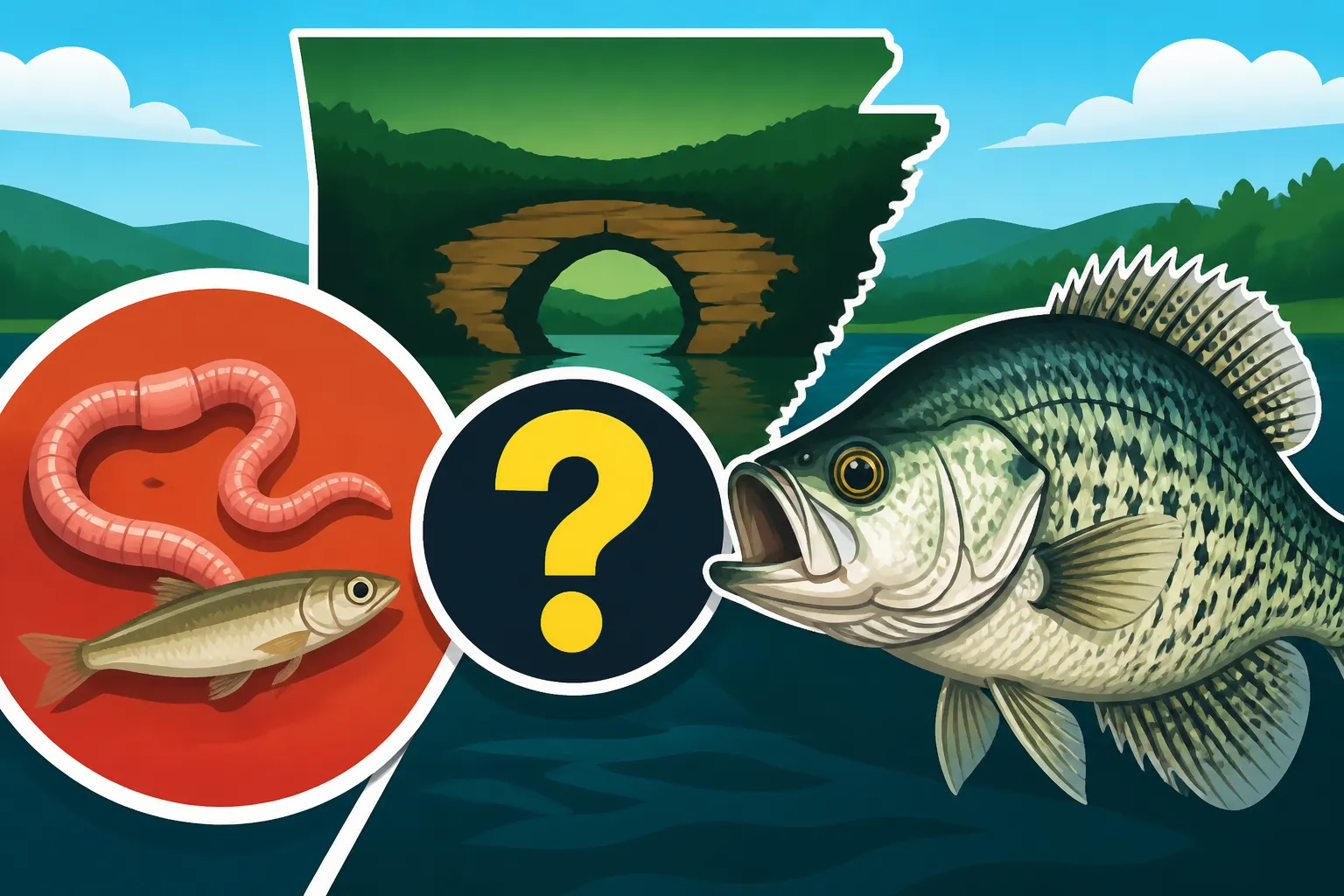
If you've spent any time at all on the lakes and rivers of Arkansas chasing crappie, you've undoubtedly heard the endless debate: do you absolutely need live minnows to catch these popular panfish, or are there other equally effective methods? It’s a common frustration for many anglers, especially those who find sourcing and keeping live bait a hassle, or who simply prefer the challenge and versatility of artificials. This guide is here to tell you that while live bait certainly has its place, it's far from the only path to a full stringer. We're going to dive deep into the world of crappie fishing, exploring a variety of successful techniques and baits that will help you land slabs without ever having to bait a hook with a squirming minnow.
The Age-Old Question: Is Live Bait Truly Necessary for Crappie?
For generations, the image of a crappie angler often included a bucket of lively minnows, patiently waiting for a bite. It’s ingrained in the culture, and for good reason—live bait is incredibly effective. However, the idea that it's the only way to consistently catch crappie is a myth we need to bust. Arkansas is teeming with crappie in waters like Lake Ouachita, DeGray Lake, and Lake Conway, and they're caught on a diverse array of offerings every single day.
The Allure of Live Minnows: Why Anglers Swear by Them
There's no denying the power of a live minnow. It brings several undeniable advantages to the table that make it a go-to choice for many crappie enthusiasts. First and foremost is the natural movement. A minnow struggling on a hook, or even calmly swimming, sends out irresistible vibrations and visual cues that mimic the crappie's natural prey. This lifelike action is something artificial lures often try to replicate, but rarely match perfectly. Crappie are visual predators, and that subtle twitch, flash, and darting motion can be just what it takes to trigger a strike, especially when fish are lethargic or spooky.
Beyond movement, live minnows also offer a potent scent trail. Fish have an incredibly keen sense of smell, and the natural odors emitted by a live or recently deceased minnow can draw crappie in from a distance, or entice them to hold onto the bait longer once they've taken it. This becomes particularly important in stained or murky water where visibility is reduced, or in deeper water where fish might rely more on their olfactory senses. Many anglers feel a greater sense of confidence with live bait, knowing that it presents the most natural offering possible, and this confidence can itself lead to more focused and effective fishing.
The Case Against Exclusivity: Other Baits That Deliver
Despite the strong arguments for live minnows, saying they are necessary is an overstatement. Modern fishing tackle and techniques have evolved dramatically, offering anglers a plethora of choices that can be just as, if not more, effective depending on the situation. The beauty of today's crappie fishing scene is the sheer versatility available. We're talking about everything from tiny jigs that mimic insects and baitfish, to small spinnerbaits that flash and vibrate, and even prepared baits designed specifically to attract crappie.
These alternatives offer a significant advantage in convenience. No more worrying about keeping minnows alive in a bait bucket, constantly checking water temperature, or dealing with spilled water in your vehicle. Artificials are ready to go at a moment's notice, can be stored easily, and are much more durable. You can cover more water, experiment with different colors and retrieve patterns, and actively seek out fish rather than passively waiting for them. While there might be a slight learning curve to master the presentation of some artificials, the payoff in terms of efficiency, cost-effectiveness (in the long run), and the sheer joy of fooling a fish on a lure you're actively working is incredibly rewarding.
Exploring Effective Alternatives to Live Bait for Crappie
So, if live minnows aren't the only answer, what else can you use to fill your cooler with those delicious slabs? The world of artificial crappie baits is vast and exciting, offering options for every condition and angler preference. Let's break down some of the most effective choices that consistently produce crappie in Arkansas.
Jigs and Soft Plastics: The Artificial Advantage
When it comes to artificial crappie baits, jigs, especially those tipped with soft plastics, are king. These versatile lures are designed to mimic small baitfish, insects, or crustaceans—all prime targets for hungry crappie. You'll find a massive variety, but some staples include tube jigs, which have a hollow body that collapses on the bite, and curly tail grubs, which feature a paddle or curly tail that provides enticing action with even the slightest movement. Shad-style bodies, tiny creature baits, and hair jigs also have their ardent followers. The real magic often lies in the combination of size, color, and how you present it. Many anglers find great success using 1/16 oz to 1/8 oz jigs, but going as light as 1/32 oz can be deadly for particularly finicky fish or when fishing extremely shallow water.
The advantages of jigs are numerous. They are incredibly convenient; you can carry dozens of different styles and colors in a small tackle box. They’re reusable, which saves money over time compared to buying live minnows every trip. Jigs also allow for precise depth control, letting you target fish holding at specific levels in the water column, whether they're suspended over deep brush piles or hugging the bottom in a creek channel. You can cast them, troll them, or vertically jig them directly over structure. While it requires a bit more active participation than simply dangling a minnow, mastering the subtle twitches and pauses can make these lures incredibly deadly. You can find a fantastic selection of crappie jigs and soft plastics, often in multi-packs, on platforms like Amazon, making it easy to stock up and experiment.
Spinnerbaits and Crankbaits: When to Go Aggressive
Sometimes, crappie aren't just hungry; they're aggressive. This is where small spinnerbaits and tiny crankbaits can really shine, especially when you need to cover a lot of water quickly to locate active schools. Micro-spinnerbaits, often referred to as "Roadrunners" or similar variations, combine the flash and vibration of a spinning blade with a jig head and soft plastic body. The blade creates a disturbance in the water that crappie can feel with their lateral line, drawing them in, while the jig provides the visual appeal. These are excellent for casting and retrieving, especially along drop-offs, weed lines, or across points where crappie might be staging.
Small crankbaits, typically those designed for panfish, are another fantastic option for covering water. These lures dive to a specific depth, producing a wobbling action that mimics a frantic baitfish. They come in a variety of sizes and colors, and selecting one that dives to the depth where you expect crappie to be feeding can be incredibly effective. While these lures might not be your first choice for slow, precise presentations in heavy cover, they are invaluable for quickly locating fish or when crappie are actively chasing bait. The downside is that they can sometimes attract other species like bass or sunfish, but who's complaining about a bonus catch? Just remember to use smaller sizes to match the crappie's mouth size.
Prepared Baits and Scent Enhancers: The Underestimated Edge
Beyond traditional artificials, there’s a category of prepared baits and scent enhancers that often get overlooked but can significantly boost your success, especially when fish are finicky or water is murky. Products like "crappie nibblers" are small, soft pellets designed to be impaled directly onto a jig hook. They dissolve slowly in the water, releasing a powerful scent that can tempt crappie to bite and hold on. These are fantastic for adding an extra layer of attraction to an otherwise standard jig presentation.
Scented pastes, gels, and sprays are another powerful tool in your crappie arsenal. You can apply these directly to your soft plastic jigs or even to a bare hook. They come in various fish-attracting flavors like garlic, aniseseed, or shad, and are designed to leave a scent trail that appeals to the crappie's strong sense of smell. In situations where crappie are hesitant to strike, or when you're fishing in low-visibility conditions, a good scent can make all the difference, transforming a short bite into a committed take. While they don't offer the natural movement of live bait, they can greatly enhance the appeal of your artificial offerings, bridging the gap between live and artificial effectiveness.
Matching Your Crappie Bait to Arkansas's Conditions
Successful crappie fishing isn't just about having the right bait; it's about using the right bait for the right conditions. Arkansas’s diverse waters and changing seasons mean that what works wonders one day might fall flat the next. Understanding how to adapt your bait choice to seasonal patterns, water clarity, depth, and even the specific crappie species you're targeting will elevate your game significantly.
Seasonal Considerations: When to Favor What
Arkansas crappie display distinct patterns throughout the year, and your bait choice should reflect these changes. In the spring, during the When Do Crappie Spawn in Arkansas, fish move shallow to spawn, often congregating around submerged timber, docks, and brush piles. This is a prime time for both small jigs (especially tube jigs or curly tail grubs in chartreuse, white, or black) and live minnows fished under a bobber. The fish are often aggressive and protecting nests, making them susceptible to a variety of presentations.
As summer heats up, crappie retreat to deeper, cooler waters, often suspending over brush piles, channel edges, and bridge pilings. Vertical jigging with jigs or minnows directly over these structures becomes highly effective. Trolling small crankbaits or jigs can also be productive for covering broad flats and identifying where fish are holding. When fall arrives, crappie often go on a feeding frenzy as they prepare for winter. They'll move to creek channels, points, and shallower flats, actively chasing baitfish. This is a fantastic time for both jigs and small spinnerbaits, allowing you to mimic the erratic movement of their prey. Finally, in winter, crappie become more lethargic and seek deep, stable water. A slow, subtle presentation is key. Very small jigs worked meticulously slow, or live minnows fished with minimal weight, are often the most productive. Remember to check the Arkansas Crappie Fishing Season Guide for overall patterns.
Water Clarity and Depth: Making the Right Choice
Water conditions play a crucial role in bait selection. In clear water, where crappie have excellent visibility, you'll generally want to opt for more natural colors and subtle presentations. Transparent or natural baitfish colors in your jigs (like clear with silver flake, or dull greens and browns) can be very effective. A light jig with minimal action, or a live minnow, will often outfish something too flashy or bright. For these conditions, consider lighter lines and smaller lures to avoid spooking wary fish.
Conversely, in stained or muddy water, visibility is low, and crappie rely more on vibration and scent. This is where brighter, more contrasting colors like chartreuse, orange, hot pink, and pure white really shine. The vibrant hues stand out against the murk. Adding scent to your jigs, whether through scented plastics or crappie nibblers, becomes even more critical here, as it helps fish locate your offering. When it comes to depth, shallow water fishing often lends itself to jigs under a bobber or slow-rolling small crankbaits. For deeper fish, vertical jigging, drop-shotting, or trolling jigs and minnows are the go-to methods, allowing you to precisely reach the crappie's strike zone.
Species and Location: Black Crappie vs. White Crappie, Lake vs. River
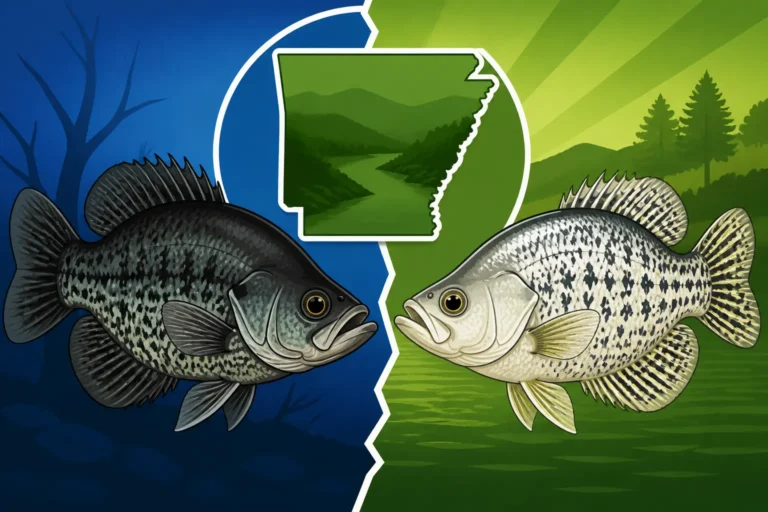
While often lumped together, there are subtle differences in preference between black crappie and white crappie, which are both common in Arkansas. Black Crappie vs White Crappie in Arkansas will show you that black crappie tend to prefer clearer water and heavier, more complex cover like brush piles and submerged timber. White crappie are often more tolerant of turbid water and prefer open water structures like stumps, laydowns, and docks. These subtle preferences might influence whether a slow-fished jig in heavy cover or a trolled crankbait along a channel edge is more effective.
The body of water itself also matters. In large lakes and reservoirs like Lake Monticello or Lake Cargile, crappie often relate to large structures, brush piles, or open water schools. Here, jigs, minnows, and trolling setups are all valid. For example, Lake Monticello crappie limit drops to 15 fish per day so you'll want to make every catch count. In smaller ponds or slow-moving rivers, crappie might be more concentrated around natural cover like lily pads, cypress trees, or log jams, making precise jig presentations or bobber-fished minnows ideal. Understanding these nuances helps you choose not just a bait, but the best bait for the specific scenario you're facing. Keep in mind that Crappie must be 9 inches or longer to keep in Arkansas in most waters, and the Statewide crappie daily limit is 20 fish in most Arkansas waters.
Practical Tips for Success with Non-Live Crappie Baits
Making the switch from live bait to artificials can feel a bit daunting at first, but with a few practical tips, you'll be confidently catching crappie in no time. It's not just about having the lures; it's about understanding how to make them irresistible to crappie.
Mastering Presentation: It's More Than Just the Bait
The biggest difference when fishing with artificials versus live bait is your involvement in the presentation. A live minnow does most of the work itself, but a jig or crankbait requires you to impart the action. This means mastering subtle retrieve speeds, jigging motions, and strategic pauses. For jigs, a slow, methodical retrieve with occasional pauses or gentle "wiggles" of the rod tip often triggers strikes. Think about mimicking a dying baitfish or a struggling insect. Sometimes, a simple, steady retrieve is all it takes, while other times, a sharp jigging motion followed by a dead drop can be incredibly effective, especially for suspended crappie. Learning Crappie Jigging Basics for Beginners is a great starting point.
When trolling with jigs or small crankbaits, pay close attention to your speed. Crappie often have a very specific speed at which they prefer a lure to move. Vary your speed until you start getting bites, then try to maintain that pace. Don't be afraid to experiment! If fish aren't biting on a steady retrieve, try twitching your rod tip, pausing for several seconds, or even letting the lure free-fall before resuming your retrieve. The key is to make the lure look alive and vulnerable.
Color and Size Selection: The Crappie Palette
Crappie can be incredibly particular about color and size, and what works one day might not work the next. It's always a good idea to start with some proven favorites and then adjust based on conditions. Common effective colors include chartreuse, white, black, pink, and combinations like blue/white or black/chartreuse. In clear water, natural baitfish patterns or subtle colors often perform well, while in stained or muddy water, bright, contrasting colors typically get more attention.
The size of your lure is equally important. Crappie have relatively small mouths, so using jigs between 1/32 oz and 1/8 oz is generally a safe bet. The size of the soft plastic body should also match the jig head appropriately – usually 1.5 to 2.5 inches is ideal. Sometimes, matching the "hatch"—meaning using a lure that mimics the size and color of the actual baitfish crappie are currently feeding on—can be incredibly productive. Other times, a "reaction strike" is provoked by an unusually bright or erratic lure that simply annoys the fish into biting. A good strategy is to start with a few different color and size combinations, and then let the fish tell you what they prefer. A diverse selection of jig and soft plastic combinations can be found through retailers on Amazon.
Gear Up for Artificials: Rods, Reels, and Line
Having the right gear makes a significant difference when fishing with artificials for crappie. An ultralight or light action spinning rod, typically in the 5' to 7' range, is ideal. This type of rod offers the sensitivity needed to detect subtle crappie bites and the backbone to handle larger slabs, while also being light enough to comfortably cast small lures all day. Pair this with a small, lightweight spinning reel (size 1000 or 2000) spooled with light line.
For line, 4-6 lb test monofilament or fluorocarbon is generally preferred. Monofilament offers a bit of stretch, which can be forgiving with crappie's papery mouths, while fluorocarbon offers greater sensitivity and is nearly invisible underwater. Some anglers even opt for very light braided line (6-10 lb test) for extreme sensitivity, often paired with a fluorocarbon leader. Terminal tackle should include tiny, sharp hooks (usually size 4, 6, or 8) and small swivels or snaps if you plan on changing lures frequently. Utilizing a slip bobber setup can also greatly aid in presenting jigs at a consistent depth, especially over brush piles. If you're looking for more guidance on specific setups, articles like How to Rig a Jig for Crappie Fishing or How to Slip Bobber Fish for Crappie can provide excellent details.
Comparing Crappie Bait Options
To help you decide which approach might be best for your next Arkansas crappie adventure, here’s a quick comparison of live bait versus artificial lures:
| Feature | Live Minnows | Jigs & Soft Plastics | Small Crankbaits & Spinnerbaits | Prepared Baits & Scents |
|---|---|---|---|---|
| Natural Action | Excellent (mimics live prey) | Requires angler impartment, can be very realistic | Built-in action (wobble, flash, vibration) | None on its own; enhances existing lure action |
| Natural Scent | Strong, highly attractive | Minimal, but can be added via scented plastics/enhancers | Minimal to none | Strong, designed for attraction |
| Convenience | Requires aeration, fresh supply, messy | Highly convenient, easy storage, reusable | Highly convenient, durable, easy storage | Very convenient, easy to apply |
| Versatility | Limited to presentation method | Extremely versatile (cast, troll, jig, float) | Good for covering water, specific depths | Enhances other baits, not a standalone lure |
| Cost | Ongoing expense, can be costly over time | Good initial investment, long-lasting | Good initial investment, long-lasting | Low cost, extends life/effectiveness of other baits |
| Best Use | Finicky fish, cold water, specific depths, passive fishing | All-around, active fishing, structure fishing, covering water | Active fish, searching, covering open water, trolling | Boosting artificials in murky water, slow bites |
| Targeting | Excellent for all crappie sizes | Excellent for all crappie sizes, very precise | Can attract larger crappie, other species | Enhances targeting with other lures |
Ultimately, the choice comes down to personal preference, prevailing conditions, and how you like to fish. Many experienced anglers use a combination of methods, adapting as the day unfolds.
So, do you need live bait for crappie? The short answer is a resounding "no." While live minnows are undeniably effective and have their place in any crappie angler's arsenal, they are by no means the only path to a successful day on the water in Arkansas. Modern artificial lures, from the humble jig and soft plastic to small spinnerbaits and crankbaits, offer incredible versatility, convenience, and effectiveness. By understanding how to present these alternatives and matching them to the seasonal patterns, water conditions, and specific crappie species you're targeting, you can consistently put slabs in the boat. Don't be afraid to experiment, refine your techniques, and embrace the challenge and reward that artificial lures bring to crappie fishing. Happy angling!
Disclaimer
This article is for general informational purposes only and does not constitute professional advice. Laws, prices and regulations vary by location and change over time. Consult a qualified professional for guidance on your specific situation.