Best Lures for Brown Trout Fishing
If you've ever spent a beautiful Arkansas morning on the river, casting for brown trout only to come up empty, you know the frustration. These wily fish are legendary for their caution and intelligence, often making anglers feel like they're trying to outsmart a seasoned chess player. But don't despair! This comprehensive guide will dive deep into the best lures for brown trout fishing in Arkansas, helping you crack the code to consistent success and turn those elusive glimpses into memorable catches.
Understanding Brown Trout Behavior and Habitat
Before we even talk about specific lures, it's absolutely crucial to understand the fish you're targeting. Brown trout aren't like some of their more aggressive cousins; they're often ambush predators, incredibly wary, and have excellent eyesight. Knowing their typical haunts and habits will dramatically improve your lure selection and presentation.
Where Brown Trout Live in Arkansas
In Arkansas, when we talk about brown trout, our minds immediately go to the cold, clear tailwaters below our major dams, especially the mighty White River. These rivers provide the ideal conditions: consistently cold water temperatures, abundant oxygen, and a rich food source. Brown trout love structure – fallen trees, undercut banks, large rocks, and deep eddies are their sanctuaries. They use these spots for cover from predators, strong currents, and as ambush points for passing prey. You'll often find them lurking at the edge of faster currents, darting out to snatch a meal before retreating to the safety of the slower water. Learning about Where to Find Brown Trout in Arkansas can give you an even more detailed picture.
They're not just found in the main current, though. Shallow riffles, especially those with some larger rocks, can hold smaller brown trout, and even the slower, deeper pools can conceal true giants. Their preferences shift with light conditions and water levels, meaning a spot that was dead at noon might be teeming with activity at dawn or dusk.
What Brown Trout Eat (and How Lures Mimic It)
Brown trout are opportunistic feeders, meaning they'll eat just about anything that looks like an easy meal. This includes insects (aquatic and terrestrial), crustaceans, smaller fish, and even mice or small frogs if the opportunity arises. This varied diet is why such a wide array of lures can be effective. Your goal with any lure is to imitate one of these food sources, either by its profile, action, or color.
For example, when they're feeding on baitfish, a minnow-imitating crankbait or spinner becomes incredibly effective. If there's an insect hatch, a tiny spoon or even a micro-jig might fool them into thinking it's a struggling nymph. They are particularly fond of sculpins and other bottom-dwelling baitfish, which are often imitated by darker, bulkier lures fished near the bottom. Understanding their natural prey helps you choose a lure that looks, swims, or even sounds like something they're used to seeing on the menu.
Top Lure Categories for Brown Trout
Now that we've covered the "why," let's get into the "what." There are several categories of lures that consistently produce brown trout in Arkansas waters. Each has its strengths and ideal situations, so it's wise to have a selection of each in your tackle box.
Spinnerbaits and Inline Spinners
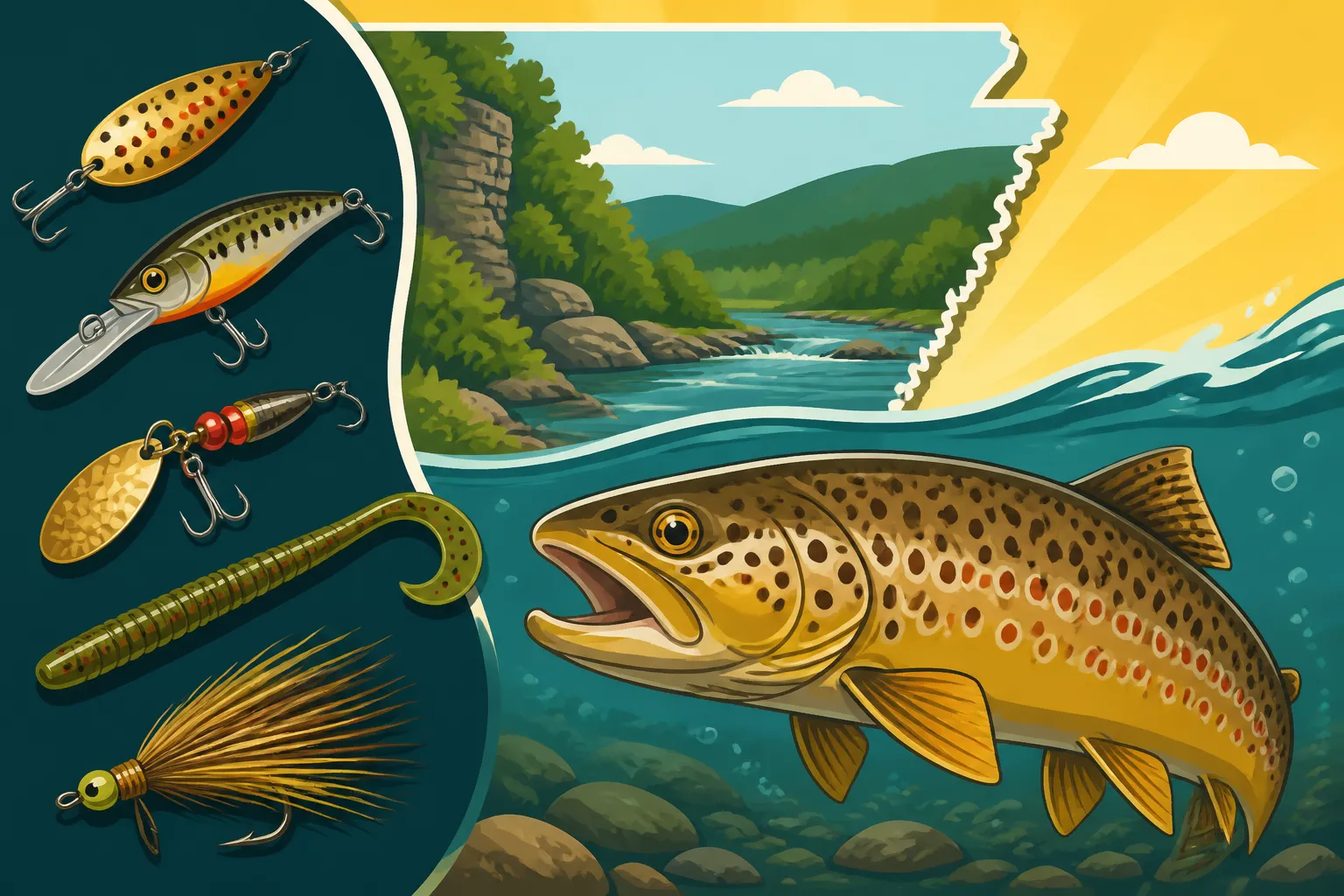
Ah, the classic spinnerbait! These are often the first artificial lures many trout anglers reach for, and for good reason. Their flashing blades and vibrating action are irresistible to many fish, including hungry brown trout. Inline spinners, like the Panther Martin, Mepps, or Rooster Tail, are particular favorites. The flash and vibration mimic small baitfish or even large insects moving through the water, drawing strikes from curious or aggressive browns. You can find a vast array of these on Amazon, often in multi-packs with different sizes and colors, which is great for experimenting.
When choosing a spinner, consider blade color (silver and gold are universal, but copper or black can be excellent in certain conditions) and body color (anything from plain lead to vibrant orange or chartreuse). Smaller sizes (1/8 to 1/4 ounce) are usually best for typical stream conditions, but don't shy away from slightly larger ones if you're targeting bigger fish in deeper water. A steady retrieve, just fast enough to get the blade spinning, is often all it takes. For deeper pockets or faster currents, letting the spinner sink a bit before starting your retrieve can get it into the strike zone. You might find some excellent choices if you're exploring Best Lures for Spin Fishing Trout.
Hard Plastic Minnow Imitations (Crankbaits and Jerkbaits)
These lures are fantastic for mimicking injured baitfish, and brown trout absolutely cannot resist a struggling meal. Hard plastic minnow imitations, often referred to as crankbaits or jerkbaits, come in various sizes, diving depths, and actions. Brands like Rapala are legendary for their trout-catching ability, but many other excellent options exist from companies like Rebel and Yo-Zuri.
- Floating/Diving Minnows: These dive when retrieved and float at rest. They are perfect for fishing areas with varying depths or obstacles, as you can pause your retrieve to let them float over snags. A common technique is to cast upstream, let the current carry the lure down, and then retrieve with a twitch-pause action.
- Suspending Jerkbaits: These lures stay at a specific depth when you pause them, which can be absolutely deadly on wary brown trout. The ability to hold the lure in the strike zone for an extended period often coaxes bites from hesitant fish. A common retrieve involves a series of sharp jerks followed by a long pause (5-10 seconds, or even longer in cold water), making the lure appear to be a wounded baitfish slowly dying.
- Sinking Minnows: Ideal for getting down to deeper runs or when you need to cast further against the wind. They sink on the pause, allowing you to probe different depths.
Color patterns that mimic local baitfish, like a rainbow trout pattern or a subtle brown/silver, are usually good starting points. But don't be afraid to experiment with brighter colors on overcast days or in stained water.
Soft Plastics and Jigs
While often associated with bass fishing, soft plastics and jigs, especially in smaller sizes, are incredibly effective for brown trout. They offer a more subtle presentation that can be key for finicky fish.
- Marabou Jigs: These are lightweight jigs tied with soft, flowing marabou feathers. When wet, they pulse and breathe in the water with minimal movement, perfectly imitating a sculpin, a struggling insect, or even a small crayfish. Colors like black, olive, brown, and white are highly effective. Fish them by casting upstream, letting them drift with the current, and imparting slight twitches with your rod tip, keeping just enough tension to feel the bite.
- Small Grub Tails and Swimbaits: Tiny grub tails (1-2 inches) rigged on a lightweight jig head (1/32 to 1/8 ounce) can be incredibly versatile. Colors like white, chartreuse, motor oil, or pumpkinseed can imitate various forage. Swimbaits with a paddle tail create subtle vibration and a natural swimming action. These can be retrieved slowly, bounced along the bottom, or drifted.
- Trout Worms/PowerBait: While not a traditional "lure" in the same sense, scented soft plastics like PowerBait trout worms or nuggets can be irresistible to brown trout, especially when they're less active. These are usually fished on a bare hook or small jig head, often drifted under a bobber or fished on the bottom with minimal weight. They leverage scent and a soft texture to entice bites.
The beauty of jigs and soft plastics is their versatility. You can adapt their presentation to mimic whatever the trout are feeding on, or simply trigger an instinctual strike with a natural-looking drift.
Spoons
Spoons might seem old-fashioned to some, but they remain a consistent brown trout catcher, especially for larger fish. The wobbling, erratic action of a spoon imitates a dying baitfish, and the flash can be seen from a distance.
- Casting Spoons: Thicker, heavier spoons designed for casting distance. These are excellent for covering large areas of water, especially wider sections of the White River. Retrieve them with a steady retrieve, or a lift-and-drop technique to give them a more erratic action.
- Trolling Spoons: Lighter and often narrower, these are typically used for trolling from a boat, allowing you to cover vast stretches of water and present the lure at precise depths.
Popular colors include silver, gold, copper, and patterns that mimic rainbow trout or other baitfish. Sizes generally range from 1/8 to 1/2 ounce for brown trout. A good selection of spoons can be found readily on Amazon.
Choosing the Right Lure by Water Conditions and Season
The "best" lure isn't always the same. What works in a gin-clear, low-water summer stream might be totally ignored in a high, murky spring river. Adapting your lure choice to the prevailing conditions is a mark of a truly successful angler.
Water Clarity and Color
- Clear Water: When the water is crystal clear, brown trout are at their wariest. This calls for more natural colors and subtle presentations. Smaller lures, natural baitfish patterns (silver, subtle greens, browns), and less flash are generally more effective. Think about light line (4-6 lb test fluorocarbon leaders are a must) and precise casting. Soft plastics and suspending jerkbaits really shine here.
- Stained or Murky Water: In higher, slightly discolored water, trout rely more on vibration and profile than sight. This is where brighter colors (chartreuse, orange, hot pink) and lures with more aggressive vibration and flash (larger spinners, wobbling spoons) can be highly productive. A bigger profile lure can also be easier for fish to locate.
Water Level and Flow
- High Water/Fast Current: When rivers are running high and fast, trout often tuck into calmer eddies, behind large rocks, or in undercut banks to escape the main current. Heavier lures that can get down quickly, like weighted jigs or sinking minnows, are essential. You might need to cast further upstream to allow your lure enough time to sink into the strike zone.
- Low Water/Slow Current: In low water conditions, brown trout become even more skittish. Long casts, light line, and very subtle presentations are key. Smaller spinners, micro-jigs, and tiny crankbaits are good choices. Avoid heavy splashes when casting and approach spots cautiously.
Time of Day and Light Conditions
- Dawn and Dusk: These low-light periods are prime brown trout feeding times. The reduced light gives them confidence to move out of cover. Larger, darker lures can silhouette well against the sky, and lures with more flash and vibration can help them locate prey. Topwater lures, if you're adventurous, can also be exciting during these times, especially for aggressive browns.
- Bright Midday Sun: Brown trout often retreat to deep cover during bright sunlight. You'll need lures that can get down to them or entice them out of their hiding spots. Suspending jerkbaits with long pauses, slow-drifted jigs, or bottom-bounced spoons can be effective. Natural, subdued colors are typically best.
Seasonal Considerations
- Spring: After the long winter, brown trout are often actively feeding. Water levels might be higher from spring rains. Medium to larger spinners, crankbaits, and jigs can all be very effective. This is a great time for aggressive presentations.
- Summer: As water temperatures rise, brown trout become more lethargic and seek cooler, deeper water. Fishing during early morning or late evening is often best. Smaller, subtle lures and precise presentations become crucial. Focus on deep pools, shaded areas, and oxygenated riffles.
- Fall: This is arguably the best time for trophy brown trout in Arkansas. As they prepare for their spawn, they become highly aggressive. Larger streamers (if fly fishing) and larger lures like crankbaits and spoons can entice violent strikes. Colors with reds, oranges, and browns can mimic their spawning colors or egg sacks. Best Time to Catch Trophy Trout on the White River in Arkansas often refers to this period.
- Winter: Cold water makes trout sluggish, but they still need to eat. Deeper, slower presentations are the name of the game. Small jigs, slow-retrieved spoons, and suspending jerkbaits with extremely long pauses can be effective. Focus on the warmest parts of the day. For more on year-round tactics, check out White River Fly Fishing Season Guide for Arkansas Anglers.
Practical Tips for Fishing Brown Trout with Lures
Having the right lure is only half the battle. Your technique, tackle, and overall approach play an equally vital role in convincing a wary brown trout to strike.
Presentation is Everything
Brown trout are notorious for being finicky. A perfect cast that lands your lure gently, a natural drift that mimics real prey, and the right retrieval speed can make all the difference.
- Cast Upstream and Across: This allows your lure to drift naturally with the current, reaching the fish before your line or body spooks them. It also gives the lure time to sink to the desired depth.
- Keep Your Line Tight (but not too tight): You need enough tension to feel subtle bites and control your lure, but not so much that you're dragging the lure unnaturally against the current. This is often called "reading the water" or "feeling the current."
- Vary Your Retrieve: Don't just reel in at a constant speed. Experiment with pauses, twitches, and changes in speed. Often, a fish will strike when the lure's action changes or when it appears to be struggling. For instance, with a jerkbait, a long pause after a series of jerks can be irresistible.
- Stealth Matters: Brown trout are incredibly sensitive to vibrations and shadows. Approach fishing spots quietly, keep a low profile, and avoid casting shadows over the water where fish might be holding.
Essential Gear for Lure Fishing
Having the right tools complements your lure choice and technique.
- Rod and Reel: A light to medium-light spinning rod (6-7 feet) paired with a small spinning reel (2000-2500 series) is ideal. This setup provides the sensitivity to feel light bites and the power to handle larger fish. Look for rods with a fast action tip for good casting accuracy and hook sets.
- Line: Spool your reel with 6-8 lb monofilament or braided line. If using braid, always add a fluorocarbon leader (4-6 lb test). Fluorocarbon is nearly invisible underwater and has excellent abrasion resistance, which is crucial around rocky bottom structure.
- Terminal Tackle: Small, sharp snaps or swivels are handy for quickly changing lures, but sometimes tying directly to the lure offers a more natural presentation. Always check your knots! A good selection of small, strong trebles or single hooks (if you're replacing trebles for catch-and-release) is also vital. Consider carrying a small pair of pliers or forceps for hook removal. You can often find decent leader material and basic terminal tackle in multi-packs on Amazon.
Catch and Release Best Practices
Many brown trout fisheries in Arkansas, especially on rivers like the White, are managed for trophy potential. If you intend to release your catch, doing so properly ensures the fish's survival.
- Minimize Handling: Try to keep the fish in the water as much as possible.
- Wet Hands: Always wet your hands before touching the fish to protect its protective slime coat.
- Use Barbless Hooks: Pinching down the barbs on your hooks makes removal much easier and less damaging to the fish. Many anglers doing Trophy Trout Guide Trips on Arkansas's White River will request or even require barbless hooks.
- Quick Release: Remove the hook gently and quickly. If the fish is deeply hooked, cut the line as close to the hook as possible rather than trying to rip it out.
- Revive the Fish: Hold the fish gently in the water, facing into the current, until it regains its strength and can swim away on its own.
By following these practices, you're helping to ensure that Arkansas's brown trout population remains healthy for future generations of anglers. For more insights into ethical fishing, consider reading about Arkansas Fishing Regulations Guide or even Arkansas Fish Size and Daily Limits.
Brown Trout Lure Comparison Chart
To help you visualize the strengths and weaknesses of different lure types, here's a quick comparison:
| Lure Type | Ideal Conditions | Pros | Cons |
|---|---|---|---|
| Inline Spinners | Clear to stained water, varying flows | Easy to use, great vibration/flash, wide appeal | Can cause line twist, sometimes less subtle |
| Hard Minnows | Clear water, varied depths, targeting wary fish | Realistic profile, erratic action, suspend in strike zone | Can be expensive, prone to snagging in rocky areas |
| Jigs/Soft Plastics | Clear to slightly stained, slow to medium flow | Highly versatile, subtle presentation, mimics various prey | Can be difficult to cast light jigs, easy to miss subtle bites |
| Spoons | Moderate to fast current, deeper water, casting/trolling | Good for distance, strong flash, attracts big fish | Less subtle, can be monotonous to retrieve |
No single lure is a magic bullet, but a well-rounded tackle box stocked with these options, combined with a thoughtful approach to presentation, will significantly increase your chances of success when chasing those magnificent Arkansas brown trout.
Disclaimer
This article is for general informational purposes only and does not constitute professional advice. Laws, prices and regulations vary by location and change over time. Consult a qualified professional for guidance on your specific situation.