Is Largemouth Bass Good to Eat?
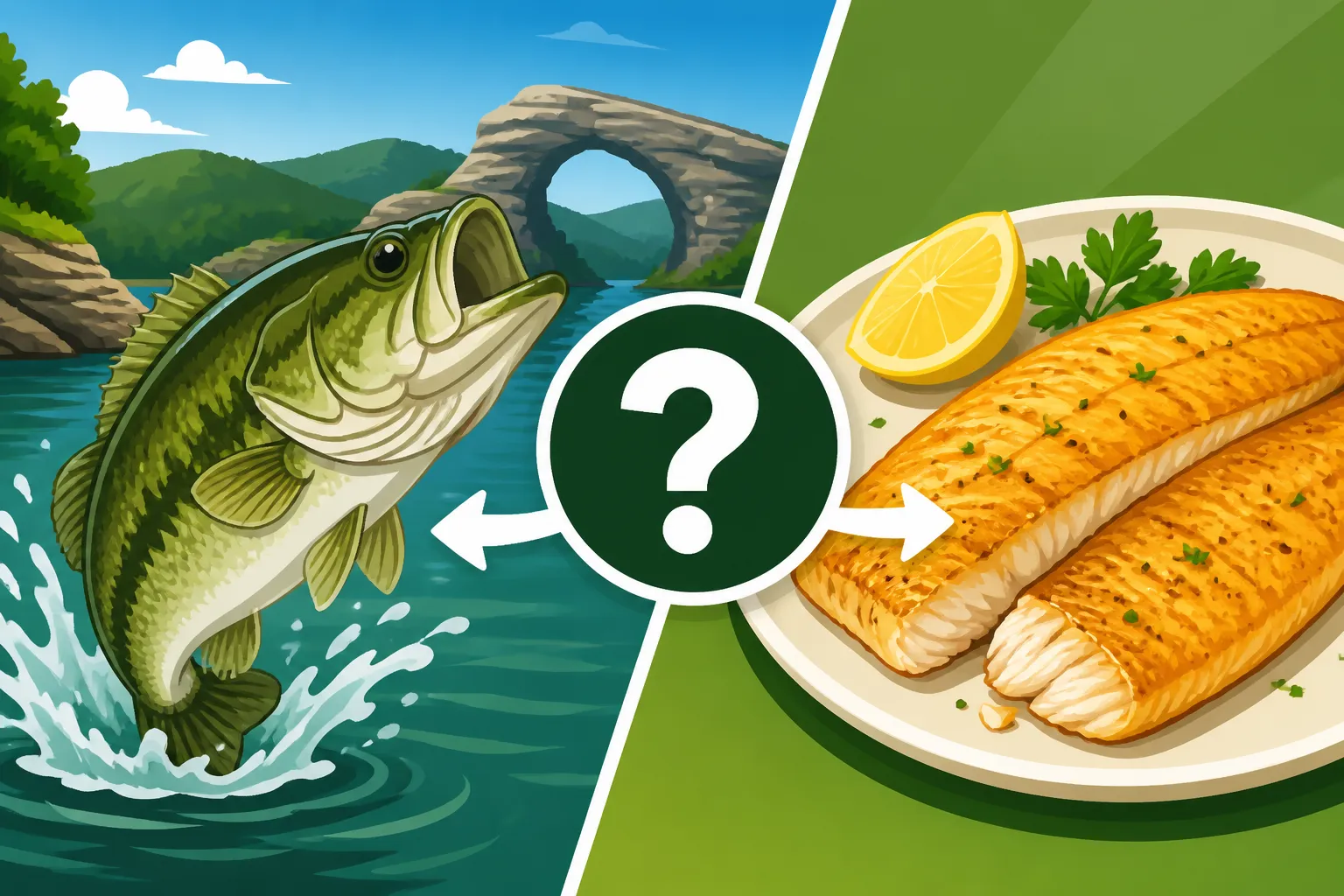
There's a question that often pops up around the campfire or on the boat ramp: "Is largemouth bass actually good to eat?" For many, the idea of eating a largemouth bass is met with hesitation, often tied to old tales of "muddy" flavors or the notion that they're solely a sportfish. But let me tell you, when handled and prepared correctly, largemouth bass can be a truly delicious meal. This guide will dive deep into what makes a good-eating bass, how to ensure you're getting the best flavor, and the simple steps to turn your catch into a fantastic dish.
The Common Perception Versus Reality
It's totally understandable why some anglers might pause at the thought of putting a largemouth bass on the dinner plate. We've all heard the stories, right? The ones about bass tasting like the bottom of a pond or being too "fishy" to enjoy. But like many fishing tales, there's more to it than meets the ear.
Why Some Anglers Hesitate
Many of the negative perceptions about eating largemouth bass stem from a few key issues that are actually pretty easy to avoid. Firstly, there's the genuine concern about fish caught from stagnant, muddy ponds or lakes with poor water quality. In these environments, fish can indeed absorb undesirable flavors from their surroundings and diet, leading to that unpleasant "muddy" taste that nobody wants. It's not exclusive to bass, mind you; any freshwater fish can suffer from this.
Secondly, larger, older bass often accumulate more toxins and can have tougher, less flavorful meat. They've lived longer, eaten more varied (and sometimes less desirable) diets, and their flesh can become coarser. This contributes to the stereotype that all bass are not great for eating. Lastly, and perhaps most importantly, is poor post-catch handling. If a fish isn't bled out quickly, gutted promptly, and kept on ice, its natural flavors can deteriorate rapidly, leading to a strong, off-putting taste. It's a common mistake that can ruin an otherwise perfectly good meal.
The Truth About Largemouth Bass Flavor
When you catch a largemouth bass from clean, cool, flowing water—think certain rivers or well-maintained reservoirs in Arkansas—and handle it properly, the flavor profile can be surprisingly mild and pleasant. The meat is generally white, flaky, and has a delicate, slightly sweet taste, not unlike other popular freshwater fish such as crappie or even some panfish. It’s certainly not "muddy" or overly "fishy" if you follow the right steps.
I've personally enjoyed countless bass dinners from various Arkansas lakes and rivers, and when they're fresh and properly prepared, they're truly a treat. The key is understanding that a bass's environment and how it's treated immediately after being caught are far more significant determinants of its taste than the species itself. Many anglers, once they've had a well-prepared bass, are genuinely surprised at how good it is. It's a versatile fish that can hold its own against many other freshwater catches on the table. For more on what's swimming in our waters, check out Arkansas Fish Species: A Complete Guide to What's Swimming in Your Waters.
Factors Influencing Largemouth Bass Taste
You might be wondering what exactly makes one bass taste like a gourmet meal and another, well, less than appetizing. It really boils down to a few critical factors that are largely within an angler's control, or at least predictable based on where you're fishing.
Water Quality and Environment
This is arguably the most crucial factor. Bass, like sponges, tend to absorb the flavors of their environment. If they're living in stagnant, warm, muddy water with a lot of decaying organic matter, their flesh is more likely to take on that distinct "muddy" or "earthy" flavor. This isn't because they're inherently bad; it's just what they've been swimming in and tasting. Conversely, bass caught from clear, cool, oxygen-rich waters—like many of Arkansas's pristine lakes and rivers—will have a much cleaner, milder flavor. Think about the difference between a farm-raised catfish and a wild one from a cold, clear stream; the principle is similar.
Arkansas is blessed with incredible water bodies. Fishing a clean reservoir like Lake Ouachita or a clear stream in the Ozarks for bass can yield a much better eating experience than a small, murky farm pond. Always consider the source of your catch. Best Fishing Spots in Arkansas offers great ideas for clean water fishing.
Diet and Size of the Fish
What a bass eats also plays a significant role in its taste. Bass that primarily feed on baitfish like shad, shiners, and crawfish from a clean environment tend to have a better, more palatable flavor. Their diet is richer in protein and healthy fats, contributing to cleaner-ttasting meat. If their diet consists heavily of bottom-dwelling invertebrates from murky areas, that can also translate into an off-flavor.
Size matters, too. Generally, smaller, younger bass (often referred to as "keepers" within legal slot limits) are preferred for eating. Their meat is more tender, flakier, and less likely to have accumulated strong flavors or contaminants. Larger, older bass, while impressive to catch, often have tougher meat and can have a more pronounced "fishy" taste. Many anglers prefer to practice catch-and-release with these trophy-sized fish, allowing them to continue to spawn and grow, while keeping smaller ones for the table. Largemouth Bass Size Limits on Arkansas Lakes provides essential information on what you can keep.
Handling and Preparation After the Catch
This is where you, the angler, have the most control. The moment a fish is caught, its quality for the table begins to decline. To preserve that fresh, clean taste:
- Bleed the Fish Immediately: This is a game-changer. A quick cut to the gills allows the blood to drain, which significantly reduces "fishy" flavor and results in whiter, cleaner-tasting fillets.
- Keep it Cold: Get your fish on ice as soon as possible. A cooler full of ice is non-negotiable. This slows down bacterial growth and enzymatic degradation that can ruin the taste and texture. Don't just throw it in a bucket of water; direct contact with ice is key.
- Gut and Clean Promptly: Ideally, clean your bass as soon as you get off the water. Removing the guts eliminates a major source of bacteria and off-flavors.
- Proper Filleting: When filleting, make sure to remove all the skin, as the skin can sometimes hold stronger flavors, especially from the slime layer. Also, cut out any dark red meat along the lateral line. This red meat often contains compounds that contribute to a stronger, more "gamey" taste. Some anglers even take an extra step to soak the fillets in saltwater or milk for an hour or two to draw out any remaining strong flavors.
Following these steps will vastly improve your eating experience and help you understand why, for many, largemouth bass is a good fish to eat. You can find essential gear like quality filleting knives and coolers on Amazon to help with this crucial step.
Best Practices for Preparing Largemouth Bass
So, you've caught a beautiful bass from clean water and kept it on ice. Now what? Proper preparation is the final, crucial step to ensure your largemouth bass goes from a good catch to a great meal.
Cleaning and Filleting for Optimal Taste
Getting the fish cleaned correctly is paramount. Once your bass is on ice, the next step is to fillet it. Here's a basic rundown:
- Start with a Sharp Knife: A good, flexible filleting knife makes all the difference. You can find excellent options on Amazon.
- Remove the Fillets: Lay the bass on its side. Make a cut behind the pectoral fin, down to the backbone. Then, turn the blade flat and run it along the backbone towards the tail, separating the fillet. Flip the fish and repeat for the other side.
- Skin the Fillets: Lay the fillet skin-side down. Starting from the tail end, hold the skin firmly and run your knife at a slight downward angle between the flesh and the skin, working your way towards the head.
- Remove Red Meat and Pin Bones: The dark red meat along the lateral line is often the source of any strong, "fishy" flavor. Trim this away. Also, feel for any remaining pin bones and remove them with a pair of pliers or by making a V-cut.
This meticulous cleaning ensures you're left with pure, white, mild-tasting meat. Some folks like to give their fillets a quick rinse under cold water and then pat them completely dry with paper towels before cooking.
Cooking Methods to Enhance Flavor
The beauty of a properly cleaned largemouth bass fillet is its versatility. You can cook it in numerous ways, each bringing out its delicate flavor.
- Pan-Frying: This is a classic for a reason. Lightly dredge the fillets in seasoned flour, cornmeal, or a simple breading mix, then pan-fry in a shallow amount of hot oil or butter until golden brown and flaky. It creates a delicious crispy crust.
- Baking/Roasting: For a healthier option, bake or roast the fillets. Place them on a baking sheet, drizzle with olive oil, sprinkle with herbs like dill or parsley, lemon slices, and a little salt and pepper. Bake at around 375°F (190°C) until cooked through, typically 12-15 minutes depending on thickness.
- Grilling: If you love that smoky flavor, grilling is fantastic. Use a fish basket or foil packet to prevent the fillets from sticking or falling apart. Marinate briefly in lemon juice, garlic, and herbs before grilling over medium heat.
- Broiling: Similar to baking but with higher, direct heat for a quick sear. Keep an eye on it to prevent overcooking.
The key with all methods is not to overcook the fish. Bass fillets cook quickly, and overcooking will make them dry and tough. The meat should be opaque and flake easily with a fork when done. For tips on fishing techniques that lead to a good catch, check out Bass Fishing Techniques for Beginners.
Seasonings and Pairings
Because largemouth bass has a mild flavor, it's a wonderful canvas for various seasonings. You don't need to overpower it.
- Simple is Best: A squeeze of fresh lemon juice, a dash of salt, and a grind of black pepper are often all you need to highlight its natural taste.
- Herbs: Fresh dill, parsley, chives, and thyme complement bass beautifully. A sprinkle of Old Bay seasoning also works wonders, giving it that classic Southern fish fry flavor.
- Spice Blends: Experiment with garlic powder, onion powder, paprika, or even a very light Cajun seasoning if you like a little kick. You can find a wide array of spice blends suitable for fish on Amazon.
- Sauces: Tartar sauce is a classic companion, but you could also go with a lemon-butter sauce, a simple vinaigrette, or a fresh salsa for a brighter, more vibrant meal.
- Side Dishes: Pair your bass with light side dishes that don't compete with its flavor. Think steamed vegetables, a fresh salad, wild rice, or roasted potatoes. For a real Arkansas touch, some hushpuppies or coleslaw would be perfect.
By paying attention to cleaning, cooking method, and complementary seasonings, you'll transform that largemouth bass from a sportfish to a delicious centerpiece for your dinner.
Nutritional Value of Largemouth Bass
Beyond just tasting great, largemouth bass offers some excellent nutritional benefits, making it a healthy choice for your dinner plate. It's not just about the fight; it's about what it brings to your health, too.
Lean Protein and Omega-3s
Largemouth bass is an excellent source of lean protein, which is essential for muscle growth, repair, and overall body function. For anglers who spend hours on the water, getting enough protein is key! A serving of bass provides a substantial amount of high-quality protein without a lot of saturated fat, especially when compared to some other protein sources.
What many people might not realize is that freshwater fish, including largemouth bass, also contain beneficial omega-3 fatty acids. While marine fish like salmon or tuna are often highlighted for their omega-3 content, bass still contributes a healthy dose of these essential fats. Omega-3s are vital for heart health, brain function, and reducing inflammation throughout the body. So, you're not just enjoying a tasty meal, you're also doing something good for yourself. It’s definitely a healthier option than many fast food choices you might grab after a long day of fishing.
Mercury Concerns
It's natural to have concerns about mercury levels in fish, and that's a valid consideration for any fish you plan to eat regularly. Largemouth bass, being a predatory fish at the top of its food chain, can accumulate some mercury. However, the levels typically vary significantly depending on the specific water body and the size of the fish.
Generally, smaller, younger bass tend to have lower mercury levels than very large, older trophy bass that have had more time to accumulate it. This is another reason why many anglers prefer to keep smaller "eating size" bass for the table and release the larger ones. It's always a good practice to check local fish consumption advisories issued by state health or environmental agencies for the specific body of water you're fishing. These advisories provide guidance on how much of certain fish species from particular locations is safe to consume, especially for vulnerable populations like pregnant women and young children. For more details on species found in different waters, take a look at Arkansas's Native Fish: Nearly 200 Species Call the State Home.
Here’s a quick overview of how different factors can impact the taste of largemouth bass:
| Factor | Best for Eating Bass | Less Ideal for Eating Bass |
|---|---|---|
| Water Quality | Clean, clear, cool, flowing water | Stagnant, warm, muddy, or polluted water |
| Diet | Primarily baitfish (shad, shiners), crawfish | Bottom-dwelling invertebrates, algae from murky areas |
| Fish Size | Smaller, younger "keeper" bass (e.g., 12-16 inches) | Very large, older trophy bass |
| Handling | Bled immediately, iced quickly, gutted promptly | Left to warm, not bled, delayed cleaning |
| Preparation | Filleted, skinned, red meat removed | Cooked with skin on, red meat left intact |
| Flavor Result | Mild, flaky, slightly sweet, clean | Strong, "muddy," tough, "fishy" |
As you can see, with a little knowledge and care, you can consistently enjoy delicious and healthy largemouth bass from Arkansas waters.
Conclusion
So, is largemouth bass good to eat? Absolutely, with a resounding yes! The notion that largemouth bass isn't a table-fare fish is largely a misconception, often fueled by tales of poorly handled catches or fish taken from less-than-ideal environments. When you hook a bass from the clean, clear waters that Arkansas is so famous for, and you take the time to bleed it quickly, keep it cold, and clean it meticulously, you're setting yourself up for a truly delightful meal.
The flavor of a well-prepared largemouth bass is mild, flaky, and subtly sweet, making it a versatile ingredient for a variety of cooking methods, from a classic pan-fry to a healthy bake. Plus, you're getting a good dose of lean protein and beneficial omega-3s. Don't let old wives' tales keep you from experiencing the culinary potential of this incredible sportfish. Give it a try, follow these tips, and I bet you'll be adding largemouth bass to your list of favorite eating fish in no time. Happy fishing, and even happier eating! For all the rules and regulations around what you can keep, check out Arkansas Fishing License Regulations Guide.
Disclaimer
This article is for general informational purposes only and does not constitute professional advice. Laws, prices and regulations vary by location and change over time. Consult a qualified professional for guidance on your specific situation.