Why nonresident licenses cost so much more than resident ones
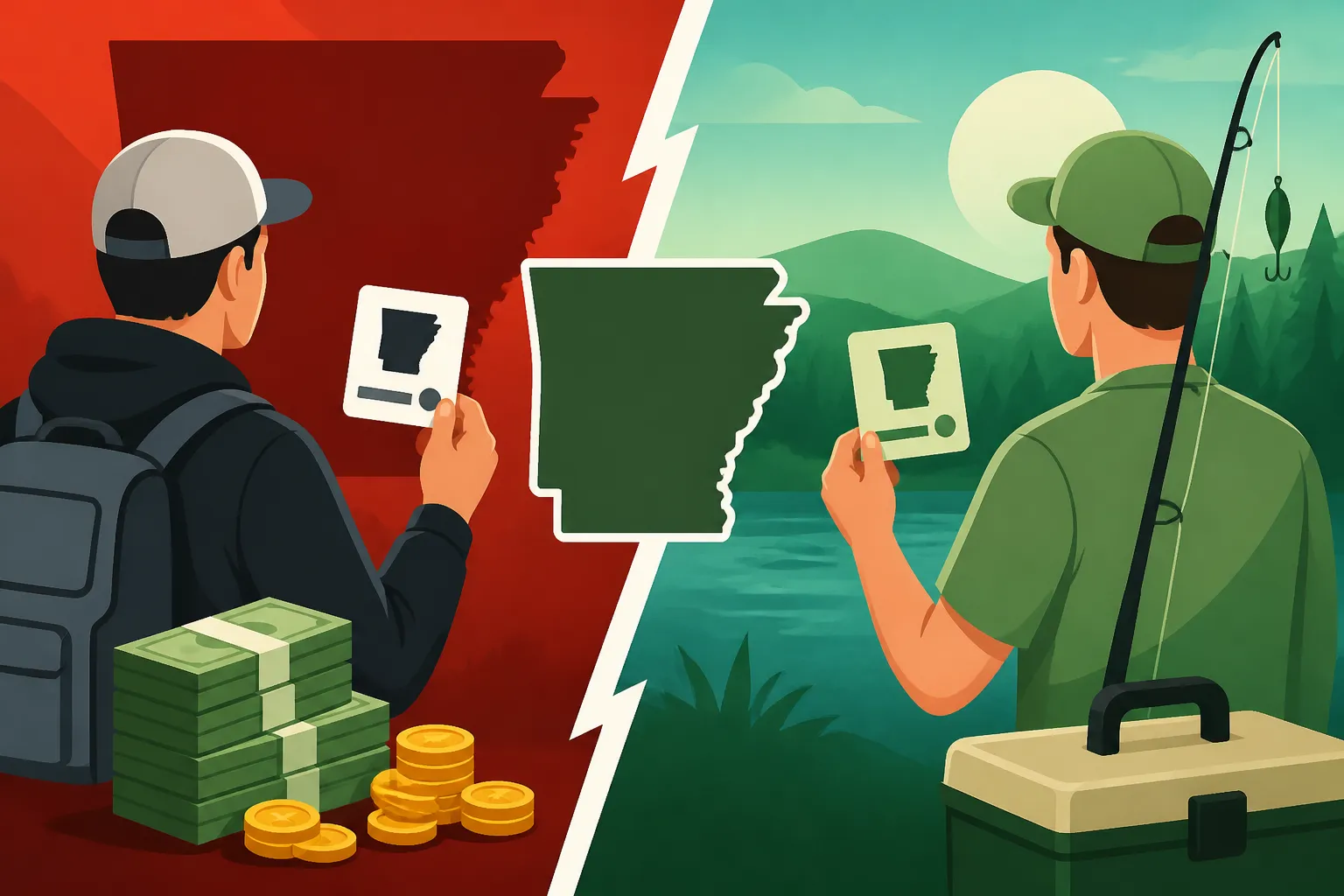
It's completely understandable to feel a bit of sticker shock when you're an out-of-state angler looking to cast a line in Arkansas. You see the price for residents, then you see the significantly higher price for nonresidents, and it's natural to wonder, "Why the big difference?" This guide will break down the core reasons behind the cost disparity for fishing licenses in Arkansas, helping you understand the financial ecosystem that supports our beautiful fisheries.
Understanding the "Why" Behind the Price Disparity
The price difference isn't arbitrary; it's rooted in how state wildlife agencies fund their critical work and recognize the contributions of their own citizens. When you buy an Arkansas fishing license, whether you're a resident or not, you're directly contributing to the conservation efforts that keep our lakes and rivers teeming with fish. However, the expectations of contribution naturally differ.
Funding Conservation Efforts
Think of your fishing license fee as an investment in the future of Arkansas's aquatic ecosystems. The Arkansas Game and Fish Commission (AGFC) is the primary beneficiary of these funds, using them to manage and protect fish and wildlife resources across the state. This isn't just about stocking trout; it's a comprehensive, year-round effort.
For instance, a significant portion of these funds goes directly into habitat restoration projects. This could mean improving spawning grounds for largemouth bass in Lake Ouachita, restoring crucial stream sections for smallmouth bass in the Ozarks, or ensuring the health of the delicate ecosystems along rivers like the White and Little Red. These projects are expensive, requiring scientific research, heavy equipment, and dedicated personnel. Without these efforts, many of the prime fishing spots you enjoy simply wouldn't be as productive or vibrant.
Another major expense is fish stocking. Arkansas is famous for its trout fisheries, especially on the cold-water tailwaters below dams like Bull Shoals and Norfork. The AGFC operates several hatcheries, including the Greers Ferry National Fish Hatchery and the Mammoth Spring National Fish Hatchery, to raise millions of rainbow trout, brown trout, and cutthroat trout annually. These operations require continuous funding for feed, facility maintenance, and staffing. Nonresident anglers, who often travel specifically to experience these world-class trout waters, contribute to sustaining these costly but vital programs. The same goes for other species, from crappie in Lake Conway to striped bass in Norfork Lake.
Beyond stocking, your license fees also support critical enforcement and research. Game wardens, who ensure everyone is following the Arkansas Fishing Regulations Guide, are paid through these funds. Their presence helps prevent poaching and illegal fishing practices that could devastate fish populations. Simultaneously, fisheries biologists are constantly conducting research, monitoring fish populations, studying disease, and evaluating the effectiveness of management strategies. This scientific data is crucial for making informed decisions about Arkansas Fish Size and Daily Limits and overall fishery health.
Resident Tax Contributions
One of the foundational reasons for the price disparity is that Arkansas residents already contribute to the state's infrastructure and conservation efforts through their everyday taxes. When you live in Arkansas, you're paying property taxes, sales taxes on nearly everything you buy (including that new fishing reel from Amazon or a local tackle shop), and state income taxes. These tax revenues support a wide array of state services, including the maintenance of public lands, parks, roads leading to fishing access points, and the general operating budget that indirectly benefits state agencies like the AGFC.
Consider it this way: the state's overall economy and infrastructure are supported by its residents. The roads you drive on to get to the lake, the public boat ramps you use, the state parks with fishing access – these are all partially funded by the continuous tax contributions of Arkansas citizens. When a nonresident visits, they might contribute to sales tax during their stay, but they don't have the ongoing, comprehensive tax burden that residents do.
Therefore, the higher nonresident fishing license fees are designed to balance this equation, ensuring that out-of-state visitors contribute a more proportional "fair share" to the upkeep and management of the natural resources they are enjoying. It's not about penalizing nonresidents, but rather ensuring that everyone who benefits from Arkansas's exceptional fishing opportunities contributes adequately to their preservation, especially since residents already have a deeper financial stake in the state's well-being. This model ensures the long-term sustainability of the resources that draw both residents and nonresidents alike.
The Economic Reality of State Funding
Every state wildlife agency operates within a complex financial framework, and Arkansas is no different. The revenue generated from fishing licenses is a cornerstone of this funding, but it must be allocated strategically to manage the natural resources effectively. When it comes to nonresidents, the economic impact and resource usage play a significant role in determining license costs.
Resource Use and Impact
When anglers, particularly nonresidents, visit popular fishing destinations, there's an undeniable impact on the natural resources. Higher angler pressure, while economically beneficial for local communities, places increased stress on fish populations and their habitats. This necessitates more intensive management, which, of course, comes at a higher cost.
Imagine the famous trout fisheries on the White River below Bull Shoals Dam, where anglers from all over the country come to chase trophy brown trout. With more people fishing, even catch-and-release practices can stress fish, requiring more scientific monitoring, habitat protection, and sustained stocking efforts to maintain population levels and quality. The AGFC must invest more in creel surveys, water quality monitoring, and managing public access points. Each additional angler, regardless of residency, contributes to this pressure.
For species like striped bass in Norfork Lake: One of Arkansas's Best Striped Bass Fisheries, which are highly sought after by trophy hunters, managing the population requires extensive research into migration patterns, forage bases, and angler harvest rates. If nonresident anglers are flocking to these waters, the AGFC needs additional resources to ensure these populations remain healthy and can continue to provide world-class fishing experiences for everyone. This includes funding for more robust fish health checks, genetic diversity studies, and enforcement patrols to ensure compliance with specific regulations. These operational costs are directly impacted by the number of anglers utilizing the resource.
Reciprocity and Fair Share
While true "reciprocity" often refers to agreements between states to honor each other's licenses (which is rare for full fishing licenses, though some border water exceptions exist), the concept of a "fair share" is certainly at play here. Most states in the U.S. follow a similar model: nonresidents pay a higher fee for recreational licenses than residents. This isn't unique to Arkansas; it's a widely accepted practice.
This practice stems from the understanding that residents, through their broader tax contributions (income, sales, property), already contribute significantly to the overall state budget and the specific agencies, like the AGFC, that manage these resources. Nonresidents, while they may spend money on lodging, food, and gear during their visit, do not typically contribute to the state's general fund in the same ongoing, substantial way.
Therefore, the higher nonresident fishing license fee is essentially a premium placed on accessing and utilizing a state's natural resources when you haven't contributed to their long-term upkeep through regular taxation. It helps ensure that the burden of conservation and management is distributed fairly between those who live in the state and continually support its infrastructure, and those who visit specifically to enjoy its offerings. It’s about maintaining the quality of fishing for everyone, funded by everyone who uses it.
Practical Considerations for Nonresident Anglers
Okay, so we understand why the prices are different. Now, let's talk about the practical side of things for you, the nonresident angler. While the price might be higher, Arkansas offers some incredible fishing opportunities that many find well worth the cost. Knowing your options can help you make the most economical choice for your trip.
Comparing License Options
When planning your trip, it's crucial to evaluate your options for an Arkansas Fishing License Rules and Costs. The AGFC offers several types of licenses, and the best choice for you will depend on the length of your stay and whether you plan to fish for trout.
Let's look at the basic costs for comparison:
| License Type | Resident Cost (2026) | Nonresident Cost (2026) | Notes |
|---|---|---|---|
| Annual Fishing License | $10.50 | $60.00 | Valid for one calendar year. |
| 3-Day Fishing License | $6.50 | $30.00 | Valid for three consecutive days. |
| Annual Trout Permit | $10.00 | $20.00 | Required in addition to a fishing license if keeping trout in certain waters. |
| 3-Day Trout Permit | N/A | N/A | There is no separate 3-day trout permit. The annual permit is required, even for short trips if keeping trout. |
Note: Prices are subject to change by the AGFC.
As you can see, the Nonresident Annual Fishing License Cost in Arkansas is substantially more than the resident rate. If you're visiting for a short weekend, say just two or three days, then the Arkansas Nonresident 3-Day Trip License at $30.00 is likely your most economical choice. It's often referred to as the Cheapest way to fish legally as a visitor to Arkansas for a brief visit. However, if your trip extends beyond three days, or if you plan multiple trips within a calendar year, the annual license quickly becomes the better value.
Remember, if you're specifically targeting trout in the cold-water tailwaters like the White River, Little Red River, or Sping River, you'll need to purchase a trout permit in addition to your fishing license. The Nonresident Trout Permit Cost in Arkansas is $20.00. This is a flat annual fee, so even if you're only fishing for one day and keeping trout, you'll still need the annual trout permit on top of your fishing license. Don't forget to check out the Arkansas Trout Permit Rules for specific regulations on these waters, as they can have unique catch limits and slot sizes.
Where to Purchase and What You Need
Buying your Arkansas fishing license as an out-of-state angler is actually quite straightforward, which is a relief when you’re trying to coordinate a trip. The easiest and most convenient way to purchase your license is often online directly through the Arkansas Game and Fish Commission's website. This allows you to secure your license before you even leave home, ensuring you're ready to hit the water the moment you arrive. Many anglers find the online portal simple to navigate, and you can print your license or save a digital copy on your phone. To learn more about this process, check out our guide on How to Buy an Arkansas Fishing License Online.
Beyond the AGFC website, you can also purchase licenses from a wide array of authorized retailers across the state. This includes most Walmart stores, many local bait and tackle shops, and even some sporting goods stores. These physical locations are great if you decide to fish spontaneously or need to pick up a license once you're already in Arkansas. The staff at these locations are often very knowledgeable and can help you select the right license for your needs, whether it's an annual license for extended stays or a 3-day trip license.
When purchasing your license, whether online or in person, you'll typically need to provide some basic identification. For nonresidents, this usually means a valid driver's license or state-issued ID from your home state. This helps verify your residency status and ensures you're purchasing the correct type of license. It's always a good idea to have this information readily available to make the purchase process as smooth as possible. Remember, understanding the Arkansas Fishing License Requirements for Out-of-State Anglers is key to a hassle-free fishing experience in the Natural State.
Disclaimer
Please note that fishing regulations, license costs, and requirements are subject to change by the Arkansas Game and Fish Commission. Always consult the official AGFC website or their current fishing guide prior to your trip to ensure you have the most up-to-date information. This guide is intended for informational purposes only and should not be considered legal advice.