Do game wardens check for fishing licenses in Arkansas?
It's a common feeling, isn't it? You're out on the water, soaking up the peace and quiet, and then you see a boat approaching with official markings, or a truck pulling up to the bank. Suddenly, your mind races: "Do I have my license? Is it still valid?" The truth is, game wardens absolutely do check for fishing licenses in Arkansas, and this guide is here to walk you through everything you need to know to ease those anxieties and ensure you're always prepared.
The Reality of Game Warden Patrols in Arkansas
Let's cut right to it: yes, game wardens, officially known as Wildlife Officers with the Arkansas Game and Fish Commission (AGFC), regularly patrol the state's lakes, rivers, and streams to ensure anglers are following the rules. It's not about catching you off guard; it's about upholding the laws that protect our natural resources and maintain healthy fish populations for everyone to enjoy.
Why Game Wardens Check Licenses
At the heart of every license check is conservation. The AGFC operates on a budget largely funded by the sale of hunting and fishing licenses, as well as federal excise taxes on outdoor equipment. When you purchase an Arkansas fishing license, you're not just buying a permit; you're directly contributing to vital programs like fish stocking, habitat restoration, scientific research, and law enforcement. These are the very programs that keep Arkansas one of the best fishing destinations in the country.
Think about it: without these funds, our beloved fishing spots like Lake Ouachita or the pristine White River wouldn't be nearly as productive. Game wardens are on the front lines, ensuring that everyone is doing their part. It's easy to feel a little stressed when they approach, wondering if you've done something wrong, but their presence is ultimately for the benefit of all anglers, ensuring sustainable fishing for generations to come. They're here to prevent illegal fishing, which can quickly deplete fish stocks and harm ecosystems, ultimately ruining the experience for everyone else.
Common Scenarios for License Checks
Wildlife Officers are out there in every corner of the state, from the bustling boat ramps of large reservoirs like Lake Hamilton to the quiet banks of smaller community ponds, and especially on renowned trout streams like the Norfork Tailwater. You might encounter them in a few common scenarios:
- Routine Patrols: This is the most frequent. Officers are simply driving or boating through popular fishing areas, keeping an eye on activity. If they see you actively fishing, it's standard procedure for them to make contact and perform a license check. They might pull up alongside your boat, or approach you on the bank.
- High-Traffic Areas and Times: Expect increased visibility during peak fishing seasons, weekends, and holidays. Places like Beaver Lake, Greers Ferry Lake, and the productive tailwaters below major dams are always high on their patrol routes. They know these are the times when more anglers are out, and unfortunately, when more violations might occur.
- Targeted Enforcement: Sometimes, officers might be responding to reports of illegal activity or focusing on specific areas known for past violations. This could be anything from checking for proper boat registration to ensuring compliance with specific regional length or creel limits.
- During Special Events: Even during events like Arkansas's Free Fishing Weekend, while you might not need a general fishing license, officers are still present to enforce other regulations, like trout permits where applicable or size and daily limits. They're there to educate as much as enforce.
It's important to remember that a game warden has the authority to check your license and ensure compliance with Arkansas Fishing Regulations Guide at any time, anywhere you are engaged in fishing activities. There's no specific time or place where you're exempt from a check.
How Game Wardens Approach Anglers
When a game warden approaches, whether on land or water, their goal is typically to conduct a professional and respectful interaction. They're not looking for a confrontation; they're carrying out their duties. You can usually expect them to:
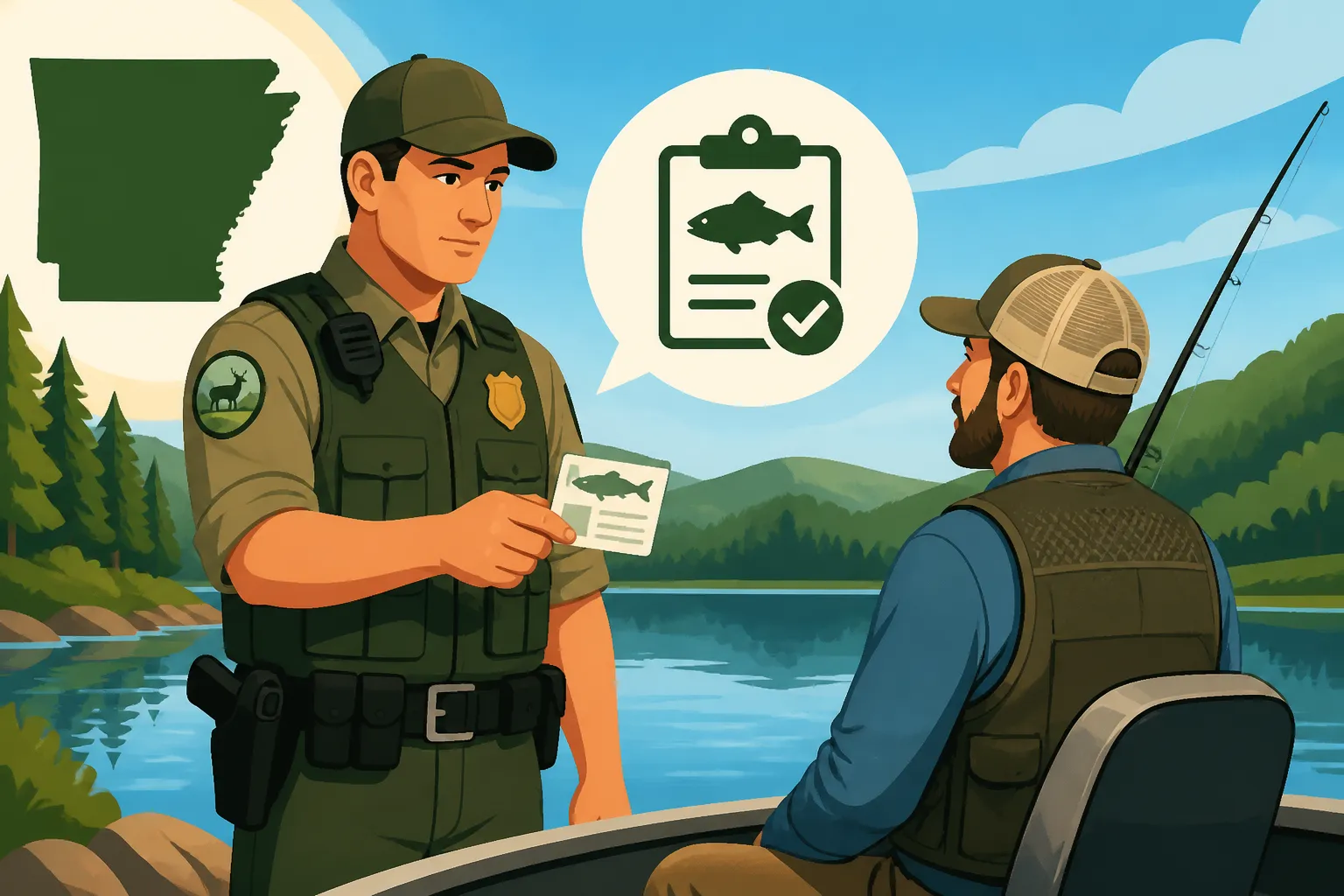
- Identify Themselves: They will typically introduce themselves as a Wildlife Officer with the AGFC and clearly state their purpose, which is usually a routine license and compliance check. They'll likely be in uniform and have an official vehicle or boat.
- Request Your License and ID: This is the core of the interaction. They'll ask to see your current Arkansas fishing license and a valid form of identification, such as a driver's license or state ID. If you're a nonresident, they'll verify that you have the correct Nonresident Annual Fishing License Cost in Arkansas.
- Check Your Catch (Creel Check): Depending on the situation and species you're targeting, they may also ask to see your catch to ensure you're adhering to daily creel limits and size restrictions for fish like bass, crappie, or trout. This is a critical part of managing fish populations.
- Ask Questions: They might inquire about where you're fishing, what you're targeting, or how your day is going. These questions are part of their information gathering and observation.
The best way to ensure a smooth interaction is to be cooperative and polite. Have your documents readily accessible, answer their questions truthfully, and understand that they are performing a vital public service. A pleasant attitude goes a long way.
What Happens During a License Check
So, the game warden is pulling up, and your heart is thumping a little faster. Don't worry, as long as you're prepared, it's usually a very quick and straightforward process. Let's break down what's expected of you and what happens if things aren't quite right.
Presenting Your License and ID
In today's digital age, presenting your license has become much more convenient. When asked, you'll need to provide proof of your valid Arkansas fishing license and a corresponding photo ID.
- Digital Licenses: The AGFC offers a fantastic mobile app that stores your license digitally. This is incredibly handy, as most of us have our phones on us anyway. A game warden can scan your digital license directly from your phone. Many anglers find this option superior to carrying paper, which can get wet or lost. Just make sure your phone is charged!
- Physical Licenses: If you prefer, a printed copy of your license is perfectly acceptable. You can print it from the AGFC website after purchasing online or keep the physical copy issued by a vendor. Many anglers keep these in a waterproof wallet or lanyard (you can find plenty of great options on Amazon for this, by the way) to protect them from the elements.
- Identification: A valid government-issued photo ID, such as your driver's license, is crucial. This allows the officer to verify that the person holding the license is indeed the rightful owner. For residents, this ensures you have the correct Resident Annual Fishing License Cost in Arkansas.
Make sure these documents are easily accessible. Fumbling around for several minutes while an officer waits isn't ideal, especially if you're on a boat.
Understanding Creel and Size Limits
A fishing license is just the first step. Wildlife Officers also spend a significant amount of time checking for compliance with Arkansas's daily catch (creel) limits and minimum/maximum size restrictions. These rules are put in place to manage fish populations, prevent overfishing, and ensure that enough fish can reach spawning age.
For example, statewide crappie daily limit is 20 fish in most Arkansas waters, but they must be at least 9 inches long to keep. For largemouth bass, the Largemouth bass daily limit statewide is 5 fish, but on certain lakes like Lake Monticello, there might be specific slot limits or only one bass 16 inches or longer allowed at Lake Monticello. Trout fishing on the White River or Norfork Tailwater has even more specific rules, like the Norfork tailwater trout limit is 2 rainbow trout per day, and sometimes you have to release trout over 14 inches on the Norfork.
It’s your responsibility as an angler to know these rules for the specific body of water you're fishing and the species you're targeting. Don't rely on guesswork or what someone else told you. The official AGFC website and the yearly fishing regulations guide are your best resources. Familiarize yourself with Arkansas Fish Size and Daily Limits before you head out.
If You Don't Have a License (or the Right One)
This is where the rubber meets the road. If a game warden discovers you fishing without a valid license, or with the wrong type of license (for instance, a resident fishing with a nonresident license, or fishing for trout without a valid trout permit when one is required), there will be consequences.
- Immediate Action: The officer will likely inform you of the violation and issue a citation. You'll be asked to cease fishing until you obtain the proper license.
- Fines and Penalties: Fishing without a license is a Class C misdemeanor in Arkansas. The fines can vary, but generally, you're looking at a base fine plus court costs. This can quickly add up to hundreds of dollars, making that initial license cost seem like a steal. To understand the full scope, check out Penalties for Fishing Without a License in Arkansas.
- Special Circumstances: What about kids? Do Kids Need a Fishing License in Arkansas? Generally, children under 16 don't need a license, but it's always wise to confirm the current regulations, especially if they're fishing in a special permit area or keeping their own limits. However, even if a child doesn't need a license, they still need to adhere to bag and length limits.
- Trout Permit Issues: Many anglers overlook the separate requirement for a trout permit when fishing in designated trout waters. Do you need a trout permit to keep trout in Arkansas? Absolutely, if you intend to keep trout. Just having a general fishing license isn't enough in these special areas, and not having the permit will lead to a separate citation.
The moral of the story: always, always ensure your license is current and appropriate for the species and waters you're fishing before you cast your line. It's a small investment for peace of mind and legal enjoyment of Arkansas's amazing fisheries.
Ensuring You're Always Prepared
Nobody wants a peaceful day on the water interrupted by a citation. The good news is, being prepared is incredibly easy. A little bit of foresight can save you a lot of hassle and potential fines.
Buying and Renewing Your License
Getting your fishing license in Arkansas is a breeze these days. The AGFC has made it very accessible, whether you're tech-savvy or prefer the traditional route.
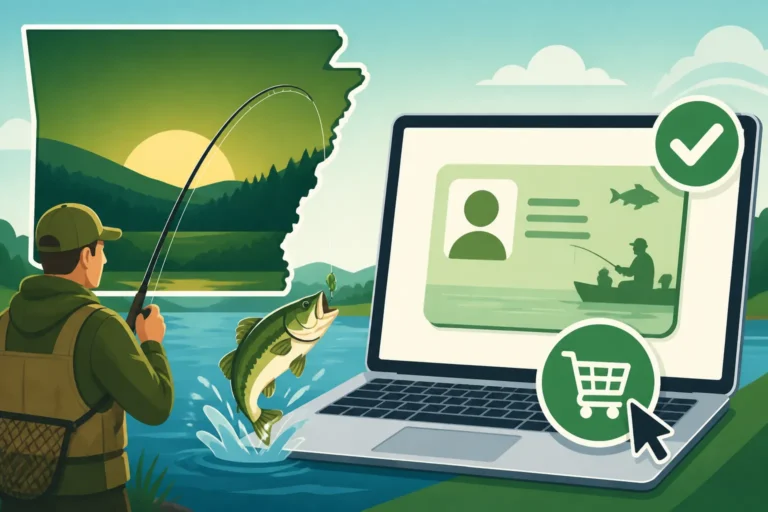
- Online: This is by far the most convenient method. You can purchase your license directly from the AGFC website at any time, day or night. Just a few clicks, print it out (or save it to your phone!), and you're good to go. It’s perfect for those last-minute decisions to hit the lake. You can learn more about this process in our guide on How to Buy an Arkansas Fishing License Online.
- Mobile App: The official AGFC mobile app is a game-changer. Not only can you purchase new licenses or renew existing ones directly through the app, but it also stores your digital license, making it easy to display during a check. Plus, it often has other useful features like regulation summaries and season dates.
- Authorized Vendors: For those who prefer a face-to-face transaction or want to pick up some bait at the same time, you can still buy licenses at hundreds of authorized vendors across the state. This includes most Walmart stores, sporting goods shops like Bass Pro Shops or Academy Sports + Outdoors, and many local bait and tackle stores. Just look for the AGFC sign.
And remember, licenses aren't permanent. They typically expire on December 31st each year, regardless of when you purchased them. So, even if you bought it in July, it will still expire at the end of the year. Make a note to yourself to renew it. Our article on Renewing an Arkansas Fishing License has all the details you need to keep your permit current year after year.
Understanding Different License Types
Arkansas offers a variety of licenses to fit different situations, and choosing the right one is crucial. Don't just assume one size fits all.
- Resident vs. Nonresident: This is the most fundamental distinction. If you've been a bona fide resident of Arkansas for at least 60 days, you qualify for a resident license, which is significantly cheaper. If you're visiting from out of state, you'll need a nonresident license. We break down the specifics in Arkansas Fishing License Types Explained.
- Annual vs. Short-Term: For residents, the annual license is often the most cost-effective if you plan to fish more than a couple of times. Nonresidents also have an annual option, but if you're just here for a weekend trip, a 3-day trip license might be more suitable. Our guide on What does a resident 3-day fishing license cost in Arkansas? can help resident anglers decide if a short-term license is right for them.
- Special Permits (e.g., Trout Permit): This is a common pitfall. If you plan to fish for trout in any of Arkansas's designated trout waters (like the White River, Little Red, or Norfork), you must also purchase a Trout Permit in addition to your general fishing license, even if you’re a senior or youth angler. This small additional fee directly supports trout stocking and management programs. For more information, read our post Do you need a trout permit to keep trout in Arkansas?.
Understanding these distinctions ensures you're not caught off guard by a game warden checking for specific permits.
Pro Tips for a Smooth Encounter
Beyond having the right license, a few simple practices can make any interaction with a game warden smooth and stress-free.
- Keep Documents Accessible: Whether it's your phone with the AGFC app open or a printed license in a waterproof holder around your neck, have your license and ID where you can quickly present them. This shows respect for the officer's time and efficiency.
- Be Polite and Cooperative: A friendly "Hello, officer!" and a willingness to comply with their requests goes a long way. They're professionals doing their job, and a positive attitude helps ensure a positive interaction.
- Know the Rules for Your Water Body: Take a few minutes to review the specific regulations for the lake or river you're fishing, especially concerning size and creel limits for the species you're targeting. This knowledge is not only helpful for your fishing but also demonstrates responsibility if questioned. The AGFC publishes a yearly fishing guide that's available online and at license vendors, which is an invaluable resource.
- Physical Backup: While the digital license is great, sometimes technology fails (dead battery, no signal). Consider having a small, laminated printed copy of your license tucked away in your tackle box or boat just in case. It's a simple, inexpensive backup.
The Bigger Picture: Conservation and Responsible Angling
While encountering a game warden might cause a brief moment of anxiety, it's really an opportunity to appreciate the broader system that keeps Arkansas's fishing vibrant and healthy. Their presence is a vital part of a larger commitment to conservation.
Protecting Arkansas's Natural Resources
Think of the game wardens as guardians of our natural heritage. Their regular checks and enforcement efforts are not just about collecting fines; they are crucial to protecting the incredible diversity of fish species and aquatic habitats found across Arkansas. Without their vigilance, our lakes and rivers would be far more susceptible to overfishing, poaching, and environmental damage.
Every citation issued for fishing without a license or violating limits reinforces the importance of these rules. These rules prevent localized fish populations from being decimated and ensure that future generations of anglers have the same, if not better, opportunities to enjoy the sport. The funds generated from licenses and, yes, even from fines, are directly reinvested into these critical conservation efforts. This includes everything from maintaining boat launches and access points to stocking our lakes with millions of fish each year and managing aquatic invasive species. It's a continuous cycle that benefits everyone who loves to fish in the Natural State.
Supporting Sustainable Fishing
When you adhere to fishing regulations, you're actively participating in sustainable fishing practices. It's about taking only what you need, respecting size and creel limits, and ensuring that enough fish remain to reproduce and maintain a healthy ecosystem. This collective responsibility is what allows Arkansas to boast some of the best fishing in the country for species like bass, crappie, catfish, and the renowned trout.
Game wardens also act as educators and public safety officers. They're often the first responders in remote areas, assisting stranded boaters, or educating anglers on new regulations. Their work extends far beyond just checking licenses. If you ever witness suspicious activity, such as someone openly violating limits or engaging in illegal fishing practices, reporting it to the AGFC (often through their tip line) is another way you can support sustainable fishing and help our game wardens protect these precious resources. It's about being part of the solution, ensuring that Arkansas remains a premier fishing destination for years to come.
Disclaimer
The information provided in this guide is for general informational purposes only and does not constitute legal advice. Fishing regulations in Arkansas can change, and it is the sole responsibility of each angler to stay informed of and comply with all current Arkansas Game and Fish Commission rules and regulations. Always consult the official AGFC website or the current Arkansas Fishing Regulations Guide for the most up-to-date and complete information before fishing.