Where to Wade Fish the Little Missouri River
There's nothing quite like the feeling of stepping directly into the cool, clear waters of a pristine river, feeling the current tug gently at your waders as you cast your line. But let's be honest, figuring out where to even begin this adventure, especially on a river as diverse and sometimes temperamental as the Little Missouri, can feel like a real puzzle. Many anglers struggle to find reliable access points, understand the river's unique flow patterns, or know what gear is truly essential. This comprehensive guide is here to demystify wade fishing on the Little Missouri River, providing you with detailed insights into its best spots, the right gear, and proven techniques to make your next trip successful and incredibly rewarding.
Understanding the Little Missouri River for Wade Fishing
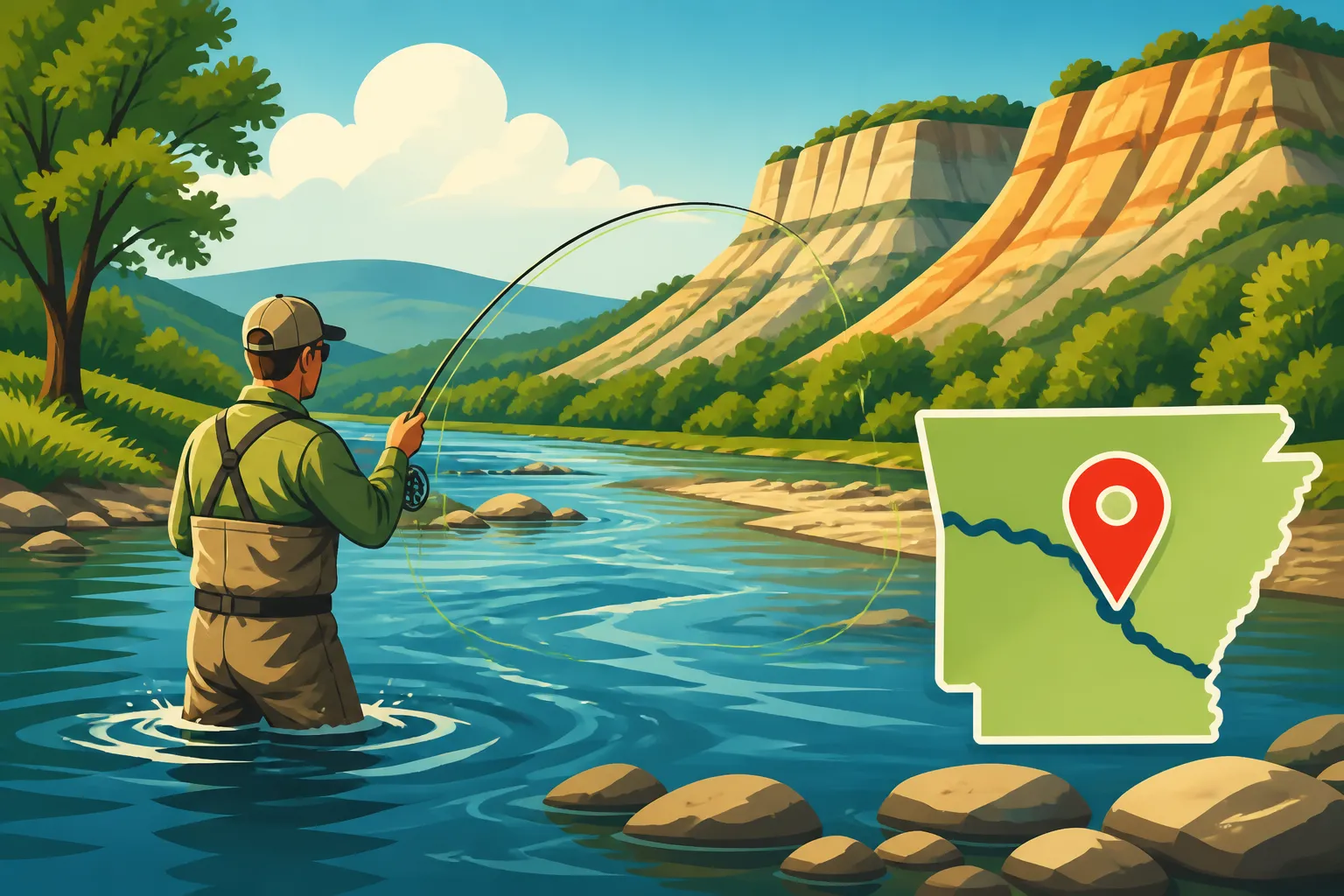
The Little Missouri River in Arkansas is a true gem, famous for its beauty and the diverse fishing opportunities it offers. It's a river that shifts character depending on where you are, from a cold-water trout fishery below a dam to warmer, free-flowing sections teeming with bass and other native species. This variability is what makes it so exciting for wade anglers, but it also means you need to do your homework to ensure a safe and productive trip.
Unique Characteristics of the River
One of the most defining features of the Little Missouri is the influence of Lake Greeson and the Narrows Dam. Immediately below the dam, the river becomes a tailwater, meaning the water released from the bottom of the lake is consistently cold. This creates prime habitat for trout, particularly rainbow and brown trout, which are regularly stocked by the Arkansas Game and Fish Commission. This section is often referred to as a "blue-ribbon" trout stream. The riverbed here is a mix of gravel, small rocks, and larger boulders, providing excellent cover for trout and stable footing for waders, generally.
However, as you move further downstream from the dam, the river gradually warms up, transitioning into a vibrant warm-water fishery. Here, the river broadens, and the current mellows in places, giving way to deeper pools, riffles, and runs that are perfect for various bass species, sunfish, and catfish. The bottom composition also changes, with more sand and silt in slower areas, alongside the rocky stretches. Understanding these transitions is crucial for knowing what to expect and what species to target. For instance, you wouldn't typically target trout in the lower sections, just as you might struggle to find significant bass populations in the immediate tailwater. The flow of the river can also be dictated by generation schedules from the Narrows Dam, which can drastically change water levels and current strength, sometimes multiple times a day.
Target Species for Wade Anglers
For those brave enough to don their waders and step into the Little Missouri, a diverse array of fish awaits. In the cold-water tailwater section, your primary targets will undoubtedly be trout. Rainbow trout are the most common, regularly stocked and eager to bite. You might also encounter some feisty brown trout, which are known for their evasiveness and larger size. These trout thrive in the consistent cold temperatures and oxygen-rich waters. If you're specifically targeting these cold-water beauties, ensure you're familiar with Arkansas Trout Permit Rules and any specific regulations for this section of the river.
As you venture downstream into the warmer stretches, the fishing shifts dramatically. This is prime territory for various bass species. Smallmouth bass are particularly sought after in the rocky, flowing sections, offering incredible fights. You might also encounter largemouth bass in the slower, deeper pools and around submerged timber, as well as the unique and aggressive shoal bass, which is a regional favorite. Beyond bass, the river is home to an abundance of panfish like bluegill and green sunfish, which are fantastic targets for beginners or those looking for consistent action. Channel catfish also inhabit the deeper holes, especially further downstream. Knowing these target species will help you select the right lures and techniques, ensuring you're not trying to catch a warm-water bass with a tiny trout fly in the wrong section of the river!
Prime Wade Fishing Access Points on the Little Missouri
One of the biggest hurdles for wade anglers is simply finding places to access the river legally and safely. The Little Missouri, while offering fantastic opportunities, isn't always obvious with its public access points. Knowing these spots ahead of time can save you a lot of wasted driving and frustration. Always check local maps and conditions before heading out, as some areas might be affected by high water or seasonal closures.
Albert Pike Recreation Area
The Albert Pike Recreation Area is a popular and relatively accessible spot for wade fishing on the Little Missouri River. Located off Highway 369, it offers developed campsites, picnic areas, and, crucially, direct access to the river. This area is generally within the cold-water section, making it an excellent choice for trout fishing. The river here consists of a mix of shallow riffles, moderate runs, and some deeper pools, providing diverse water types to explore. Anglers often find success by carefully working their way upstream or downstream from the main access points, covering different current speeds and structures.
The terrain around Albert Pike is relatively gentle, making for easier wading than some more remote sections, though sturdy wading boots are always a must. You'll often see fly anglers here, gracefully casting their lines, but spin fishermen can also do very well with the right bait and tackle. The beauty of this area, surrounded by the Ouachita National Forest, also adds to the experience, offering stunning scenery alongside your fishing adventure. Parking is usually readily available, but it can get busy during peak season or holidays, so arriving early is a good strategy.
Narrows Recreation Area
Closer to the Narrows Dam, the Narrows Recreation Area provides even more direct access to the colder, swifter waters immediately below the dam. This area is a prime spot for serious trout anglers due to the consistent cold-water releases. However, the proximity to the dam means that water levels and current can change rapidly and dramatically due to generation schedules. It's absolutely critical to be aware of these schedules, which are often posted online by the U.S. Army Corps of Engineers, before wading in this section. Ignoring them can be extremely dangerous.
Despite the potential for fluctuating water, the Narrows offers incredible fishing. You'll find deeper holes carved out by the powerful current, strong riffles, and runs that hold large numbers of trout. The bottom here can be quite rocky and slick, so excellent wading boots with good traction are non-negotiable. This spot is less about peaceful meandering and more about strategic positioning and careful wading. Local guides, often found through services like FishingBooker, frequently operate out of this area, offering invaluable expertise on navigating the changing conditions and locating the best trout runs. They might even teach you advanced techniques for these challenging waters.
Other Notable Public Access Points
While Albert Pike and Narrows are well-known, other public access points along the Little Missouri offer fantastic wade fishing, often with fewer crowds. As you move further downstream from the dam, beyond the immediate tailwater, the river begins its transition into a warmer fishery. Places like the Little Missouri Falls Recreation Area offer stunning natural beauty and opportunities to target smallmouth bass, especially further downstream from the falls themselves. The falls create a natural barrier, and while the immediate plunge pool can be difficult to wade, the stretches above and below offer excellent habitat.
Further still, U.S. Forest Service roads and small bridges can sometimes provide informal access to the river. These spots often require a bit more exploration and sometimes a short hike, but they can reward you with solitude and undisturbed fishing grounds. Always be mindful of private property signs and ensure you're accessing the river legally. Many anglers find these remote stretches to be ideal for targeting Shoal Bass Water on the Little Missouri River, Arkansas, which prefer the clean, rocky bottoms and swift currents found in these less-pressured areas. Exploring these less-traveled routes can be an adventure in itself, opening up new favorite spots on the river.
Essential Gear and Techniques for Little Missouri Wade Fishing
Wade fishing is a unique style that brings you closer to the action, but it demands specific gear and a thoughtful approach. The Little Missouri's varied conditions, from slick, mossy rocks in the trout sections to the occasional deep hole, mean you need to be prepared. Skimping on the right equipment isn't just uncomfortable; it can be dangerous.
Waders, Boots, and Safety Gear
First and foremost, a good pair of chest waders is absolutely essential. Neoprene waders are excellent for colder months and winter trout fishing, providing insulation against the chilly tailwater. Breathable waders, on the other hand, are a lifesaver in warmer weather, preventing you from overheating while still keeping you dry. Layering appropriate clothing underneath is key for comfort in both scenarios. Your waders should fit well, allowing for freedom of movement without being baggy enough to catch on snags.
Equally important are wading boots. The Little Missouri's rocky, sometimes slick bottom demands boots with excellent traction. Felt soles are traditionally popular for their grip on algae-covered rocks, but they can track invasive species. Rubber soles with aggressive treads, often enhanced with wading studs (carbide or aluminum), are becoming increasingly favored for their versatility and environmental friendliness. Always bring a wading staff – this is not optional! It acts as a third point of contact, helping you gauge water depth, test footing, and maintain balance, especially in strong currents or across uneven terrain. A personal flotation device (PFD) is also a smart choice, particularly when fishing near the dam or in higher water, as currents can be deceptive and powerful. Don't forget a small first-aid kit and always let someone know where you're going and when you expect to return.
Recommended Rods, Reels, and Line
The choice of rod, reel, and line will largely depend on whether you're chasing trout in the tailwater or bass in the warmer sections.
For trout fishing, a light-action spinning rod (5.5 to 7 feet) paired with a small spinning reel (1000-2000 series) spooled with 4 to 6 lb test fluorocarbon or monofilament line is ideal. This setup allows for delicate presentations of small lures or baits. Fly anglers will find a 7.5 to 9-foot fly rod in a 3-weight or 4-weight size perfect for the typical trout patterns used on the Little Missouri, matched with a corresponding reel and weight-forward floating line. Sometimes, a sink-tip line might be useful for getting flies deeper in faster currents. For deeper pockets, a 5-weight can offer more backbone. Fly Fishing Techniques for Beginners can help you get started with this rewarding method.
When targeting bass (smallmouth, largemouth, shoal bass) in the warmer, more open sections, you'll want a slightly heavier setup. A medium-light to medium-action spinning rod (6.5 to 7 feet) with a 2500-3000 series reel and 8-10 lb test monofilament or fluorocarbon line provides more backbone for fighting larger fish and casting heavier lures. For those who prefer baitcasters, a medium-heavy baitcasting rod (6.5 to 7 feet) with a corresponding reel spooled with 10-15 lb fluorocarbon or even braided line (with a fluorocarbon leader) is excellent for throwing crankbaits, jigs, or soft plastics. Your choice should match the size of the lures you're throwing and the size of the fish you expect to encounter.
Lures, Baits, and Fly Patterns
Your tackle box needs to be as adaptable as the river itself.
For trout in the tailwater, small inline spinners like Rooster Tails (1/16 to 1/8 oz) in white, black, or chartreuse are always reliable. Tiny spoons, small jerkbaits, and soft plastic baits fished under a bobber can also be very effective. PowerBait, corn, or small worms are classic live bait choices. For fly anglers, popular patterns include various nymph imitations (Pheasant Tail, Hare's Ear, Prince Nymph) in sizes 14-20, small emergers, and midge patterns. During hatches, dry flies like Elk Hair Caddis or Parachute Adams can bring explosive topwater action. When considering what fish are biting and what techniques to use, checking out guides on Trout and Bass Spots on the Little Missouri River can offer more specific lure recommendations.
For bass fishing in the downstream sections, the options expand considerably. Smallmouth and shoal bass love moving water, so they often hit small crankbaits (like the Rapala Shad Rap or small square bills), tube jigs, Ned Rigs, and small spinnerbaits. Crayfish imitations are particularly effective, as crayfish are a primary food source. For largemouth bass in deeper pools or around structure, consider Texas-rigged worms, creature baits, jigs, or topwater lures during low-light conditions. Bass Fishing Techniques for Beginners offers a deeper dive into these methods. Always carry a variety of colors and sizes to adapt to water clarity and fish preferences on any given day. Local tackle shops are an invaluable resource for up-to-date information on what's working best.
Navigating Challenges and Maximizing Success
Wade fishing on the Little Missouri is a dynamic experience. The river changes, and so should your approach. Understanding how to read the water, knowing when conditions are favorable, and adapting to potential hazards are all part of the journey to becoming a successful wade angler on this beautiful river.
Reading Water and Identifying Holding Spots
One of the most crucial skills for any wade angler is the ability to "read the water" – identifying where fish are likely to be holding, feeding, or resting. Fish, especially trout and bass, are always looking for three things: food, cover, and a comfortable current.
Look for areas where the current slows down, like behind large boulders, logs, or points of land. These "eddies" provide a break from the main current, allowing fish to rest while still being close to the food supply passing by. Riffles, the shallow, fast-moving sections, are excellent for oxygenating the water and dislodging insects, making them prime feeding lanes. Fish often position themselves just at the tail end or slightly to the side of riffles. Deeper pools offer refuge, especially during bright sunlight or when water levels are low. Submerged structure, like fallen trees or rock piles, provides critical cover from predators and strong currents. Undercut banks are another fantastic hiding spot for fish. When you cast, aim to present your lure or fly just upstream of these potential holding spots, letting the current carry it naturally into the strike zone. Observing insect hatches or baitfish activity can also point you to productive areas. Don't just cast blindly; take a moment to survey the water, analyze the flow, and plan your approach.
Seasonal Considerations for Wade Fishing
The Little Missouri River offers year-round fishing, but the experience changes dramatically with the seasons. Understanding these shifts is vital for planning your trip and maximizing your chances of success. Our comprehensive Arkansas Fishing Seasons Guide goes into more detail, but here's a quick overview for wade fishing.
Spring is often fantastic, especially for trout as they become more active with increasing insect hatches. Bass also start moving into shallower waters as the water warms, making them more accessible to wade anglers. However, spring can also bring heavy rains, leading to high, muddy water and potentially dangerous wading conditions. Always check the forecast and river levels.
Summer can be excellent in the cold-water tailwater sections for trout, but the warmer downstream sections might become challenging during peak heat, as bass often move to deeper, cooler water or become more active during low-light hours. Early mornings and late evenings are prime times. The water levels can also be lower and clearer, which means fish are spookier, requiring a stealthier approach.
Fall is arguably one of the best times to wade fish the Little Missouri. Water temperatures are ideal for both trout and bass, and the fish are often actively feeding to prepare for winter. The scenic beauty of the changing leaves adds an extra layer of enjoyment. Fishing pressure might also decrease slightly after the summer rush.
Winter fishing can be productive, particularly for trout in the tailwater, where water temperatures remain relatively stable. Bass in the warmer sections will be slower and often hold in deeper, more sluggish pools. Heavy snow or ice can make access challenging, but mild winter days can offer surprisingly good fishing, often with very little competition. Regardless of the season, checking local conditions and forecasts is always the first step.
River Flow and Generation Schedules
This is perhaps the single most critical factor for safe and successful wade fishing on the Little Missouri, especially in the tailwater section below the Narrows Dam. The dam releases water to generate electricity, and these releases can cause the river level to rise rapidly and dramatically, transforming a gently flowing stream into a roaring torrent in minutes.
Before you even consider wading into the river, you must check the generation schedule. The U.S. Army Corps of Engineers usually provides this information online, often with hourly predictions. Many local outfitters or services like FishingBooker also offer real-time updates or advice. If generation is scheduled or already underway, wading can be extremely dangerous, if not impossible. The current becomes too strong to stand against, and submerged obstacles can become deadly hazards. Even if you're further downstream, a large release can significantly affect water levels and current strength hours later.
When planning your trip, aim for periods when there is no generation, or when it's minimal. These are typically the safest and most productive times for wade fishing. Low water allows you to access more areas of the river, explore different runs and pools, and present your flies or lures effectively without battling a powerful current. High water, while dangerous for wading, can sometimes concentrate fish in calmer side channels or eddies, but only experienced anglers with boats should attempt to fish these conditions. Always err on the side of caution. If the water starts to rise unexpectedly, get out immediately. Your safety is paramount.
Little Missouri River Wade Fishing Access Points
| Access Point | Primary Fish Species | Typical Water Conditions | Wading Difficulty | Key Considerations |
|---|---|---|---|---|
| Narrows Recreation Area | Rainbow Trout, Brown Trout | Cold, swift, dam-controlled | High | Check generation schedules; very strong currents possible |
| Albert Pike Recreation Area | Rainbow Trout, Brown Trout | Cold to cool, moderate current | Moderate | Good mix of riffles and pools; popular spot |
| Little Missouri Falls | Smallmouth Bass, Panfish | Cool to warm, rocky runs | Moderate | Beautiful scenery; falls can be a natural barrier |
| Forsyth Park Access | Smallmouth Bass, Panfish | Warmer, slower, some deep pools | Low to Moderate | Good for beginners, often less crowded |
| Bear Creek Recreation Area | Smallmouth Bass, Panfish | Warmer, moderate current, rocky | Moderate | Can offer good solitude; often requires exploration |
Remember, while these are general descriptions, river conditions can change quickly due to weather and dam operations. Always confirm current conditions before heading out.
Disclaimer
Fishing involves inherent risks, including but not limited to changing weather conditions, slippery surfaces, swift currents, and encounters with wildlife. Always prioritize your safety, understand local regulations, and exercise caution. The information provided in this guide is for informational purposes only and should not replace professional advice or personal judgment. Always check current Arkansas Fishing Regulations Guide and water conditions before planning your trip. It is your responsibility to ensure you have the appropriate Arkansas Fishing License Rules and Costs for your trip.