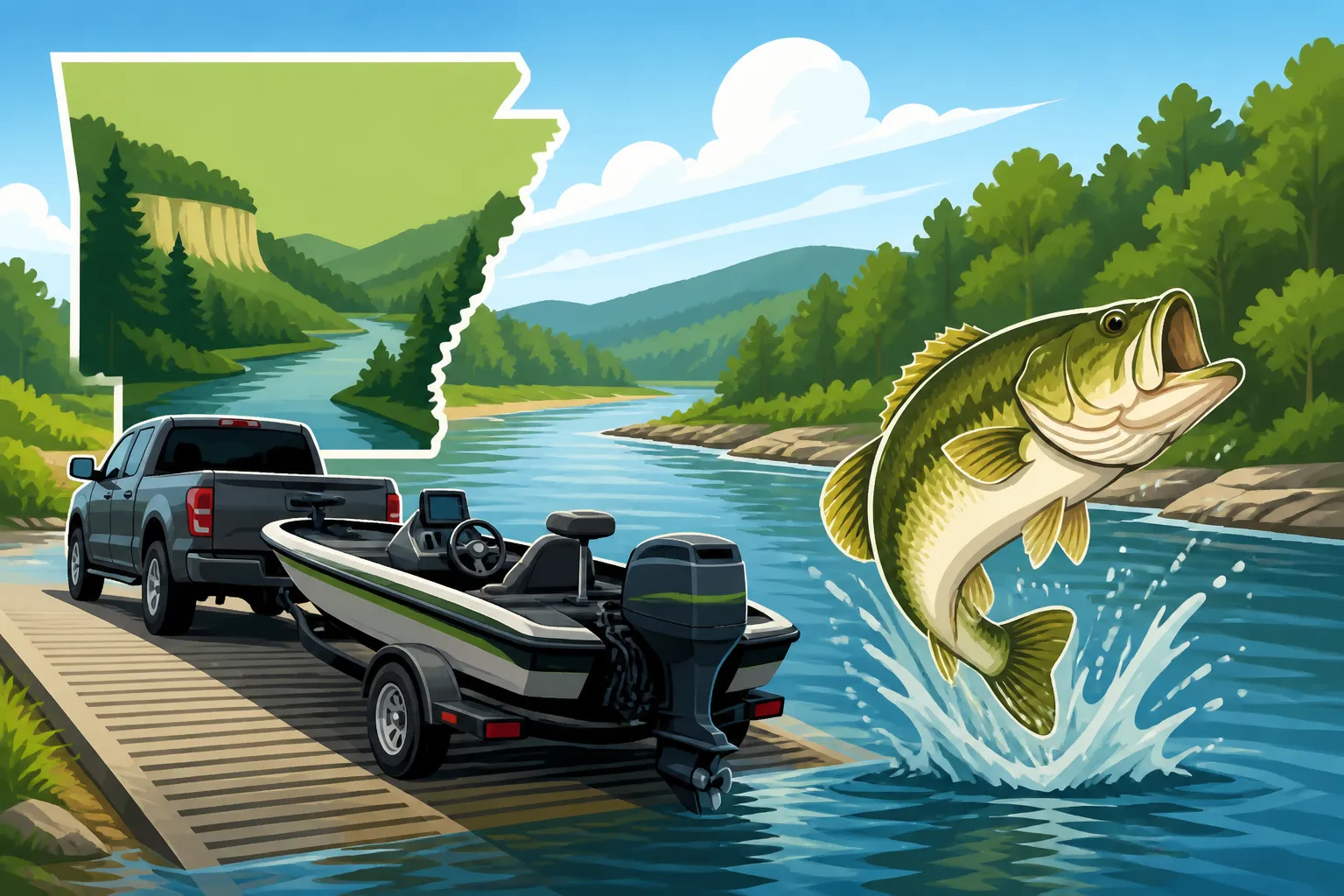
Boat Ramps on the White River for Bass Anglers
Finding reliable boat ramps on the White River for bass fishing can sometimes feel like a treasure hunt, especially with how diverse this river is. You might be looking for that perfect spot to launch your bass boat, hoping to avoid tricky shallow areas or overcrowded access points, only to find vague information or ramps better suited for other types of craft. This guide is dedicated to helping bass anglers like you pinpoint the best boat ramps on the White River, ensuring you spend less time worrying about launching and more time chasing those Arkansas bass.
Understanding the White River for Bass Fishing
The White River is a truly majestic waterway, but it’s far from uniform. From its cold, clear, tailwater sections below the big dams to its warmer, slower-moving lower stretches, the river changes dramatically. Understanding these differences is crucial for any bass angler looking to launch their boat effectively and find productive waters.
The Lower White River vs. Upper Tailwaters
When we talk about the White River, many immediately think of the world-class trout fisheries in the upper sections, particularly below Bull Shoals and Norfork dams. While these tailwaters are phenomenal for trout, they aren't typically where bass anglers focus their efforts, primarily due to colder water temperatures and a different ecosystem. Bass prefer warmer waters, slower currents, and abundant cover, which are more characteristic of the lower and middle sections of the White River.
The "lower White River" for bass purposes often refers to the stretches downstream from Batesville, extending towards the confluence with the Arkansas River. Here, the river widens, the current mellows, and the water temperatures rise, creating ideal conditions for a robust bass population. You'll find a mix of largemouth bass thriving in the backwaters, oxbows, and sloughs, while spotted bass might occupy areas with more current and rocky structure. Smallmouth bass, though less common in the true lower river, can occasionally be found in transitional areas where rocky bottoms and clearer water persist.
Anglers looking to fish for Largemouth Bass Fishing on Arkansas's White River will want to prioritize these lower sections, where the river's character supports their preferred habitat. This is where your bass boat can truly shine, allowing you to cover vast areas and access prime fishing grounds.
Key Characteristics of Bass Habitat on the White River
Bass on the White River, whether largemouth, smallmouth, or spotted, are drawn to specific types of habitat. Understanding these characteristics will not only help you choose the right ramps but also increase your success once on the water.
- Structure is King: Largemouth bass absolutely love structure. On the lower White River, this means flooded timber, laydowns, stump fields, cypress trees, and submerged brush piles. These features provide ambush points for prey and protection from predators. You'll often find these types of cover in the numerous oxbow lakes and sloughs connected to the main channel.
- Current Breaks: While bass can tolerate some current, especially spotted and smallmouth bass, they typically prefer areas where the current is broken or slowed. This could be behind an island, in a pocket of slack water, or along the inside bend of a river channel. These current breaks allow them to conserve energy while waiting for baitfish to be swept past.
- Forage Abundance: Bass go where the food is. The lower White River teems with baitfish like shad, various minnows, and sunfish, along with crawfish and frogs. Look for areas where these forage species congregate, such as weed lines, lily pad fields, or shallow flats. The presence of these food sources is a strong indicator that bass will be nearby.
- Water Clarity and Temperature: Unlike trout, which prefer cold, clear water, bass generally thrive in warmer, somewhat stained to clear waters. The seasonal fluctuations in water temperature, especially during the spring and fall, will dictate where bass are most active. For example, during the Arkansas Bass Spawn Fishing Guide, bass will move into shallower, protected areas with stable temperatures.
Knowing these preferences helps you visualize the type of water you want to access, guiding your choice of boat ramps.
Prime Boat Ramps for Bass Anglers on the White River
The White River offers a multitude of access points, but not all are created equal for bass boat anglers. Some ramps are small, unimproved, or prone to shallow water, making them challenging for larger bass boats. We’re focusing on ramps that generally offer good access, parking, and a direct route to productive bass waters.
Ramps Serving the Lower White River South of Batesville
This section of the White River is often the most appealing for largemouth and spotted bass anglers due to its slower current, warmer temperatures, and abundant cover. You'll find multiple opportunities to launch your boat and explore extensive backwaters.
- Clarendon Public Ramp (Monroe County): This is a well-known access point in the heart of the lower White River. The Clarendon ramp is typically concrete, relatively wide, and offers ample parking, even for larger bass rigs. From here, you can head up or downstream to explore numerous oxbows, bayous, and timbered areas known for holding quality largemouth bass. The area around Clarendon is particularly productive in spring and fall. Access to the Cache River and various sloughs is also convenient from this launch.
- St. Charles Public Ramp (Arkansas County): Further south from Clarendon, the St. Charles ramp provides another excellent staging point. Similar to Clarendon, you'll usually find a good concrete ramp and sufficient parking. This area is famous for its backwater lakes and flooded timber, making it a prime location for anglers targeting Bass and Crappie Fishing on the White River. During flood stages or after heavy rains, these areas become even more productive as bass spread out into newly inundated cover. Always check current river levels before heading out, as extremely low water can sometimes make accessing some of the more secluded areas tricky.
- Devalls Bluff Public Ramp (Prairie County): Situated strategically, Devalls Bluff offers access to diverse White River fisheries. This ramp is generally well-maintained and provides solid access to both the main river channel and nearby backwaters. Anglers often launch here to target bass in the intricate network of cuts and sloughs that feed into the White River. The fishing here can be fantastic, especially if you're comfortable navigating timber and varying depths. It's a great spot for those who enjoy a more intricate fishing experience, relying on a keen eye for structure and subtle current changes.
These ramps are typically concrete, with enough depth to launch most bass boats, provided river levels are within normal ranges. They are often managed by the Arkansas Game and Fish Commission (AGFC) or local municipalities, ensuring some level of maintenance.
Ramps for Transition Zones and Mid-River Bass
While the extreme upper White River is primarily trout territory, there are transitional zones and mid-river stretches, particularly around and below Batesville, where bass fishing can be quite good. Here, you might encounter a mix of largemouth, spotted bass, and even some smallmouth if you hit the right conditions and structure.
- Batesville Public Ramp (Independence County): The Batesville ramp, often found near the Riverside Park, marks a significant transition point on the White River. Upstream from here, the river becomes more riverine, with rockier bottoms and potentially stronger currents, favoring spotted and smallmouth bass. Downstream, it begins to take on more characteristics of the lower river. The Batesville ramp is typically concrete and offers good access for bass boats. Anglers launching here can explore the diverse waters around the city, which can hold excellent numbers of bass depending on the season. This area is particularly active during the spring and fall when bass are feeding heavily.
- Jacksonport State Park Ramp (Jackson County): Located near Newport, the Jacksonport State Park offers well-maintained facilities, including a good boat ramp suitable for bass boats. This ramp provides access to a stretch of the White River where you can find a mix of habitats. The state park setting often means better amenities like restrooms and picnic areas. Fishing from here allows you to target bass in the main river channel, but also explore some of the adjacent sloughs and cuts that provide excellent largemouth habitat. It's a fantastic option for family outings where fishing is the main event.
When planning a trip to these areas, it's wise to consider contacting local bait shops or guide services through platforms like FishingBooker. They can offer real-time insights into water conditions, recent catches, and specific ramp conditions, which can be invaluable for a successful outing.
Practical Tips for Using White River Boat Ramps
Launching and retrieving your bass boat on any river, especially one as dynamic as the White, requires some forethought and skill. Unlike static lake ramps, river ramps can present unique challenges related to current, water levels, and debris.
Navigating Water Levels and Current at Ramps
The White River's water levels can fluctuate dramatically due to rainfall and dam operations, especially in its upper reaches. These fluctuations directly impact the usability and safety of boat ramps.
- Always Check River Levels: Before you even leave your driveway, check the current river levels. Resources like the National Weather Service (NWS) or the AGFC website often provide real-time gauge readings. A ramp that's perfect at normal levels might be too shallow to launch in low water or completely submerged and treacherous in high water. Understanding Arkansas Fishing Regulations Guide can sometimes offer insights into how these regulations adapt to changing environmental conditions.
- Understanding Current Strength: The White River can have a strong current, particularly in certain sections or during periods of heavy flow. When launching or retrieving, position your boat against the current as much as possible to maintain control. If the current is ripping, consider using a bow line to keep your boat from swinging sideways off the trailer, especially if you're launching solo. Practice backing your trailer in diverse conditions to build confidence.
- Debris and Obstructions: River ramps are more prone to collecting debris like logs, mud, or silt, especially after heavy rains. Always scout the ramp area for obstructions before backing down. This not only protects your boat and trailer but also ensures a safer launch. Some ramps might have submerged obstacles that aren't visible, so exercising caution is paramount.
It's always a good idea to chat with other anglers at the ramp or call a local marina if you're unsure about current conditions. Locals often have invaluable knowledge about specific ramp quirks.
Best Practices for Launching and Retrieving Your Bass Boat
Efficiency and safety are key when using White River boat ramps. A smooth launch and retrieval minimize stress and keep the flow moving, especially at popular access points.
- Prepare Before You Back Down: Get everything ready before you start backing your trailer down the ramp. This includes removing your transom saver, securing tie-down straps, putting in your drain plug, loading all gear, and ensuring your motor is trimmed up. Fumbling with gear at the water's edge holds up the line and can be frustrating for everyone. Think of it like a pit stop in a race; every second counts for others waiting.
- Teamwork Makes the Dream Work: If you're fishing with a partner, establish a clear plan for launching and retrieving. One person can back the trailer while the other guides the boat off or onto the trailer. This is particularly helpful in windy conditions or strong currents. Communication is vital to prevent accidents and damage.
- Secure Your Boat Promptly: Once your boat is off the trailer, move it safely away from the ramp area to a dock or a secure bank before parking your tow vehicle. This frees up the ramp for the next person. When retrieving, have your tow vehicle and trailer ready, and keep your boat safely clear until the ramp is empty and your trailer is in position.
- Maintenance of Your Trailer and Vehicle: Frequent exposure to river water and potentially abrasive ramp surfaces means your trailer and vehicle need extra care. Rinse your trailer thoroughly after each use, especially the hubs and brakes, to prevent corrosion. Check your trailer lights regularly, as they are often submerged and can malfunction. Consider using guide poles on your trailer, which can be a huge help in aligning your boat, especially in challenging conditions or when launching Boat Ramps on Lake Ouachita for Easy Bass Access, where the ramp might be less forgiving.
Planning Your White River Bass Fishing Trip
A successful bass fishing trip on the White River isn't just about finding the right ramp; it involves thoughtful planning, proper gear, and tapping into local knowledge.
Essential Gear and Supplies for a White River Bass Adventure
Beyond your boat and rods, several items are crucial for a productive and safe White River bass fishing trip.
- Navigational Aids: The lower White River, with its numerous oxbows, sloughs, and main channel, can be a maze. A reliable GPS unit with detailed mapping is invaluable. Brands like Garmin and Humminbird offer excellent units with pre-loaded maps or the ability to download detailed bathymetry. Mark your productive spots and always keep an eye on your location, especially when exploring new areas or during low light conditions. The changing nature of river channels means that reliance on memory alone can sometimes lead to trouble.
- Safety Equipment: A life jacket for every person on board is mandatory and should be worn, especially in current or adverse weather. A first-aid kit, fire extinguisher, paddle, whistle, and throwable flotation device are also essential. Because you're often in remote areas, consider carrying an emergency signaling device or a satellite messenger for situations where cell service might be spotty.
- Fishing Tackle Tailored for River Bass: Pack a variety of lures suitable for different river conditions. For largemouth in timbered backwaters, think jigs, Texas-rigged worms, spinnerbaits, and crankbaits. If you're targeting spotted or smallmouth bass in current-swept areas, small crankbaits, swimbaits, and finesse jigs can be highly effective. Don't forget heavier line (15-20 lb fluorocarbon or braided line) for fishing around heavy cover, as these bass can be incredibly strong fighters. Knowing the Best Bait and Lures for Arkansas Bass will significantly improve your chances.
- Weather Appropriate Clothing and Supplies: River weather can change quickly. Pack layers, rain gear, sun protection (hat, sunglasses, sunscreen), and plenty of water and snacks. A cooler with ice is not just for drinks; it's also essential for keeping any kept fish fresh.
Connecting with Local Expertise and Resources
No matter how much research you do, local knowledge is always a game-changer when fishing a complex river system like the White.
- Local Bait and Tackle Shops: These are goldmines of information. Shop owners and employees often have daily updates on where fish are biting, what lures are working, and what the current river conditions are like. They can also tell you about any temporary ramp closures or hazards. When visiting a new area, make your first stop the local tackle shop.
- Fishing Guides: For a truly immersive and educational experience, consider hiring an experienced White River bass fishing guide. Guides not only know the best spots and techniques but also the nuances of navigating the river safely. They can accelerate your learning curve dramatically. You can find reputable guides for the White River through services like FishingBooker, which lists local experts with reviews and detailed trip information. A guided trip can be a great way to learn a new section of the river before venturing out on your own.
- Online Forums and Social Media Groups: Many dedicated Arkansas fishing communities exist online. Joining these groups can provide a wealth of information from fellow anglers. You can ask questions, get advice on specific ramps, and even find fishing partners. Just remember to always verify information and use your best judgment.
- Arkansas Game and Fish Commission (AGFC): The AGFC website is an official source for regulations, stocking reports, and public access points. They often have detailed maps and information about specific ramps and fishing spots on the White River. Regularly checking their updates is crucial for staying informed about any changes to rules or river conditions. For a broader understanding of fishing opportunities, you might also look into guides on Arkansas Fishing License Rules and Costs.
By combining your own preparation with these valuable local resources, you'll be well on your way to a memorable and successful bass fishing adventure on the beautiful White River. Just remember to practice responsible angling, respect the river, and always leave no trace behind.
| White River Bass Fishing Ramp Considerations | Lower White River (e.g., Clarendon, St. Charles, Devalls Bluff) | Mid-River (e.g., Batesville, Jacksonport) |
|---|---|---|
| Primary Bass Species | Largemouth, Spotted Bass | Largemouth, Spotted, occasional Smallmouth |
| Water Characteristics | Warmer, slower current, often stained, more oxbows and sloughs | Transitional, varied clarity, moderate current, rocky areas |
| Typical Cover/Structure | Flooded timber, cypress trees, laydowns, lily pads, stump fields | Rock bars, gravel beds, current breaks, some timber |
| Ramp Surface | Generally concrete, wide | Generally concrete, good condition |
| Parking Availability | Ample, suitable for large rigs | Ample, suitable for large rigs |
| Current Strength at Ramp | Moderate to low, increases with river flow | Moderate to strong, varies with river flow |
| Best Time to Fish | Spring, Fall, Summer (early/late) | Spring, Fall, Summer (early/late) |
| Key Advantage | Access to extensive backwater largemouth habitat | Access to diverse habitats; mix of bass species |
| Potential Challenge | Low water can restrict backwater access | Strong current can be a factor |
Disclaimer
The information provided in this guide is for general informational purposes only and is subject to change. Always consult the latest regulations and conditions published by the Arkansas Game and Fish Commission (AGFC) before planning your fishing trip. River conditions, including water levels and current, can change rapidly, and safety should always be your top priority. Local knowledge is invaluable, but personal discretion and adherence to safety guidelines are ultimately the responsibility of each angler.