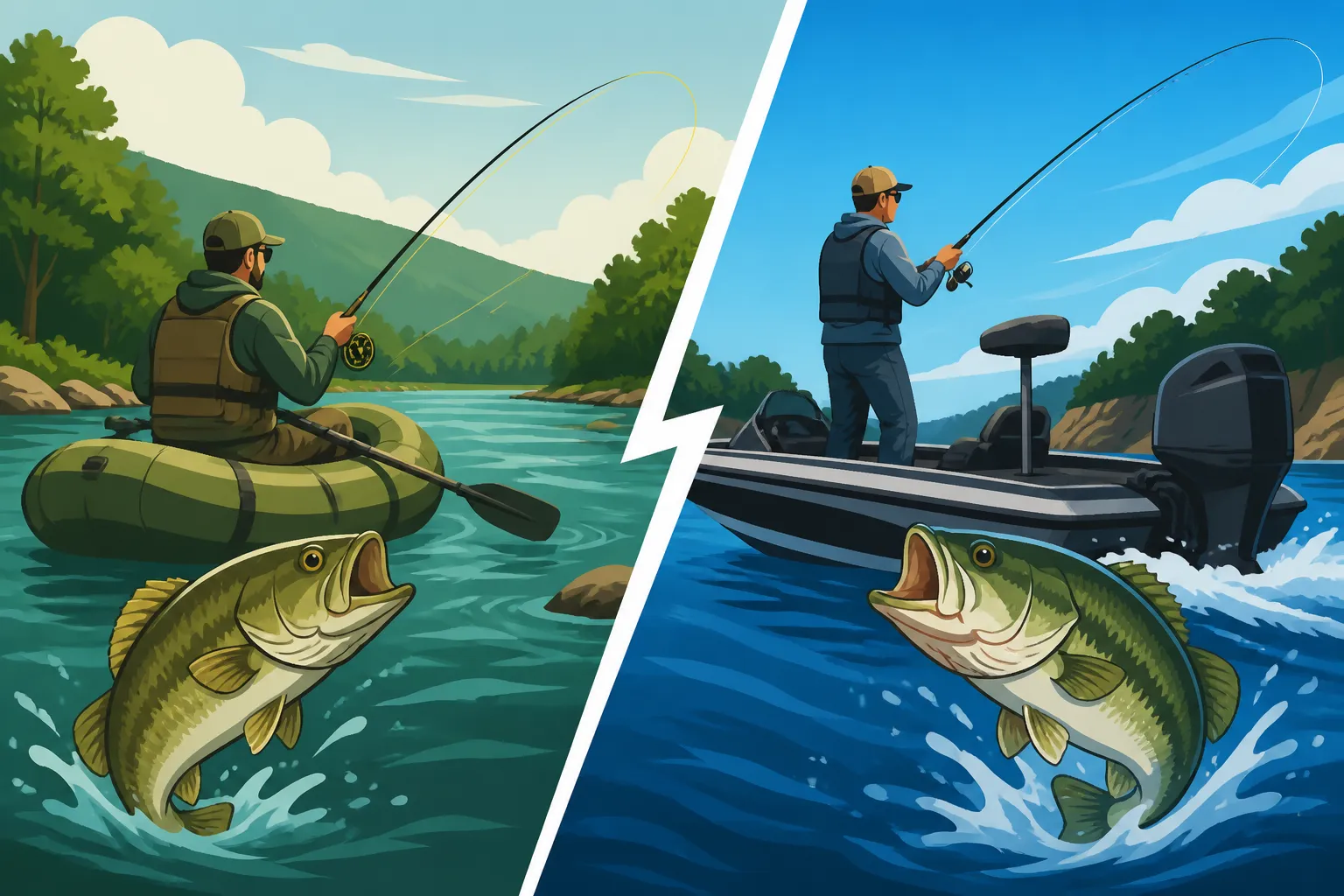
Float Trips vs Boat Trips with Arkansas Fishing Guides
Deciding on the perfect guided fishing trip in Arkansas can feel like navigating a maze, especially when you're faced with options like "float trip" versus "boat trip." Many anglers, whether seasoned veterans or first-timers, find themselves wondering what the actual difference is and which experience will best suit their desires for a memorable day on the water. This guide will meticulously break down the unique characteristics, advantages, and considerations for both float trips and traditional guided boat trips, helping you confidently choose the ideal adventure for your next Arkansas fishing excursion.
Understanding the Fundamentals: What's the Difference?
When you're looking to book a guided fishing trip in Arkansas, especially on our renowned trout streams or expansive reservoirs, you'll often encounter guides offering either a "float trip" or a "boat trip." While both involve a professional leading you to fish, the vessel, the method of travel, and the overall experience can be remarkably different. Understanding these core distinctions is crucial to setting the right expectations and ensuring your trip aligns with your personal fishing style and goals.
What Defines a Float Trip in Arkansas?
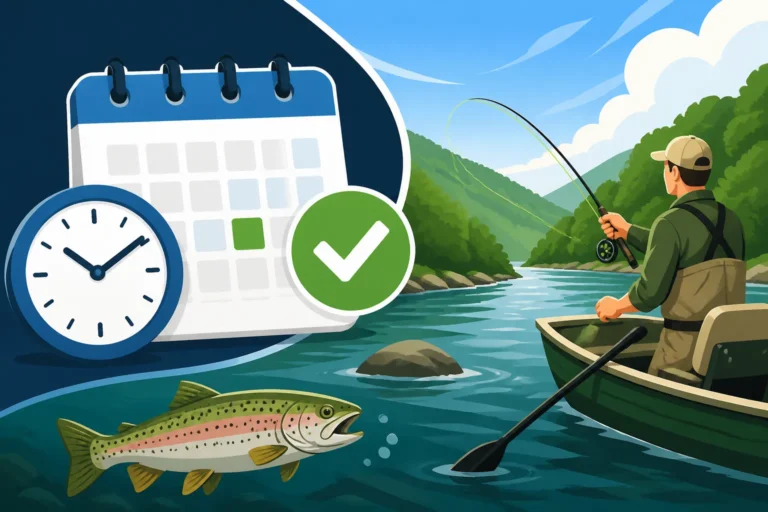
A float trip, particularly popular on Arkansas's famous trout streams like the White River or Little Missouri River, involves drifting downstream in a specialized, usually non-motorized, boat. Think of a drift boat, a McKenzie-style boat, or a raft, specifically designed to glide silently and efficiently through moving water. The guide primarily uses oars to navigate, positioning the boat strategically to present flies or lures to holding fish. It's an immersive experience where you often cover miles of river, accessing spots that might be inaccessible from the bank or with larger, motorized vessels. The focus is often on the journey as much as the destination, offering a serene, intimate connection with the river environment.
The beauty of an Arkansas float trip is its stealth and quiet. You're not relying on a noisy motor, which can spook wary fish in clear, shallow waters. Instead, you're propelled by the current, allowing for a more natural approach to fishing holes, riffles, and eddies. This method is particularly effective for species like trout, which are highly sensitive to vibrations and sudden movements. Anglers on a float trip typically cast from the boat, and the guide's expertise in reading the water and maneuvering the craft ensures optimal presentation opportunities. It's a truly classic way to experience the pristine beauty of our Ozark and Ouachita mountain rivers.
What Defines a Guided Boat Trip in Arkansas?
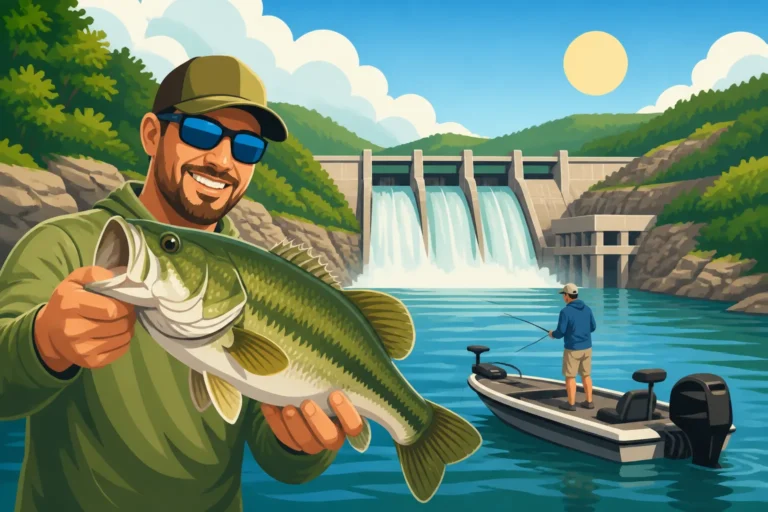
In contrast, a guided boat trip usually implies a motorized vessel, such as a bass boat, a pontoon boat, or a larger bay boat, designed for lakes and larger rivers. These boats are equipped with powerful engines, allowing guides to cover vast expanses of water quickly, moving from one fishing hot spot to another with efficiency. On Arkansas's sprawling reservoirs like Lake Ouachita, Norfork Lake, or Bull Shoals Lake, a motorized boat is almost a necessity to explore the diverse habitat and chase various species across miles of open water. The emphasis here is often on speed, range, and the ability to reach specific locations that hold fish, even if they're far apart.
A guided boat trip offers immense versatility. Your guide can quickly relocate if fish aren't biting in one spot, chasing active schools of striped bass, or moving to different depths for crappie or catfish. These boats often come with advanced electronics, like fish finders and GPS, which are invaluable for locating structure, baitfish, and game fish in large bodies of water. While there's less of the silent drift unique to float trips, the power boat opens up opportunities to target a wider array of species and patterns throughout the day. It’s a very practical choice for anglers who want to maximize their fishing time and explore various techniques across different areas.
Key Distinctions in Experience
The fundamental difference between these two types of guided trips boils down to the experience they offer. A float trip provides a tranquil, "slow fishing" approach, allowing you to absorb the natural surroundings and focus on the subtle art of presenting a lure or fly while drifting. It's about quiet contemplation and the rhythmic movement of the river. The noise level is minimal, primarily the sounds of nature, the splash of your line, and the occasional instruction from your guide. This can be deeply therapeutic and offers a very traditional, purist angling experience, especially for fly fishing enthusiasts.
A guided boat trip, on the other hand, offers a more dynamic and expansive fishing experience. While it might involve more motor noise and less "wild" quiet, it provides the undeniable advantage of mobility and access. You can explore different sections of a lake, follow fish migrations, or quickly adapt to changing conditions. This makes it ideal for covering ground, seeking out specific patterns, and maximizing your chances of encountering a variety of fish or pursuing trophy-sized catches that roam large territories. Both have their charm, but they cater to very different expectations of a day on the water.
The Allure of the Arkansas Float Trip
There's something truly magical about a float trip in Arkansas. It's an experience that transcends mere fishing; it's an immersion into the natural rhythm of the river, a chance to disconnect and truly appreciate the serene beauty of the Natural State. For many, this is the quintessential way to experience our celebrated trout waters, offering a level of intimacy and a specific style of fishing that simply can't be replicated in a motorized boat.
The Serene Experience and Stealthy Approach
Imagine gliding downstream, the only sounds being the gentle rush of water against the hull, the chirping of unseen birds in the riparian forest, and the whisper of your fly line cutting through the air. This is the essence of an Arkansas float trip. Guides meticulously position the drift boat, often using subtle oar strokes, allowing you to present your bait or fly to prime fishing lies with minimal disturbance. This stealthy approach is paramount when targeting wary trout in the exceptionally clear waters of rivers like the White, Norfork, or Little Red. The fish here are sharp-eyed and can be easily spooked by engine noise or unnatural movements.
The serenity isn't just a pleasant bonus; it's a strategic advantage. When you're drifting quietly, fish are often less skittish, making them more likely to strike. This allows for closer presentations and a more intimate engagement with the fish. It's a patient, methodical form of angling that demands attention to detail and a keen understanding of current dynamics. For those seeking a meditative fishing experience, where the focus is on technique, observation, and a deep connection with the environment, a float trip is an unparalleled choice. It's not just about catching fish; it's about the entire ballet of river, angler, and guide working in harmony.
Ideal Target Species and Waters for Floating
Float trips in Arkansas are most famously associated with trout fishing, particularly on our world-class cold-water tailwaters. The White River Fishing Guides: Arkansas's Trout Fishing Capital are predominantly leading float trips for rainbow, brown, cutthroat, and brook trout. The controlled flows from dams like Bull Shoals and Norfork create perfect conditions for these trips, as the water levels are often managed to allow for safe and productive drifting. Fly fishing is incredibly popular on these floats, with anglers often casting dry flies, nymphs, or streamers into precise pockets and seams. Spin fishing with light tackle, using small jigs or inline spinners, is also highly effective from a drift boat.
While trout are the superstars, float trips can also be excellent for smallmouth bass on warmer, free-flowing rivers in the Ozarks and Ouachitas, such as the Crooked Creek or Buffalo River. Here, the silent approach allows you to sneak up on these feisty fighters in their rocky riverbed haunts. The ability to access remote stretches of river, away from crowded boat ramps or highway access points, often means fishing undisturbed waters where the fish see fewer lures. If your goal is to target specific riverine species in their natural, pristine environments, a float trip offers an authenticity that's hard to beat.
Potential Limitations of Float Trips
Despite their many advantages, float trips do come with a few considerations that might not suit everyone. Firstly, they are typically limited to rivers with sufficient current to allow for a drift. You won't find float trips on large, stagnant lakes or broad, slow-moving sections of the Arkansas River. This naturally narrows down your options for where you can have this type of experience. Secondly, while incredibly intimate, a drift boat generally offers less space and fewer amenities than a larger motorboat. Storage for extra gear, coolers, and personal items might be more constrained.
Another limitation is the speed and range. While the drift covers a lot of water throughout the day, it's a one-way journey. Once you've floated past a spot, you're not easily going back upstream to hit it again, unless your guide employs strategic anchoring or a shuttle service at the end. If the fish are active in a very specific, small area, or if you want to jump between widely dispersed spots, a float trip might feel a bit restrictive. They also generally accommodate fewer anglers, typically one or two, making them less ideal for larger groups or families who all want to fish simultaneously from the same vessel. When thinking about Group Size and Pricing for Arkansas Charter Trips, this is a key differentiator.
The Power and Versatility of Guided Boat Trips
For those who want to explore Arkansas's vast and diverse fishing landscapes, from massive reservoirs to wide-channel rivers, a guided boat trip often provides the flexibility, power, and range needed for a truly productive day. These trips are the workhorses of the guided fishing world, built for efficiency and capable of adapting to a wide range of fishing conditions and species.
Advantages of Motorized Boat Access and Coverage
The most immediate and obvious advantage of a guided boat trip is the ability to cover significant distances quickly. Arkansas boasts some enormous lakes, like Bull Shoals, Norfork, and Lake Ouachita, which are veritable inland oceans. Trying to fish these expanses without a powerful motor would be incredibly limiting. With a motorized boat, your guide can zoom across miles of water to reach offshore humps, deep submerged timber, river channel bends, or remote coves, all in a fraction of the time it would take to drift or paddle. This efficiency means more fishing time in prime locations and less time traveling.
Furthermore, power boats provide unparalleled access. Many fantastic fishing spots on large lakes are simply unreachable from the bank or require extensive, time-consuming travel by non-motorized means. A guide with a fully equipped bass boat or bay boat can take you to these hidden gems, giving you an edge. They can also quickly move you away from crowded areas if needed, or follow a bite that's moving across the lake. This kind of flexibility is invaluable, allowing the guide to continuously put you on active fish throughout the day, regardless of how the bite changes or where the fish decide to relocate.
Targeting Diverse Species Across Larger Waters
Arkansas's larger lakes and rivers are home to an incredible variety of game fish, and a guided boat trip is often the best way to target multiple species or pursue those that roam expansive territories. Want to chase trophy striped bass on Norfork Lake? You'll need a boat capable of trolling large areas or running to schooling fish far from the ramp. Interested in deep-water crappie or catfish on Lake Ouachita? A motorized boat with advanced electronics can quickly locate these fish holding on structure many feet below the surface. The versatility extends to techniques too, from casting along shorelines for bass to vertical jigging over brush piles for crappie or even trolling open water.
Guides on these boat trips are often experts in multiple species and techniques, able to switch gears based on the bite. If the bass aren't cooperating, they might pivot to crappie or try for catfish. This adaptability maximizes your chances of success and provides a dynamic fishing experience. For anglers interested in Arkansas Striped Bass Fishing Techniques or Catfish Fishing Techniques Guide, a boat trip is almost always the preferred and most effective option, providing the necessary tools and mobility to find and fight these larger, often deeper-dwelling species.
Considerations for Comfort and Group Size
Guided boat trips generally offer more in terms of comfort and amenities, especially when comparing them to smaller drift boats. Bass boats are designed for standing and casting, often with comfortable seating. Larger pontoons or bay boats can accommodate more people, making them an excellent choice for Family Fishing Trips with Arkansas Guides or small groups of friends. There's usually ample storage for coolers, extra clothing, and gear, which is a big plus for full-day excursions. Some guides even provide onboard restrooms or shaded areas, adding to the overall comfort of the trip.
However, these trips can sometimes be less "quiet" than a float trip due to the presence of a motor, especially when running between spots. While guides are skilled at approaching fishing areas quietly using trolling motors, the transit time often involves engine noise. It's also worth noting that while they can accommodate more people than a drift boat, there are still limits. Always confirm the maximum number of anglers per trip when booking, especially if you have a larger party. When exploring options, a platform like FishingBooker can be helpful, as many listings specify the boat type, maximum occupancy, and amenities available, helping you find a trip that fits your group's needs and comfort preferences.
Factors to Consider When Choosing Your Adventure
Now that we've delved into the specifics of both float trips and boat trips, the big question remains: which one is right for you? The answer isn't universal; it depends heavily on what you hope to get out of your fishing day. By carefully considering your personal preferences, fishing aspirations, and practical needs, you can make an informed decision that leads to an unforgettable experience on Arkansas's waters.
Your Fishing Goals and Target Species
This is arguably the most critical factor. What kind of fish are you dreaming of catching, and how do you envision catching them?
- Trout on a Fly Rod (or Light Spin Gear) in a River: If your heart is set on the serene beauty of casting to rainbow, brown, or cutthroat trout in a pristine river, especially on the White River or similar tailwaters, a float trip is almost certainly your best bet. The stealth, quiet, and precise boat positioning of a drift boat are perfectly suited for these environments and species. You'll want a guide who specializes in Arkansas Fly-Fishing Guides for the White River or spin fishing from a drift boat.
- Trophy Bass, Stripers, or Deep-Water Crappie on a Large Lake: If you're chasing the adrenaline rush of a massive striped bass, targeting tournament-sized largemouth bass, or filling a cooler with crappie from a deep brush pile on lakes like Norfork, Bull Shoals, or Lake Ouachita, a motorized boat trip offers the necessary range and power. These trips are ideal for covering vast territories, using advanced electronics, and employing diverse techniques to find active schools of fish.
- A Mix of Species or Exploring Unknown Waters: If you're open to different species or want to maximize your chances of catching "whatever's biting" across a large body of water, a boat trip provides the versatility to adapt and move as needed.
Consider what kind of challenge you seek, and what kind of environment makes you feel most at home. Are you drawn to the meditative rhythm of a river or the dynamic exploration of a big lake?
Comfort Level and Physical Demands
Fishing should be enjoyable, and your comfort plays a huge role in that. Both trip types have different physical demands and comfort levels:
- Float Trips: While not overly strenuous, float trips usually involve more standing and casting from a slightly less stable platform (a drift boat, while stable, still moves with the current). There's less opportunity to stretch your legs by walking around the boat, and amenities are generally minimal. If you have mobility issues or prefer a very spacious deck, this might be a consideration. However, for many, the intimate setting and connection to nature far outweigh any minor physical constraints.
- Boat Trips: Motorized bass boats or pontoon boats often offer more deck space, sometimes multiple seating areas, and a more stable platform. You can often stand, sit, or move around more freely. These boats are generally better equipped with features like coolers, comfortable seats, and sometimes even enclosed areas for inclement weather. If you prioritize space, stability, or have physical limitations that make prolonged standing or navigating a smaller vessel difficult, a boat trip might be more comfortable. For beginners or those seeking a more relaxed experience, the added stability can be a real plus.
Ultimately, think about your own physical comfort and how you prefer to spend a day on the water. Will you be happy standing for hours, or do you need more options to sit and relax between casts?
Group Size and Trip Duration
The number of people in your fishing party and how long you plan to fish will also influence your choice:
- Group Size: Float trips are generally best for small groups, typically one or two anglers, sometimes a third if the boat is large enough and the conditions are right. They are intimate experiences designed for focused fishing. If you're planning a trip for a larger family or a group of friends, a motorized boat trip, especially on a pontoon or a larger charter vessel, will be a much better fit. These boats can often accommodate four or more anglers comfortably, ensuring everyone has space to cast and enjoy the day. When booking, always double-check the guide's capacity.
- Trip Duration: Both float and boat trips can be booked for half-day or full-day excursions. However, the mobility of a boat trip means a full-day trip can cover a much wider range of fishing scenarios and locations. If you're on a half-day float trip, you're committed to the stretch of river you start on. On a half-day boat trip, you can still explore several distinct spots. Consider how much time you want to spend and how much ground you want to cover. Sometimes, a shorter trip below a dam, like the Short 3-Hour Trips Below Beaver Dam, might be an option for float trips, but generally, the longer trips offer a more comprehensive experience for both types.
Taking these factors into account will not only narrow down your options but also help you articulate your needs clearly when you eventually connect with a guide. It's about finding the perfect match for your unique adventure.
Booking Your Ideal Arkansas Fishing Guide Trip
Once you have a clearer idea of whether a float trip or a boat trip aligns best with your vision, the next step is to turn that vision into a reality. Booking a reputable guide is paramount to a successful trip, and there are several key steps and considerations to navigate the process effectively. You're spending your hard-earned money and precious leisure time, so a little due diligence goes a long way.
Researching and Vetting Guides
Finding the right guide is like finding the right mechanic or doctor – you want someone knowledgeable, experienced, and trustworthy. Start by utilizing online platforms that specialize in fishing charters and guides, such as FishingBooker. These sites allow you to search for guides based on location, target species, and even the type of trip (like a float trip versus a motorboat trip). Crucially, they also feature real customer reviews and ratings, which offer invaluable insights into a guide's professionalism, fishing expertise, boat condition, and overall customer service. Don't underestimate the power of reading through several reviews to get a comprehensive picture.
Beyond online platforms, look for guides with strong local reputations. Often, local tackle shops, marinas, or even word-of-mouth recommendations can lead you to excellent guides who might not have a huge online presence but are well-respected in their community. Pay attention to how long they've been guiding in the area, their specific expertise (e.g., "White River trout specialist" or "Norfork Lake striper expert"), and whether their communication style resonates with you. A great guide is not just a skilled angler; they are also an excellent host, instructor, and storyteller, enhancing your entire experience. This research phase is key to Choosing the Right Fishing Charter for Your Arkansas Trip.
Understanding Pricing and Inclusions
Before you commit, make sure you thoroughly understand what's included in the trip price. Arkansas Fishing Charter Costs: What to Expect can vary widely based on the duration of the trip (half-day versus full-day), the number of anglers, the type of boat, and the guide's reputation. Generally, most guided trips include:
- The Guide's Expertise: Their knowledge of local waters, fish behavior, and effective techniques.
- Boat and Fuel: The use of their vessel, maintained and fueled.
- Rods, Reels, and Tackle: Often high-quality gear appropriate for the target species.
- Bait and Lures: The necessary consumables for the day.
- Safety Equipment: Life jackets, first-aid, etc.
However, some things are typically not included:
- Fishing Licenses and Trout Permits: You are almost always responsible for obtaining your own Arkansas Fishing License Requirements for Guided Trips and any necessary trout permits beforehand.
- Food and Drinks: While many guides provide water, you'll often need to bring your own snacks or lunch for longer trips.
- Waders/Rain Gear: Especially for float trips, you may need to bring your own appropriate clothing.
- Gratuity: Tipping your fishing guide is customary if you've had a good experience.
Always ask for a clear breakdown of costs and inclusions. Some guides might offer additional services like fish cleaning, photography, or specific gourmet lunches for an extra fee. Don't be shy about asking questions to avoid any surprises later.
Making Your Reservation
Once you've chosen your guide and understood the costs, it's time to book. Most reputable guides require a deposit to secure your date, with the balance due on the day of the trip. Be sure to ask about their cancellation policy, especially regarding weather. Fishing trips can be impacted by unforeseen circumstances, and you'll want to know your options if conditions become unsafe or you have an emergency.
When you book, whether directly with the guide or through a platform like FishingBooker, clearly communicate your expectations and preferences. Reiterate whether you prefer a float trip or a boat trip, your target species, and any specific goals you have for the day. If you're a beginner, let them know! Guides are fantastic instructors and will tailor the experience to your skill level. For First-Time Guided Fishing Trip Tips for Arkansas, clear communication is key. Confirm the meeting time and location, and ask if there's anything specific you need to bring besides your license (e.g., specific clothing, sunglasses, sunscreen, a hat). The more prepared you are, the smoother your trip will be.
Real-World Scenarios: Which Trip for Which Angler?
Understanding the theoretical differences between float and boat trips is one thing, but seeing how these choices play out in real-world fishing scenarios can truly solidify your decision. Let's look at a few angler profiles and which trip type would likely be their best fit in Arkansas.
The Solo Fly Angler's Choice
Picture this: You're an experienced fly angler, perhaps traveling solo or with one close fishing buddy, and your dream is to trick a trophy brown trout on a dry fly in crystal-clear water. You appreciate the solitude, the challenge of a perfect cast, and the beauty of an untouched riverbend. For you, the choice is clear: an Arkansas float trip is precisely what you need.
A skilled guide on the White River, for example, will use their drift boat to meticulously position you for optimal casting angles, allowing you to present your fly to rising fish or suspected lies without spooking them. You'll glide silently past bald eagles, deer, and other wildlife, truly connecting with the pristine environment. The intimate setting allows for focused instruction from your guide on technique, reading the water, and fly selection. This isn't about covering massive amounts of water in a hurry; it's about making deliberate, artful presentations in a tranquil setting. The focus on stealth and precision from a non-motorized vessel makes it the supreme choice for the dedicated fly angler seeking a classic river experience. It's the perfect way to experience Best Trout Fishing Spots in Arkansas.
Family Adventures and Beginner-Friendly Options
Now, consider a family with two enthusiastic kids, maybe ages 8 and 12, who are relatively new to fishing. They want to catch fish, ideally a variety, and they need space to move around, take breaks, and perhaps even enjoy a picnic on the boat. Loud motors might be exciting for a moment, but comfort and safety are paramount. In this scenario, a guided boat trip on a larger lake or a wide, slow-moving river section is almost always the superior option.
A pontoon boat or a spacious bay boat on a lake like Lake Hamilton or DeGray Lake offers ample deck space, stable footing, and usually a canopy for shade – crucial for keeping kids comfortable throughout the day. The guide can easily move to different spots if the bite slows, keeping the children engaged. There's plenty of room for tackle boxes, snack bags, and coolers. The focus here is often on high catch rates of panfish, bass, or catfish, providing plenty of action to keep young anglers excited. The guide can simplify techniques, help with baiting hooks, and handle any tangles, ensuring a fun, low-stress day for the whole family. These trips are designed to be inclusive and enjoyable for all skill levels, offering a comfortable platform for making lasting memories. This type of trip aligns perfectly with Kid-Friendly Fishing Charters in Arkansas.
Chasing Trophy Fish with a Specific Strategy
Finally, let's consider the dedicated angler (or small group) focused on a specific, challenging goal: landing a monster striped bass, a 10-pound largemouth, or a giant blue catfish. These fish often inhabit deep, expansive waters, requiring specialized gear, advanced electronics, and the ability to cover significant ground to find them. For this high-stakes pursuit, a guided boat trip, specifically in a high-performance bass boat or a large offshore-style center console, is indispensable.
On Norfork Lake, known for its monster stripers, your guide will use the powerful motor to quickly reach feeding grounds, troll massive baits at precise depths, or chase down breaking schools of fish. On a big bass lake, they'll utilize cutting-edge fish finders to pinpoint submerged structure and cover, allowing for accurate presentations of heavy jigs or deep-diving crankbaits. The speed and maneuverability of these boats allow the guide to execute a strategic plan, adapting to changing conditions and fish movements with agility. This isn't about a leisurely drift; it's about efficient, targeted hunting, leveraging technology and horsepower to increase the odds of that once-in-a-lifetime catch. It's the kind of trip where you might be discussing Best Time to Catch Big Striped Bass at Norfork Lake Arkansas.
| Feature | Float Trip | Guided Boat Trip |
|---|---|---|
| Vessel Type | Drift boat, McKenzie-style boat, raft | Bass boat, pontoon boat, bay boat |
| Propulsion | Oars (primary), current (primary) | Motor (primary), trolling motor (secondary) |
| Environment | Rivers, streams, tailwaters | Lakes, large reservoirs, wide rivers |
| Key Advantage | Stealth, quiet, intimate nature, precision | Speed, range, versatility, access to vast waters |
| Ideal Species | Trout (fly/spin), river smallmouth bass | Largemouth/Smallmouth Bass, Striped Bass, Crappie, Catfish |
| Pace | Relaxed, immersive, "slow fishing" | Dynamic, efficient, "active hunting" |
| Comfort/Space | Less spacious, basic amenities, more standing | More spacious, comfortable seating, more amenities |
| Group Size | 1-2 anglers (sometimes 3) | 2-6+ anglers (depending on boat size) |
| Return Upstream | Difficult, requires shuttle | Easy, quick relocation |
| Electronics | Minimal (basic depth finder) | Advanced fish finders, GPS, side imaging |
| Typical Cost Shape | Often slightly lower for basic trips, can vary | Can be higher due to boat/fuel/tech, but varies |
Choosing between a float trip and a guided boat trip in Arkansas boils down to understanding your fishing philosophy, your comfort needs, and your angling ambitions. Both offer incredible opportunities and access to some of the nation's best fishing experiences. By considering these factors, you're not just booking a trip; you're crafting an unforgettable adventure tailored to you.
Disclaimer
This article is for general informational purposes only and does not constitute professional advice. Laws, prices and regulations vary by location and change over time. Consult a qualified professional for guidance on your specific situation.