Arkansas’s Native Fish: Nearly 200 Species Call the State Home
Have you ever been out fishing on a beautiful Arkansas lake or river, reeled in a truly interesting-looking fish, and found yourself scratching your head, wondering exactly what kind of creature you've just encountered? It's a common feeling! Arkansas is an incredible state for anglers, not just because of its stunning waters but also because it’s home to an astonishing array of native fish. With nearly 200 distinct species calling the Natural State home, it can feel overwhelming to keep track. This comprehensive guide is here to help you navigate the rich aquatic tapestry of Arkansas, from the most popular game fish to the often-overlooked but equally vital smaller species, ensuring you appreciate every finned friend you meet.
Understanding Arkansas's Rich Aquatic Ecosystems
Arkansas is truly blessed with an incredible diversity of water bodies, and it's this very variety that supports such a mind-boggling number of native fish species. When you consider the topography and geography of the state, it starts to make sense why so many different types of fish have found a perfect niche here. It’s not just one type of environment; it's a whole spectrum, each with its own unique characteristics.
The Diversity of Arkansas Waters: Rivers, Lakes, Streams, and Bayous
Think about the extreme differences between the fast-flowing, clear, rocky streams of the Ozark Mountains and the slow, meandering, muddy bayous of the Delta region. These aren't just minor distinctions; they represent fundamentally different aquatic habitats, each requiring specific adaptations from the fish that live there. In the north and west, you have the swift, oxygen-rich waters of rivers like the White, Buffalo, and Little Missouri, which are ideal for species that thrive in cooler temperatures and rocky bottoms. These rivers carve through ancient landscapes, creating pools, riffles, and runs that are teeming with life.
As you move south and east, the landscape flattens, and the waters become warmer and often more turbid. Here, you'll find vast oxbow lakes, sluggish bayous, and mighty rivers like the Arkansas, which are perfect for species that prefer warmer, nutrient-rich, and sometimes less oxygenated environments. These areas often have abundant submerged vegetation and woody debris, offering cover and feeding grounds for different fish communities. This incredible range, from mountain streams to lowland swamps, is why Arkansas can boast such a high number of different native fish.
Factors Contributing to High Biodiversity: Geography, Climate, and Water Quality
The state's unique geography plays a monumental role. Arkansas sits at a crossroads of several major ecoregions: the Ozark and Ouachita Mountains, the Arkansas River Valley, and the Gulf Coastal Plain. Each of these areas brings its own geological history, soil composition, and hydrological patterns, which directly influence water chemistry and habitat structure. The ancient mountain ranges, for instance, are home to spring-fed streams that remain cool year-round, while the alluvial plains see dramatic seasonal changes in water levels and temperature.
Climate, too, is a huge factor. Arkansas experiences a humid subtropical climate, meaning warm, wet summers and mild winters. This extended growing season allows for robust aquatic plant life and insect populations, providing an ample food base for fish. However, seasonal changes still drive important life cycles, like spawning migrations. Finally, water quality varies significantly across these regions, from the pristine, clear waters of mountain springs to the nutrient-rich, sometimes more turbid waters of lowland rivers and lakes. Each of these factors, working in concert, creates a mosaic of habitats, allowing a vast array of fish species to find their own perfect niche, contributing to Arkansas's incredible aquatic biodiversity.
The Big Families: Common Native Game Fish
When most people think about fishing in Arkansas, they picture reeling in one of the popular game fish. And for good reason! Our state is famous for them. While many species are stocked, a good number of our beloved game fish are also genuinely native to these waters, having evolved here over millennia. Understanding which ones are truly native helps us appreciate the natural heritage of our fishing traditions.
Native Bass Species: Largemouth, Smallmouth, and Kentucky Bass
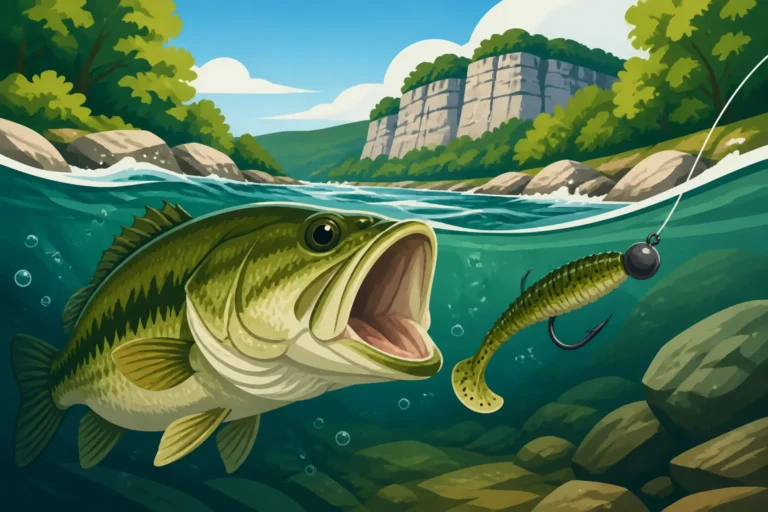
Arkansas is truly a bass angler's paradise, and a significant part of that reputation comes from its native bass populations. The Bass Fishing in Arkansas: Largemouth, Smallmouth, and Kentucky Bass Explained covers them in detail. The largemouth bass is perhaps the most iconic, thriving in the warmer, more vegetated waters of our many lakes and slow-moving rivers. These fish are aggressive feeders and put up a fantastic fight, making them a favorite for anglers across the state. They’ve been here for ages, perfectly adapted to ambush prey from cover.
Then there's the smallmouth bass, a true native gem of the Ozark and Ouachita mountain streams. Unlike their largemouth cousins, smallmouths prefer cooler, clearer, rocky waters with good current. Chasing them in a pristine mountain stream is an entirely different experience, requiring more finesse and often leading to spectacular acrobatic fights. If you've ever cast a line into an Ozark stream, you've likely encountered these powerful, bronze-colored fighters.
Finally, we have the Kentucky bass, also known as the spotted bass, which shares characteristics of both largemouth and smallmouth. They are widespread throughout the state, often inhabiting rivers and reservoirs, adapting well to various conditions. Many anglers struggle with How to Tell Largemouth, Smallmouth, and Kentucky Bass Apart, but with a little practice, you can distinguish their key features. These three native species form the backbone of Arkansas's incredible bass fishing scene, each offering a unique challenge and reward.
Crappie: The Panfish Powerhouses
Crappie are another cornerstone of Arkansas fishing, known for their delicious taste and exciting bite, especially during the spring spawn. Both black crappie and white crappie are native to Arkansas waters, contributing to the state's reputation as a crappie hotspot. They are often found in schools around submerged brush, timber, or bridge pilings, making them a fantastic target for both experienced and novice anglers. Our Crappie Fishing in Arkansas: Black and White Crappie Basics article dives deeper into these wonderful fish.
Black crappie tend to prefer clearer, cooler water with more vegetation, often found in the more pristine lakes and oxbows. They are characterized by their darker, mottled appearance. White crappie, on the other hand, are more tolerant of turbid waters and can be found in a wider range of habitats, including many of our major rivers and larger reservoirs. They typically have distinct vertical bars along their sides.
Both species are prolific breeders, providing consistent fishing opportunities year after year. They are truly panfish powerhouses, offering anglers a rewarding experience whether they're jigging tiny lures or using live minnows. Their native status means they have been an integral part of Arkansas's aquatic food web for centuries, providing both sport and sustenance to generations of residents.
Catfish: The Bottom-Dwellers (Channel, Blue, and Flathead)
No discussion of native Arkansas game fish would be complete without talking about catfish. These powerful, often massive, bottom-dwelling fish are truly a part of the state's angling identity. The three main species of catfish found here—channel, blue, and flathead—are all native and offer incredible fishing experiences, from casual bank fishing to serious trophy hunting. You can learn all about them in Catfish Species Found in Arkansas.
Channel catfish are the most widespread and probably the most commonly caught. They thrive in a variety of habitats, from small ponds to large rivers and lakes, and are recognized by their forked tails and spotted bodies. They are omnivores, readily taking a wide range of baits, making them accessible to anglers of all skill levels. A fresh channel cat caught from a clean Arkansas stream is a true delicacy.
Blue catfish are the giants of the family, known to grow to immense sizes in our larger rivers like the Arkansas and Mississippi, as well as several large reservoirs. These powerful fish are often targeted by trophy anglers and can provide an epic battle. They prefer deeper, faster-moving waters. Flathead catfish, distinct with their flattened heads and mottled brown bodies, are true predators, preferring live bait and often found around woody debris and rocky areas in rivers. Each of these native catfish species contributes significantly to the richness of Arkansas's freshwater fisheries, offering diverse angling pursuits and incredible table fare. Many anglers struggle to differentiate them, so make sure to read How to Tell Channel, Blue, and Flathead Catfish Apart.
Beyond the Mainstream: Lesser-Known Native Game Fish
While bass, crappie, and catfish often steal the spotlight, Arkansas is home to several other native game fish that deserve recognition. These species might not always be the primary target of a fishing trip, but they offer exciting angling opportunities, especially for those looking to expand their fishing horizons or introduce beginners to the sport. They are an integral part of the state's diverse native fish fauna.
Sunfish and Bream: The Kid-Friendly Fighters
When you talk about introducing kids to fishing, or just having a wonderfully relaxing day catching plenty of fish, sunfish and bream are often the first species that come to mind. And for good reason! Many of these colorful, feisty panfish are native to Arkansas, including the ever-popular bluegill, green sunfish, and redear sunfish (often called shellcrackers). These species are incredibly abundant in nearly all of Arkansas's waters, from farm ponds to vast reservoirs and slow-moving streams.
Bluegill, with their distinctive blue-black 'gill flap' and vibrant colors, are perhaps the most common and beloved. They're eager biters, often found in large schools around docks, brush piles, or lily pads, making them perfect for young anglers. Green sunfish are tougher and more aggressive, often found in shallower, even slightly degraded waters, showing their resilience. Redear sunfish are known for their preference for snails and other bottom-dwelling invertebrates, and they put up a surprisingly strong fight for their size. These native panfish are crucial components of the food chain, serving as forage for larger game fish, and also provide countless hours of enjoyable fishing for families across the state. You can find more information in our Bluegill and Panfish Guide for Arkansas Anglers article.
Pike and Gar: Arkansas's Apex Predators
For anglers seeking a more primal thrill, Arkansas's native pike and gar species offer a fascinating challenge. These fish are true apex predators in their respective niches, known for their long, slender bodies, sharp teeth, and incredible fighting power. While they might not be as universally targeted as bass, they have a dedicated following among those who appreciate their unique characteristics and the thrill of battling a top-tier predator.
The chain pickerel is the only native pike species in Arkansas, found primarily in the slow-moving, vegetated waters of the state's eastern and southern regions. They are ambush predators, lying in wait to strike at unsuspecting prey. Their explosive strikes and sharp teeth make them an exciting, albeit careful, catch. Gar species, including the longnose gar, spotted gar, and the massive alligator gar, are ancient fish with armored scales and long, toothy snouts. They are often misunderstood but are powerful, native predators that play a vital role in their ecosystems, helping to keep populations of other fish in check.
Catching a large gar, especially an alligator gar, can be an epic struggle, testing an angler's strength and tackle to its limits. These species, while sometimes viewed with apprehension due to their appearance, are a testament to the wildness and ancient heritage of Arkansas's aquatic environments. They contribute significantly to the biological diversity that makes Arkansas fishing so unique and adventurous.
Native Walleye and Drum
While trout are often stocked (and thus not native), Arkansas does boast other larger game fish that are truly native. Walleye, known for their delicious white flesh and nocturnal feeding habits, are native to some of Arkansas's larger rivers and reservoirs, particularly in the northern part of the state. They are challenging to catch due to their light bite and preference for deeper, cooler waters, often making them a prized catch for those who successfully target them. Walleye are predators, relying on their keen eyesight in low light conditions to hunt minnows and other forage fish.
Another interesting native game fish is the freshwater drum, sometimes affectionately called "gaspergou" by locals. These robust fish are widespread in Arkansas's large rivers and lakes, often found on the bottom, feeding on crustaceans and mollusks. While not always considered a premier game fish by all, they can grow quite large and put up a surprisingly powerful fight, often mistaken for a much larger, more glamorous species. Freshwater drum are readily caught on a variety of baits and are often appreciated for their firm, white meat, making them a worthy native species for any angler's pursuit. They represent a different kind of angling challenge and are an important part of the state's native fish community.
The Unsung Heroes: Non-Game Native Fish and Their Role
When we think about fish, our minds often jump straight to the ones we try to catch for sport or dinner. But the truth is, the vast majority of fish species in Arkansas aren't game fish at all. These "non-game" native fish are the unsung heroes of our aquatic ecosystems, forming the foundation of the food web and performing crucial ecological roles that often go unnoticed. Without them, the game fish we love wouldn't be able to thrive.
Minnows and Darters: The Foundation of the Food Chain
Take minnows and darters, for example. These small, often brilliantly colored fish might not ever end up on a dinner plate or mounted on a wall, but their importance cannot be overstated. Minnows, such as the bluntnose minnow or the golden shiner, are ubiquitous throughout Arkansas waters. They are primary consumers, grazing on algae and small invertebrates, and in turn, they become the primary food source for nearly every predatory fish in the state. Without robust minnow populations, our bass, crappie, and catfish simply wouldn't have enough to eat to reach impressive sizes.
Darters are another fascinating group of small, bottom-dwelling fish, many species of which are endemic (found nowhere else) to specific Arkansas streams. They are often strikingly beautiful, with intricate patterns and vibrant breeding colors, and they're a true joy to observe if you take the time to look closely in clear, shallow waters. Darters are micro-predators, feeding on insect larvae and other tiny organisms, and in turn, they provide a rich food source for smallmouth bass and trout. Their presence is often an indicator of excellent water quality. These little fish, though rarely seen by the casual angler, are absolutely vital to the health and balance of Arkansas's aquatic ecosystems.
Suckers and Shiners: Important Forage Species
Beyond minnows and darters, other groups of native non-game fish, like suckers and shiners, also play critical roles. Sucker species, such as the northern hogsucker or the spotted sucker, are bottom feeders, using their specialized mouths to forage for invertebrates, algae, and detritus. By processing organic matter, they help to clean the streambed and make nutrients available to other organisms. They can grow to a respectable size and are surprisingly powerful, sometimes caught incidentally by anglers targeting other bottom feeders.
Shiners, closely related to minnows, are another diverse group of small, silvery fish that are incredibly important as forage. Species like the striped shiner or the redfin shiner form large schools in many rivers and streams, becoming a primary food source for bass, walleye, and larger trout. Their schooling behavior makes them efficient feeders and also provides a concentrated food source for predators. Observing a school of shiners flashing in the sun as they dart away from a lurking bass is a common and fascinating sight in Arkansas's clear waters. These species, though not typically targeted by anglers, are absolutely essential to sustaining the vibrant populations of game fish that we all cherish.
Unique Native Species and Conservation Concerns
Arkansas is also home to a number of truly unique and often rare native fish species, many of which face significant conservation challenges. These include species like the Ozark cavefish, a blind, colorless fish that lives exclusively in underground cave systems in the Ozarks. It's a testament to the hidden biodiversity of the state, but also a stark reminder of how fragile these specialized ecosystems can be. Another example might be specific darters or minnows that are found only in one or a few isolated stream systems, making them highly vulnerable to habitat degradation or pollution.
The presence of these rare and unique native fish underscores the importance of broader conservation efforts. Their survival often depends on maintaining pristine water quality and undisturbed habitats. As anglers, we primarily focus on game fish, but understanding that there's a whole world of these delicate and often obscure species thriving (or struggling) beneath the surface helps us appreciate the complexity of the ecosystems we enjoy. Protecting these unsung heroes means ensuring the health of the entire aquatic environment, which ultimately benefits all species, including our beloved game fish.
Identifying Your Catch: Tips for Anglers
One of the most rewarding parts of exploring Arkansas's diverse fisheries is the moment of identification. Knowing exactly what fish you've just brought to hand isn't just satisfying; it's crucial for adhering to regulations and contributing to conservation efforts. With so many native species, it can sometimes feel like a puzzle, but with a few key strategies, you'll become a pro at identifying your catch.
Key Identification Features: Fins, Scales, Mouth, and Markings
When you catch a fish and want to identify it, don't just look at its overall shape. Instead, focus on a few key characteristics. Start with the fins: How many dorsal fins does it have? Are they spiny or soft-rayed? What shape is the tail fin (caudal fin)? Is it forked, rounded, or squared? For instance, channel catfish have a deeply forked tail, while flatheads have a square tail. Similarly, the presence and shape of adipose fins (a small, fleshy fin without rays) are crucial for identifying trout and catfish.
Next, examine the scales. Are they large or small? Do they feel rough or smooth? Some fish, like catfish, have no scales at all, while gar have very hard, diamond-shaped ganoid scales. The mouth is another vital clue: Is it large or small? Does it extend past the eye (like a largemouth bass)? Is the lower jaw protruding? Where are the teeth located? And finally, look for specific markings. Are there dark spots, bars, or stripes on the body? Does it have a distinctive lateral line? For example, a black crappie has irregular black mottling, while a white crappie has distinct vertical bars. Paying attention to these details will significantly improve your identification accuracy.
Using Field Guides and Apps
In today's world, you have excellent resources at your fingertips to help with fish identification. One of the best investments an angler can make is a good, waterproof field guide specifically for the fish of Arkansas or the surrounding region. These books often have detailed illustrations or photographs and highlight the key distinguishing features of each species. You can often find excellent field guides on Amazon or at local sporting goods stores. Keep one in your tackle box or boat for quick reference.
Beyond traditional books, several excellent smartphone apps are designed for fish identification. Many of these apps allow you to take a picture of your catch, and they'll use image recognition to suggest possible species. While not always 100% accurate, they can be a great starting point, especially for less common species. They often include detailed descriptions, range maps, and even state records. Just be sure to cross-reference with a reliable source if you're unsure, especially if regulations depend on precise identification. Having these tools makes learning about Arkansas's native fish both fun and educational.
The Importance of Correct Identification: Regulations and Conservation
Accurate fish identification isn't just a matter of curiosity; it's a critical component of responsible angling and vital for conservation. Every state has specific fishing regulations, and Arkansas is no exception. These rules often include daily creel limits and size limits that vary not only by species but sometimes by specific water body. For example, the daily limit for largemouth bass might be different from that of smallmouth bass, or the size limit for crappie might have exceptions in certain lakes like Monticello or Cargile. Misidentifying a fish could lead to unintentional violations, resulting in penalties. Make sure to consult Arkansas Fish Size and Daily Limits before your trip.
Furthermore, correct identification plays a crucial role in conservation. Knowing what species you've caught allows you to release protected or endangered native species immediately and unharmed. It also helps wildlife agencies track populations. If anglers are consistently misreporting catches or failing to identify rare species, it can skew data used for management decisions. By taking the time to correctly identify your fish, you're not just being a better angler; you're actively participating in the stewardship of Arkansas's precious aquatic resources, ensuring that these nearly 200 native species continue to thrive for future generations.
| Fish Species | Dorsal Fins | Tail Fin (Caudal) | Mouth Position | Key Markings/Features | Habitat Preference |
|---|---|---|---|---|---|
| Largemouth Bass | Two, separated | Moderately forked | Upper jaw extends past eye | Dark horizontal stripe/blotches | Warm, vegetated lakes and slow rivers |
| Smallmouth Bass | Two, joined | Moderately forked | Upper jaw doesn't pass eye | Vertical bars or tiger stripes | Cool, clear, rocky streams and rivers |
| Kentucky Bass | Two, joined | Moderately forked | Upper jaw doesn't pass eye | Row of dark spots along belly, patch of teeth on tongue | Rivers and reservoirs, often near current |
| Channel Catfish | One, plus adipose | Deeply forked | Terminal | Dark spots (juveniles), barbels around mouth | Wide variety, clear to turbid, most common |
| Blue Catfish | One, plus adipose | Deeply forked | Terminal | Uniform gray/blue, barbels around mouth | Large rivers, deep open water in reservoirs |
| Flathead Catfish | One, plus adipose | Square to slightly rounded | Lower jaw protrudes | Mottled brown/yellow, flattened head, barbels | Large rivers, woody debris, strong current |
| Black Crappie | One, spiny & soft | Forked | Upward | Irregular black mottling, usually 7-8 dorsal spines | Clearer, cooler water, more vegetation |
| White Crappie | One, spiny & soft | Forked | Upward | 5-7 distinct vertical bars, usually 5-6 dorsal spines | More tolerant of turbid water, widespread |
| Bluegill | One, spiny & soft | Slightly forked | Small, terminal | Distinct dark spot on dorsal fin, blue gill flap | Ponds, lakes, slow streams, vegetation |
Conservation of Arkansas's Native Fish
The sheer abundance and diversity of native fish in Arkansas is something to celebrate, but it's not something we can take for granted. Like all natural resources, these populations are susceptible to various threats, and it takes a concerted effort from individuals, organizations, and state agencies to ensure their continued health. Understanding these challenges and knowing how we, as anglers and citizens, can contribute to solutions is crucial.
Threats to Native Fish: Habitat Loss, Pollution, and Invasive Species
Arkansas's native fish face a gauntlet of threats, many of which are directly tied to human activities. Habitat loss is arguably one of the most significant. As populations grow and development expands, wetlands are drained, streams are channelized, and natural shorelines are altered. These changes destroy spawning grounds, foraging areas, and crucial refuge habitats, fragmenting populations and reducing their ability to thrive. Sedimentation from land use practices can also smother spawning beds and reduce water clarity, negatively impacting species that rely on clear water.
Pollution is another ever-present danger. Runoff from agricultural fields carries pesticides and fertilizers into waterways, leading to oxygen-depleting algal blooms. Industrial discharges, urban stormwater runoff, and even improper disposal of household chemicals can introduce a cocktail of toxic substances that harm fish directly or accumulate in the food chain. Finally, invasive species pose a subtle but severe threat. Non-native fish, plants, and even diseases introduced intentionally or accidentally can outcompete native species for food and habitat, introduce pathogens, or directly prey on vulnerable native populations, upsetting the delicate balance of the ecosystem.
Conservation Efforts and Agencies: The AGFC Role
Fortunately, there are dedicated efforts to protect Arkansas's native fish populations. The Arkansas Game and Fish Commission (AGFC) stands at the forefront of these endeavors. The AGFC is responsible for managing the state's fish and wildlife resources, and a huge part of their work involves research, monitoring, and implementing conservation programs. They conduct extensive surveys to track fish populations, study their life cycles, and identify areas of concern. This scientific approach informs their management decisions, from setting fishing regulations to undertaking large-scale habitat restoration projects.
The AGFC also works on projects like dam removal (where appropriate) to restore natural river flows and fish migration routes, stocking native species in appropriate waters, and educating the public on conservation issues. Their efforts are crucial in mitigating the impacts of human activity and invasive species, acting as stewards of the state's aquatic heritage. Furthermore, collaborations with federal agencies, universities, and private conservation groups amplify these efforts, creating a broader network dedicated to protecting Arkansas's diverse fish fauna.
How Anglers Can Help Protect Native Fish: Catch and Release, Clean Practices
As anglers, we have a unique and powerful role to play in the conservation of native fish. Our actions on the water can make a real difference. One of the simplest yet most impactful practices is responsible catch and release, especially for larger breeding-size fish or threatened species. Learning proper handling techniques—minimizing air exposure, handling fish gently with wet hands, and using barbless hooks—significantly increases a released fish's survival rate. This ensures that these valuable fish can continue to reproduce and contribute to future generations.
Beyond catch and release, clean fishing practices are essential. Always pack out everything you pack in, and never leave trash or discarded fishing line behind. Disposing of bait properly is also key; never release live bait into waters from which it didn't originate, as this can introduce invasive species. Participating in local clean-up efforts, reporting pollution or suspected invasive species sightings to the AGFC, and simply educating yourself and others about native fish species and their needs are all ways we can contribute. By being mindful and proactive, every angler becomes a vital conservationist, helping to safeguard the health and future of the nearly 200 native fish species that make fishing in Arkansas such a truly special experience.
Arkansas's Aquatic History: A Glimpse into the Past
Understanding the present diversity of Arkansas's native fish isn't complete without a look into their deep past. The state's geology, its ancient waterways, and even recent human-caused changes have all shaped the ichthyofauna we see today. It’s a story millions of years in the making, telling us how these incredible creatures came to call Arkansas home.
Geological Influences on Fish Distribution
The very landscape of Arkansas, from its rugged mountains to its flat delta plains, is the result of immense geological forces that have been at work for eons. These geological processes directly influenced where water flowed, how rivers carved their paths, and ultimately, which fish species could inhabit which areas. For instance, the uplift of the Ozark and Ouachita Mountains created distinct, often isolated river systems with unique characteristics, leading to the evolution of specialized species adapted to those specific environments. Many smallmouth bass populations, for example, have thrived in these clear, rocky mountain streams, isolated enough to maintain distinct genetic traits.
Conversely, the formation of the vast Mississippi Alluvial Plain, with its meandering rivers and oxbow lakes, created a vastly different, more interconnected network of slow-moving, warmer waters. This allowed for the dispersal and establishment of species like various catfish and crappie that thrive in such environments. Over geological timescales, changes in sea levels and river courses have also created pathways for fish to colonize new areas or become isolated, leading to further diversification. The ancient history etched into Arkansas's bedrock is mirrored in the distribution and evolution of its native fish.
Evolution of Arkansas's Ichthyofauna
The evolution of Arkansas's fish species is a testament to the power of adaptation and natural selection over vast stretches of time. Many of the native fish we encounter today are descendants of ancient lineages that have slowly adapted to the specific conditions of Arkansas's changing environments. For instance, the various species of darters, often found only in specific tributary systems, are excellent examples of adaptive radiation, where a common ancestor diversified into many different species, each perfectly suited to a slightly different microhabitat.
Even within broader groups like minnows or suckers, there are subtle evolutionary distinctions that reflect millions of years of adapting to specific food sources, water temperatures, and predator pressures. This long evolutionary history means that these fish are exquisitely tuned to their native environments; they are part of the very fabric of these ecosystems. Understanding this deep history gives us a greater appreciation for the resilience and complexity of life in Arkansas's waters, highlighting that these fish are not just random inhabitants but the product of an incredible journey through time.
Documenting New Discoveries
Even in modern times, with extensive scientific research, the natural world continues to surprise us. Arkansas is no exception, and the process of documenting Arkansas's Newly Discovered Fish Species Since 1988 is a continuous testament to the state's rich and sometimes hidden biodiversity. It’s not often that a completely new fish is discovered from scratch, but scientists regularly identify new subspecies, reclassify existing ones based on genetic evidence, or even discover populations of fish previously thought to be extinct or only found elsewhere.
These discoveries are often the result of meticulous fieldwork by ichthyologists, carefully sampling remote streams or revisiting historically studied areas with new techniques. For instance, advanced genetic analysis might reveal that what was once considered a single widespread species is actually two or more distinct species, each with its own unique evolutionary history and ecological requirements. These ongoing discoveries underscore how much there still is to learn about Arkansas's aquatic ecosystems and reinforce the idea that the state's biodiversity is dynamic and still holds many secrets beneath its surface, making conservation efforts even more critical.
Disclaimer
This article is for general informational purposes only and does not constitute professional advice. Laws, prices and regulations vary by location and change over time. Consult a qualified professional for guidance on your specific situation.