How to Find Post-Spawn Bass
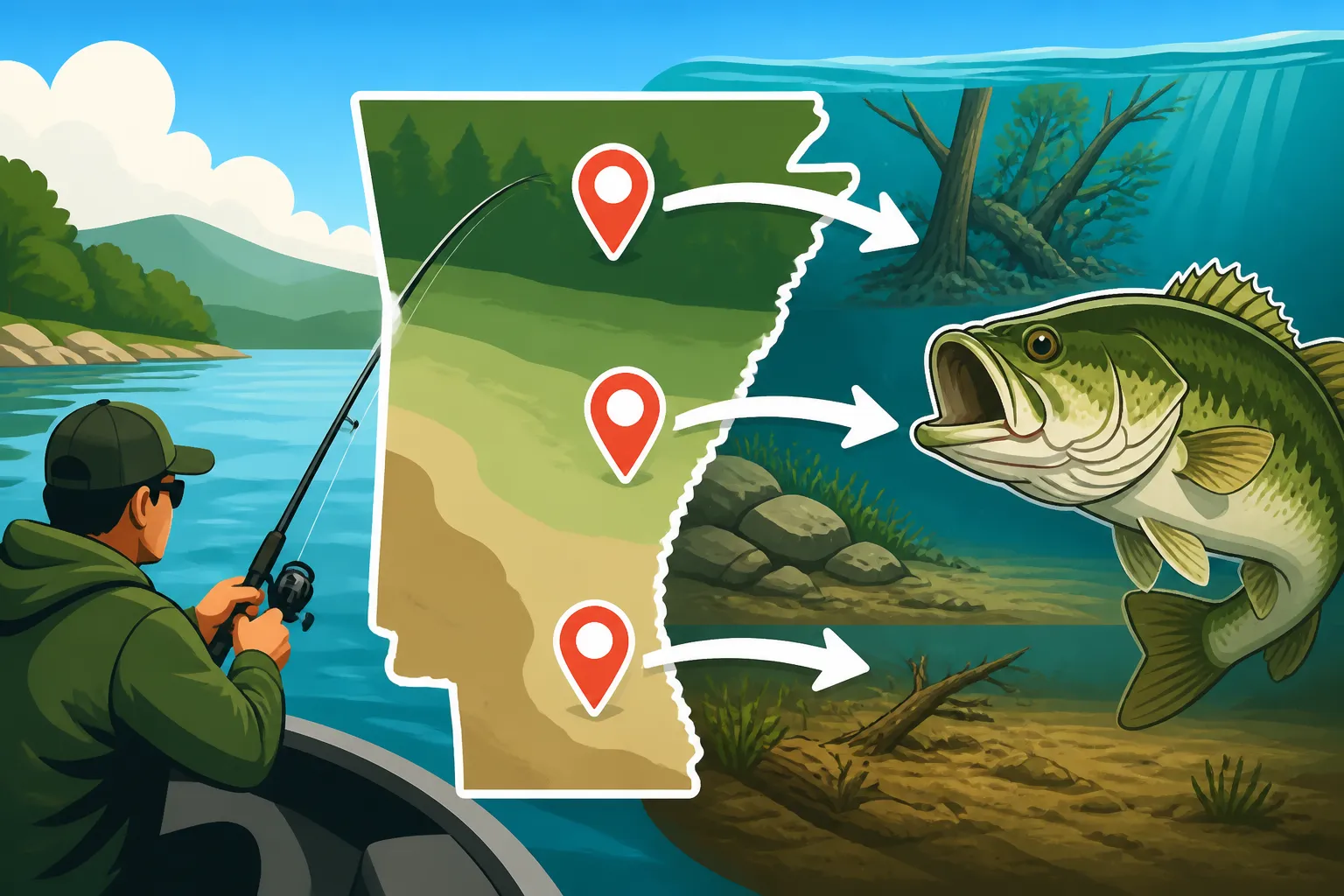
There's nothing quite like the excitement of early spring bass fishing, when those big Arkansas largemouth and smallmouth bass move shallow to spawn. But then, almost overnight, it feels like they vanish. You cast your favorite lure into those same shallow coves, expecting a strike, only to find empty water. It's a common frustration for anglers across the Natural State, trying to figure out where the bass go after the spawn. This guide is here to unravel that mystery, helping you understand their post-spawn behavior and exactly where to find those fish as they transition into their summer patterns.
Understanding the Post-Spawn Bass Behavior in Arkansas
After the intense period of courtship, nest building, and protecting their fry, bass enter a crucial post-spawn phase. This isn't a single, uniform behavior; it's a gradual transition from shallow exhaustion back to deeper, more predictable haunts. Understanding these stages is key to successfully locating them.
The Immediate Aftermath: Recuperation Period
Right after the spawn, both male and female bass are often in a state of exhaustion. The females, having expelled their eggs, are particularly depleted. Males, who guard the nests and fry, are also worn out from fending off predators. Their primary focus immediately post-spawn isn't aggressive feeding, but recuperation. They're still hungry, yes, but they're not necessarily chasing down every meal with vigor.
During this period, you'll often find them lurking very close to their spawning areas, but perhaps slightly deeper. Think about the first drop-off outside a spawning flat, or beneath the protective canopy of a dock or submerged brush pile nearby. They're seeking refuge, a place to rest and recover their strength without expending too much energy. This is where you might catch a few lingering fish, but they'll likely be sluggish. Targeting these fish often requires a slower presentation, something that looks like an easy meal that doesn't demand much effort to catch. You won't find the whole lake's population here, but the stragglers can be worth the effort.
The Migration Back to Deeper Water
As bass regain their energy, they begin a more defined migration. This isn't a sudden exodus, but a steady movement from the shallow spawning grounds back towards their deeper, cooler summer homes. This migration often follows specific pathways, dictated by the lake or river's structure. Think of them using underwater highways.
Initially, they might move to secondary points or shallow humps that offer a quick retreat to deeper water. They'll stage there, perhaps feeding periodically as they continue to recover. As water temperatures continue to climb and their energy fully returns, they'll make their way to main lake points, channel swings, and deeper structure. This is a critical period because it represents the transition from the easily accessible shallow fish of the spawn to the more challenging, but often more grouped, deep fish of summer. The key is to intercept them along these migratory routes, which often means fishing the "edges" – where shallow water quickly transitions to deep. This transitional period is discussed further in our Post-Spawn Bass Fishing Patterns guide.
Key Locations to Target Post-Spawn Bass
Once you understand why they're moving, you can predict where they're going. The post-spawn period requires a shift in your thinking, moving away from purely shallow presentations to focusing on areas that offer both food and sanctuary.
Main Lake Points and Secondary Points
These are absolute magnets for post-spawn bass in Arkansas. Think of a point as a finger extending from the bank out into the lake, creating a topographical feature that bass love. A "main lake point" juts out directly from the main body of the lake, often with deep water on both sides. A "secondary point" is typically found inside a larger creek arm or cove, a smaller projection that also offers a depth change.
Bass use these points as staging areas. They can move up onto the shallower portions of the point to feed, then quickly retreat to the deeper water around the sides or end of the point for safety and comfort. This is especially true when baitfish school up around these features. Look for points that have submerged cover like brush piles, rock transitions, or old timber – these provide excellent ambush points. Bass will often position themselves on the downcurrent side of a point, waiting for bait to be swept by. When you're fishing a point, don't just cast to the tip; fan cast all around it, paying close attention to any sudden drops or changes in bottom composition. This is especially true on large reservoirs like Bull Shoals Lake or Lake Ouachita, where these points can be extensive and hold many fish.
Deep Water Structure and Cover
As summer fully sets in, bass gravitate towards deeper water. This is where they find more stable temperatures, higher oxygen levels, and often, abundant forage. But "deep water" isn't just one big, featureless expanse. It's about finding structure and cover within that deep water. Structure refers to changes in the lake bottom – ledges, humps, creek channels, old roadbeds, and submerged islands. Cover refers to physical objects like brush piles, standing timber, rock piles, or even boat docks that extend into deep water.
Utilizing your boat's electronics becomes paramount here. Your sonar is your best friend for locating these subtle changes in depth and identifying those hidden brush piles. Once you find a promising piece of deep structure or cover, you'll want to fish it thoroughly. This might involve vertical jigging, drop-shotting, or slow-rolling a deep-diving crankbait over the top and along the edges. Bass will often stack up on the edges of creek channels, especially where they intersect with points, or hold tight to the trunks of submerged trees. Finding these deep fish is often the key to consistent catches once the post-spawn transition is complete. Learning How to Find Bass in Summer Heat will further elaborate on these deep-water tactics.
Shaded Areas and Ambush Points
Even as bass move deeper, some fish will always remain shallower, especially if there's good cover and forage. These fish, however, become much more dependent on shade and ambush points as the sun gets higher and the water warms. Docks are prime examples. Bass will hide underneath docks, especially those with brush piles or submerged structure nearby, using the shade for comfort and as a perfect ambush point for unsuspecting baitfish.
Similarly, standing timber, especially in the deeper sections of coves or along channel edges, provides both shade and vertical cover. Overhanging trees or submerged root systems along rocky bluffs also create excellent shaded hideouts. These spots are particularly effective during sunny conditions or in the middle of the day when bass might be less active in open water. Pitching jigs, Texas-rigged worms, or skipping soft plastics under these shaded areas can be incredibly effective. Remember, a bass wants to conserve energy, and an easy meal from a shaded ambush point is often too good to pass up.
Effective Lures and Techniques for Post-Spawn Bass
The post-spawn period often calls for a more versatile tackle box. Bass can be finicky one day and aggressive the next, depending on their recovery stage and the prevailing conditions. Having a range of lures and techniques at your disposal is crucial.
Covering Water with Reaction Baits
When bass are recovering and starting to feed more aggressively, covering water efficiently with reaction baits can be highly productive. These lures are designed to provoke a strike, often appealing to a bass's territorial instincts or its need for an easy meal.
- Spinnerbaits: These are fantastic for fishing around submerged grass, standing timber, and along drop-offs. The flash and vibration can trigger strikes from bass that aren't actively chasing. A tandem blade spinnerbait with a skirt that matches local baitfish can be deadly.
- Crankbaits: Deep-diving crankbaits are essential for probing those main lake points, ledges, and creek channels. The key is to find a crankbait that dives to the depth where the bass are holding and allows you to "bang" it off the bottom or cover. Look for colors that mimic crawfish or shad, depending on the prevalent forage. You can find a huge selection of these on Amazon, making it easy to experiment. How to Fish a Crankbait for Bass offers more detailed advice.
- Swimbaits: Soft plastic swimbaits, either rigged on a jig head or with an internal weight, are excellent for mimicking baitfish. They have a natural swimming action that can entice strikes from pressured or recovering bass. Slow-rolling them over points or through submerged timber can be very effective.
Finesse Approaches for Finicky Biters
Sometimes, post-spawn bass just aren't interested in chasing down a fast-moving bait. They might still be lethargic, or the fishing pressure might have made them wary. This is when finesse techniques shine, offering a subtle presentation that often proves irresistible.
- Wacky Rigs and Shaky Heads: These soft plastic presentations are designed for slow, subtle action. A wacky-rigged worm, with the hook piercing the middle, flutters enticingly on the fall. A shaky head jig, combined with a straight-tail worm, presents an upright, natural profile. These are perfect for pitching under docks, around brush piles, or slowly dragging across rocky bottoms. The key is patience and a very slow retrieve.
- Drop Shots: The drop shot rig allows you to present a soft plastic bait at a specific depth, just above a weight. This is incredibly effective when bass are suspended over deep structure or holding tight to cover. It's a precise technique that offers a subtle wiggle, often triggering bites from otherwise inactive fish. You can find a variety of terminal tackle for drop shot rigs on Amazon.
- Texas Rigs and Carolina Rigs: These are versatile rigs for fishing soft plastics in and around heavy cover. A Texas rig is excellent for penetrating brush piles and timber without snagging, while a Carolina rig is superb for dragging a bait over large areas of deep structure, presenting a weightless bait that glides enticingly behind the lead weight. Learn more about these techniques in How to Fish a Texas Rig for Bass and How to Fish a Carolina Rig for Bass.
Targeting Topwater in Low Light Conditions
While many post-spawn bass move deeper, don't overlook the magic of topwater lures, especially during periods of low light. Early mornings, late evenings, or heavily overcast days can bring bass back up to the surface, looking for an easy meal.
- Poppers and Walking Baits: These lures create commotion on the surface, mimicking struggling baitfish or insects. The classic "walk-the-dog" action of a Zara Spook or the splashing of a Pop-R can trigger explosive strikes that are hard to beat for excitement. Focus these around shallow cover, dock edges, and along the shallower edges of points.
- Frogs: If you're fishing areas with dense aquatic vegetation, lily pads, or matted grass, a hollow-body frog is your go-to topwater. Bass will often hide in these thick mats to ambush prey, and a frog can be worked directly over the top without snagging, drawing incredible blow-ups. This is an exciting way to target those fish that prefer the heavy cover.
- Buzzbaits: For aggressive, shallow-water bass, especially during the early morning hours, a buzzbait can be irresistible. The gurgling and sputtering action is highly effective at calling fish from cover.
Environmental Factors Influencing Post-Spawn Bass
Bass behavior isn't just about their internal recovery; it's heavily influenced by the world around them. Understanding these environmental cues can help you predict their movements and feeding patterns.
Water Temperature and Oxygen Levels
As spring transitions to summer in Arkansas, water temperatures steadily rise. This is a primary driver of post-spawn bass movement. Bass, being cold-blooded, seek out their preferred temperature range. As shallow water heats up, they'll instinctively move to deeper, cooler sections of the lake or river.
However, it's not just about temperature; oxygen levels are equally important. Warmer water holds less dissolved oxygen, and stagnant areas can become oxygen-depleted. Bass will gravitate towards areas with higher oxygen, which often means moving deeper, or finding areas with current, such as river sections or tailwaters below dams. Understanding these dynamics helps you eliminate unproductive water and focus on areas where bass are most comfortable and active. This shift is a key part of their Arkansas Bass Spawn Fishing Guide as they move into different seasonal patterns.
Forage and Baitfish Presence
No surprise here: bass go where the food is. During the post-spawn, as bass regain their appetite, they will actively seek out schools of baitfish like shad, sunfish, or crawfish. If you can locate the bait, you're often one step closer to locating the bass.
Your electronics will again be invaluable here. Look for bait balls suspended in the water column, especially around those key points, humps, and channel edges. If you see baitfish flickering on the surface or congregating in an area, bass are likely nearby. Pay attention to the size of the baitfish as well; try to match your lure size and profile to what the bass are actively feeding on. A good rule of thumb is that bass won't pass up an easy meal, and an injured-looking baitfish presentation can be highly effective. Finding quality bait is a critical aspect, influencing the Best Bait for Bass by Season.
Weather Changes and Their Impact
Arkansas weather can be famously unpredictable, and sudden changes can have a dramatic effect on post-spawn bass.
- Cold Fronts: A sudden drop in temperature, especially after a warm spell, can shut bass down. They'll often move deeper, become lethargic, and be much harder to entice. During these times, slow down your presentation, downsize your lures, and focus on finesse techniques.
- Cloudy Days: Overcast conditions can be fantastic for post-spawn bass fishing. The diffused light often encourages bass to move shallower or become more active in open water, making them more susceptible to reaction baits and even topwater lures throughout the day.
- High Pressure Systems: Clear skies and high barometric pressure often lead to tougher fishing. Bass tend to move deeper and become less active. Again, finesse is often the key during these conditions.
- Rain: Light rain can sometimes improve fishing, especially if it's warm rain that doesn't drastically change water temperature or clarity. Heavy rains, however, can muddy the water, drop temperatures, and push bass into more stable, clearer areas.
Understanding these environmental factors helps you adjust your strategy on the fly, ensuring you're always fishing where the bass are most likely to bite.
Here's a quick overview of post-spawn bass locations and common lures:
| Post-Spawn Stage | Primary Location | Key Lure Types | Best Conditions |
|---|---|---|---|
| Immediate Post-Spawn | Shallow cover near spawning flats (docks, brush, laydowns) | Senkos (wacky), Shaky Heads, Small Jigs, Swimbaits | Overcast, stable weather |
| Transition/Migration | Secondary points, humps, channel edges, main lake points | Spinnerbaits, Deep-Diving Crankbaits, Soft Jerkbaits | Light chop, cloudy, stable temperatures |
| Summer Pattern Setup | Deep structure (ledges, channels), shaded cover (docks, timber) | Jigs, Drop Shots, Texas Rigs, Carolina Rigs, Large Swimbaits | Sunny, hot (fish deep); low light (fish shallow cover) |
Disclaimer
This article is for general informational purposes only and does not constitute professional advice. Laws, prices and regulations vary by location and change over time. Consult a qualified professional for guidance on your specific situation.