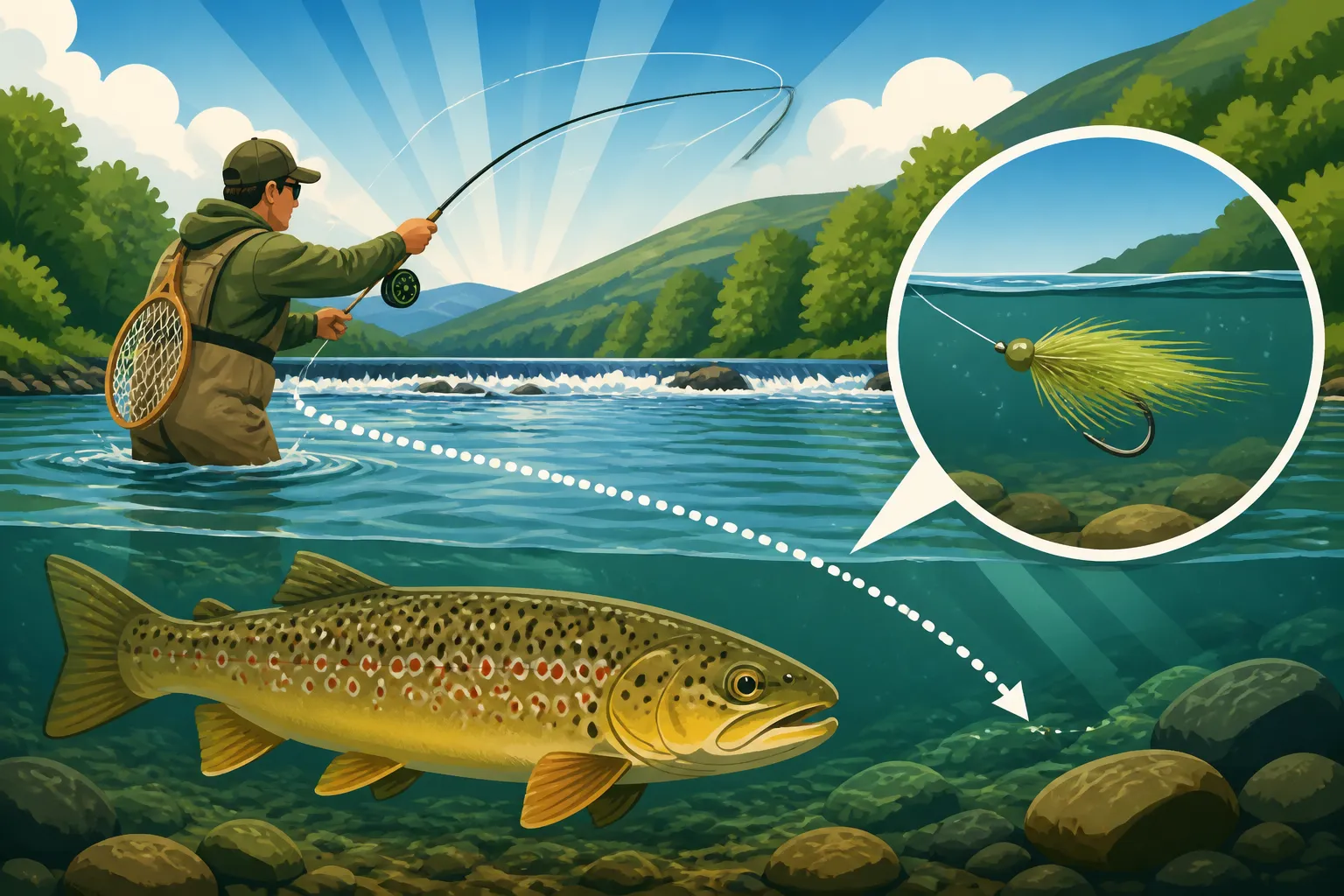
Best Technique for Wade Fishing a Tailwater
There's nothing quite like the feeling of standing in the cool, clear waters of an Arkansas tailwater, fly rod in hand, anticipating that tell-tale tug. But for many anglers, the idea of wade fishing these dynamic rivers can feel a bit intimidating, especially with fluctuating water levels and swift currents. This guide is all about equipping you with the best techniques and knowledge to confidently and successfully wade fish Arkansas's incredible tailwaters.
Understanding Arkansas Tailwaters: The Unique Challenges and Opportunities
Arkansas is blessed with some truly world-class tailwater fisheries, notably the White River and Norfork Tailwater. These aren't your typical placid streams; they are rivers managed by dam releases, which means they can transform from gentle flows to raging torrents in a matter of hours. This characteristic is both their biggest challenge and their greatest asset for holding incredible trout populations.
The Dynamics of Tailwater Flows
Unlike a natural freestone stream that rises and falls with rain, tailwaters are dictated by the upstream dam. When the Corps of Engineers generates power, the water levels can rise significantly and rapidly. This means you might start your morning wading easily across a shoal, only to find yourself chest-deep in swift current by midday if the generators kick on. It's a critical factor that absolutely must be considered for safety and fishing strategy. Knowing the release schedule, or at least how to read the river's signs, is paramount for anyone venturing out to wade.
For example, on the White River below Bull Shoals Dam, a low-water scenario can offer miles of wadeable shoals and gravel bars, perfect for getting to those prime holding lies. But when the gates open and the water comes up, those same spots become deep, fast-moving channels. Anglers often face situations where they need to quickly exit the water or find higher ground. This constant change influences where fish hold, what they eat, and how you approach them. Understanding White River Fly Fishing Season Guide for Arkansas Anglers can give you an edge in planning.
Identifying Productive Wadeable Water
Even with fluctuating flows, certain areas consistently offer excellent wade fishing opportunities. Look for long, shallow shoals with a mix of gravel and small rocks, especially where they transition into deeper pools or faster runs. These "edges" are often where trout will stack up, waiting for food to drift by. Pay attention to structure too – submerged logs, large boulders, or even slight depressions in the riverbed can create current breaks where fish conserve energy and ambush prey.
During low flows, these structures become more apparent, giving you a chance to pinpoint exact holding lies. I remember one morning on the Norfork Tailwater, I spotted a perfect seam created by a large boulder, and by carefully wading upstream and presenting my fly, I landed several beautiful brown trout from that one spot. The key is to approach these areas stealthily, using the current and natural cover to your advantage. Finding The Best Trout Fishing Spots in Arkansas can give you a head start.
Essential Gear for Safe and Effective Tailwater Wade Fishing
Before you even think about casting, you need the right gear. Wade fishing in Arkansas tailwaters demands robust, reliable equipment that prioritizes your safety and comfort as much as your fishing success.
Waders and Wading Boots: Your Foundation
Your waders and wading boots are arguably the most crucial pieces of equipment for tailwater wading. You need chest waders, preferably breathable ones, that can stand up to snags and constant use. Neoprene waders are an option for colder months, but breathable ones offer more versatility. Look for reinforced knees and seat areas.
More importantly, your wading boots need to provide exceptional grip on slick, algae-covered rocks. Felt soles used to be the gold standard, but many anglers are now opting for rubber soles with aggressive lug patterns, sometimes augmented with studs or cleats for extra traction. Brands like Simms and Orvis make fantastic wading boots designed for these conditions, and you can often find great deals and a wide selection on Amazon. Don't skimp here; a fall in a strong current can be serious. Think about it – your feet are your connection to the riverbed, and if that connection isn't solid, neither is your safety.
Safety Equipment Beyond the Basics
Beyond waders and boots, a few key safety items are non-negotiable. A sturdy wading staff is an absolute must-have. It acts as a third point of contact, helping you gauge depth, test footing, and maintain balance against the current. Many collapse for easy carrying, and you can find various models on Amazon to suit your preference.
Next, a personal flotation device (PFD) or inflatable wading belt is highly recommended, especially when water levels are up or you're in unfamiliar territory. Even experienced waders can lose their footing, and a PFD provides invaluable buoyancy. A sharp knife or line cutters are also critical in case you get tangled or need to quickly cut away from an obstruction. Finally, always carry a small first-aid kit in a waterproof bag. It’s better to be overprepared than caught off guard, especially when fishing remote sections of river. Consider the Packing Essentials for a Guided Trout Trip on the White River for more ideas.
Rods, Reels, and Terminal Tackle
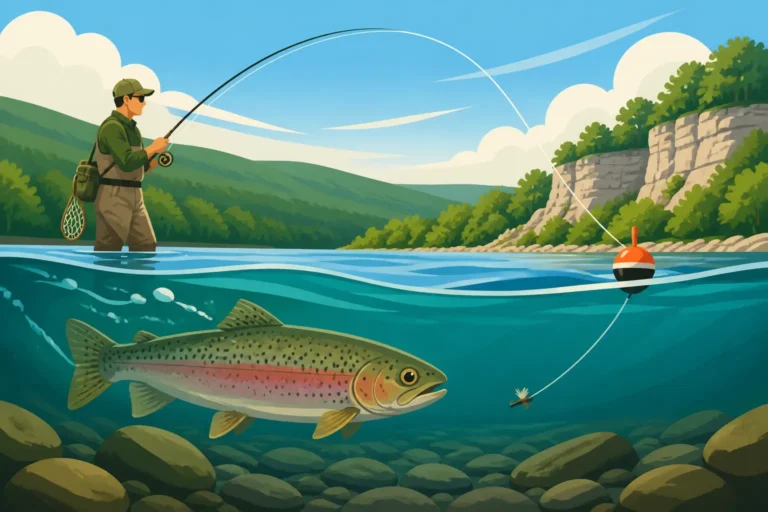
For Arkansas tailwaters, a 9-foot, 5- or 6-weight fly rod is a versatile choice for trout, offering enough backbone to handle larger fish and cast heavier nymph rigs, yet sensitive enough for delicate dry fly presentations. If spin fishing, a light to medium-light action rod in the 6-7 foot range with a fast tip is ideal, paired with a small spinning reel spooled with 4-6 lb test fluorocarbon line.
Your fly or lure selection will depend on the season and water conditions. For trout, nymphing is often the most productive technique in tailwaters, so carry a variety of patterns like Pheasant Tails, Hare's Ears, Caddis Larvae, and midges. Streamers like Woolly Buggers can be highly effective for aggressive brown trout, particularly during generation. Spin anglers will find success with small inline spinners, spoons, and soft plastics rigged on jig heads. Always check local regulations for specific lure restrictions, especially in catch-and-release only sections.
Here’s a quick overview of essential gear:
| Gear Item | Purpose | Key Features |
|---|---|---|
| Chest Waders | Stay dry and warm | Breathable, reinforced knees, comfortable fit |
| Wading Boots | Grip on slippery rocks | Felt or studded rubber soles, ankle support |
| Wading Staff | Balance and depth testing | Collapsible, sturdy, comfortable grip |
| PFD/Wading Belt | Flotation in case of a fall | Lightweight, comfortable, easy to don/doff |
| Fly Rod (5/6 wt) | Versatile trout fishing | 9-foot, medium-fast action |
| Spin Rod (L/ML) | Light tackle for trout | 6-7 foot, fast tip, sensitive |
| Fly Box/Tackle Box | Organize flies/lures | Waterproof, varied compartments |
| Nippers/Forceps | Line cutting, hook removal | Sharp, durable, lanyard attachment |
| Waterproof Pack | Protect essentials | Dry bag or backpack with rain cover |
| First-Aid Kit | Emergency minor injuries | Compact, waterproof, essential supplies |
Mastering Wade Fishing Techniques in Tailwaters
Once you're properly geared up, it's time to focus on the techniques that will make you a successful wade angler. It’s not just about casting; it's about reading the water, understanding fish behavior, and moving stealthily.
Reading the Water: Where the Fish Are Hiding
Trout in tailwaters are highly attuned to current. They'll position themselves in places where food is delivered to them with minimal effort, and where they can quickly dart for cover if threatened. This means learning to read the subtle nuances of the water is key. Look for current seams – areas where fast water meets slow water. These are prime feeding lanes. Undercut banks, submerged rocks, and fallen trees also create excellent lies, offering both shelter and ambush points.
Pay attention to eddies, which are calm spots where the current swirls. Trout often hold on the edges of these, picking off insects that get caught in the rotational flow. Even small changes in depth can hold fish; a slight drop-off where the current slows can be a hotspot. On the Norfork Tailwater, for instance, there are numerous subtle depressions along the gravel bottom that, once identified, consistently hold fish during low water. Your ability to spot these hidden gems will dramatically improve your catch rate.
Presentation and Stealth: Don't Spook the Trout
Trout in clear tailwaters can be incredibly wary. Your approach needs to be as subtle as possible.
- Wade slowly and deliberately: Avoid splashing. Shuffle your feet rather than lifting them high, which can dislodge rocks and create noise. Use your wading staff to test footing and depth before committing your weight.
- Stay low: If possible, keep a low profile, especially when approaching shallower water. Fish have a wide field of vision, and a silhouette against the sky will send them darting for cover.
- Cast accurately: Aim for precise presentations that land your fly or lure gently upstream of your target, allowing it to drift naturally into the strike zone. On the White River, I've found that casting a few feet above a likely holding spot and letting the current do the work leads to more strikes. Best Time to Fish the White River in Arkansas for Trout will also dictate how aggressive or subtle you need to be.
For fly anglers, a dead drift (where your fly moves at the exact speed of the current, without drag) is often the most effective presentation. This requires good line management, mending your line upstream to avoid unnatural drag. Spin anglers should focus on casting upstream and retrieving just fast enough to impart action to their lure while still letting the current carry it naturally.
Techniques for Different Water Levels
Tailwater fishing techniques need to adapt to the generation schedule.
- Low Water: During low flows, fish will spread out more across the shoals and into shallower riffles. This is prime nymphing and dry fly water. You can often wade further to access mid-river runs. Focus on targeting individual fish you spot or casting to distinct structures. Stealth is crucial here. Trout Limits on the Norfork Tailwater in Arkansas are especially relevant during these periods when fish are more accessible.
- Rising Water/Moderate Flow: As water levels begin to rise or are in a moderate flow, trout will often move to the edges of the main current, behind larger rocks, or into seams where the current is a bit slower. This is an excellent time for nymphing with heavier flies or indicator rigs, and even throwing streamers. The increased current provides cover for fish and washes more food downstream.
- High Water/Heavy Generation: When the generators are running full blast, wade fishing becomes much more challenging and often dangerous. Fish will push closer to the banks, find eddies, or move into calmer side channels. This is primarily streamer fishing territory for fly anglers, using heavy sink-tip lines to get flies down quickly. Spin anglers can use heavier lures. However, safety is paramount, and if the water is too high and swift, it’s best to consider fishing from a boat or finding safer bank access. This is also when understanding Bull Shoals Tailwater Trout Rules in Arkansas becomes vital for any angler, as regulations often reflect the unique pressures of these waters.
Safety First: Navigating Tailwater Currents
I can't stress this enough: safety is not something to take lightly when wade fishing tailwaters. These rivers demand respect, and a momentary lapse in judgment can have serious consequences.
Understanding Dam Release Schedules and Warning Signs
Before you even leave home, check the dam release schedule for the specific tailwater you plan to fish. Many resources, including government websites for the Corps of Engineers, provide hourly or daily forecasts. However, these are forecasts, not guarantees. Conditions can change rapidly, and dam operations might deviate from the schedule.
Always be aware of your surroundings on the river. Look for physical signs of rising water: a darkening waterline on rocks, debris starting to move, or the water becoming noticeably faster. Listen for audible signals too; sometimes, a distant roar from the dam will be your first warning. If you see or hear any of these signs, don't wait. Immediately make your way to the nearest bank and exit the water. I've had to scramble out of the White River more times than I care to admit when the water started coming up faster than expected, and believe me, it's not a fun experience.
Wading Techniques for Current and Obstacles
When wading in current, always face upstream, allowing you to see obstacles and maintain balance. Take small, deliberate steps, shuffling your feet and using your wading staff to probe the bottom ahead of you. Never cross a current that is stronger than your comfort level or deeper than your waders. If in doubt, don't go.
When crossing a swift section, try to angle slightly downstream, using the current to help propel you while still maintaining control. A strong current can quickly sweep your feet out from under you. If you do lose your footing, try to get on your back with your feet pointed downstream, using them to fend off rocks and obstacles, while floating to calmer water or the bank. It's better to float a bit than to try and fight a powerful current head-on.
The Buddy System and Communication
The absolute best safety measure when wade fishing tailwaters is to never go alone. The buddy system is invaluable. Fish with a friend, and always keep an eye on each other. Discuss your plan before entering the water: where you intend to wade, how long you plan to stay, and what your exit strategy is if water levels rise.
If you are fishing a more remote stretch of river, make sure someone knows where you are going and when you expect to return. Carry a fully charged cell phone in a waterproof case, though be aware that service can be spotty in some river valleys. A whistle can also be a simple yet effective way to signal for help if you're separated from your buddy or in distress. A little planning and communication can make all the difference between a memorable day on the water and a dangerous situation.
Conclusion: Embrace the Arkansas Tailwaters
Wade fishing Arkansas's tailwaters is an incredibly rewarding experience, offering some of the finest trout fishing in the South. Yes, it presents its own unique set of challenges, from unpredictable dam releases to slick, rocky bottoms. But with the right gear, a solid understanding of water dynamics, and a commitment to safety, you'll find yourself confidently navigating these beautiful rivers and connecting with some fantastic fish. Remember to always respect the river, keep an eye on the conditions, and enjoy the tranquility and excitement that only wade fishing can offer. Happy wading!
Disclaimer
This article is for general informational purposes only and does not constitute professional advice. Laws, prices and regulations vary by location and change over time. Consult a qualified professional for guidance on your specific situation.