How to Drift Fish a Tailwater
Fishing a tailwater river in Arkansas can be one of the most rewarding experiences, but it often presents a unique set of challenges compared to still water lakes. The constant flow, varying depths, and specific feeding patterns of fish like our abundant trout often leave anglers scratching their heads, wondering how to present their bait naturally. This guide is all about mastering the art of drift fishing, a technique that truly shines in these dynamic river environments, helping you understand the water and catch more fish.
Understanding the Tailwater Environment for Effective Drift Fishing
When we talk about a tailwater, we're really talking about a river section immediately below a dam. Think of places like the White River below Bull Shoals Dam or the Norfork Tailwater. These aren't your typical free-flowing rivers; their characteristics are largely controlled by the dam's generation schedules, which can make for some seriously interesting fishing conditions. If you've ever tried to fish these waters without understanding what makes them tick, you know the frustration of your bait getting swept away too fast or sinking to the bottom prematurely.
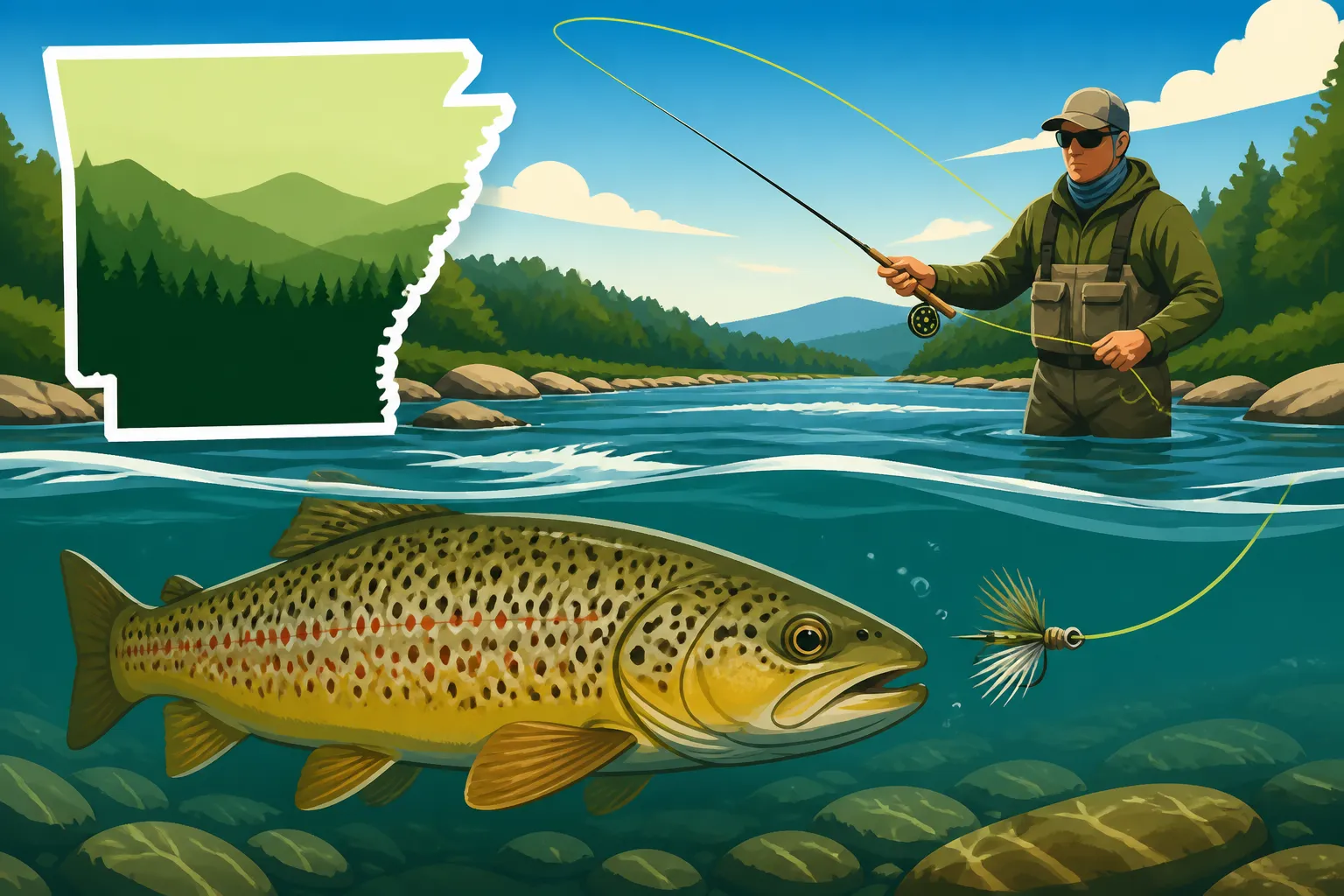
The constant flow means that fish are always facing upstream, waiting for food to drift down to them. This is where drift fishing truly excels—it mimics exactly what these fish are used to eating. It's about presenting your bait or lure as naturally as possible, letting it tumble and drift just like a piece of aquatic insect larvae or a small minnow that’s been dislodged from the riverbed. Your success hinges on understanding these currents, temperatures, and the fish's natural feeding lanes.
The Dynamics of Tailwater Currents: Reading the Water
One of the biggest hurdles for many anglers in a tailwater is reading the current. It’s not just one big, uniform push of water. Instead, you'll find a complex tapestry of currents, eddies, seams, and riffles, each playing a role in how fish position themselves and how your bait travels. Ignoring these nuances is like trying to drive a car blindfolded – you might get somewhere, but it won't be efficient or successful.
For drift fishing, you want to identify the "seams" where faster water meets slower water. These are often prime feeding lies for trout because they can conserve energy in the slower water while keeping an eye on the conveyor belt of food in the faster current. Look for subtle changes in the water's surface: calm slicks next to rippled areas, or even V-shaped currents pointing downstream. Where the surface tension breaks or where foam lines appear, you'll often find these crucial seams. Your goal is to get your bait to drift naturally along these seams, presenting it directly to where the fish are holding, without any drag from your line pulling it unnaturally. This takes practice, but once you start seeing the river as a series of different currents, your fishing will transform.
Temperature Swings and Fish Behavior: What to Expect
Tailwaters are famous for their cold, consistent water temperatures, often because the water is released from the bottom of deep reservoirs. This makes them ideal for species like trout, which thrive in cooler conditions. For example, the White River below Bull Shoals is a phenomenal trout fishery, supporting healthy populations of rainbow and brown trout year-round. However, even in a stable environment, dam generation can cause minor temperature fluctuations that impact fish activity.
When the water is consistently cold, trout are generally active but might be a bit more lethargic than in warmer, oxygenated stretches of a free-flowing river. They'll hug the bottom, conserving energy, and they won't chase a bait very far. This means your drift needs to be precise, putting your offering right in their strike zone. Knowing the White River Fly Fishing Season Guide for Arkansas Anglers can give you clues about seasonal patterns, even for spin fishing. When generation stops or slows, the water level drops, and the current subsides, sometimes leading to a brief feeding frenzy as insects become more accessible. Conversely, heavy generation means a powerful, swift current that forces fish to hold tighter to structure or in eddies, making your drift even more critical. Keep an eye on the generation schedule if you can, as it's a huge factor in tailwater success.
Essential Gear for Successful Tailwater Drift Fishing
Having the right equipment is absolutely crucial when you're drift fishing a tailwater. It’s not about having the most expensive gear, but rather the gear that allows for the most natural presentation. Trying to drift fish with a heavy catfish rod and 20-pound test line will lead to nothing but frustration and spooked fish. You need sensitivity, lightness, and enough backbone to handle a feisty trout in current. Many anglers find that selecting the right gear for specific techniques, like those for Spin Fishing Techniques for Trout, makes all the difference.
Imagine trying to thread a needle with a rope – it's just not going to work. The same principle applies here. Your gear needs to be finely tuned to let your bait float freely, as if it's not attached to anything at all. This means paying attention to everything from your rod's action to the size of your split shot. Don't worry, you don't need to break the bank to get started; places like Amazon offer a wide range of suitable options that won't empty your wallet.
Rods, Reels, and Line Selection: Getting it Right
For drift fishing, especially for trout in Arkansas's tailwaters, you want a rod that's sensitive enough to detect subtle bites but has enough backbone to control a fish in current. A light or medium-light action spinning rod, typically 6 to 7.5 feet long, is often perfect. Look for a rod with a fast or moderate-fast tip, which means the upper third or so of the rod bends easily, giving you that crucial sensitivity. For reels, a small spinning reel in the 1000 to 2500 size range, spooled with 4 to 6-pound monofilament or fluorocarbon line, is ideal. Some anglers even prefer braided line for its zero-stretch sensitivity, but if you go this route, always add a fluorocarbon leader.
Speaking of leaders, fluorocarbon is your best friend here. It's nearly invisible underwater and has excellent abrasion resistance, which is vital when fishing around rocks. A 2 to 4-pound fluorocarbon leader, about 2-4 feet long, tied to your main line with a small swivel or an FG knot, will significantly improve your presentation. The nearly invisible leader ensures the fish focus on your bait, not your line. This combination allows for long, accurate casts and the ability to feel even the most delicate takes.
Weights, Floats, and Terminal Tackle: The Delicate Balance
This is where the "drift" truly comes into play. You need just enough weight to get your bait down to the fish's level without hindering its natural movement. Too much weight, and your bait will drag unnaturally on the bottom; too little, and it will float over the fish. The key is balance.
- Split Shots: These are small, pinch-on weights that are easy to add or remove. Start with one or two small split shots, placed about 6-12 inches above your hook. Adjust as needed until your bait is just ticking the bottom or maintaining the desired depth.
- Slinky Weights: For heavier current or snaggy bottoms, a "slinky" weight (a piece of lead encased in paracord) can be excellent. It slides over rocks better than traditional sinkers, reducing snags.
- Floats/Indicators: A small, sensitive strike indicator (often called a bobber, but "indicator" is more precise for fly-fishing applications) is essential. These aren't your typical red and white plastic bobbers. Look for sensitive, buoyant indicators that sit high on the water and show even the slightest pause or twitch when a fish bites. They help you gauge your depth and spot strikes.
- Swivels: Small barrel or micro swivels are useful for connecting your main line to your fluorocarbon leader, preventing line twist, especially if you're using certain lures or baits.
- Hooks: Stick to small, sharp hooks. Size 10 to 16 octopus or bait holder hooks are often perfect for presenting worms, corn, or PowerBait. If you're using flies, match your hook size to the insect you're imitating.
| Tackle Item | Purpose | Ideal Characteristics |
|---|---|---|
| Rod | Sensitivity and Control | Light to Medium-Light, 6-7.5 ft, Fast/Moderate-Fast Tip |
| Reel | Smooth Drag, Line Capacity | 1000-2500 Spinning Size |
| Main Line | Durability, Castability | 4-6 lb Mono/Fluorocarbon, or Braid with Leader |
| Leader | Stealth, Abrasion Resistance | 2-4 lb Fluorocarbon, 2-4 ft length |
| Split Shots | Adjusting Depth and Drift Speed | Various small sizes (e.g., BB, 3/0) |
| Float/Indicator | Strike Detection, Depth Monitoring | Small, Sensitive, Buoyant |
| Hooks | Bait Presentation, Hook Set | Size 10-16 Octopus, Bait Holder, or Fly Hook |
Baits and Lures for Drifting: Matching the Hatch (or the Menu)
The beauty of drift fishing is its versatility with bait and lures. Because you're presenting it naturally, many options work well, but it's always smart to think about what the fish are actually eating. In Arkansas's trout-rich tailwaters, their diet often consists of aquatic insects, small minnows, or even fish eggs.
- Live Bait: A small worm (like a red wiggler or piece of nightcrawler) hooked lightly will tumble downstream incredibly naturally. Small minnows, if legal and available, can also be drifted effectively, especially for larger trout.
- PowerBait: This classic trout bait comes in many colors and forms. A small ball of PowerBait molded around a small hook, drifted naturally, is incredibly effective. Sometimes just a tiny kernel of corn will do the trick too, especially on heavily pressured waters.
- Artificial Flies (Nymphs & Midges): Even if you're not fly fishing, a small, weighted nymph or midge imitation (sometimes called a "jig fly") can be fished under a spinning rod and float. These imitate the aquatic insects that make up a huge part of a trout's diet. Popular patterns for Arkansas tailwaters often include variations of Prince Nymphs, Hare's Ear Nymphs, or Zebra Midges. You can find excellent selections of these from a variety of manufacturers on Amazon.
- Small Lures: Tiny jigs, often 1/32 to 1/8 ounce, dressed with a small curly tail grub or Marabou can be drifted effectively, especially if they have some inherent action in the current. These are often great for active fish.
For specifically targeting trout, understanding Arkansas Trout Permit Rules and checking specific regulations for different tailwaters like Trout Limits on the Norfork Tailwater in Arkansas is always a good idea to ensure you're fishing legally.
The Art of the Perfect Drift: Techniques and Strategies
Now that you've got your gear dialed in, it's time to put it to use. Drift fishing isn't just about tossing your line in the water; it's an art form, a dance between you, your rod, and the river. The goal is to make your bait or lure look completely unattached, as if it's a natural piece of food casually tumbling downstream. Any unnatural drag, and you'll likely spook the fish, especially the warier, larger ones.
This takes practice and attention to detail. You'll need to develop a keen sense of observation and learn to make subtle adjustments to your cast, line management, and even your standing position. It's a highly interactive form of fishing that, when done correctly, can be incredibly rewarding.
Reading the Water and Positioning: Setting Up for Success
Before you even make your first cast, take a few minutes to truly read the water. Look for those seams, eddies, and riffles we talked about earlier. Identify potential fish holding spots: behind large rocks, along current breaks, or in deeper pockets.
- Upstream Casts: Most drift fishing involves casting upstream and slightly across the current. This gives your bait time to sink to the desired depth and allows it to drift naturally towards you.
- Following the Float: Once your bait hits the water, keep your rod tip pointed at your float or indicator. As the float drifts downstream, you'll need to "mend" your line. This means making small, controlled upstream flips or rolls with your rod tip to pick up any slack line that might be dragging your float faster than the current it's in. This keeps your line straight and minimizes unnatural drag.
- Maintaining Contact: The key is to maintain a direct line of sight and connection to your float without pulling it. You want your float to move at the exact same speed as the current carrying your bait. This is a subtle skill, but it’s what separates a good drift from a bad one.
- Stay Out of Sight: Remember, trout are incredibly wary. Try to stay low, out of their direct line of sight, and avoid casting your shadow over the water you're fishing. Wear natural colors, too.
The Dead Drift vs. Controlled Drift: When to Use What
While the ideal "dead drift" is often the goal, sometimes a slightly "controlled drift" can be more effective.
- Dead Drift: This is the purest form of drift fishing. Your bait moves completely naturally with the current, as if it has no line attached. You achieve this by meticulous line mending, ensuring there's no drag whatsoever on your float. This is incredibly effective when fish are lethargic or spooky, as it presents the most natural offering. It's often the best approach for the Norfork Tailwater Trout Rules and Season, where trout are highly pressured.
- Controlled Drift: Sometimes, especially in slightly slower currents or when you want to impart a little action, you can use a "controlled drift." This involves allowing a slight amount of tension on your line, which can make a jig "dance" or a worm undulate slightly as it drifts. You're still letting the current do most of the work, but you're adding a tiny bit of subtle manipulation. This can sometimes trigger strikes from more aggressive fish or help cover a wider area. It's a fine line between a controlled drift and too much drag, so experiment cautiously.
Setting the Hook and Fighting Fish in Current: Brace Yourself
When drift fishing, especially with a sensitive float, bites can often be incredibly subtle. Sometimes it's a twitch, a slight hesitation, or simply your float disappearing. Don't wait!
- The Strike: At the slightest indication of a bite, set the hook with a quick, upward sweep of your rod. Don't reel down before setting; just lift. Because you're often fishing with light line and small hooks, a sharp, decisive set is necessary.
- Fighting in Current: Once you've hooked a fish, the current becomes both an ally and an adversary. An ally because it will help tire the fish, but an adversary because it can put immense pressure on your line and rod. Keep your rod tip up and maintain constant pressure. Try to steer the fish out of the main current into slower water or an eddy if possible. This will make landing it much easier. Be ready for strong runs, especially from the bigger Brown Trout on the White River. Let your reel's drag do its job and only gain line when the fish allows it.
- Landing the Fish: Use a net if you have one. In swift current, trying to hand-land a fish, particularly a strong trout, can be difficult and lead to lost fish or even injuries. Once netted, handle the fish gently, especially if you plan to release it.
Common Challenges and Troubleshooting for Tailwater Drift Fishing
Even with the best gear and technique, tailwater fishing has its quirks. Currents change, snags happen, and sometimes the fish just don't seem to be biting. Don't get discouraged! Part of becoming a skilled angler is learning to adapt and troubleshoot on the fly. These challenges are simply opportunities to learn more about the river and refine your approach.
If you’re feeling frustrated, remember that even experienced anglers face these issues. The key is not to give up, but to understand what might be going wrong and how to fix it. This proactive approach will save you time and increase your enjoyment on the water.
Dealing with Snags and Lost Tackle: The Inevitable Downsides
Snags are an inevitable part of fishing moving water, especially in rocky tailwaters. The riverbed is often littered with rocks, logs, and debris, all eager to snatch your expensive terminal tackle.
- Prevention is Key: The best way to deal with snags is to prevent them. Pay close attention to your depth. Your bait should just "tick" the bottom occasionally, not drag consistently. Adjust your weight as needed. If you feel your bait constantly dragging or hanging up, reduce your weight or fish a shallower area.
- "Pop" and Release: If you do get snagged, try a gentle "pop" or "pluck" on the line. Sometimes, a quick, sharp tug directly opposite the direction of the snag can free your rig. If that doesn't work, point your rod directly at the snag, put some tension on the line, and then suddenly release it, letting the rod snap back. The sudden slack and whip can sometimes dislodge your weight.
- Sacrifice the Weight: If all else fails, it's usually better to break off just your weight (if using a system where it can slide off) or your leader than your entire rig. This is why having plenty of extra split shot, leaders, and hooks on hand is crucial. You can often find multi-packs on Amazon that are great for restocking.
- Know When to Move: If a particular spot is a constant snag-fest, it might be time to move upstream or downstream to an area with a cleaner bottom. Sometimes, the fish aren't even holding in those snaggy areas anyway!
Adjusting for Depth and Current Changes: Staying Agile
Tailwater environments are dynamic. The current can speed up or slow down with dam generation changes, and the depth can vary significantly even within a few feet. Being able to adjust your rig quickly is a critical skill.
- Adding/Subtracting Weight: This is your primary adjustment. If your float is moving too fast and not getting down, add more split shot. If it's constantly dragging bottom or hanging up, remove a split shot. Carry a variety of sizes.
- Adjusting Float Position: Your float should be set at a depth that allows your bait to be just above or occasionally touching the bottom. If you're fishing in 10 feet of water, your float might be set 9-10 feet above your bait. When the depth changes, slide your float up or down your line accordingly.
- Reading the Banks: Look at the banks for clues. If the current is ripping along the main channel, but there's a slower eddy closer to shore, consider moving to fish that seam. Don't be afraid to experiment with different depths and casting angles. Remember that Arkansas Fishing Regulations Guide will have details on what is allowed in various areas, which can sometimes impact your approach.
- Post-Rain Adjustments: After heavy rains, the water might be muddier and higher. This can affect visibility and current speed. You might need to use heavier weights to get down in faster currents, or brighter baits to stand out in murkier water. Knowing How to Fish After Heavy Rain can certainly give you an edge.
When the Bite is Slow: Changing Tactics or Locations
There will be days when, despite your best efforts, the fish just aren't cooperating. This is when patience and adaptability truly shine.
- Change Your Depth: If you're not getting bites, try adjusting your float to fish shallower or deeper. Fish often hold at very specific depths.
- Change Your Bait/Lure: If one color or type of bait isn't working, switch it up. Go from a natural worm to a bright PowerBait, or try a different fly pattern. Fish preferences can change throughout the day.
- Vary Your Presentation: Try a slightly more controlled drift to impart some action, or switch to a pure dead drift if you were previously adding subtle twitches. Even a minor change can sometimes trigger a strike.
- Move, Move, Move: Sometimes, the fish simply aren't in the spot you're fishing. Don't be afraid to walk upstream or downstream and try a completely different section of the river. A change of scenery can make all the difference. Sometimes a change in atmospheric pressure can lead to a slow bite; understanding How to Fish After a Cold Front can be crucial.
- Observe Other Anglers: Discreetly watch what other successful anglers are doing. What kind of rigs are they using? Where are they casting? You can often learn a lot from observation, provided you don't disturb their fishing.
Drift fishing a tailwater is a journey of continuous learning and refinement. Embrace the challenges, celebrate the successes, and enjoy the unique beauty of Arkansas's rivers.
Disclaimer
This article is for general informational purposes only and does not constitute professional advice. Laws, prices and regulations vary by location and change over time. Consult a qualified professional for guidance on your specific situation.