What Size Trout Must You Release on the Norfork Arkansas Tailwater
It’s easy to feel overwhelmed by the ever-changing and often complex fishing regulations, especially when you’re venturing to a renowned trout fishery like the Norfork Tailwater in Arkansas. Anglers often struggle with specific rules about which fish to keep and which to release, leading to confusion right there on the water. This guide is here to untangle those knots for you, providing clear, detailed information on the specific size limits for trout on the Norfork Tailwater, ensuring you’re confident and compliant on your next fishing adventure.
Understanding the Norfork Tailwater's Special Rules
The Norfork Tailwater, fed by the pristine waters released from Norfork Dam, is a jewel in Arkansas's trout fishing crown, known for its incredible population of rainbow and brown trout. But with great fishing comes great responsibility, and the Arkansas Game and Fish Commission (AGFC) has put very specific regulations in place to maintain this world-class fishery. It’s not just a blanket rule; there are nuances that every angler needs to grasp before wetting a line.
The "Catch-and-Release" Zones and Slot Limits for Rainbow Trout
On the Norfork Tailwater, particularly for rainbow trout, you're looking at a management strategy that includes both a daily creel limit and a strict slot limit. This isn't something you can just eyeball; it requires a precise understanding. The statewide daily limit for trout is usually 5, but on specific tailwaters like the Norfork, it narrows down significantly.
Specifically for rainbow trout on the Norfork Tailwater, the daily limit is two (2) fish. But here's where it gets interesting: you cannot keep any rainbow trout between 14 and 21 inches in length. This is known as a "slot limit." Any rainbow trout you catch that falls into that 14-to-21-inch window must be immediately released, no exceptions. The idea behind this is to protect those adolescent and prime breeding-size fish, allowing them to grow larger and contribute to the population. If you catch a rainbow trout under 14 inches, you can keep it, as long as you stay within your two-fish daily limit. The same applies to fish over 21 inches, but with an additional restriction: of your two-fish daily limit, only one (1) can be 21 inches or longer. So, hypothetically, you could keep two rainbow trout under 14 inches, or one under 14 inches and one over 21 inches, but you could never keep two fish over 21 inches. It’s a carefully crafted rule designed to foster a robust and trophy-quality fishery. Make sure to always consult the current AGFC regulations before you head out, as these rules can occasionally be updated. For a broader overview of all the rules, check out our guide on Arkansas Fishing Regulations Guide.
Geographic Boundaries and What They Mean
Knowing where these specific Norfork Tailwater regulations apply is just as important as knowing the rules themselves. The special trout regulations for the Norfork Tailwater extend from the base of the Norfork Dam downstream to its confluence with the White River. This specific stretch of water is where you need to be hyper-vigilant about your measurements and release practices.
Imagine you're floating downriver. As soon as you launch below the dam, these specific rules kick in. This is not like fishing an upstream lake or a different river system where general statewide regulations might apply. The Norfork is a distinct, federally managed tailwater that has its own set of rules, clearly delineated by these geographical markers. Sometimes, rivers might have different regulations for different sections, but for the Norfork, it’s one consistent set of rules from the dam to the White River. It's not uncommon for anglers, especially those new to the area, to mistakenly apply general state fishing rules, which could lead to inadvertent violations. Always double-check your location and familiarize yourself with any signs posted at public access points like boat ramps or fishing docks. If you’re ever unsure, the safe bet is to assume the strictest regulations apply.
Why Release Size Limits Matter So Much Here
These aren't just arbitrary rules designed to make your life harder. The AGFC and other conservation organizations put these regulations in place for very important ecological and recreational reasons. The Norfork Tailwater is a fragile ecosystem, and proper management is key to ensuring its health and the incredible fishing opportunities it provides.
Protecting the Trophy Fishery
The primary goal of the slot limit on the Norfork Tailwater is to protect and enhance the population of large, trophy-sized trout. Those rainbow trout in the 14-to-21-inch slot are often considered the "future breeders" and the "growers." By requiring their immediate release, anglers are essentially giving these fish a chance to mature, spawn multiple times, and grow into those truly magnificent, bragging-rights-worthy catches.
Think about it from a long-term perspective: if everyone kept every fish they caught in that size range, the Norfork wouldn't have the reputation it does for producing those chunky rainbows and even some impressive brown trout. It's an investment in the fishery's future, ensuring that there are always plenty of fish to catch, and crucially, allowing some to reach truly epic proportions. This management strategy helps keep anglers coming back year after year, eager to tangle with a potential lunker. It validates the frustration of having to release a perfectly good-sized fish, knowing that act contributes to something bigger and better for everyone. If you’re interested in other trout spots, check out the Best Trout Fishing Spots in Arkansas.
Ecological Balance and Future Generations
Beyond just trophy fish, these size limits play a critical role in maintaining the overall ecological balance of the Norfork Tailwater. A healthy fishery isn't just about having big fish; it's about having a diverse age structure within the population. The slot limit helps ensure there are fish of all sizes – from young fingerlings to mature adults – contributing to the breeding cycle.
When you have a balanced population, the fish are generally healthier, more resilient to environmental changes, and better able to reproduce naturally. This contributes to the sustainability of the fishery, reducing the reliance on stocking programs and fostering a more natural ecosystem. Every time you correctly measure and release a trout within that protected slot, you’re not just following a rule; you’re actively participating in the conservation efforts that safeguard this incredible natural resource for future generations of anglers. It's a commitment to responsible angling that goes beyond just catching dinner. Understanding these deeper reasons can make adhering to the rules less of a chore and more of a meaningful contribution.
Practical Tips for Adhering to Norfork's Trout Regulations
It's one thing to know the rules, and another to apply them effectively and ethically on the water. Fishing on a tailwater like the Norfork, with its specific regulations, means you need to be prepared with the right tools and techniques to ensure you're always compliant and, more importantly, that you're treating the fish with the respect they deserve.
Measuring Your Catch Accurately
When you’re dealing with slot limits, precision is key. A few inches, or even a fraction of an inch, can mean the difference between a legal keeper and a mandatory release. Don't rely on guesswork or holding the fish up next to your rod. You absolutely need a reliable measuring device.
A bump board or a flexible tape measure (many of which are readily available on platforms like Amazon) are excellent choices. A bump board, often made of plastic or treated wood, has a solid end where you "bump" the fish's nose against it, giving you a precise measurement to the tip of the tail. When measuring, always place the fish on a flat, wet surface, ideally a measuring board or ruler, to avoid damaging its slime coat. Gently squeeze the tail lobes together to get the maximum length. Speed is important here, but not at the expense of accuracy or fish safety. Practice measuring before your trip, perhaps on a ruler in your living room, so you're familiar with the process under less stressful conditions. This ensures you can measure quickly and confidently when you have a live, flopping trout in hand. This simple habit can prevent a lot of stress and potential violations.
Safe Handling and Release Techniques
Even if you’ve correctly identified a fish that needs to be released, the job isn’t done until that fish swims away strong and healthy. Poor handling can be just as detrimental as an illegal keep. This is where ethical angling truly shines.
Here are some key practices for safe handling and release:
- Wet Your Hands: Always wet your hands thoroughly before touching a fish. Dry hands can remove the fish's protective slime coat, leaving it vulnerable to infections and diseases.
- Minimize Air Exposure: Trout are aquatic creatures, and their gills are designed to extract oxygen from water. Every second out of the water is stressful and potentially harmful. Try to keep the fish in the water as much as possible while unhooking and measuring. If you must lift it, do so quickly and gently.
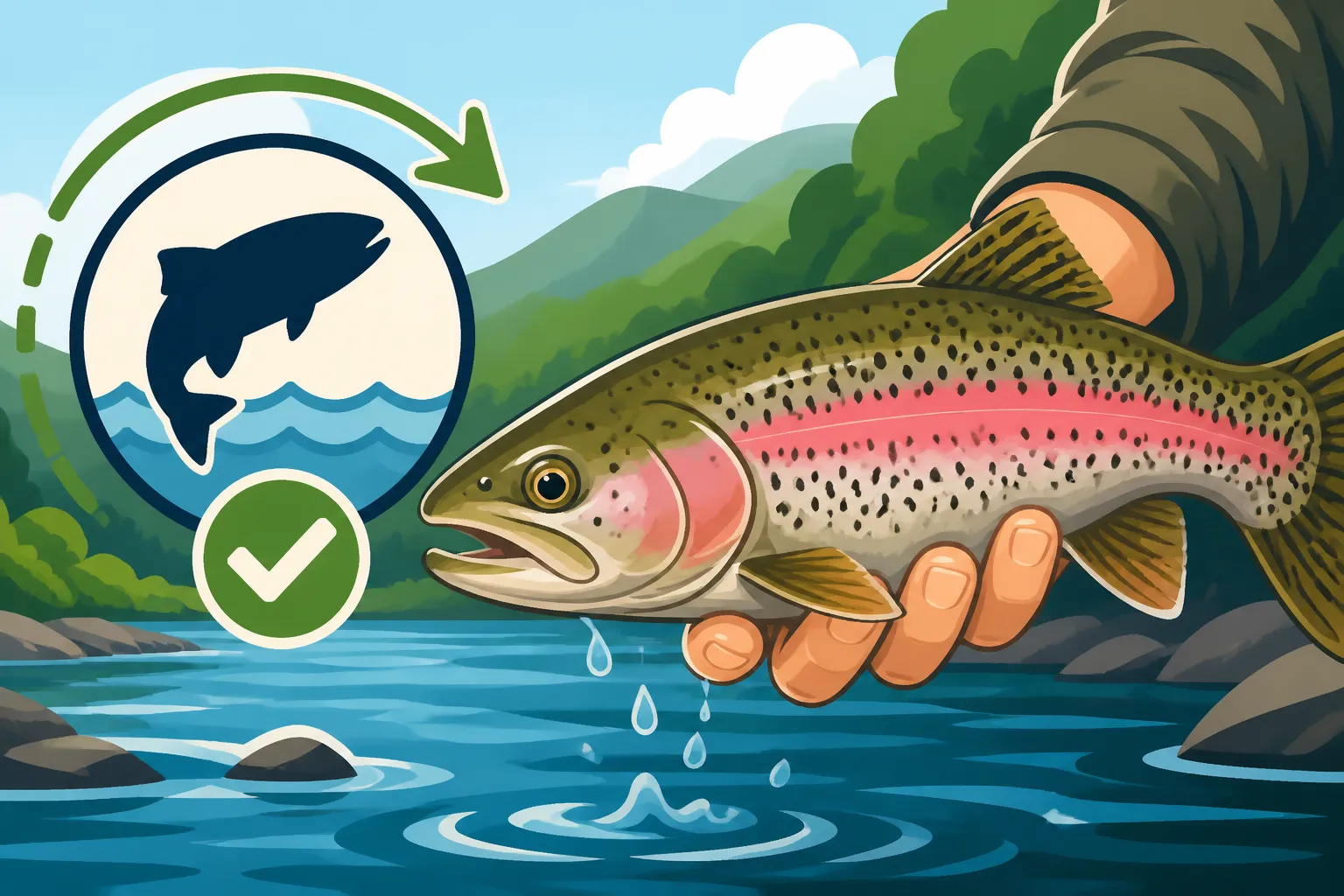
- Support the Fish: If you need to lift the fish for a quick photo (and ensure you’re doing so quickly and with wet hands), support its entire body horizontally. Never hold a fish vertically by the jaw or gills, as this can damage its internal organs and spine.
- Use Barbless Hooks: Consider using barbless hooks, or at least pinching down the barbs on your existing hooks. This makes unhooking much faster and causes less damage to the fish's mouth. Many anglers who fish the Norfork religiously use barbless hooks, often found on Amazon, as a standard practice.
- Unhook Gently: Use needle-nose pliers or a dedicated hook remover to quickly and carefully remove the hook. If the hook is deeply swallowed, it’s sometimes better to cut the line as close to the hook as possible rather than trying to rip it out.
- Resuscitate if Necessary: If a fish seems sluggish after being unhooked, hold it gently in the water, facing upstream, allowing water to flow over its gills. Move it back and forth slightly to help oxygenate its blood until it regains its strength and swims away on its own.
By following these techniques, you ensure that the trout you release has the best possible chance of survival, contributing to the health and vitality of the Norfork Tailwater fishery for years to come.
Common Mistakes and How to Avoid Them
Even seasoned anglers can sometimes make mistakes, especially when regulations change or when fishing in new waters. On a regulated tailwater like the Norfork, those mistakes can have real consequences for both you and the fish. Being aware of common pitfalls is the first step to avoiding them.
Misinterpreting the Rules
One of the most frequent mistakes anglers make on the Norfork Tailwater is a simple misinterpretation of the rules. For instance, some might confuse the Norfork's specific slot limits for rainbow trout with the more general statewide limits for other species or even other trout waters like the Bull Shoals Tailwater, which has its own distinct regulations (Bull Shoals Tailwater Trout Rules in Arkansas). There's also a common misconception that if you've purchased an Arkansas Fishing License Rules and Costs and perhaps even added a Resident Trout Permit Cost in Arkansas, you're automatically covered for any trout you catch. While those are essential, they don't exempt you from specific size or daily limits for certain areas.
The Norfork's daily limit of two rainbow trout, with the 14-21 inch slot, is very particular. It's easy to forget that only one of your two keepers can be over 21 inches. A classic scenario might involve an angler keeping a beautiful 12-inch rainbow, then catching a stunning 18-inch fish and mistakenly thinking they can keep it because it’s a "nice size." Suddenly, they're in violation. The best defense against misinterpretation is proactive education. Before every trip, especially to a regulated tailwater, take 5-10 minutes to review the latest AGFC fishing regulations online. You can even print out the relevant section or save it as a PDF on your phone for quick reference on the water. Never assume; always verify. Our article on Norfork Tailwater Trout Rules and Season also provides a great resource for quick reference.
Rushing the Measurement and Release
Another mistake, often driven by excitement or impatience, is rushing the measurement and release process. When you hook into a beautiful trout on the Norfork, the adrenaline can certainly make you want to hurry. However, this haste can lead to inaccurate measurements or, worse, improper handling that jeopardizes the fish's survival.
Imagine you've just landed a gorgeous rainbow. You're eager to see if it's a keeper, but it's flopping vigorously. In your haste, you might not properly bump its nose against the measuring board, or you might not fully extend its tail, leading you to believe it's outside the slot when it's actually within it. Or, in the rush to get it back into the water, you might forget to wet your hands, or you might hold it incorrectly, causing internal damage. The consequence could be releasing a fish that won't survive, or worse, keeping one that should have been released. This isn't just a rule violation; it's a disservice to the fish and the fishery.
To avoid this, cultivate a calm and deliberate approach. Have your measuring device easily accessible. Prioritize the fish's well-being above all else. If you're fishing with a partner, designate one person for unhooking and the other for measuring, or take turns. Make sure the fish is calm before you attempt to measure. Remember, a few extra seconds of careful handling means a much higher chance of survival, and a clearer conscience for you. It's about respecting the resource and playing by the rules that make this fishery so special.
Here's a quick overview of the Norfork Tailwater's specific rainbow trout regulations:
| Category | Regulation |
|---|---|
| Daily Creel Limit | 2 rainbow trout per angler per day |
| Protected Slot Limit | All rainbow trout between 14 and 21 inches must be immediately released. |
| Fish Under 14 Inches | Can be kept (up to the 2-fish daily limit). |
| Fish Over 21 Inches | Only one (1) fish of your two-fish daily limit can be 21 inches or longer. The other must be under 14 inches. |
| Brown Trout Limits | Generally 5 fish per day, no length limit. Always check current AGFC regulations for any specific exceptions. |
| Trout Permit Required? | Yes, in addition to a valid Arkansas fishing license, to keep any trout. |
Before embarking on any fishing trip in Arkansas, always make sure to obtain the proper licenses. You can learn more about this by reading our post, Do you need a trout permit to keep trout in Arkansas?.
Disclaimer
Fishing regulations are subject to change. Always consult the latest official Arkansas Game and Fish Commission (AGFC) regulations before heading out on the water. This guide is for informational purposes only and does not supersede official legal documents.