Best Time to Catch Trophy Trout on the White River in Arkansas
Chasing a trophy trout on Arkansas's White River isn't just a fishing trip; it's often a quest, a battle of wits against some of the smartest, biggest fish around. Many anglers arrive with high hopes, only to find that landing a true lunker requires more than just casting a line. This guide is here to cut through the guesswork, helping you understand the rhythms of the river and pinpoint the absolute best times and tactics to finally hook that monster trout you've been dreaming of.
Understanding the White River's Unique Ecosystem for Trophy Trout
The White River in Arkansas isn't just any river; it's a world-renowned cold-water fishery, primarily famous for its incredible trout population. What makes it so special, especially for growing massive trout, is a combination of factors, largely stemming from its unique origin as a tailwater fishery below a major dam.
The Influence of Dam Releases from Bull Shoals
The lifeblood of the White River's trout fishery flows directly from the bottom of Bull Shoals Dam. This isn't your typical freestone river influenced solely by rainfall and natural springs. Instead, the river's character — its flow, temperature, and even its food sources — are profoundly shaped by the U.S. Army Corps of Engineers' generation schedules. When the turbines are spinning at Bull Shoals, massive amounts of cold, oxygen-rich water are released, creating prime habitat for trout.
These dam releases are a double-edged sword for anglers. On one hand, consistent generation flushes nutrients, dislodges insects, and oxygenates the water, activating feeding behaviors in trout. On the other hand, high water can make fishing from the bank nearly impossible and navigating tricky for boaters. Understanding the Bull Shoals Arkansas Tailwater Daily Trout Limit and general flow patterns is critical, as these dictate both fish behavior and angler access. The sheer volume of water released can create powerful currents, moving everything from tiny aquatic insects to larger baitfish, all of which become targets for hungry, opportunistic trophy trout.
Anglers often monitor the generation schedule meticulously, as it directly impacts where and how fish position themselves. Low water periods might mean fish are concentrated in deeper pools or under cover, making them more accessible to wade anglers. High water, conversely, pushes fish towards the banks and into slack water eddies, often making them more aggressive as they gorge on dislodged prey. This constant flux means that what works one day might not the next, making local knowledge and adaptability incredibly valuable.
Temperature and Oxygen Levels
Trout, especially larger, older trophy fish, are highly sensitive to water temperature and oxygen levels. The water released from the bottom of Bull Shoals Lake is consistently cold, typically in the 50s Fahrenheit, which is absolutely ideal for rainbow and brown trout to thrive. This consistent cold water throughout the year prevents the "thermal stress" that limits trout growth in many other parts of the country.
The dams act as giant refrigerators, ensuring that even during the sweltering Arkansas summers, the White River remains a cold-water haven. This allows trout to maintain high metabolic rates and feed aggressively, growing to impressive sizes. Ample dissolved oxygen, constantly replenished by the swift currents and dam releases, further fuels their health and vitality. It's this perfect combination of cool temperatures and high oxygen that allows the White River to produce some truly monstrous brown trout, often discussed in terms of their Trophy Brown Trout Records on the White River.
However, even subtle changes in temperature or oxygen can influence a trophy trout's willingness to bite. Extreme cold fronts can make them lethargic, while slightly warmer, stable periods might spur a feeding frenzy. Anglers who pay attention to these environmental nuances, often carrying a water thermometer, gain a significant advantage in predicting when and where a big fish might be lurking. The consistent, cold conditions mean that unlike many fisheries where trout fishing shuts down in summer, the White River offers year-round opportunities for those seeking large fish.
Prime Seasons for Targeting Large Trout
While you can catch trout on the White River any time of year, certain seasons offer a distinct advantage for those specifically targeting the truly massive, record-book-worthy fish. It's not just about more fish, but about the behaviors of the largest, most elusive trout.
Fall: The Season of Spawning Aggression
Without a doubt, fall is heralded by many seasoned White River guides as the absolute best time to catch trophy brown trout. This isn't just anecdotal; it's rooted in biology. Brown trout begin their spawning migration in the fall, typically from late October through November and into early December. During this period, the biggest fish become incredibly aggressive, territorial, and less wary than usual.
As the water temperatures gradually drop and days shorten, the mature brown trout, especially the males, develop vibrant spawning colors and become highly protective of their redds (spawning beds). They will readily strike at anything perceived as a threat to their territory or a potential food source that could fuel their strenuous spawning efforts. This aggressive behavior makes them more susceptible to larger lures, flies, and bait, which might be ignored during other times of the year. It's a prime window for anglers looking for the kind of battles that make for legendary stories.
Many anglers specifically target these pre-spawn and spawning browns using larger streamer patterns, big jerkbaits, or even substantial live baits like sculpins or shiners. The key is to present something that either irritates them into striking or looks like a substantial meal they can't pass up. Remember, during this sensitive time, responsible catch and release practices are paramount to ensure the health of the fishery. Catching a large, actively spawning fish should always be followed by a quick, careful release to protect the future generations of trophy trout.
Winter: Consistent Flows and Hungry Fish
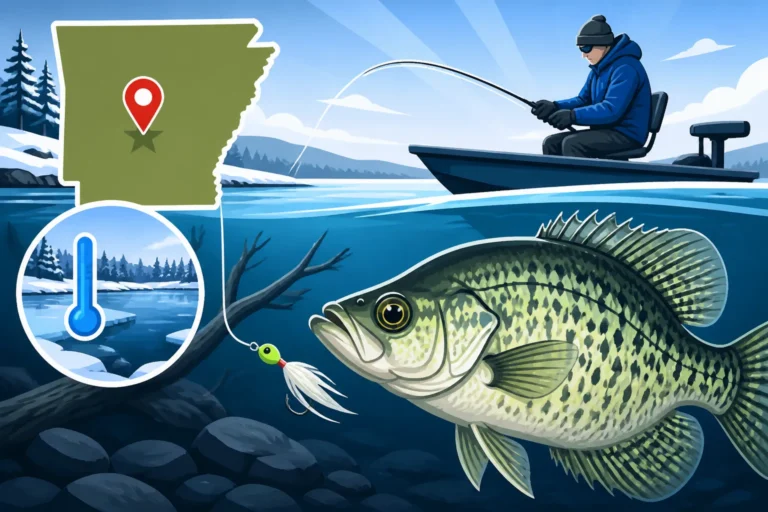
While fall grabs the headlines for spawning browns, the winter months, from December through February, offer a consistently productive period for trophy trout, especially if you can brave the cold. The river typically experiences more stable, often lower, generation schedules compared to the spring and summer, which can make for more predictable fishing conditions.
The cold water in winter means trout metabolism slows slightly, but they still need to feed to maintain their energy reserves. With less insect activity on the surface, larger trout often key in on baitfish, sculpins, or larger nymph patterns that represent substantial meals. This is when deep-water presentations, often using heavy jigs or bottom-bouncing rigs with live or artificial baits, can be incredibly effective. Fish tend to hold in deeper pools, current seams, and around structure, conserving energy while still being opportunistic feeders.
Furthermore, winter sees fewer recreational boaters and anglers on the river, meaning less pressure on the fish. This reduction in traffic can make the larger, more cautious trout a bit more relaxed and willing to move and feed. While it might require bundling up and dealing with frosty mornings, the reward can be a truly spectacular catch. Consider checking out Winter Trout Fishing on the Norfork Tailwater in Arkansas for similar cold-weather strategies that apply to the White River.
Early Spring: Post-Spawn Recovery and Opportunity
As winter gives way to early spring (March and early April), another excellent window opens for trophy trout. The brown trout are now recovering from their arduous spawning season and are often ravenous as they seek to rebuild their strength. This post-spawn hunger can make them quite aggressive and willing to chase down a variety of offerings.
During this period, water temperatures slowly begin to rise, triggering increased insect hatches and baitfish activity. Trout will often move into shallower runs and feeding lanes, becoming more active. This is a great time to experiment with a wider array of techniques, from large streamer patterns mimicking recovering baitfish to nymphing rigs that imitate emerging insects. The fish are looking for easy meals, and a well-presented offering can be irresistible.
However, spring also brings with it increased chances of heavy rains and fluctuating water levels, which can make fishing more challenging. Always check river conditions and generation schedules before heading out. Despite this, the combination of recovering, hungry trout and increasing insect activity makes early spring a very promising time to hook into a memorable White River trophy.
Key Factors Beyond Season to Consider
While knowing the best seasons is a fantastic start, successful trophy trout hunting on the White River requires a deeper understanding of daily and even hourly variables. It's about being in the right place at the right time with the right presentation.
Water Levels and Generation Schedules
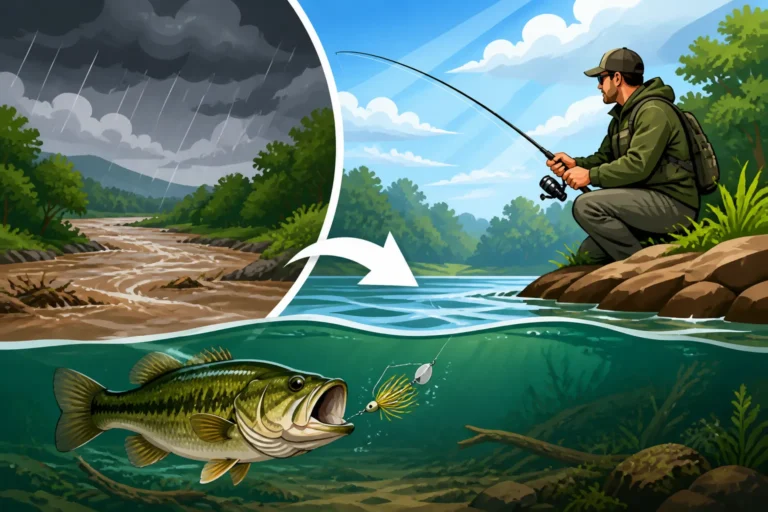
As we touched on earlier, the White River's character is heavily influenced by the Corps of Engineers. The generation schedule at Bull Shoals Dam directly impacts water flow and depth, which in turn dictates where and how trophy trout will position themselves. A sudden increase in generation can dislodge food and stir up activity, but also make certain areas unfishable. Conversely, a sustained period of low water can concentrate fish in deeper holes, making them easier to target, especially for wade anglers.
Savvy anglers always check the generation schedule before heading out. Websites like the Southwestern Power Administration (SWPA) or the Corps of Engineers often provide projected schedules. Knowing whether the water will be high, low, or fluctuating allows you to plan your day, choose appropriate access points, and select the right techniques. For instance, high water might call for fishing close to the banks with heavy jigs or large streamers, while low water could be ideal for precise nymphing in deeper runs or targeting fish holding tight to submerged cover. Understanding the Arkansas Fishing Rules for Lakes, Rivers and Tailwaters will also include details about navigating these conditions safely and effectively.
Many of the largest trout hold in very specific current seams or behind prominent structure, positions that change dramatically with varying water levels. Learning to read the water under different flow conditions is a skill that separates successful trophy hunters from those who simply cast and hope.
Best Times of Day for Trophy Hunting
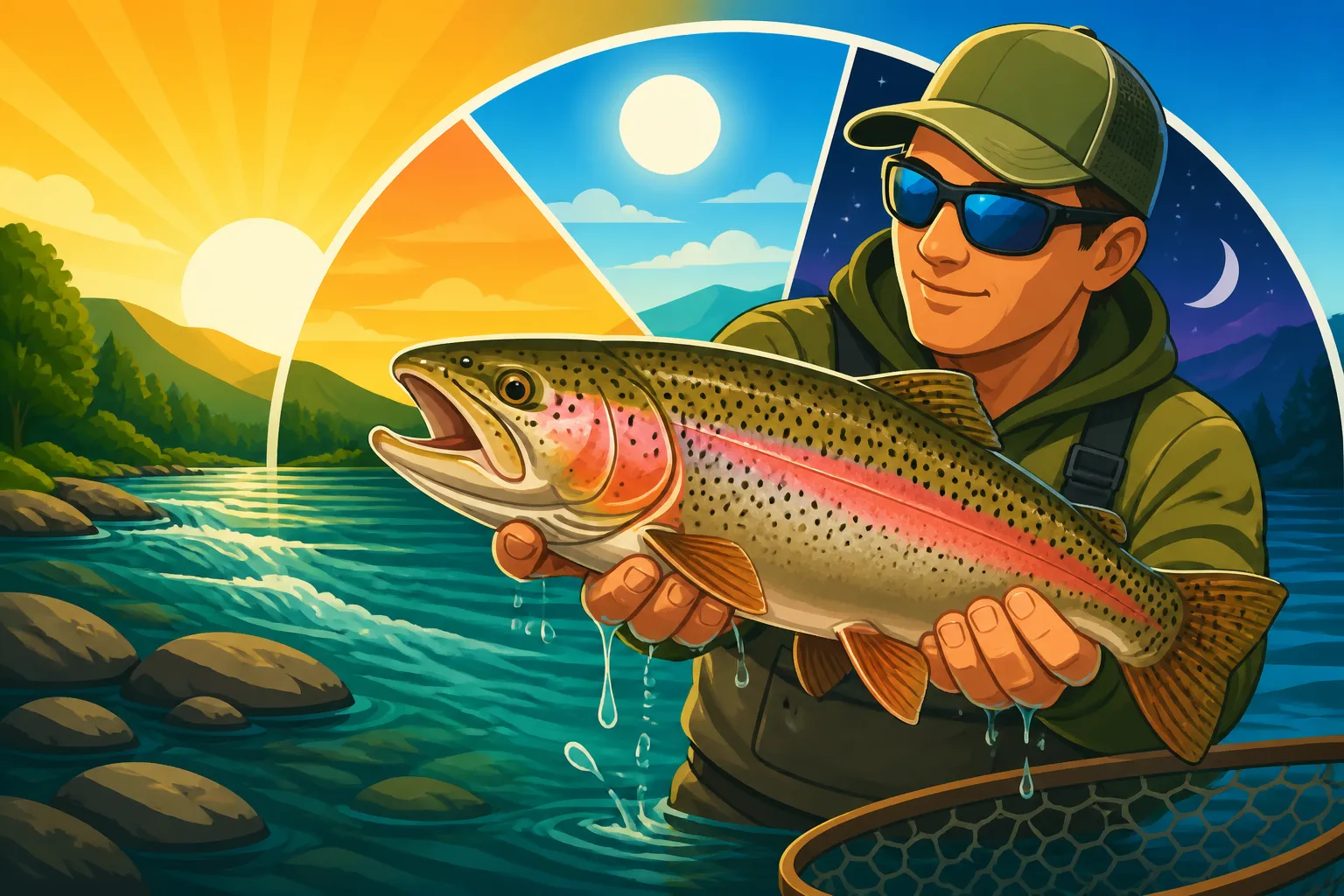
Beyond the season, the time of day plays a critical role in catching big trout. While trout can feed at any hour, certain periods offer peak opportunities, especially for the most cautious and largest fish. Low light conditions are almost universally favored by trophy trout.
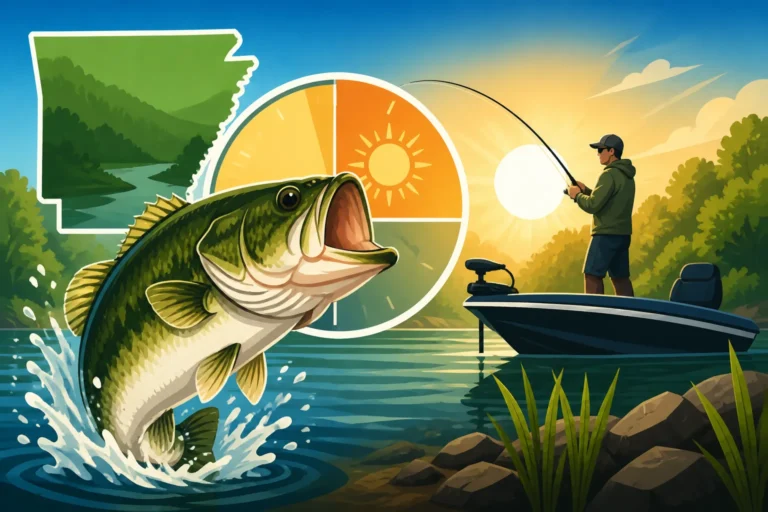
Dawn and dusk are often prime times. In the early morning, the cooler temperatures and fading darkness offer a sense of security for larger fish to move into shallower water to feed, especially on emerging insects or cruising baitfish. Similarly, as the sun dips in the evening, the light fades, and the river cools, bringing with it another surge of feeding activity. During these periods, you might find trophy trout more willing to chase topwater patterns or aggressively hit larger subsurface offerings.
Midday, especially on bright, sunny days, can be slower as large trout retreat to deeper, darker water or seek dense overhead cover. However, even during these slower periods, a well-placed jig or heavy nymph fished precisely in deep holes or beneath shaded banks can still entice a bite. Overcast days or periods preceding a cold front can often extend these prime feeding windows, as the reduced light penetration encourages fish to remain active for longer. Some anglers swear by fishing around moon phases, believing that full and new moons influence fish activity, though this is often debated.
Essential Gear and Bait for Big Fish
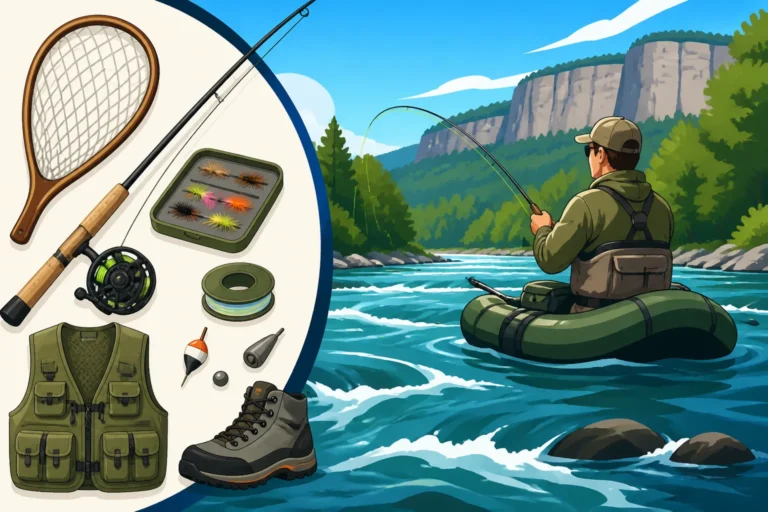
You can't expect to consistently land trophy trout with ultralight gear designed for panfish. Targeting the giants of the White River requires robust equipment capable of handling powerful runs and strong currents. A medium-heavy spinning rod or a fast-action fly rod (7-8 weight) is a good starting point, paired with a reliable reel spooled with stout line, often 8-12 lb test monofilament or fluorocarbon, or heavier fly leader/tippet.
When it comes to lures and flies, think big. For spin fishing, popular choices include larger Rapala jerkbaits, hefty spoons like the Kastmaster or Little Cleo, and heavy jigs tipped with soft plastics or live bait. Brands like Amazon offer a vast selection of these proven baits, making it easy to stock up. Live bait anglers often favor larger shiners, sculpins, or even crawfish, fished on weighted rigs to get them down to where the big fish hide. Don't forget to look for quality terminal tackle on Amazon to avoid break-offs when that lunker strikes.
Fly anglers targeting trophy browns often rely on large streamer patterns like Drifters, Sex Dungeons, or articulated patterns that imitate baitfish or crawfish. These flies are often 3-5 inches long or more and are designed to provoke an aggressive strike. Having a good selection of these larger patterns, easily found on Amazon, is crucial. Regardless of your preferred method, always have a strong, sharp net handy to safely land and release these valuable fish. Investing in quality gear for How much does a full year of fishing cost a resident angler targeting big fish is a smart move.
Strategies for Success on the White River
Catching a trophy trout isn't just about showing up with the right gear; it's about adopting a mindset and a set of strategies that increase your odds dramatically. It requires observation, patience, and a deep respect for the river and its inhabitants.
Reading the Water for Hidden Giants
The White River is a complex system, and trophy trout don't just hang out anywhere. They choose prime lies that offer a combination of food, cover, and a manageable current. Learning to "read the water" is perhaps the most important skill you can develop. Look for obvious structure like fallen trees, rock piles, or undercut banks. These provide ambush points and protection from predators.
Pay close attention to current seams – where fast water meets slow water. Baitfish and insects often get funneled along these seams, creating a buffet for large trout. Deep pools and eddies below rapids are also classic holding spots for big fish. Don't overlook the subtle changes in water color or surface disturbance that might indicate a fish moving or feeding. Sometimes, the largest fish hold in surprisingly shallow water, especially under low light or heavy cover.
Another crucial aspect of reading the water is understanding how the dam generation affects fish behavior and location. High water pushes fish to the banks and into slower eddies, while low water makes them concentrate in deeper channels and pools. Adapt your approach based on these conditions. A good pair of polarized sunglasses, available from retailers like Amazon, is an invaluable tool for peering into the water and spotting subtle changes in depth or structure. This allows you to place your casts more accurately and avoid spooking fish.
Patience and Persistence Pay Off
Trophy trout are not caught every day, and they certainly aren't caught easily. They are old, wary, and wise, having survived countless angling attempts and natural predators. This means that patience and persistence are absolutely non-negotiable virtues for the trophy hunter. You might spend hours, or even days, without a single bite from a truly large fish. This is part of the challenge and the allure.
Don't get discouraged by slow periods. Instead, use that time to observe, adjust your presentation, or move to a new spot. Sometimes, it's the 100th cast to the exact same spot that finally elicits a strike from a monster trout. Persistence also means trying different depths, different retrieves, and even different baits or flies until you find what triggers a bite.
Many local guides on the White River will tell you stories of anglers who gave up just before the bite turned on, or who didn't try that one last retrieve that brought a giant to the net. The reward of finally hooking into a truly massive brown trout after hours of effort makes every moment of patience worth it. This dedication is often seen in anglers who participate in Tournament Angler License Rules in Arkansas, where every cast counts.
Catch and Release for Future Trophies
Given the unique ecosystem of the White River and the incredible value of its trophy trout population, responsible catch and release practices are paramount. These large fish are often the breeding stock for future generations and contribute significantly to the river's reputation as a world-class fishery. When you finally hook into that dream fish, the real work begins to ensure its safe return to the water.
Minimize fight time by using appropriate tackle that can land the fish relatively quickly without totally exhausting it. Once landed, keep the fish in the water as much as possible. If you must remove it for a quick photo, wet your hands thoroughly beforehand to protect its slime coat, which is vital for disease resistance. Support the fish horizontally, never vertically by the jaw.
Use barbless hooks, or pinch down barbs on your hooks, to make removal easier and less damaging. Have a pair of pliers or forceps ready to quickly extract the hook. If the fish is bleeding excessively or deeply hooked, it may be best to simply cut the line as close to the hook as possible. Revive the fish gently in the current, supporting it until it can swim away strongly on its own. Practicing these techniques ensures that the Best Time to Fish the White River in Arkansas for Trout remains consistent for generations to come.
Remember, the White River is a precious resource. By practicing careful catch and release, especially for trophy-sized fish, we help maintain its health and ensure that the opportunity to chase those giants exists for every angler who dreams of it.
Disclaimer
The information provided in this guide is for general informational purposes only and does not constitute professional advice. Fishing regulations, conditions, and best practices can change rapidly. Always consult the latest regulations from the Arkansas Game and Fish Commission before fishing, and exercise caution and good judgment when on the water. Fishing can be dangerous; participate at your own risk.