Best Time to Catch Crappie in Arkansas
It can be incredibly frustrating to head out on the water, full of hope, only to spend hours casting without a single bite, especially when you’re targeting a delicious panfish like crappie. You want to know when your chances are highest, when the fish are most active, and what conditions truly make for a stellar day on the water. This comprehensive guide is here to unravel the mystery of crappie behavior throughout the year in Arkansas, helping you pinpoint the absolute best times to catch crappie and make your next fishing trip a roaring success.
The Annual Crappie Spawn: The Absolute Sweet Spot
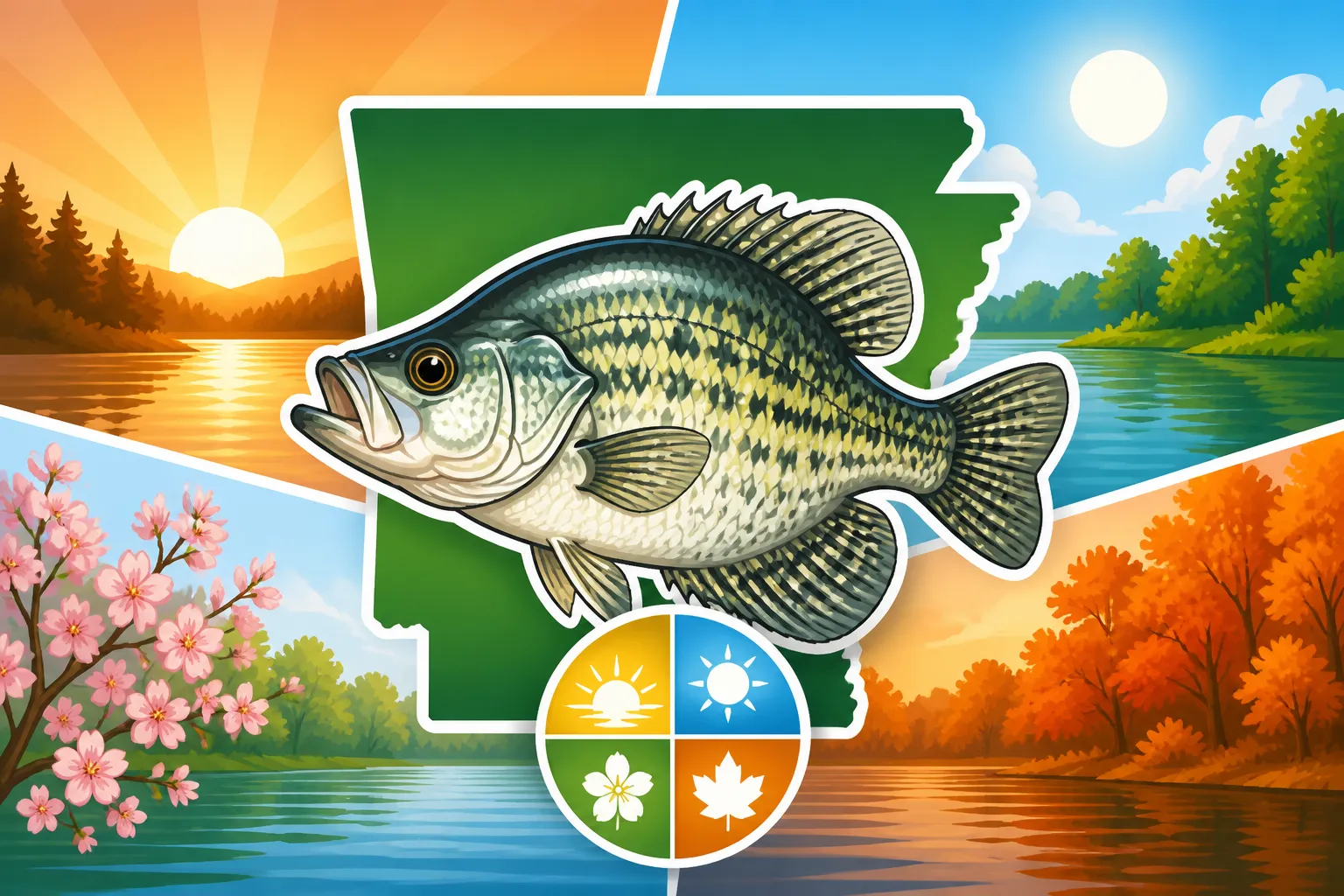
When anglers talk about the "best time" to catch crappie, they're almost always referring to the spring spawn. This period is driven by a fundamental biological imperative: reproduction. Crappie move en masse from deeper, open water into the shallows to lay and fertilize their eggs, making them incredibly accessible and aggressive. If you can only pick one time of year to chase crappie in Arkansas, this is it, hands down.
Timing Your Trip with Water Temperature Cues
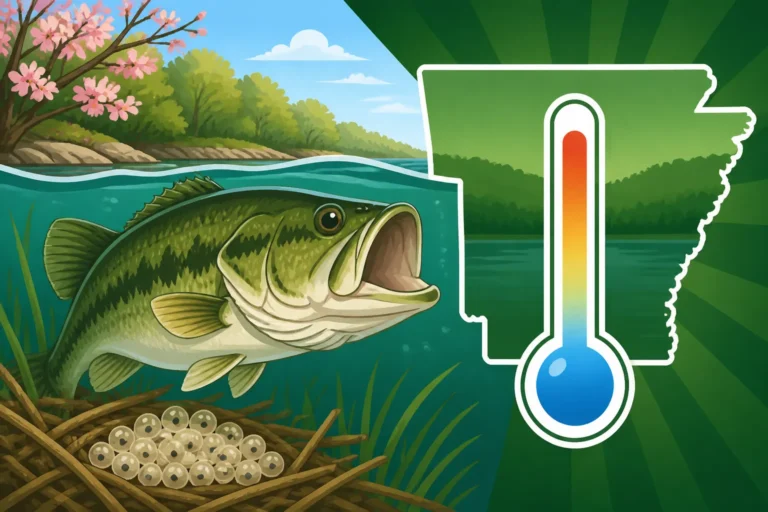
The precise timing of the crappie spawn isn't dictated by the calendar but by the water temperature. Generally, in Arkansas, this magical window typically opens in late March and can run all the way through May, depending on how quickly the spring warmth settles in. Crappie begin to stage for the spawn when water temperatures consistently reach the upper 50s Fahrenheit, often between 58 and 62 degrees. This is when they really start moving shallow, actively feeding as they prepare to bed.
During the peak of the spawn, when water temperatures hit that sweet spot of 60-68 degrees, male crappie are fiercely guarding nests, and females are moving in to lay eggs. They become less wary and more focused on their reproductive duties, which means they’re more likely to strike anything that comes near their beds. Keep an eye on local water temperature reports or invest in a good fish finder with a temperature gauge. These devices can be easily found on platforms like Amazon and are invaluable tools for real-time intel. Understanding the Arkansas Crappie Spring Spawn Pattern is crucial for maximizing your success during this prime season.
Locating Crappie in Shallow Cover
During the spawn, crappie are highly predictable in their location. They'll seek out shallow, protected areas with plenty of cover where they can create their nests. Think about places like submerged brush piles, fallen trees, lily pad fields, cypress knees, and even man-made structures like dock pilings and bridge abutments. These spots offer both protection for their eggs and easy access to insect larvae and small baitfish, which are crucial food sources.
When you're out there, look for water depths ranging from just a few inches to about six feet, though this can vary slightly based on the lake's clarity and structure. In clearer waters, they might bed a little deeper to feel more secure, while in murkier lakes, they'll often be right up against the bank. A quiet approach is key; use a trolling motor or paddle in, and make long casts to avoid spooking these shallow residents. Knowing Crappie Fishing Tips for Arkansas Timber Lakes can be particularly useful during this time, as many of these lakes offer abundant woody cover.
Seasonal Crappie Tactics Beyond the Spring Frenzy
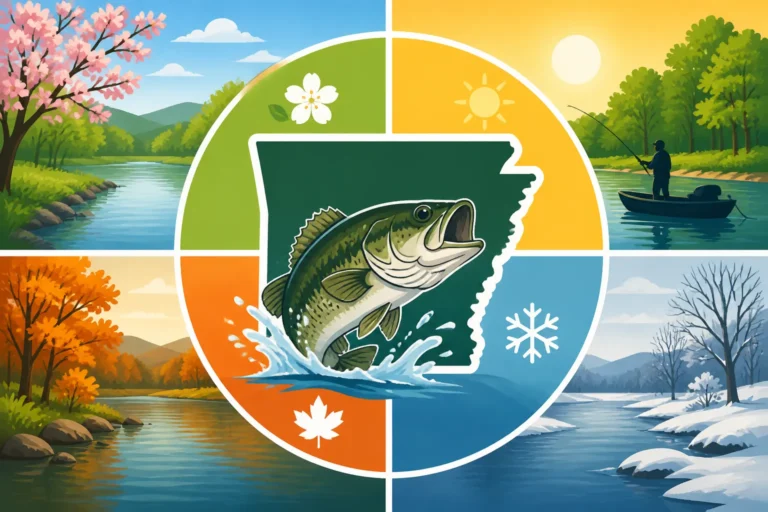
While the spring spawn is undeniably fantastic, it's not the only time you can catch crappie in Arkansas. Smart anglers know that crappie are catchable year-round; you just have to adapt your tactics and understand their seasonal movements. Each season presents its own unique challenges and opportunities, but with the right approach, you can fill your cooler any time.
Summer: Deeper Waters and Nighttime Action
Once the spawn is over and the water heats up, crappie transition back to deeper, cooler waters where oxygen levels are more stable and food is abundant. During the scorching Arkansas summer, you'll often find them suspended over brush piles, submerged creek channels, or around deep timber at depths of 10 to 25 feet, sometimes even deeper. They’ll congregate around these structures, especially those near drop-offs or humps, looking for cooler temperatures and ambush points for baitfish.
Summer crappie fishing often calls for vertical jigging or slow trolling with jigs or live minnows. Look for schools of baitfish on your sonar, and you’ll likely find crappie nearby. One incredibly effective summer strategy is night fishing. As the sun sets, the water surface cools, and baitfish often move shallower, drawing crappie up with them. Using submersible fishing lights can attract plankton, which draws baitfish, and in turn, brings in the crappie. Many anglers swear by a good LED submersible light for night fishing, which you can easily find on Amazon. If you're struggling, learning How to Find Crappie in Deep Water is a skill that pays dividends.
Fall: The Pre-Winter Feeding Frenzy
As temperatures begin to drop in late September and October, crappie once again become very active feeders, much like bass. This "fall bite" is fantastic because crappie are bulking up for the leaner winter months. They start moving out of the deepest summer haunts and often position themselves along creek channels, points, and around brush piles at intermediate depths, typically 8 to 15 feet. They're still structure-oriented but might be more willing to roam a bit as they actively pursue schools of shad.
During the fall, slow trolling spider rigs with multiple rods, each rigged with a small jig or minnow, can be incredibly effective. This allows you to cover a lot of water and present baits at different depths until you find where the crappie are holding. Casting small crankbaits or bladed jigs can also provoke aggressive strikes from these hungry fish. The key is to mimic the shad and other baitfish they are gorging on.
Winter: Slow and Deep
Winter fishing for crappie in Arkansas can be a challenge, but it's far from impossible, especially if we have a mild winter. When water temperatures dip below 50 degrees, crappie become much more lethargic. Their metabolism slows down, and they require less food, but they still need to eat. You'll generally find them concentrated in deep water, often in major creek channels, river bends, or around the deepest submerged timber and brush piles. They tend to school tightly during this time, so if you find one, you're likely to find many.
The most effective winter technique is often slow, precise vertical jigging. Tiny jigs (1/32 to 1/16 ounce) tipped with a small plastic grub or a live minnow are irresistible to sluggish crappie. You'll need sensitive gear to detect their often subtle bites. Work your lure slowly, keeping it directly above or in the middle of a crappie school you've marked on your electronics. Patience is a virtue in winter crappie fishing, but the reward of a fresh crappie fillet on a cold day is worth it. Learning How to Catch Crappie in Cold Water is a specialized skill that can extend your fishing season.
Daily Rhythms, Weather Influence, and Key Locations
Beyond the seasons, the daily conditions and the specific water body you're fishing can dramatically influence your crappie success. Understanding these factors will help you make more informed decisions about when and where to drop your line.
Best Times of Day and Weather Impact
Just like many other fish species, crappie often exhibit peak feeding times during low-light conditions. Dawn and dusk are prime times, regardless of the season, as the reduced light makes them feel safer to feed and their prey is often more active. Overcast days can extend these "golden hours" throughout the entire day, as the clouds diffuse the sunlight, mimicking low-light conditions.
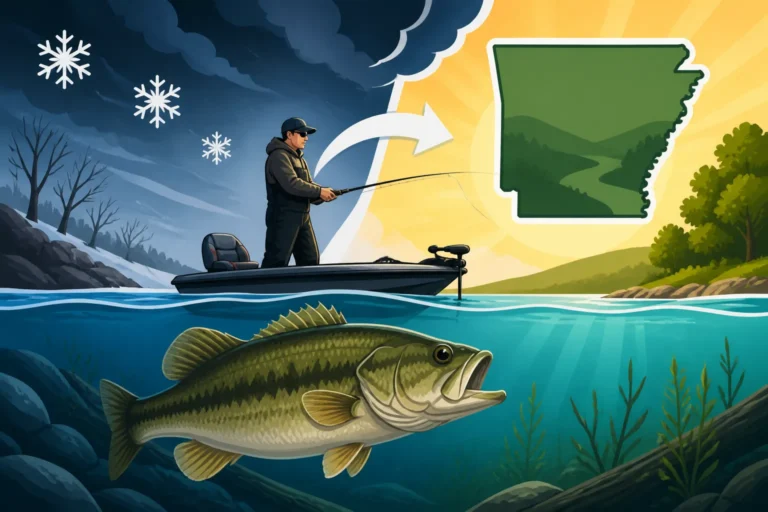
However, weather fronts can significantly affect crappie behavior. A stable period of warm, cloudy weather before a cold front moves in can spark an incredible bite as crappie feed aggressively. Conversely, immediately after a harsh cold front, crappie often shut down, becoming less active and harder to catch. They tend to move deeper and become more tightly schooled. Barometric pressure changes play a big role here, so keeping an eye on the forecast is as important as checking your tackle box.
General Lake Characteristics and Specific Hotspots
While crappie are found in almost all major lakes and rivers in Arkansas, some bodies of water consistently produce better results due to their habitat, forage base, and management. Reservoirs with abundant standing timber, submerged brush piles, and clear-to-moderately stained water are usually crappie havens. Rivers with oxbow lakes or slow-moving backwaters also tend to hold good populations.
For instance, lakes like Lake Ouachita, DeGray Lake, and Lake Conway are renowned crappie fisheries. Each lake has its own nuances, from water clarity to prevalent forage. For a deep dive into specific locations, you might want to explore resources like Best Crappie Lakes in Arkansas or even hyper-specific guides like Where to Catch Crappie on Lake Ouachita. Furthermore, always remember that rules can vary by location. While Statewide crappie daily limit is 20 fish in most Arkansas waters, specific regulations like Lake Monticello Crappie Limit Drops to 15 fish per day exist, so it's vital to check the local guide for the lake you plan to fish.
| Season | Typical Water Temperature | Crappie Location | Best Daily Times | Recommended Baits/Lures |
|---|---|---|---|---|
| Spring (Spawn) | 58-68°F (14-20°C) | Shallow cover (0-6 ft) | All day, especially morning/evening | Small jigs, minnows, small crankbaits |
| Summer | 75°F+ (24°C+) | Deep brush, channels (10-25 ft) | Early morning, late evening, night | Live minnows, deep jigs, spoons |
| Fall | 55-65°F (13-18°C) | Mid-depth structures (8-15 ft) | All day, especially afternoon | Jigs, minnows, small crankbaits, spider rigs |
| Winter | Below 50°F (10°C) | Deep channels, timber (20-40+ ft) | Mid-day (when warmest) | Tiny jigs, live minnows (slow presentation) |
Essential Gear and Techniques for Boosting Your Crappie Haul
Even knowing the "best time" isn't enough; you also need the right tools and techniques to capitalize on those opportunities. Crappie fishing isn't usually about heavy gear; it's about finesse, presentation, and sometimes, covering a lot of water.
Rods, Reels, and Line: The Finesse Setup
For crappie, a light to ultralight spinning rod, typically 6 to 7 feet long, with a fast action tip, is ideal. This setup provides the sensitivity needed to detect those subtle crappie bites and enough backbone to handle a good-sized slab. Pair it with a small spinning reel (size 1000 or 2000) spooled with 4 to 6-pound monofilament or fluorocarbon line. Braided line in a similar strength can also be used, especially if you're fishing heavy cover, but you might want to add a fluorocarbon leader for stealth. Quality rods and reels designed for crappie fishing are readily available through retailers like Amazon and local tackle shops.
Having multiple rod setups can be beneficial. Some anglers prefer a longer, softer rod for casting jigs, while others use short, stout "dock shooting" rods for getting baits into tight spaces under docks. For techniques like spider rigging, dedicated crappie rods with varying lengths (8-14 feet) are often used to spread out baits.
Baits and Lures: What Crappie Crave
Crappie are not overly picky, but certain baits and lures are consistently effective. Live minnows are, without a doubt, a crappie killer, especially when fished under a bobber or on a tight line. Small jigs (1/32 to 1/8 ounce) with plastic bodies are another staple. The plastic body can be anything from a tiny tube jig to a paddle tail grub or a curly tail grub. The color can make a huge difference, so having a variety is key. Chartreuse, white, black/chartreuse, and various shad patterns are often top producers. Knowing What Colors Work Best for Crappie Jigs in Arkansas can give you a significant edge.
Beyond jigs and minnows, small spinnerbaits, tiny crankbaits, and even beetle spins can be very effective, particularly when crappie are aggressive during the spawn or fall feeding frenzy. Always remember the minimum length; Crappie must be 9 inches or longer to keep in Arkansas in most waters, so be prepared to release smaller fish.
Mastering Presentation: Jigs, Live Bait, and Trolling
The way you present your bait is often more important than the bait itself. For jigs, a slow, steady retrieve with occasional pauses or gentle lifts is often best. When crappie are active, they might chase a faster retrieve, but more often, they prefer a subtle, enticing action. If you're new to jigging, learning How to Rig a Jig for Crappie Fishing properly is fundamental.
For live minnows, fishing them under a slip bobber allows you to set your depth precisely and keep the bait in the strike zone. This is particularly effective when fishing around brush piles or suspended crappie. Trolling (slowly moving your boat while dragging baits behind you) is another popular method, especially with multiple rods, to cover large areas and find active schools. This is often done using spider rigs or by slow-trolling single jigs. Finally, don't forget the power of live bait. Sometimes, nothing beats the real thing, and understanding the nuances of Best Live Bait for Crappie Fishing can significantly increase your catch rate.
Ultimately, the best time to catch crappie in Arkansas is when you're out there, adapting to the conditions, and enjoying the pursuit. While the spring spawn offers a nearly guaranteed good time, year-round crappie fishing is entirely possible with the right knowledge and techniques.
Disclaimer
Fishing regulations, including license requirements, size limits, and daily creel limits, can change. Always consult the latest Arkansas Game and Fish Commission (AGFC) regulations before heading out on the water. This guide is for informational purposes only and does not constitute legal advice or an official endorsement of any particular fishing method or product.