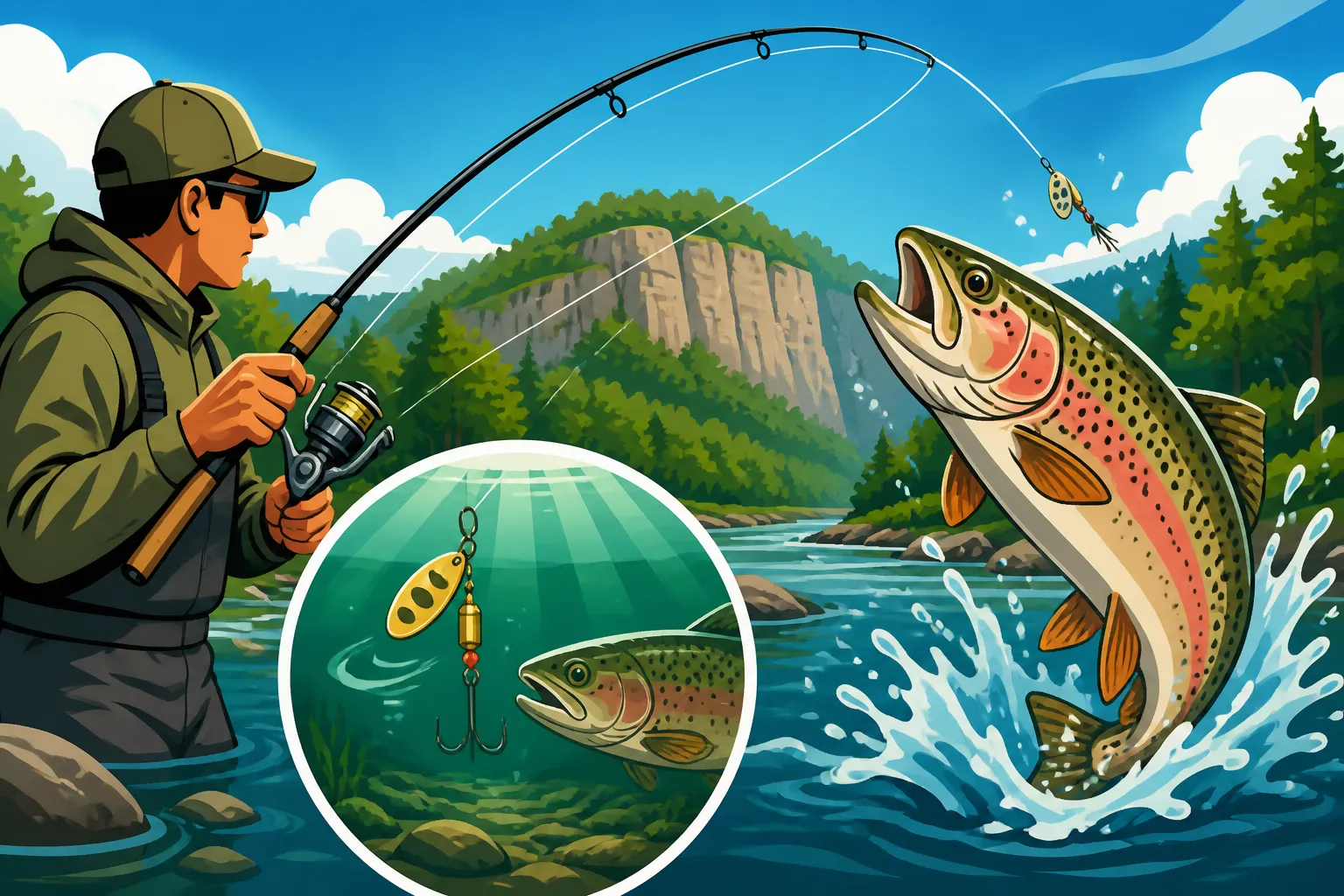
Spin Fishing Techniques for Trout
Feeling overwhelmed by the highly technical world of fly fishing, or just looking for a more accessible way to reel in some of Arkansas's magnificent trout? Many anglers, especially those new to the sport or visiting our beautiful state, find themselves hesitant to dive into trout fishing because it often seems dominated by complex fly-fishing techniques. This guide is here to tell you that spin fishing is not only a perfectly viable and incredibly effective method for catching trout across Arkansas's diverse waters, but it also offers a fantastic blend of simplicity and excitement.
Why Spin Fishing for Trout in Arkansas is a Game Changer
Spin fishing for trout in Arkansas offers a uniquely rewarding experience, blending simplicity with genuine effectiveness. It's often seen as the more approachable cousin to fly fishing, and for good reason. You don't need years of practice to master an overhead cast or dozens of specialized flies to find success. For many, it's the perfect entry point into the rich world of trout fishing that our state provides, opening up opportunities on legendary rivers like the White and Norfork without the steep learning curve.
The Accessibility Advantage for All Anglers
One of the biggest hurdles for anyone new to trout fishing, or even experienced anglers transitioning from other species, is the perceived complexity. Fly fishing, while beautiful and highly effective, can be intimidating. The gear is specialized, the casting techniques are intricate, and knowing which fly to use can feel like deciphering a secret code. This is where spin fishing truly shines. It leverages equipment that most anglers already own or can easily acquire, and the casting motion is intuitive. It means families can easily participate, beginners can start catching fish almost immediately, and even seasoned pros can enjoy a different, often more relaxing, approach to trout. It democratizes the experience, making the joy of a bending rod and a strong trout on the line accessible to everyone.
The learning curve is significantly flatter with spin fishing, which means less frustration and more time enjoying the stunning scenery and the thrill of the catch. You're not spending hours untangling elaborate fly lines or struggling with delicate presentations. Instead, you're focused on identifying likely holding water, making accurate casts, and feeling for that subtle bite. This immediate gratification often sparks a lifelong passion for trout fishing, serving as a gateway to exploring different techniques later on if desired. It’s also incredibly practical for targeting trout in a variety of water conditions, from fast-moving tailwaters to calmer pools, often outperforming fly gear in certain situations like high or murky water.
Effectiveness Across Diverse Arkansas Trout Waters
Arkansas boasts some truly world-class trout fisheries, primarily concentrated in its cold, clear tailwaters below massive dams. These include the famed White River, the Norfork River, and the Little Missouri River. While each river has its unique character and challenges, spin fishing proves remarkably effective across all of them. Whether you're targeting the robust rainbow trout that populate these waters in abundance or hoping to entice a trophy brown trout, spin gear offers versatile presentation options that can mimic natural prey or provoke an aggressive strike.
The key to its effectiveness lies in the ability to cast a wide range of lures and baits with precision and cover a lot of water efficiently. From small inline spinners dancing through riffles to bottom-bouncing PowerBait in deep pools, spin fishing allows you to adapt quickly to what the trout are feeding on or where they are holding. On high-generation days on the White River, for example, a heavier spoon or crankbait can be precisely delivered to deep pockets, something that can be challenging with lighter fly tackle. This adaptability makes spin fishing not just an easy alternative, but a genuinely powerful tool for any angler seeking success on Arkansas's productive trout streams.
Essential Gear for Spin Fishing Success
Getting started with spin fishing for trout doesn't require breaking the bank, but having the right tools can make a significant difference in your success and overall enjoyment. We’re talking about gear that’s robust enough to handle the fight of a strong trout but sensitive enough to detect subtle bites. You don’t need the fanciest setup, but investing in quality components will save you headaches in the long run.
Rods and Reels for Arkansas Trout
Choosing the right rod and reel is foundational to effective spin fishing. For most trout applications in Arkansas, you'll want a light to ultralight spinning combo. This setup offers the sensitivity needed to feel light bites and the finesse to cast small lures, yet still has enough backbone to handle a feisty rainbow or brown trout.
When it comes to the rod, look for something between 5'6" and 6'6" in length with a fast or extra-fast action. This action means the rod bends mostly in the tip section, providing excellent sensitivity for detecting those soft takes and allowing for precise lure control. A lighter power rating (ultralight or light) is crucial for casting lightweight lures effectively. You can often find a great selection of suitable rods on platforms like Amazon, offering a range of prices and brands like Ugly Stik or St. Croix. For the reel, a size 1000 or 2000 spinning reel is ideal. These reels are compact, lightweight, and perfectly balanced with an ultralight rod, providing smooth retrieves and a reliable drag system, which is paramount when a strong trout decides to make a run.
Line Choices and Terminal Tackle
Your fishing line is the direct connection between you and the fish, so choosing wisely is essential. For clear Arkansas trout waters, low-visibility line is key. Four to six-pound test monofilament or fluorocarbon line is usually the sweet spot. Monofilament offers good knot strength and shock absorption, which can be forgiving when a trout suddenly lunges. Fluorocarbon, on the other hand, is nearly invisible underwater, has less stretch, and offers increased sensitivity, making it excellent for detecting subtle bites. Many anglers will even use a main line of braided line (say, 10-15 lb test) for its incredible sensitivity and casting distance, then tie a 4-6 lb fluorocarbon leader to the end for the last few feet.
As for terminal tackle, keep it minimal but effective. A small swivel can help prevent line twist, especially when using inline spinners. Split shot weights are indispensable for getting your bait or lure down to the strike zone, especially in current. A variety of small hooks (sizes 8-14) are necessary for bait fishing. And always, always carry a pair of small pliers or forceps for hook removal – trout often swallow hooks deep, and quick, safe removal is vital for catch and release. Remember to check the Arkansas Fish Size and Daily Limits regulations before you head out.
Must-Have Lures and Baits
This is where the fun really begins! Spin fishing offers an incredible array of lures and baits that tempt trout. Having a versatile selection means you can adapt to different conditions and trout preferences.
Here's a breakdown of common and highly effective options:
- Inline Spinners: Brands like Mepps and Panther Martin are legendary. These lures have a spinning blade that creates flash and vibration, irresistible to trout. Sizes #0 to #2 are generally best for Arkansas trout. Silver, gold, and brass blades are standard, often with colorful dressings on the treble hook. They work exceptionally well when cast upstream and reeled back at a steady pace, allowing the current to help spin the blade.
- Small Spoons: Spoons like the Little Cleo or Kastmaster are another classic choice. Their wobbling action mimics injured baitfish. Sizes ranging from 1/16 oz to 1/8 oz are perfect. Silver, gold, and patterns with a touch of orange or red are often very effective. Cast them out, let them sink a bit, and then retrieve with varying speeds, sometimes adding a twitch or pause.
- Crankbaits/Jerkbaits: Micro crankbaits and jerkbaits, often used for panfish or bass, can be deadly for larger trout, especially brown trout. Look for suspending or shallow-diving models in natural baitfish patterns or bright colors. These lures are fantastic for targeting structure or covering water quickly. You can explore a wide variety of these on Amazon to build your tackle box.
- Soft Plastics/Jigs: Small grub-tailed jigs (1/32 oz to 1/16 oz) or soft plastic trout worms (like Berkley Gulp! Trout Worms) fished under a bobber or lightly weighted can be incredibly effective, especially when trout are finicky. Natural colors like white, pink, or chartreuse are popular. The subtle action of these baits can often entice a bite when nothing else will.
- Live/Prepared Baits: Good old worms (nightcrawlers, red wigglers), corn, and prepared baits like PowerBait or Power Eggs are still kings for many. These are especially effective when fished on a light wire hook with a few split shot weights, allowing them to drift naturally with the current or settle on the bottom in deeper holes. They offer a potent scent trail that can draw in trout from a distance. Just remember to check the Arkansas Fishing Regulations Guide for any bait restrictions in specific waters.
| Lure Type | Best Use Case | Retrieval Method | Common Colors/Patterns |
|---|---|---|---|
| Inline Spinners | Riffles, runs, covering water, aggressive trout | Steady retrieve, varying speed, upstream cast | Silver, Gold, Brass, Chartreuse |
| Small Spoons | Deeper pools, targeting larger fish, mimicking bait | Erratic retrieve, flutter on the fall | Silver, Gold, Copper, Orange |
| Micro Crankbaits | Targeting structure, larger trout, specific depths | Steady retrieve, stop-and-go, twitching | Baitfish, Crayfish, Bright |
| Soft Plastics/Jigs | Finicky trout, slow currents, subtle presentation | Slow retrieve, jigging, dead-drift under a bobber | White, Pink, Chartreuse, Natural |
| Prepared Baits | Still water, deep pools, scent attraction | Bottom fishing, drift with minimal weight, under bobber | Fluorescent colors, Natural |
Mastering Spin Fishing Techniques on Arkansas's Trout Streams
It's not just about having the right gear; it's about knowing how to use it effectively. Trout fishing, even with spin gear, is a nuanced art. Understanding how trout behave and how to present your lure or bait naturally is paramount to consistent success on Arkansas's diverse rivers and streams.
Reading the Water and Approaching the Spot
One of the most crucial skills for any trout angler is learning to read the water. Trout are creatures of comfort and opportunity. They seek out areas that offer shelter from current, protection from predators, and easy access to food. Look for seams where fast water meets slow water, eddies behind rocks, submerged logs, undercut banks, and deep pools. These are prime trout holding areas. On rivers like the Little Red or the White River below Bull Shoals Dam, current breaks are gold mines.
Once you’ve identified a promising spot, your approach is critical. Trout have excellent eyesight and are easily spooked by sudden movements, bright clothing, or heavy footsteps on the bank. Approach slowly and quietly, staying low and out of direct sightlines if possible. Work your way upstream if you’re wading, as this allows you to present your lure to undisturbed fish and ensures that any dislodged sediment flows behind you. When you cast, aim to land your lure or bait a little beyond your target area, allowing it to drift naturally into the strike zone without splashing directly on top of the fish.
Casting Accuracy and Retrieval Methods
Accuracy in casting is often what separates a good trout angler from a great one. You need to be able to place your lure precisely where you believe the fish are holding, often in tight pockets or along current seams. Practice short, controlled casts rather than long, powerful ones, especially in smaller streams. A simple overhead cast or a sidearm flick can deliver your lure exactly where it needs to be. For more open waters, mastering a longer cast will allow you to cover more ground.
Retrieval methods will vary depending on the lure and the conditions. With inline spinners and spoons, a steady retrieve that allows the lure to work naturally is often best. Varying your retrieve speed can sometimes trigger a reluctant strike. For small jigs or soft plastics, a slow, jigging retrieve, or even a dead drift under a light bobber, can be incredibly effective when trout are lethargic. When fishing prepared baits like PowerBait, allowing them to sit on the bottom with minimal weight, or to drift naturally with the current, will often yield results. Experimentation is key; trout can be incredibly finicky, and what works one day might not work the next.
Presentation and Setting the Hook
The art of presentation is all about making your lure or bait look as natural and enticing as possible. If you're using an inline spinner, for instance, ensure it's spinning immediately upon hitting the water and throughout the retrieve. If you’re drifting bait, it should tumble along the bottom or through the water column as naturally as a piece of dislodged food. Avoid unnatural jerks or pauses unless you’re deliberately trying to impart an erratic action for a specific lure. The goal is to convince the trout that your offering is an easy, irresistible meal.
Once a trout decides to strike, the bite can range from a violent tug to a subtle tap or even just a feeling of added weight on your line. With ultralight gear, you'll feel everything. When you feel a bite, resist the urge to rear back with a massive hookset. Trout often have delicate mouths, and a strong tug can tear the hook out or break your light line. Instead, a firm, steady sweep of the rod tip is usually sufficient to set the hook. Keep your rod tip up during the fight to maintain pressure and absorb the fish’s runs. The flexibility of your light action rod will help cushion the fight and prevent break-offs. It's truly thrilling to feel that rod bend as a strong rainbow or brown trout tests your gear and skill!
Targeting Arkansas's Popular Trout Species
Arkansas's cold-water fisheries are primarily known for two popular trout species: rainbow trout and brown trout. While both are incredibly fun to catch on spin gear, they often have slightly different preferences and behaviors, which can influence your approach. Understanding these nuances can significantly improve your chances of success.
Spin Fishing for Rainbow Trout
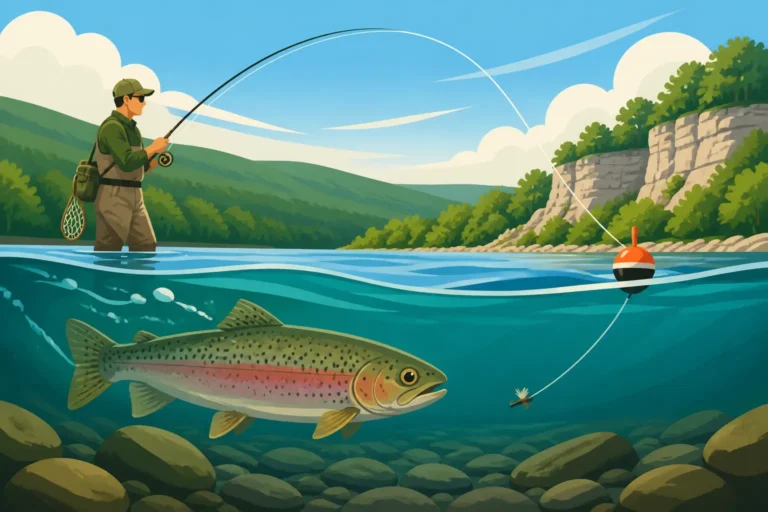
Rainbow trout are the most widely stocked and commonly caught trout in Arkansas's tailwaters. They are known for their vibrant colors, acrobatic fights, and generally aggressive nature, making them a favorite target for spin anglers. You'll find them in abundance in places like the Norfork Tailwater, where the Trout Limits on the Norfork Tailwater in Arkansas are carefully managed.
Rainbows are often eager to strike a variety of lures. Inline spinners in silver, gold, or chartreuse are consistently effective, especially when fished through riffles and current seams. Small spoons, retrieved with a flutter, also work wonders. For bait anglers, PowerBait and worms fished on the bottom or under a bobber are proven producers. Rainbows tend to be less shy than browns and will often chase a lure, making them a fantastic target for those who enjoy active fishing. During periods of heavy generation on rivers like the White, they'll often hold in current breaks, aggressively feeding on anything swept past them. A light spinning setup allows you to feel even the most subtle takes when they're simply mouthing the bait, giving you the edge in a successful hookset.
Tackling Brown Trout with Spin Gear
Brown trout, while less numerous than rainbows, are often the prize catch for many anglers in Arkansas. They grow larger, are more wary, and possess a reputation for being cunning and elusive. Targeting brown trout with spin gear requires a bit more patience and a more stealthy approach, particularly on famous brown trout waters like the Spring River, where a Spring River Brown Trout Minimum Length in Arkansas is in place.
Browns prefer cover and are often found lurking near submerged logs, undercut banks, deep pools, and rocky structures. They are also highly predatory. While they will occasionally hit spinners and spoons, they are particularly fond of lures that imitate baitfish, such as small crankbaits or jerkbaits in natural patterns (think shad or crawfish). These can be incredibly effective when fished with a stop-and-go retrieve, mimicking an injured minnow. Night fishing can also be highly productive for large brown trout, as they become more active predators under the cover of darkness. When you hook a brown, be ready for a powerful, head-shaking fight that will test your drag and your knot strength! Remember, a Brown Trout on the White River can be a true trophy.
Seasonal Considerations and Best Practices
Trout fishing in Arkansas is a year-round activity thanks to the cold, consistent temperatures of the tailwaters. However, the best techniques and locations can shift dramatically with the seasons. Understanding these changes will help you adapt your spin fishing approach for optimal results, whether you’re casting in the heat of summer or the chill of winter.
Spring and Summer Strategies
Spring and summer on Arkansas's trout rivers are vibrant times, often characterized by increased water generation from the dams and higher fishing pressure. In spring, as water temperatures slowly begin to rise, trout become more active and are often found in shallower runs and riffles, aggressively feeding. This is an excellent time for inline spinners and small spoons, which can be easily worked through these areas. As summer fully sets in, higher water flows become more common, especially on the White River and the Norfork. This means fish will move to current breaks and deeper pockets to escape the strongest currents and find cooler water.
During these months, a heavier lure like a small crankbait or a weighted soft plastic can be effective for getting down to the fish. Fishing early mornings or late evenings often yields the best results when the sun isn't as high, and boat traffic is lighter. Keep an eye on the generation schedules for specific dams (like Bull Shoals or Norfork) as they heavily influence water levels and current. Knowledge of these schedules, often available from the Corps of Engineers, is a game-changer for planning your trip and predicting trout behavior. Many anglers also appreciate the cooler temperatures of the tailwaters during the peak of summer, making for a pleasant escape.
Fall and Winter Tactics
Fall is arguably one of the best times of year to target trophy trout in Arkansas. As water temperatures begin to drop and brown trout prepare for their spawn, they become incredibly aggressive, often feeding heavily. This is when larger baitfish imitations, like bigger spoons or suspending jerkbaits, can really shine, tempting those elusive big browns. Look for trout holding in traditional spawning areas, though remember that disturbing redds (spawning beds) is highly discouraged and often illegal. Focus on areas adjacent to these zones.
Winter fishing, while often colder and less crowded, can be incredibly productive for spin anglers. With fewer insects hatching, trout often become more reliant on baitfish and prepared baits. Fish tend to congregate in deeper, slower pools and runs where they can conserve energy. Slow, subtle presentations are key. Try small jigs or soft plastics fished painstakingly slowly, or prepared baits like PowerBait fished on the bottom. The fish are often lethargic, so a gentle bite is common. This is also a fantastic time to enjoy the serene beauty of the rivers without the summer crowds. Always be mindful of the weather and dress in warm, waterproof layers, especially if you're planning a full day of fishing. Checking the Best Time of Year to Fish in Arkansas will give you a broader perspective on seasonal opportunities.
Beyond the Cast: Ethics, Regulations, and Conservation
Being a responsible angler goes far beyond just catching fish. It encompasses understanding and adhering to local regulations, practicing ethical angling, and contributing to the conservation of Arkansas's invaluable trout resources. Our tailwaters are special, and it's up to all of us to protect them.
Understanding Catch and Release
Catch and release is a cornerstone of trout conservation in many areas, particularly for larger, wilder trout populations. While you might be excited to keep a few fish for dinner, practicing proper catch and release ensures healthy fish populations for future generations. This is especially true for trophy-sized fish and brown trout, which take years to reach their impressive size.
When you decide to release a fish, handle it as little as possible. Keep the fish in the water as much as you can. If you must handle it, wet your hands first to protect its delicate slime coat, which acts as a barrier against disease. Use de-barbed hooks or pinch down the barbs on your lures – this makes hook removal much easier and less damaging to the fish. Remove the hook quickly and gently, using forceps or pliers. If the fish is bleeding or seems distressed, hold it gently upright in the current until it regains its strength and swims away on its own. Remember, the future of The Best Trout Fishing Spots in Arkansas depends on our collective actions.
Adhering to Arkansas Trout Regulations
Arkansas has specific and often complex fishing regulations designed to manage its diverse fisheries, especially its trout waters. These regulations can vary significantly from one river to another, and even between sections of the same river (e.g., special regulations on the White River below Bull Shoals Dam or the C&R section of the Norfork). Before you even tie on your first lure, it's absolutely critical to familiarize yourself with the current Arkansas Fishing Regulations Guide.
This includes understanding daily creel limits, length limits (minimum and sometimes slot limits), and any gear restrictions. For instance, certain areas might be "artificial lures only" or have specific restrictions on bait. You'll also need to ensure you have an up-to-date Arkansas Fishing License Rules and Costs and, if you plan to keep trout, an Arkansas Trout Permit Rules. This permit is a separate endorsement you purchase in addition to your regular fishing license. Game wardens regularly patrol these waters, and ignorance of the rules is no excuse for violations. Always double-check the latest guide published by the Arkansas Game and Fish Commission before each trip, as regulations can change.
Disclaimer
The information provided in this guide is for general informational purposes only and is subject to change. Always consult the most current Arkansas Game and Fish Commission regulations before engaging in any fishing activities. Fishing conditions, regulations, and access points can vary.