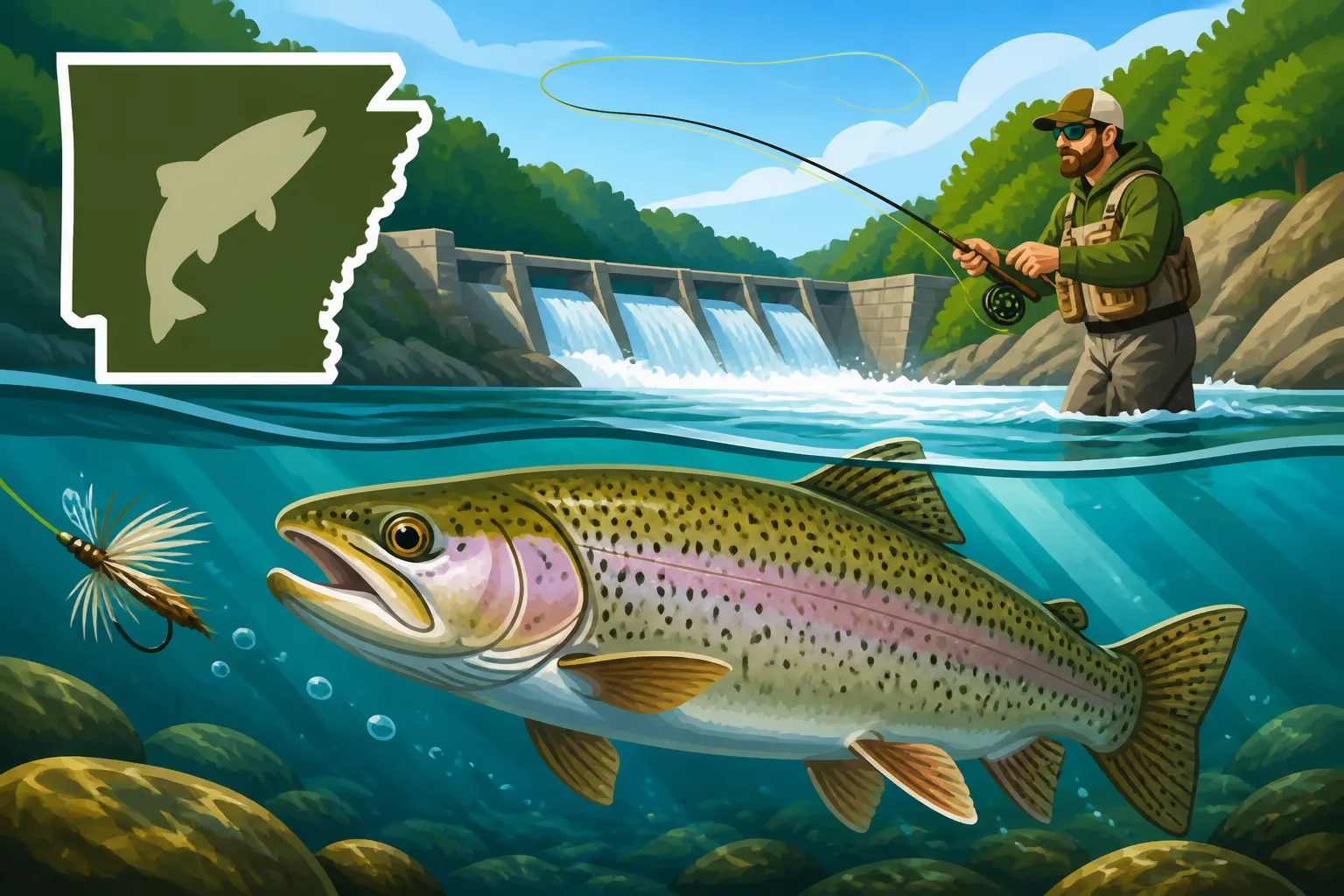
Bull Shoals Tailwater Trout Fishing Season
It can be incredibly frustrating to plan a fishing trip to a world-renowned destination like the Bull Shoals Tailwater on the White River, only to feel uncertain about the best times to go or what to expect when you get there. Anglers often struggle with the unpredictable nature of river flows and the ever-changing habits of trout throughout the year. This comprehensive guide will strip away that uncertainty, detailing the prime seasons for trout fishing on the Bull Shoals Tailwater and equipping you with the knowledge to make the most of every cast, regardless of the calendar.
The Unique Ecosystem of the Bull Shoals Tailwater
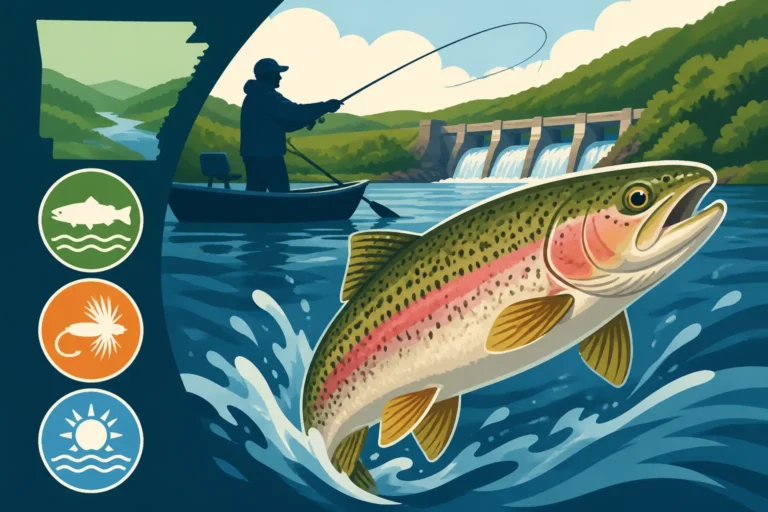
The Bull Shoals Tailwater, part of the famed White River in northern Arkansas, isn't just any trout stream; it's a cold-water anomaly in the middle of a warm-water region. This stretch of river, flowing downstream from the Bull Shoals Dam, is globally recognized as a premier trout fishery. Understanding its unique characteristics is the first step toward successful angling year-round.
Understanding the White River's Cold Water Flow
The consistent, cold water discharge from the depths of Bull Shoals Lake is the absolute bedrock of this tailwater's incredible trout population. The dam acts like a giant refrigerator, pulling water from hundreds of feet below the surface where temperatures hover in the low 50s Fahrenheit, even in the scorching heat of summer. This constant, chilly outflow creates an environment where cold-loving trout, which couldn't survive elsewhere in Arkansas's warmer rivers, absolutely thrive. It's a stark contrast to many natural rivers that experience significant temperature swings, making this stretch of the White River a truly special place for trout. Anglers visiting should always be mindful of the variable flow, often regulated by the Army Corps of Engineers for power generation. These generation schedules, which can cause the river to rise or fall dramatically, are crucial to monitor before and during your trip.
The Lifeblood of Arkansas Trout Fishing
The sustained cold water, coupled with a nutrient-rich environment, fosters an incredible abundance of aquatic insects and baitfish, providing a year-round pantry for the trout. This constant food supply allows trout to grow large and healthy, often exceeding sizes found in less fertile streams. From tiny midges and caddisflies to sculpins and shad, the menu is diverse, supporting a robust population of both wild-spawned and stocked fish. It's this continuous flow of sustenance that makes the Bull Shoals Tailwater a magnet for anglers seeking quality trout, establishing it as a cornerstone of the state's fishing reputation. To maintain this incredible resource, understanding and adhering to the Arkansas Fishing Regulations Guide is paramount for all who fish these waters.
Primary Trout Species Found Here
While the White River is famous for its trout, it's not just one species you'll encounter. The tailwater is home to four distinct species, each with its own characteristics and preferred habitats.
- Rainbow Trout: These are the most common, making up the bulk of the stocking efforts by the Arkansas Game and Fish Commission. They are often eager biters and provide consistent action, especially for those new to trout fishing. You'll find them widely distributed throughout the tailwater.
- Brown Trout: The true trophy fish of the White River. Browns are known for their elusive nature, incredible fighting ability, and impressive size. Many anglers specifically target these giants, especially during the fall spawning runs. Finding a true hog brown requires patience, skill, and sometimes a bit of luck. The Trophy Brown Trout Records on the White River are a testament to the potential here.
- Brook Trout: While less common than rainbows and browns, brook trout are also stocked in limited numbers. They are beautiful fish with distinctive markings and tend to prefer cleaner, colder water, often found in smaller tributaries or upstream sections during certain flows.
- Cutthroat Trout: These are the least common of the four, often stocked in smaller quantities and requiring specific conditions to thrive. Catching a cutthroat is a special treat for any angler on the White River, a testament to the incredible diversity of this unique fishery.
Year-Round Fishing Potential and Seasonal Nuances
One of the most appealing aspects of the Bull Shoals Tailwater is that it truly offers fantastic fishing opportunities year-round. Unlike many waters that become unfishable in winter or too warm in summer, the dam-controlled environment ensures consistent conditions, though seasonal shifts still dictate different strategies and target species.
Constant Conditions for Anglers
The beauty of a tailwater fishery lies in its stability. Because the water comes from deep within Bull Shoals Lake, its temperature remains relatively constant throughout the year. This means anglers don't have to contend with ice-covered waters in winter or dangerously warm, oxygen-depleted conditions in summer. The trout are active 365 days a year, providing reliable opportunities whenever you can make it to the river. This constant condition, however, also means fish can become accustomed to certain presentations, so adapting your approach based on what they're seeing (or not seeing) is always a good idea. Knowing when to target specific species or use particular methods can significantly increase your success rate.
How Generation Schedules Impact Fishing
While water temperature is stable, water levels are anything but. The Army Corps of Engineers operates Bull Shoals Dam to generate hydroelectric power, which means the river can fluctuate from low, wadable flows to roaring, high-water conditions in a matter of hours. This is perhaps the biggest "frustration" factor for many anglers. It dictates where you can fish, what techniques you can use, and even what safety precautions are necessary.
- Low Water: During minimal or no generation, the river is often clear and shallow, allowing for wade fishing in many areas. This is fantastic for sight fishing and targeting wary trout, but it also means the fish are more exposed and can be easily spooked. Stealth is key.
- High Water: When multiple generators are running, the river swells, becoming a powerful, fast-moving body of water. Wade fishing becomes impossible or extremely dangerous in many spots, and float trips in drift boats or jet boats become the primary method. High water can concentrate fish in eddies and slower seams, but it also makes presentation more challenging due to strong currents.
It is absolutely critical to check the generation schedule before heading out. A quick search online for "Bull Shoals Dam Generation Schedule" will provide the latest information, often updated daily. Ignoring this can lead to wasted time or, worse, dangerous situations.
Anticipating Seasonal Trout Behavior Shifts
Even with constant water temperatures, trout behavior does shift throughout the year, largely influenced by natural instincts like spawning, insect hatches, and food availability.
- Spring: As water clarity improves from winter rains and insect hatches become more prolific, trout become incredibly active. They're recovering from winter and gorging on emerging insects.
- Summer: During the warmer months, trout often seek out cooler, deeper pockets of water or become more active during low-light conditions like dawn and dusk. Understanding their preference for cooler zones is key.
- Fall: This is prime time for brown trout, as they begin their annual spawning migration. Their behavior shifts dramatically, becoming more aggressive and territorial.
- Winter: Trout metabolism slows slightly, and they often hold in deeper, slower pools, conserving energy. Presentations need to be more subtle and often smaller in size.
Understanding these subtle shifts allows you to adapt your tactics and increase your chances of success, ensuring you're not just casting blindly, but fishing intelligently with the season in mind.
Spring: A Time of Abundance and Renewed Activity
Springtime on the Bull Shoals Tailwater, generally from March through May, is often considered one of the most productive and enjoyable seasons for trout fishing. The air warms, days lengthen, and the river comes alive with insect activity, making trout eager to feed.
March to May: Peak Productivity
As the last vestiges of winter fade, the White River truly bursts with life. From March through May, you'll find the trout increasingly active, feeding aggressively to build up reserves after the leaner winter months. Water levels can still be variable due to spring rains and increased generation, but between surges, the river typically runs clear. This period sees a surge in aquatic insect hatches, primarily caddisflies and midges, providing a smorgasbord for hungry trout. The fish are less lethargic than in winter and more willing to chase down a well-presented fly or lure. It's a fantastic time for both quantity and quality, with even the most experienced anglers often finding consistent action.
Techniques for Post-Spawn and Emerging Insects
Spring fishing on the tailwater is all about matching the hatch and adapting to post-spawn trout.
- Nymphing: This remains a highly effective technique. Trout will be keying in on emerging insects moving from the riverbed to the surface. Patterns like pheasant tails, caddis pupa imitations, and sowbugs in sizes 14-20 are deadly. A "two-fly" nymph rig, with a heavier attractor nymph followed by a smaller imitation, often produces excellent results. For those looking to stock up, a quick search on Amazon will reveal countless options for quality nymph patterns and lead-free weights.
- Dry Fly Fishing: When conditions are right, and a hatch is in full swing, dry fly action can be incredible. Look for rising fish and try to match the size and color of the natural insects. March Brown, Sulphur, and Caddis dry flies are common patterns.
- Streamers and Spinners: Post-spawn brown trout, in particular, will be aggressive and looking for larger meals. Stripping streamers that imitate baitfish or throwing small inline spinners (like Panther Martin or Mepps) can provoke violent strikes. Focus these presentations around structure, current seams, and drop-offs.
- PowerBait and Corn: For stocked rainbow trout, especially in slower or shallower sections, traditional baits like PowerBait (in various colors) or even canned corn can be surprisingly effective. These are often great choices for beginners or family outings, as mentioned in our guide on Kid-Friendly Fishing Techniques.
Essential Spring Gear for the Tailwater
Being prepared with the right gear can make all the difference during your spring outing.
- Waders: Even if you plan on float fishing, waders are indispensable for launching boats, wading shallows, or accessing bankside spots. Neoprene waders are suitable for cooler early spring mornings, while breathable waders are excellent for warmer afternoons.
- Rain Gear: Spring weather in Arkansas can be notoriously unpredictable. A good quality waterproof and breathable rain jacket and pants are a must-have to stay comfortable through passing showers.
- Layered Clothing: Dress in layers. Mornings can be chilly, but by midday, it might be quite warm. Being able to add or shed layers ensures comfort throughout the day.
- Polarized Sunglasses: Crucial for spotting fish in clear water and protecting your eyes from glare and hooks.
- Selection of Flies/Lures: A diverse fly box with nymphs, dry flies, and streamers, or a tackle box with various spinners and spoons, will ensure you're ready for whatever the fish are biting on. Don't forget a selection of lead weights and indicators. Many anglers find convenient, pre-assembled fly assortments on Amazon to be a great starting point for spring fishing.
Summer: Navigating the Heat and High Water
Summer on the Bull Shoals Tailwater brings its own set of challenges and rewards. While air temperatures climb, the consistent cold water from the dam ensures trout remain active, though their behavior definitely shifts.
Adapting to Increased Water Levels and Currents
The summer months, particularly July and August, often coincide with peak power generation at Bull Shoals Dam, leading to more frequent and prolonged periods of high water. This can be a double-edged sword: while high water can disperse fish, making them harder to locate, it also often concentrates baitfish and insects in certain areas, creating feeding opportunities. Anglers must be highly adaptable.
- Boat Fishing is Key: For safety and efficiency, summer high water usually necessitates fishing from a drift boat, jet boat, or similar craft. This allows you to navigate strong currents, access deeper channels, and safely cover more water.
- Focus on Eddies and Seams: Trout will seek refuge from the strongest currents in eddies, behind large rocks, or along seams where fast and slow water meet. These areas are prime ambush points.
- Heavier Tackle: You'll likely need to use heavier split shot or sink tips on fly lines to get your flies or baits down to the fish in strong currents. Longer, more powerful spinning rods can also help manage line in the current.
- Safety First: Always wear a PFD (personal flotation device) when on the water, especially during high flows. Be aware of submerged obstacles and respect the power of the river.
Optimal Fishing Times During Warm Months
Even with cold water, summer's intense sun can make midday fishing less productive. Trout, like many animals, become more active during cooler, lower-light periods.
- Dawn and Dusk: These are often the absolute best times to fish in summer. The cooler air temperatures and diminished light bring trout into shallower, more accessible areas to feed. Hatches often occur during these windows, providing excellent dry fly opportunities. Our guide on Dawn and Dusk Fishing Patterns offers more detailed insights.
- Cloudy Days: Overcast conditions can mimic the low-light feel of dawn or dusk, often extending productive fishing hours throughout the day.
- During Generation Changes: When the generators kick on or shut off, it often triggers a feeding response as currents shift and food becomes dislodged. Being on the water during these transitions can be highly productive.
Deep Water Tactics and Bait Choices
When the sun is high and the water is running, trout often retreat to deeper, cooler sections of the river.
- Deep Nymphing: Using heavy nymphs or a multi-nymph rig with plenty of weight is essential to get your flies down to the bottom where trout are holding. Focus on deep pools, ledges, and drop-offs. Look for subtle takes, as fish may not strike aggressively in deeper water.
- Sinking Line Streamers: For fly anglers, a sinking line or a fast-sinking tip with large streamers (e.g., sculpins, woolly buggers) can effectively probe the depths. Slowly strip these patterns back, imitating baitfish trying to escape.
- Bottom Bouncing with Bait: For spin fishermen, a simple bottom-bouncing rig with PowerBait, worms, or even corn can be very effective in deep holes. Use enough weight to hold the bait near the bottom without constantly snagging.
- Trolling: For those with boats, slow trolling with small crankbaits or spoons in deeper sections can entice strikes from larger trout that are less willing to move far for a meal. Brands like Rapala and Trout Magnet are popular for this method.
Fall: Chasing Trophy Brown Trout
For many seasoned anglers, fall on the Bull Shoals Tailwater isn't just a season; it's a pilgrimage. From October through December, the river becomes synonymous with the annual brown trout spawn, offering the best chance to hook into truly massive fish.
October to December: The Brown Trout Spawn
As water temperatures cool to ideal spawning conditions, male and female brown trout begin their migrations upstream, searching for suitable gravel beds (redds) to lay and fertilize eggs. This biological imperative triggers a dramatic shift in their behavior: they become incredibly aggressive, territorial, and focused.
- Aggression: Male brown trout, adorned in their vibrant spawning colors, will ferociously defend their redds against any perceived threat, including lures and flies. This makes them more susceptible to aggressive presentations.
- Increased Visibility: While still elusive, the sheer number of large brown trout moving through shallower areas makes them more visible and accessible to anglers than at other times of the year.
- Ethical Angling: It's absolutely crucial to practice ethical angling during the spawn. Avoid targeting fish directly on redds, as this can disrupt spawning and damage future fish populations. Instead, focus on staging areas just upstream or downstream of known spawning grounds, where fish are holding before or after moving onto the redds. Catch and release is highly recommended, especially for these majestic breeders.
Targeting Large Fish with Streamers and Big Baits
When you're after trophy brown trout in the fall, you need to think big. These fish are looking for substantial meals and are often triggered by aggressive, territorial strikes.
- Streamers: This is arguably the most popular and effective method. Large, articulated streamers that imitate baitfish (sculpins, shad, large minnows) are the go-to. Colors like olive, black, white, and natural browns are excellent choices. Casting these patterns close to structure, stripping them erratically, and twitching them can provoke explosive strikes. Many specialized streamers are available, and a quick browse on Amazon can help you find high-quality, durable options.
- Sinking Lines: To effectively fish large streamers in strong currents and deeper pools, a fast-sinking fly line or heavy sink tip is essential. This gets your fly into the strike zone quickly and keeps it there.
- Large Spinners and Spoons: For spin fishermen, large inline spinners (e.g., #3 or #4 Mepps, Rooster Tail) or casting spoons (e.g., Little Cleo, Krocodile) can be highly effective. Work them through deeper runs and across current seams.
- Live Bait: Some anglers opt for large shiners or trout worms on a Carolina rig in deeper holes, particularly during periods of low light or lower activity. Always check local regulations regarding live bait use.
Location and Presentation Changes in Autumn
As the spawn progresses, understanding where brown trout are holding and how to present your offerings is critical.
- Upstream Movement: Browns will be pushing upstream, so targeting areas below shoals, riffles, and dam outflows can be productive.
- Structure: Focus on fallen trees, undercut banks, and large rock formations. These provide cover and current breaks where big browns will stage.
- Low Light: Early mornings and late evenings remain prime times, as large trout are often more willing to move and feed under the cover of darkness or reduced light.
- Stealth: Despite their aggression, large brown trout are still wary. Make accurate casts, minimize false casts, and approach likely holding areas quietly.
- Vary Your Retrieve: Don't be afraid to experiment with different retrieve speeds and cadences for your streamers or lures. Sometimes a fast, erratic strip works, other times a slow, deliberate retrieve is more effective.
Winter: Solitude and Subtlety for Dedicated Anglers
While many anglers pack away their gear after the fall spawn, the Bull Shoals Tailwater offers a unique and often rewarding experience during the winter months. Expect fewer crowds, clear water, and the potential for some truly exceptional catches if you're prepared for the cold.
Cold Weather Challenges and Rewards
Winter fishing on the White River, typically from January through February, is not for the faint of heart. It presents its own set of challenges, but for those willing to brave the elements, the rewards can be substantial.
- Cold Temperatures: Air temperatures can plummet, often staying below freezing. Dressing in layers, with high-quality thermal underwear, insulated waterproof outerwear, and warm hats and gloves, is absolutely essential. Hand warmers are a lifesaver.
- Slower Metabolism: Trout are cold-blooded, and while the water remains relatively warm, their metabolism does slow down. This means they are less active and less willing to chase food aggressively. Presentations need to be slower and more subtle.
- Fewer Crowds: This is perhaps the biggest reward. You'll often have vast stretches of the river almost entirely to yourself, offering a sense of solitude rarely found during peak seasons.
- Clear Water: Winter often brings stable weather patterns and less rain, resulting in incredibly clear water. This can make fish more wary but also allows for sight fishing opportunities in shallower sections if you're stealthy.
Mastering Nymphing and Delicate Presentations
With trout exhibiting slower, more deliberate feeding patterns in winter, nymphing becomes the undisputed king of techniques.
- Tiny Flies: Think small. Midges, sowbugs, scuds, and small pheasant tail nymphs in sizes 18-24 are often the most productive. The trout are feeding on the smallest, most readily available aquatic insects.
- Light Leaders and Tippets: To present these tiny flies naturally, very light leaders and tippets (e.g., 5x, 6x, or even 7x fluorocarbon) are necessary. Fluorocarbon is less visible in clear water and sinks faster.
- Slow Drifts: The key is to achieve a perfectly drag-free drift. Trout are less likely to move far to intercept a fly, so it needs to come right to them. Use strike indicators to detect even the most subtle takes.
- Deep Water: Focus on deep, slow pools, current seams, and the slack water behind large structure. These are the areas where trout will conserve energy.
- Patience: Winter fishing requires patience. Strikes can be incredibly light, feeling like a slight hesitation in your indicator. Set the hook on anything that looks suspicious. For those needing a reliable source for quality tippet material and strike indicators, many options are available through Amazon.
The Reward of Winter's Trophy Potential
While the brown trout spawn primarily happens in fall, some larger fish continue to feed through the winter, and fresh stocker rainbows are also present. The clear, low-pressure conditions can make winter an excellent time for targeting a personal best.
- Large Brown Trout: Post-spawn browns, while no longer on redds, will be recovering and looking for protein-rich meals. While they might not be as aggressive as in the fall, a well-placed streamer or large nymph can still tempt a lunker.
- Consistent Rainbows: Stocked rainbow trout are always a reliable target, and in winter, they can be found congregating in deeper holes.
- Solitude: The lack of angler pressure means that the fish are often less wary and less "pressured" than during busier seasons. This can translate to more consistent bites from active fish.
- Stunning Scenery: The bare trees and crisp air can create a beautifully stark and serene backdrop for your fishing adventure, offering a peaceful escape from the hustle and bustle of everyday life.
Arkansas Trout Permit and Regulations
Fishing the Bull Shoals Tailwater, or any trout water in Arkansas, comes with specific requirements beyond a general fishing license. These regulations are in place to protect the valuable trout fishery and ensure its sustainability for future generations of anglers.
Understanding Required Licenses
Before you even think about putting a line in the water, you need to ensure you're legally equipped.
- Arkansas Fishing License: Every angler over the age of 16 needs a valid Arkansas Fishing License Rules and Costs. This is your basic permit to fish anywhere in the state. For residents, this can be an annual license or a short-term option like the Arkansas Resident 3-Day Fishing License. Non-residents also have annual and 3-day options.
- Arkansas Trout Permit: This is crucial for fishing trout waters like the Bull Shoals Tailwater. Even if you have a general fishing license, you must purchase an additional Arkansas Trout Permit Rules if you intend to fish for or retain trout. This applies to both residents and non-residents. The revenue from these permits directly funds the stocking and management of Arkansas's trout fisheries.
- Age Exemptions: While generally required, there are exceptions. For example, children under a certain age are typically exempt from needing a fishing license in Arkansas, and senior residents might have different requirements or lifetime options like the Arkansas 65+ Lifetime Fishing License. Always check the most current regulations for specific age exemptions.
Catch and Release Practices and Limits
The Bull Shoals Tailwater is not only a fantastic place to catch fish, but it also has specific rules regarding what you can keep. Many sections of the White River are managed with special regulations to promote trophy fish populations.
- Daily Creel Limits: Always refer to the most current Arkansas Game and Fish Commission regulations for specific daily creel limits for each trout species. These can vary by river section or even species. For instance, the limits for rainbow trout might differ from those for brown trout, especially if certain sections have catch-and-release-only rules for specific species.
- Size Limits: Some sections or species may also have minimum or slot size limits. This means fish below a certain length must be released, or only fish within a specific size range can be kept. For example, on certain trophy brown trout waters, all brown trout over a specific size might be catch-and-release only. It is critical to know these rules before your first cast.
- Catch and Release Etiquette: Many anglers choose to practice catch and release exclusively, especially for brown trout, to help grow and maintain the trophy fishery. If you are releasing fish, handle them gently with wet hands, minimize their time out of the water, and ensure they are revived before release. Using barbless hooks can also make releasing fish easier and less stressful for them.
Best Practices for Responsible Angling
Responsible angling goes beyond just following the rules; it's about respecting the resource and fellow fishermen.
- Know Before You Go: Before every trip, download or grab a physical copy of the current Arkansas Fishing Regulations Guide. Regulations can change, and ignorance is no excuse for a violation.
- Leave No Trace: Pack out everything you pack in. This includes all trash, fishing line, and discarded bait containers. Preserve the natural beauty of the river.
- Respect Private Property: Be aware of land ownership along the river. Access points are usually public, but much of the riverbank is private. Avoid trespassing.
- Boating Safety: If you're on a boat, understand river navigation, be aware of other boaters, and always give wading anglers plenty of space.
- Support Conservation: Consider purchasing an Arkansas Trout Permit Rules even if you don't plan to keep fish. Your contribution helps ensure the continued health and vitality of this incredible fishery.
By understanding and adhering to these rules and best practices, you contribute to the longevity of the Bull Shoals Tailwater as one of the nation's premier trout fishing destinations.
Seasonal Bull Shoals Tailwater Trout Fishing Overview
To help you visualize the year-round opportunities, here's a quick reference table summarizing what you can expect during each season.
| Season | Best Months | Typical Water Conditions | Primary Trout Species Focus | Recommended Techniques | Key Considerations |
|---|---|---|---|---|---|
| Spring | March, April, May | Variable flows, clear to stained | Rainbows, Browns | Nymphing, Dry Fly, Streamers | Post-spawn aggression, insect hatches, check generation often. |
| Summer | June, July, August | High flows likely, clear | Rainbows, Browns | Deep Nymphing, Trolling, Dawn/Dusk Topwater | Hot air temps, high generation, focus on low-light & deep water. |
| Fall | September, October, November | Moderate to low flows, very clear | Trophy Brown Trout, Rainbows | Large Streamers, Big Baits | Brown trout spawn, aggressive males, ethical handling of spawning fish. |
| Winter | December, January, February | Low/moderate flows, very clear | Rainbows, Browns | Tiny Nymphs, Slow Drifts | Cold air temps, fewer crowds, subtle presentations, patience is key. |
Ultimately, the Bull Shoals Tailwater offers something for every angler, every single month of the year. It's a truly special place, and understanding its seasonal rhythms will unlock the best possible experience for your next trip.
Disclaimer
The information provided in this guide is for general informational purposes only and is subject to change. Fishing regulations, license requirements, and dam generation schedules can vary and are controlled by the Arkansas Game and Fish Commission and the U.S. Army Corps of Engineers, respectively. Always consult the official and most current regulations and generation schedules before planning any fishing trip to ensure compliance and safety. Fishing involves inherent risks; please exercise caution and be aware of your surroundings.