Shore Fishing Access on Lake Conway
There's a unique frustration that often comes with wanting to cast a line into the waters of Lake Conway: the sheer challenge of finding a good spot without a boat. This sprawling, shallow lake, famous for its cypress trees and abundant cover, can feel intimidatingly inaccessible from the bank. But don't despair! This guide is specifically crafted to help you navigate those challenges, uncover prime shore fishing access points on Lake Conway, and equip you with the knowledge to make your next bank fishing trip a successful and enjoyable one.
The Reality of Shore Fishing on Lake Conway
Lake Conway, located just north of Little Rock, is a beast of a lake, known for its incredible bass and crappie fishing. But unlike many open-water reservoirs, its unique characteristics present both opportunities and hurdles for the angler who prefers to keep their feet on solid ground. Understanding these nuances is the first step to a productive day.
Why Lake Conway is Unique for Bank Anglers
When you look at a map of Lake Conway, you immediately notice its distinctive appearance: a mosaic of timber, cypress knees, and lily pads. This shallow, inundated forest environment is fantastic for fish, providing endless cover and breeding grounds. However, for the bank angler, this very characteristic can be a double-edged sword.
On one hand, the extensive shallow water and cover mean fish are often close to the shoreline. You don't always need to cast a mile to reach them; they could be hiding just a few feet from where you stand, tucked against a stump or a clump of vegetation. This makes it an exciting prospect for those without a boat, as the fish aren't always congregating in deep, inaccessible channels.
On the other hand, this dense habitat makes physical access incredibly challenging. Much of Lake Conway's shoreline is privately owned, and even public areas can be heavily choked with cypress trees, stumps, and thick undergrowth, making it difficult to even reach the water's edge, let alone cast effectively. It's not like the wide-open, manicured banks you might find at other lakes. This often leads to frustrating searches for a clear spot, feeling like you're constantly running into "no trespassing" signs or impenetrable thickets. This is a common frustration, but with the right knowledge, you can absolutely find your sweet spots.
Managing Expectations and Maximizing Your Chances
Approaching Lake Conway with realistic expectations is crucial for a fulfilling shore fishing experience. You’re probably not going to be power-fishing acres of open water, but you can have a fantastic time targeting specific areas and species.
The biggest hurdle for bank anglers is often the limited casting room and the high probability of snags. With so much submerged timber and vegetation, getting hung up is almost a guarantee. Embrace it as part of the Lake Conway experience, and come prepared with extra lures and a snag-retrieval tool if you have one. Focus your efforts on pitching and flipping into smaller, clearer pockets of water, rather than long, sweeping casts.
Maximizing your chances means being strategic. Don't just pick a spot and blindly cast. Look for visible cover like fallen trees, lily pad edges, or breaks in the cypress knees that indicate deeper pockets or channels. These are prime ambush points for bass and crappie. Portability is your friend: bring a comfortable, lightweight chair, a small tackle bag, and be ready to move if a spot isn't producing or if access becomes too difficult. Sometimes, just walking a hundred yards down the bank can put you on a completely different pattern of fish. Remember, patience is a virtue, especially when you're trying to outsmart those wily Lake Conway residents from shore.
Key Public Access Points for Shore Fishing on Lake Conway
While Lake Conway might feel like a fortress to the shore angler at times, there are definitely publicly accessible spots where you can wet a line without having to trespass or bushwhack through a jungle. Knowing where these gems are can save you a lot of time and frustration.
Designated Public Parks and Recreation Areas
When it comes to easy, established access, public parks are usually your best bet. These areas are designed for public use and often have amenities that make your fishing trip more comfortable.
One of the most reliable options is Lake Conway's main public access points maintained by the Arkansas Game and Fish Commission (AGFC) and local municipalities. While the lake is primarily a boat-angler's paradise, areas around certain boat ramps and picnic spots often provide decent bank access. For instance, the main access areas, particularly those with picnic facilities and cleared bank space, can offer good opportunities.
Consider visiting locations in and around Mayflower and Wooster, the towns that border the lake. Some municipal parks or boat launch areas in these communities might have small, cleared sections suitable for bank fishing. These spots are often frequented by local families, so they tend to be well-maintained, if a bit busy at times. Look for any public fishing piers or jetties that might extend into the water, as these immediately put you over deeper water and past some of the shoreline vegetation, making casting much easier. These can be golden opportunities for targeting crappie when they move shallower during the spawn.
Parking is usually plentiful at these designated public spots, and some even offer restrooms, which is a huge plus for longer outings. While you won't get the vast, untouched wilderness feel, you'll gain convenience and reliable access.
| Access Point Type | Typical Location | Amenities | Primary Species Target | Notes |
|---|---|---|---|---|
| AGFC Access Areas | Various points around lake | Parking, boat ramps, often some cleared bank | Bass, Crappie, Catfish | Best bet for reliable public access |
| City Parks (Mayflower/Wooster) | Shoreline adjacent to towns | Parking, restrooms, picnic areas, sometimes piers | Bream, Catfish, Crappie | Family-friendly, can be crowded |
| Roadside Pull-offs | Along main roads near water | Limited parking, no amenities | Bass, Catfish | Less comfortable, but can be less pressured |
| Bridges/Causeways | Where roads cross water | Limited parking, can be hazardous traffic | Catfish, Bass | Check local regulations, safety first |
Less Obvious Shoreline Opportunities
Beyond the well-known public parks, Lake Conway holds some lesser-known, albeit sometimes more challenging, shoreline opportunities. These often require a bit more scouting and a keen eye but can reward you with less pressured fishing.
Areas around bridges and causeways that cross the lake or its tributaries can sometimes offer viable bank fishing. Think about bridges that might span smaller creeks feeding into the lake or the causeways that cut across sections of the lake itself. These structures often create current breaks and deeper pockets, attracting fish. However, safety is paramount here. Always be aware of traffic, ensure you're not on private property, and never compromise your safety for a fishing spot. Look for small, unpaved pull-offs where you can safely park and access the water's edge. Often, the areas immediately adjacent to the bridge pilings or riprap offer distinct habitat from the shallow, timber-filled main lake, making them good spots for channel catfish or even schooling bass.
Another approach is to look for roads that run very close to the water's edge for extended stretches. Sometimes, you'll find small, unofficial pull-offs or gaps in the tree line that offer just enough space to cast. These aren't always marked, and they don't come with amenities, but they can provide a quiet escape. Just be absolutely certain you're not encroaching on private land. A quick look at a property map app on your phone can save you a lot of hassle.
When exploring these less obvious spots, a good pair of waterproof boots and an adventurous spirit are helpful. You might have to navigate some muddy banks or thick brush to find a clear casting lane. These spots often require a bit more effort, but the reward can be a more tranquil fishing experience away from the crowds, and perhaps a few more bites from unsuspecting fish. Remember to always leave no trace, packing out everything you pack in, to ensure these spots remain pristine for future anglers.
Essential Gear and Techniques for Lake Conway Shore Anglers
Bank fishing on Lake Conway isn't just about finding a spot; it's about coming prepared with the right tools and knowing how to use them effectively in this unique environment. You don't need a boatload of gear, but a thoughtful selection will significantly improve your success rate.
Recommended Gear for Bank Fishing Success
When you're hoofing it to your spot, simplicity and versatility are key. Here’s what I’d suggest packing:
- Rod and Reel Setup: A medium-light to medium power spinning rod, around 6'6" to 7' long, paired with a reliable spinning reel, is your best friend. This setup offers the versatility to cast lighter baits, pitch into tight spots, and still have enough backbone to fight a decent bass or catfish out of the cover. Spool it with 8-12 lb monofilament or fluorocarbon. While braid is great for sensitivity and strength, it can sometimes cut into soft wood if it snags a tree, and it's visible, so consider a fluorocarbon leader if you're using braid.
- Bait and Tackle: This is where you focus on weedless presentations and baits that attract the common Lake Conway residents.
- Soft Plastics: Texas-rigged worms, creature baits, and senkos are phenomenal for bass. The Texas rig is your go-to for fishing around stumps and grass without getting constantly snagged. Darker colors like junebug, black and blue, or green pumpkin are consistent producers.
- Jigs: Small crappie jigs (1/16 to 1/8 oz) in chartreuse, white, or black are essential for panfish. For bass, a weedless jig with a skirt and a soft plastic trailer can be devastating when pitched into cover.
- Spinnerbaits/Bladed Jigs: Smaller 1/4 oz spinnerbaits or bladed jigs (like a Z-Man ChatterBait) can be effective for bass, especially in areas with less dense cover or along transitions. Just be prepared for snags.
- Live Bait: Don't underestimate the power of live bait! Crickets or worms under a bobber are deadly for bluegill and other panfish. Minnows can entice crappie. For catfish, nightcrawlers, chicken liver, or cut bait fished on the bottom with a simple egg sinker rig are hard to beat.
- Essential Accessories:
- Small Tackle Bag/Backpack: Keep it compact and organized. Only bring what you need for that day.
- Pliers/Forceps: Crucial for removing hooks and cutting line.
- Line Cutter: Small scissors or clippers.
- Extra Hooks and Sinkers: Especially weedless hooks and various weights for your Texas rigs.
- Portable Chair: A lightweight folding chair or bucket can make a long day on the bank much more comfortable.
- Bug Spray: Trust me on this one. Lake Conway is beautiful, but the mosquitos and gnats can be fierce, especially around dawn and dusk.
- Sun Protection: Hat, sunglasses, and sunscreen are non-negotiable.
- Water/Snacks: Stay hydrated, especially during the warmer months.
- Small Net: A landing net can be incredibly helpful for safely landing bigger fish from the bank, especially in areas with vegetation.
Remember, the goal is efficiency. You're walking, moving, and possibly scouting new spots, so minimize bulk without sacrificing preparedness.
Best Techniques for Targeting Lake Conway Species from Shore
Knowing what to throw is one thing, but knowing how to fish it from the bank in Lake Conway’s unique environment is another.
-
Bass:
- Pitching and Flipping: This is arguably the most effective technique for bass from the bank on Lake Conway. Use your Texas-rigged worms or jigs to accurately place your bait into small openings in the cypress trees, under overhanging branches, or along the edges of lily pads. Let it sink, give it a few subtle twitches, and retrieve slowly. Many bites happen on the fall.
- Wacky Rigging: A senko wacky-rigged with no weight or a very light nail weight can be irresistible. Its slow, natural fall often triggers strikes from hesitant bass hidden in cover. Cast it gently to avoid splashy disturbances.
- Topwater: In the early morning or late evening, especially during warmer months, topwater lures like frogs or poppers can be exhilarating when worked over lily pads or near dense cover. The key is to be patient and let the bait sit after landing. For more insights on bass, check out Best Bass Fishing Spots on Lake Conway, Arkansas.
-
Crappie:
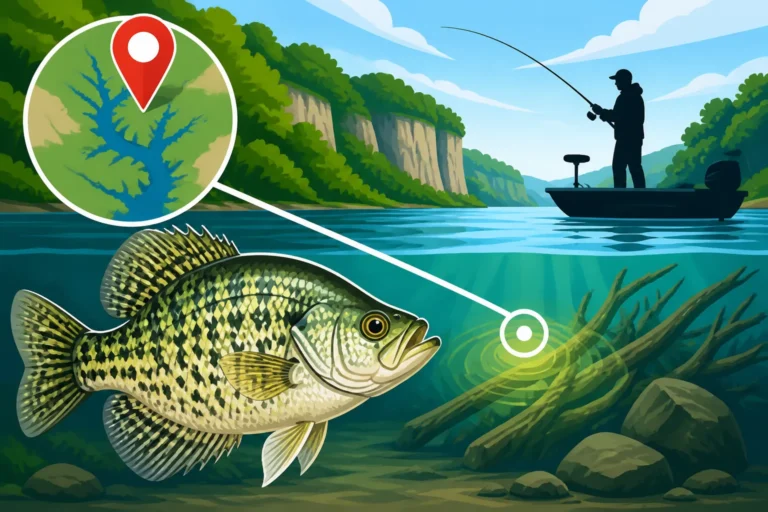
- Jigging Under a Bobber: This is a classic and highly effective method for crappie. Tie on a small jig (1/16 oz or less) under a bobber, set the depth to match where you think crappie are holding (often 2-4 feet near cover), and cast it near stumps, fallen trees, or brush piles. Give it subtle twitches.
- Tightlining: If you can find a slightly deeper bank spot, you can tightline small jigs or live minnows straight down, feeling for those light crappie bites. This is particularly effective near piers or vertical structures.
- Seasonal Movements: Crappie tend to move shallower during their spring spawn. During this time, they become much more accessible from the bank, hugging cover. Don't forget that Crappie must be 9 inches or longer to keep in Arkansas, and the Statewide crappie daily limit is 20 fish in most Arkansas waters generally applies. If you want more tips on how to target them, read our guide on Where to Catch Crappie on Lake Conway.
-
Catfish:
- Bottom Fishing: A simple bottom rig is all you need. Use an egg sinker (1/2 to 1 oz, depending on current) above a swivel, with a 12-18 inch leader and a circle hook. Bait with nightcrawlers, chicken liver, or cut bait. Cast it out into a deeper hole or channel near the bank and wait. Catfish are often very active at night or during low light conditions. You might find some excellent spots for these whiskerfish along the main river channel that runs through the lake.
- Jug Fishing: While not strictly "shore fishing" in the traditional sense, if you're feeling adventurous and the regulations allow, some anglers set jug lines from accessible banks, keeping an eye on them. Always check local rules before trying this!
One of the biggest frustrations for anglers new to Lake Conway from the bank is constant snagging. To minimize this, always use weedless hooks for soft plastics. When your lure touches down, immediately lift your rod tip slightly to keep it from settling too deep into thick cover. If you do get snagged, try walking around the snag if possible, or gently pull from different angles. Sometimes, a quick slack-line snap can free a lure. And remember, sometimes a snagged lure is just a lost lure – it happens to the best of us! If you're struggling to find the fish or want to experience the lake from a boat, booking a guided trip through services like FishingBooker can offer a fantastic alternative, allowing you to learn from pros who know every nook and cranny.
Planning Your Lake Conway Shore Fishing Adventure
A little planning goes a long way, especially when you're trying to outsmart fish from the bank on a diverse lake like Conway. Understanding seasonal patterns and local regulations will set you up for success and ensure a safe, enjoyable trip.
Best Times and Seasons for Shore Fishing
The fishing on Lake Conway, like any other body of water, is heavily influenced by the changing seasons and even the time of day.
- Spring (March-May): This is arguably the prime time for shore anglers, especially for bass and crappie. As water temperatures rise, fish move into shallower waters for their spawn, making them much more accessible from the bank. Look for them in areas with emergent vegetation, fallen timber, and cypress knees. Early mornings and late afternoons are particularly productive. This is when you're most likely to find hungry fish cruising the banks.
- Summer (June-August): Summer fishing can be tougher from the bank due to high temperatures and thicker vegetation. However, early morning, late evening, and even night fishing can be fantastic, especially for catfish. Bass will move to slightly deeper cover or seek shade under docks and overhanging trees. Targeting shaded areas or creek mouths can be productive. The heat can be brutal, so staying hydrated is crucial.
- Fall (September-November): As temperatures cool, fish become more active again, feeding heavily to prepare for winter. Bass and crappie will often follow baitfish into shallower pockets and along channel edges. This can be a great time for both numbers and size. The cooler weather also makes for a more comfortable day on the bank.
- Winter (December-February): Bank fishing in winter can be slow, but it's not impossible. Fish will generally be deeper and less active. Focus on the warmest parts of the day and target areas with deeper water access, like around channel swings or the ends of points. Crappie can sometimes be found schooling deep near structure. Catfish can still be caught, albeit less frequently.
Regardless of the season, early morning and late evening are almost always the most productive times. Fish are typically more active during low-light conditions, and the cooler temperatures are more comfortable for both you and the fish. Overcast days can also extend these feeding windows throughout the day. If you plan to go out for an extended trip, remember to check What happens to extra fish once you get home from an Arkansas trip? to understand new possession limit rules.
Important Regulations and Safety Considerations
Before you even tie on your first lure, make sure you're squared away with all the necessary legalities.
- Arkansas Fishing License: Unless you're under 16 or participating in Arkansas's Free Fishing Weekend, you absolutely need an Arkansas fishing license. This is a non-negotiable requirement. You can easily purchase one online through the AGFC website, or at many local sporting goods stores and bait shops. Be sure to understand Arkansas Fishing License Rules and Costs and what specific Arkansas Fishing License Types Explained might apply to your situation. And remember, Do Kids Need a Fishing License in Arkansas? has specific answers for the younger anglers in your group.
- Trout Permit: While Lake Conway isn't a designated trout water, it's good practice to know that a trout permit is required if you plan to fish for trout in specific coldwater fisheries elsewhere in the state. For Lake Conway, you typically won't need one.
- Creel and Size Limits: Always be aware of the specific creel (daily catch) and size limits for the species you're targeting. These regulations are in place to ensure sustainable fishing for everyone. You can find detailed information in the latest Arkansas Fishing Regulations Guide or on the AGFC website.
- Private Property: This is critical on Lake Conway. A significant portion of the shoreline is private. Always be respectful of private property and know exactly where you are fishing. If in doubt, stick to clearly marked public access areas. Trespassing can lead to fines and a ruined fishing trip.
- Safety First:
- Hydration and Sun Protection: Especially in warmer months, bring plenty of water, wear a hat, sunglasses, and sunscreen.
- Footwear: Wear sturdy, closed-toe shoes or boots. The banks can be muddy, uneven, and you never know what you might step on.
- Bug Protection: Seriously, bring bug spray.
- Awareness: Be aware of your surroundings, especially if fishing near roads or areas with heavy pedestrian traffic. Keep an eye out for snakes, spiders, and other wildlife.
- Weather: Check the weather forecast before you go. Sudden thunderstorms can pop up quickly, and you don't want to be caught out in the open.
- Personal Flotation Device (PFD): While not legally required for bank fishing, if you're fishing from a dock, pier, or a particularly steep bank, having a PFD nearby, especially for children, is a wise precaution.
By taking these planning steps, you'll not only increase your chances of catching fish but also ensure a safe, legal, and enjoyable day exploring the accessible shores of Lake Conway. If you find yourself consistently striking out from the bank, or if you simply want to experience the lake's full potential from a boat, consider looking into guided trips. Services like FishingBooker can connect you with experienced local guides who know Lake Conway inside and out, offering a fantastic way to learn the lake's secrets and boost your angling skills.
Disclaimer
Please note that fishing regulations, access points, and conditions can change. Always consult the latest Arkansas Game and Fish Commission (AGFC) regulations and local guidelines before planning your fishing trip. Ensure you have the proper licenses and permits. This guide is for informational purposes only and should not replace official sources.