Norfork Lake Fishing Spots Near the Arkansas-Missouri Border
Trying to pinpoint the absolute best fishing spots on Norfork Lake, especially near that tricky Arkansas-Missouri border, can feel like you're trying to read a map drawn by a riddle. Anglers often get confused about where one state's rules end and another's begin, or how to identify those truly productive zones that straddle the boundary. This comprehensive guide will cut through the confusion, highlighting prime Norfork Lake fishing spots right where the states meet and offering practical advice to maximize your success in these fantastic waters.
Understanding Norfork Lake's Unique Border Location
Norfork Lake isn't just any body of water; it's a sprawling reservoir that confidently straddles the state line, with a significant portion of its northern reaches extending into southern Missouri. This unique geographical feature isn't just a fun fact; it profoundly impacts everything from fishing regulations to the types of structure and habitat you'll encounter. Understanding this border dynamic is key to unlocking some of the lake's most productive fishing.
The Lay of the Land: Where Arkansas Meets Missouri
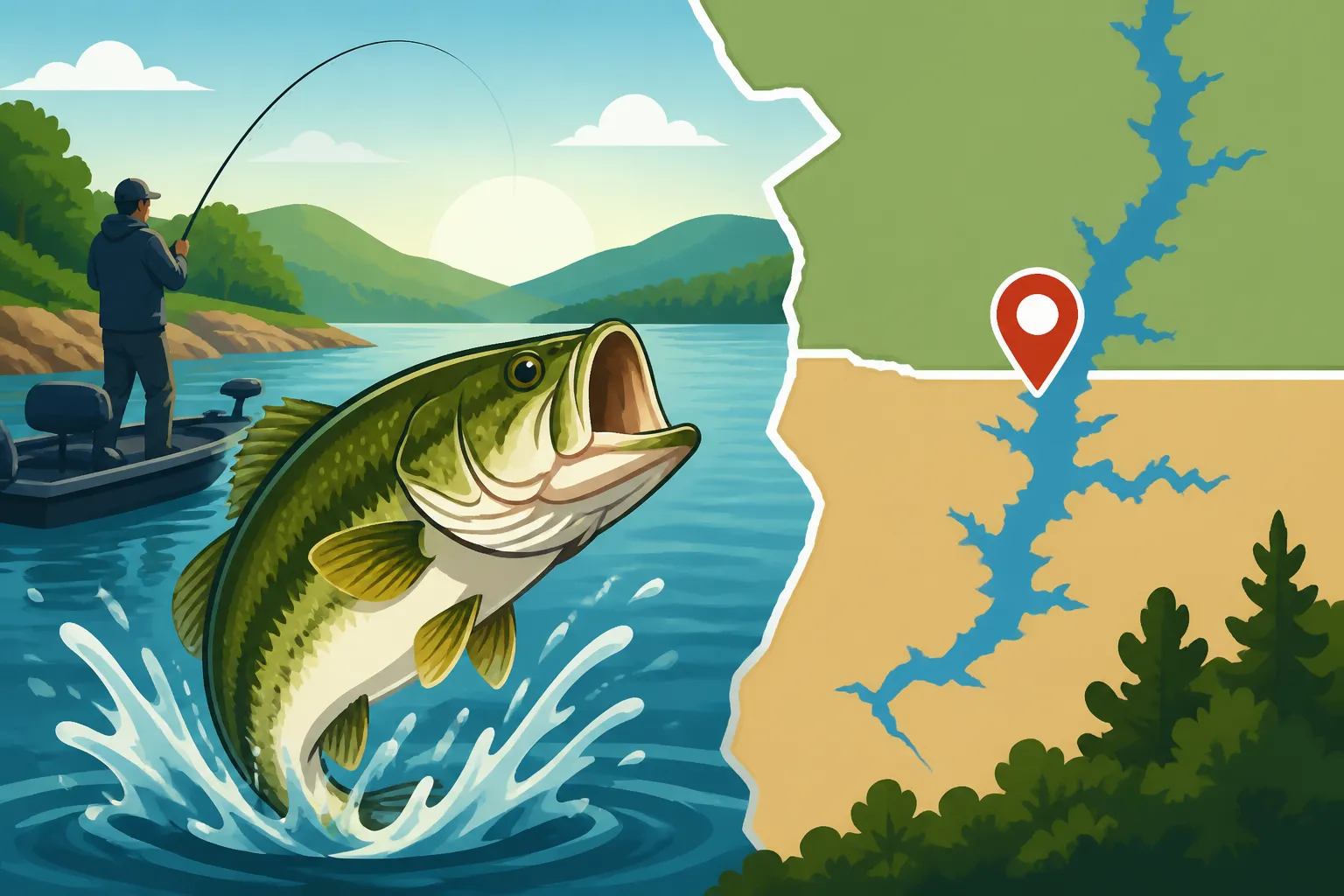
Imagine a serpentine lake winding its way through the Ozark Mountains. That's Norfork. The actual border itself is pretty well-marked on good fishing maps, often appearing as a dashed or solid line cutting across bays and main lake points. For anglers, this means that while you might launch your boat in Arkansas, you could easily find yourself fishing in Missouri waters within minutes, especially if you're exploring the northern arms and coves. This situation necessitates a keen awareness of your location and, critically, the respective fishing regulations of both states. While our focus here is on the Arkansas side and general Norfork Lake strategies, always be mindful of where you're casting. A quick glance at a GPS unit or a detailed lake map, like those offered by Navionics or Lowrance, can save you a lot of headaches and potential fines.
The terrain around the border region of Norfork Lake is typically rugged Ozark country, characterized by steep bluffs, rocky shorelines, and numerous timber-filled coves. This creates a diverse underwater landscape, offering everything from deep water channels and submerged humps to shallow flats and brush piles. The water clarity tends to be excellent for much of the year, which can make for challenging yet rewarding fishing, especially for sight feeders like bass and crappie.
Why the Border Area is a Prime Fishing Zone
So, what makes this specific border stretch so special for fishing? It's a combination of factors that create an incredibly rich ecosystem. First, the influx of different feeder creeks and rivers from both states brings a varied nutrient load, contributing to a robust forage base. This includes shad, sunfish, and various minnows, which are essential for sustaining healthy populations of game fish. When there's plenty for the baitfish to eat, and plenty of places for them to hide, you can bet the bigger fish won't be far behind.
Second, the structural diversity in this transitional zone is often unparalleled. You'll find a mix of steep rock walls, gravel points, brushy coves, and deep timber, providing ideal habitat for a multitude of species throughout the year. For instance, the deep channels near the border offer excellent cool-water sanctuaries for big Striped Bass Fishing in Arkansas during the summer, while the shallower, sun-warmed coves become prime spawning grounds for bass and crappie in the spring. The confluence of these varying habitats creates a dynamic fishing environment where fish are constantly moving and feeding, making it a fantastic area to explore for different species and techniques.
Top Norfork Lake Fishing Spots Near the Border
When you're looking at a map of Norfork Lake and seeing that state line wiggle, certain areas just pop out as consistent producers. These spots offer a great mix of habitat, access, and proven success for a variety of popular game fish. They're often where the true local knowledge shines, but we're going to give you a head start.
Henderson Area and Big Creek Arm
As you head north on Norfork, the Henderson area is a gateway to some truly fantastic fishing, especially the expansive Big Creek Arm. This arm reaches far north and has numerous smaller coves and tributaries that feed into it, making it a highly productive area. What makes this area stand out is the sheer amount of diverse structure. You'll find a mix of rocky points, gravel banks, and areas with submerged timber, all within casting distance.
The deeper channels and ledges throughout the Big Creek Arm are renowned for holding impressive populations of striped bass and walleye. Anglers often target these fish by trolling deep-diving crankbaits or presenting live shad on downlines in the main channel. As the lake narrows and becomes shallower, especially in the smaller coves, you'll find excellent opportunities for largemouth and smallmouth bass. Focus on the transition zones where rock meets gravel, or where brush piles offer cover. Crappie also congregate around submerged brush and standing timber in these coves, especially during their pre-spawn and spawning phases. For those seeking Norfork Lake: One of Arkansas's Best Striped Bass Fisheries, this arm is absolutely essential to explore.
Panther Bay and Hand Cove Regions
Further north, still comfortably within reach of the border, Panther Bay and Hand Cove present another set of prime targets. These bays are characterized by their considerable size, numerous secondary points, and a good mix of deep and shallow water. Panther Bay, in particular, has a reputation for turning out some truly massive striped bass. The combination of deep water access and abundant baitfish makes it a natural feeding ground for these powerful predators.
For striper anglers, the main lake points and humps leading into and out of Panther Bay are critical. Look for schooling baitfish on your electronics, as the stripers will often be lurking just beneath them. Live bait, like gizzard shad or threadfin shad, presented on a free line or a downline, is often the most effective method here. Don't overlook the secondary points and pockets within these bays for largemouth and smallmouth bass either. Topwater action can be phenomenal around dawn and dusk, especially near fallen trees and rocky outcroppings. The Best Striper Fishing Spots on Norfork Lake, Arkansas often includes these very productive regions.
Briarcliff and Robinson Point Access
While not directly on the state line, the areas around Briarcliff and Robinson Point offer fantastic access to the northern parts of Norfork Lake, making them ideal launching points for exploring the border region. These areas themselves are also highly productive. Briarcliff offers extensive shoreline access and several developed recreation areas, making it convenient for both bank anglers and those with boats. The deeper coves around Briarcliff can hold good numbers of bass and crappie, especially in the cooler months.
Robinson Point, a large peninsula extending into the lake, is another excellent choice. It features a marina, campsites, and some fantastic fishing points and coves. For anglers with boats, the convenience of launching here and then heading north toward the border can't be overstated. Many of the productive main lake points that hold bass and crappie are easily accessible from these locations. These points, with their varying depths and rock structures, act as natural ambush points for predatory fish. If you're looking for convenient launch spots, checking out the Boat Ramps on Norfork Lake for Striper Anglers that are strategically placed in these areas can save you valuable time.
Targeting Specific Species in the Border Waters
The border region of Norfork Lake isn't a one-trick pony; it's a multi-species angler's dream. With its diverse habitat, you can effectively target everything from hard-fighting striped bass to elusive smallmouth and abundant crappie. Knowing how to adjust your approach for each species is what truly separates a good day from an unforgettable one.
Mastering Striped Bass Tactics in Northern Norfork
Striped bass, often called "stripers," are arguably the kings of Norfork Lake, and the northern, border-adjacent waters are legendary for them. These powerful fish thrive in the deep, clear waters characteristic of this part of the lake. Successful striper fishing often revolves around understanding their movements in relation to baitfish and water temperature. During the hotter months, stripers will seek refuge in the cooler, oxygenated deep water, often suspending over the main lake channels or deep humps. This is when trolling large plugs like Heddon Super Spooks or pulling live bait (gizzard shad being a prime choice) on downriggers or planer boards becomes incredibly effective. Look for areas where schools of baitfish are congregating on your fishfinder.
In the spring and fall, as water temperatures become more temperate, stripers will move shallower, often chasing bait into the backs of coves or congregating around points. This is when you might experience explosive topwater action, especially at dawn and dusk. Casting large walking baits or prop baits can entice violent strikes. Another effective technique is "deadsticking" live bait, where you simply let a lively shad drift naturally with the current or over a deep structure. The Best Bait for Striped Bass in Arkansas is almost always live shad, but large swimbaits can also be very productive when fished strategically.
Finding Bass Largemouth, Smallmouth, Kentucky Along the Coves and Points
Norfork Lake offers a fantastic mix of all three primary black bass species: largemouth, smallmouth, and Kentucky (spotted) bass. Each has its preferred habitat, but you'll often find them sharing the same general areas, particularly the numerous coves and rocky points of the border region.
Largemouth Bass: These green giants prefer cover and structure. In the northern lake, target the backs of coves with standing timber, laydowns, or brush piles. Spinnerbaits, jigs, and Texas-rigged soft plastics are excellent choices for probing this dense cover. During the spring spawn, look for them on shallower flats or gravelly pockets.
Smallmouth Bass: Known for their fighting prowess, smallmouth thrive in the clearer, rockier areas of Norfork. Concentrate your efforts on main lake points, bluff walls, and rocky banks with ledges and crevices. Small crankbaits, tubes, finesse jigs, and shaky head worms are deadly on these bronzebacks. They often hold deeper than largemouth, especially during brighter conditions. Understanding the differences between these species is crucial, as explained in Bass Fishing in Arkansas: Largemouth, Smallmouth, and Kentucky Bass Explained.
Kentucky (Spotted) Bass: These aggressive fish are often found mixed with smallmouth but can also inhabit deeper rocky areas. They're typically more structure-oriented than largemouth and will readily hit small crankbaits, grub baits, and drop-shot rigs. They tend to school up more than the other bass species, so if you catch one, there are likely more around.
Crappie and Panfish Hotspots
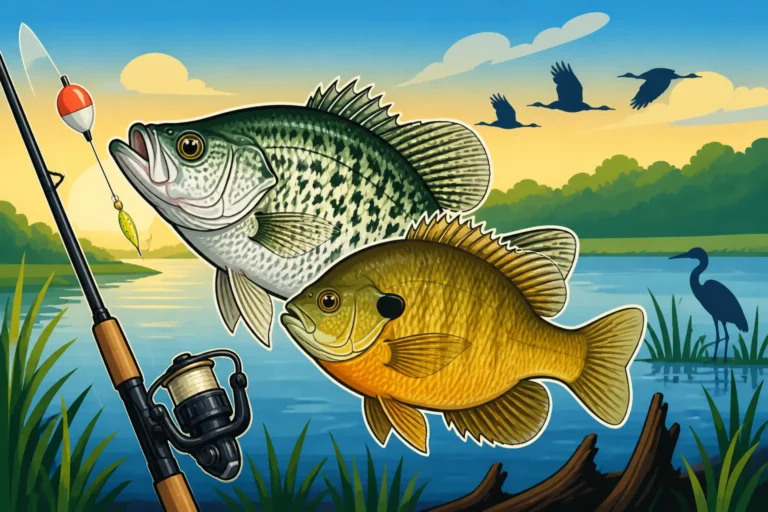
Crappie fishing on Norfork Lake, especially in the northern arms, can be incredibly rewarding. Both black and white crappie call these waters home. They are structure-loving fish and will gravitate towards submerged timber, brush piles, dock pilings, and creek channel drop-offs. The deeper coves and secondary arms of the border region are prime crappie territory.
During the pre-spawn and spawn (typically spring), crappie will move shallower into brushy areas or around fallen trees. Small jigs, particularly in chartreuse, white, or black-and-chartreuse, tipped with a minnow or fished solo, are highly effective. Tightlining multiple jigs vertically over brush piles is a popular and productive technique. As water temperatures rise, crappie will retreat to deeper brush piles and standing timber, often suspending in 15-30 feet of water. Electronics are invaluable for locating these submerged structures. For those specifically looking to chase these speckled beauties, Norfork is certainly one of the Best Crappie Lakes in Arkansas.
Beyond crappie, the shallows of these northern coves are also excellent for various panfish like bluegill and redear sunfish. Worms, crickets, or small artificial grubs fished under a bobber near lily pads, submerged grass, or brush are simple yet highly effective methods, perfect for a relaxed day or introducing kids to fishing.
Practical Tips for Fishing Norfork Lake's Border Region
Fishing the expansive, border-spanning waters of Norfork Lake requires more than just knowing where the fish are; it demands a practical understanding of navigation, essential gear, and when to seek the wisdom of a local expert.
Navigation and Safety Considerations
Navigating the northern reaches of Norfork Lake, especially around the Arkansas-Missouri border, presents its own set of challenges and exhilarating opportunities. First and foremost, a reliable GPS unit with detailed mapping is not just a luxury, it's a necessity. The lake has numerous coves, arms, and submerged structures that can be disorienting, particularly on cloudy days or when fog rolls in. Companies like Garmin and Humminbird offer excellent mapping capabilities that clearly delineate depths, channels, and sometimes even the state line itself. Always keep an eye on your charts to understand if you're in Arkansas or Missouri waters, as this impacts licensing requirements.
Beyond navigation, safety is paramount. Norfork is a large lake, and weather conditions can change rapidly, especially with the Ozark Mountains creating unpredictable winds. Always check the forecast before heading out. Ensure your boat is equipped with all required safety gear, including life jackets for everyone on board, a fire extinguisher, a throw cushion, and signaling devices. Because of the lake's rugged shoreline and often deep water, swimming to shore in an emergency can be challenging. If you're planning a full day of exploration, make sure you have enough fuel, water, and snacks. You might also find yourself wondering, Do You Need a Boat to Fish Norfork Lake? The answer is often yes, especially to fully explore the border region, as much of the most productive water is far from shore.
Essential Gear and Bait Recommendations
Having the right gear makes all the difference, especially when you're targeting a variety of species in diverse conditions.
Rods and Reels: For general bass and crappie fishing, a medium-light to medium-action spinning rod (6'6" to 7'0") with 8-12 lb fluorocarbon or monofilament line is versatile. For the heavy-hitting striped bass, you'll want a medium-heavy to heavy-action baitcasting or spinning rod (7'0" to 7'6") paired with a robust reel spooled with 20-30 lb braided line and a strong fluorocarbon leader.
Lures and Baits:
- Striped Bass: Live gizzard or threadfin shad are hands-down the most effective bait for trophy stripers. Large trolling plugs (e.g., Rapala Deep Dive Husky Jerk, Bomber Long A), swimbaits (e.g., Castaic Soft Trout Swimbait), and bucktail jigs are also productive.
- Largemouth Bass: Jigs, Texas-rigged plastics (worms, creature baits), spinnerbaits, crankbaits, and topwater lures.
- Smallmouth Bass: Small crankbaits, tubes, finesse jigs, drop-shot worms, and Ned rigs.
- Kentucky Bass: Often respond well to the same lures as smallmouth, but also grub baits and small swimbaits.
- Crappie: Small jigs (1/32 to 1/8 oz) in chartreuse, white, or black/chartreuse. Tipping with a crappie minnow is often irresistible. Small spinnerbaits and soft plastic grubs also work.
- Panfish: Worms, crickets, small poppers, and tiny beetle spins.
Don't forget a good selection of terminal tackle, including hooks of various sizes, sinkers, swivels, and a sturdy pair of pliers. A quality cooler for your catch and plenty of ice are also crucial.
Hiring a Local Guide for Border Expertise
For anglers new to Norfork Lake, or even seasoned veterans looking to gain an edge, hiring a local fishing guide can be an invaluable investment. These professionals spend countless hours on the water and possess an intimate knowledge of the lake's ever-changing conditions, fish patterns, and, critically, the nuances of fishing the border waters. A good guide knows precisely where the fish are holding based on the season, water temperature, and recent activity. They can quickly put you on the fish, teach you effective techniques specific to Norfork, and even help you navigate the often-complex regulatory landscape near the state line.
A guide will provide all the necessary gear, bait, and often even snacks and drinks, allowing you to focus solely on the fishing experience. They're particularly beneficial for targeting trophy Norfork Lake's Reputation for Trophy Striped Bass Fishing, as finding these elusive giants requires specialized equipment and expertise. Many anglers find value in checking platforms like FishingBooker to find experienced local guides operating on Norfork Lake. They can compare different guides, read reviews, and book trips tailored to their specific interests, whether it's a full-day striper hunt or a more relaxed crappie trip. Before booking, consider checking out resources like Arkansas Fishing Guides and Charters: The Complete Booking Guide to ensure you're well-prepared and know what questions to ask.
| Fish Species | Prime Border Locations | Best Time of Year | Recommended Baits/Lures | Key Feature to Target |
|---|---|---|---|---|
| Striped Bass | Big Creek Arm, Panther Bay, Main Channel | Spring, Summer (deep), Fall | Live shad, large trolling plugs, swimbaits | Deep channels, humps, baitfish schools |
| Largemouth Bass | Backs of coves, timbered areas | Spring, Fall | Jigs, Texas-rigs, spinnerbaits, crankbaits | Submerged timber, brush piles, laydowns |
| Smallmouth Bass | Rocky points, bluff walls, ledges | Spring, Fall | Small crankbaits, tubes, finesse jigs, drop-shot | Rock transitions, ledges, clear water |
| Crappie | Deeper coves, standing timber | Spring, Fall | Small jigs (tipped with minnows), soft plastics | Submerged brush, standing timber |
| Panfish | Shallow coves, vegetated areas | Spring, Summer | Worms, crickets, small poppers, beetle spins | Lily pads, shoreline brush, shallow flats |
Disclaimer
Please remember that fishing regulations, including license requirements, size limits, and daily creel limits, are subject to change. Always consult the latest regulations from the Arkansas Game and Fish Commission and the Missouri Department of Conservation before heading out on Norfork Lake, especially when fishing near the state border. It is your responsibility to know and follow all applicable laws. Information provided here is for general guidance and informational purposes only.