Lake Hamilton Fishing Spots Near Downtown Hot Springs
Lake Hamilton in Hot Springs is an absolute gem, a beautiful blend of natural beauty and resort town charm. But let's be honest, with its sprawling size and the bustling downtown proximity, figuring out where the prime fishing spots are can feel a bit overwhelming, especially if you're not a local. You want to make the most of your time on the water, whether you’re casting from the bank or heading out in a boat. This guide is going to cut through the confusion and pinpoint those sweet spots near downtown Hot Springs where you can truly get on the fish.
Lake Hamilton's Unique Blend of Urban and Wild Fishing
When you think of Lake Hamilton, your mind might immediately conjure images of vibrant resort life, scenic boat tours, and perhaps a relaxing stay at a Hot Springs hotel. And while all that is true, beneath the surface and along its diverse shoreline lies a surprisingly rich and varied fishing environment. It's truly a lake that offers something for every angler, from those seeking a peaceful escape to the thrill of a trophy catch, all within minutes of downtown Hot Springs. The unique aspect here is how seamlessly the urban development melts into natural coves, deep channels, and timbered areas, creating a complex ecosystem that fish absolutely thrive in.
The Urban-Meets-Wild Appeal of Lake Hamilton
It's a common misconception that highly developed lakes lose their fishing quality. However, Lake Hamilton defies this. The very presence of docks, seawalls, and bridges, often associated with urban sprawl, creates fantastic man-made structure that bass, crappie, and sunfish absolutely love. These structures offer shade, ambush points, and cover from predators. Couple that with the lake's natural deep channels, submerged timber, and rocky points, and you've got a recipe for diverse fishing opportunities. You can be casting to a brush pile under a private dock one minute and then exploring a quiet, wooded cove the next. This accessibility, combined with the quality of fishing, is what makes Lake Hamilton a standout destination. For more on what species call these waters home, check out our guide on Arkansas Fish Species: A Complete Guide to What's Swimming in Your Waters.
Key Lake Features to Look For Near Downtown
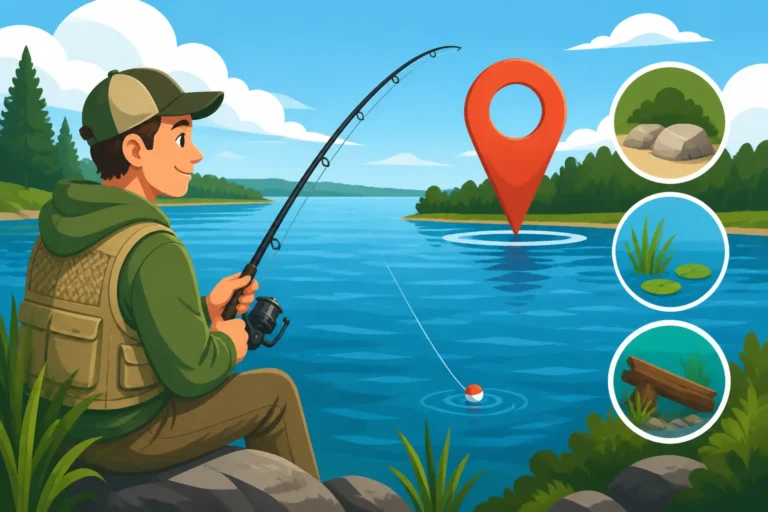
Successful fishing on Lake Hamilton, especially close to downtown, means understanding where the fish like to hang out. You're looking for structure and changes in depth. Think about it: fish need cover, food, and comfortable water temperatures. Near downtown Hot Springs, these vital elements are abundant. Keep an eye out for boat docks, as they provide overhead cover and often have brush piles sunk nearby by homeowners. Seawalls create vertical drops that attract baitfish, and larger game fish aren't far behind. Bridges and causeways are also goldmines; their pilings often hold schools of crappie and stripers, especially when current is moving through. Additionally, areas where creeks feed into the lake can concentrate baitfish and provide cooler water, making them prime targets after a rain.
Unlocking the Best Shore Fishing Opportunities Near Downtown Hot Springs
Not everyone has a boat, and that's perfectly fine! Lake Hamilton offers some genuinely productive shore fishing opportunities, even right near the heart of Hot Springs. You just need to know where to look beyond the obvious resort areas. The key is finding public access points that offer a variety of cover and depth, or areas where bridges and causeways provide easy casting access to deeper water. Don't be discouraged by the popularity of the lake; with a little strategy, you can find a quiet spot and hook into some great fish. If you're wondering about specific locations for casting from land, our Shore Fishing Access Points on Lake Hamilton article provides even more detail.
Andrew Hulsey Fish Hatchery and Nearby Areas
One of the absolute best spots for shore anglers, particularly those looking for a diverse catch, is the Andrew Hulsey Fish Hatchery. Located just a short drive from downtown, this facility isn't just for raising fish; it offers excellent public access to Lake Hamilton. You can often find a good mix of species here, including bass, crappie, and various panfish. The area around the hatchery often has deeper water close to the bank, which is a huge plus for shore anglers. You might even stumble upon some catfish. It's a fantastic spot for families, as the educational aspect of the hatchery adds to the overall experience. Plus, it's generally well-maintained and offers ample parking.
The consistent stocking efforts by the Arkansas Game and Fish Commission mean that fish populations around the hatchery are usually robust. This is an ideal spot to throw out a worm under a bobber for bluegill or use small jigs for crappie. For bass, try casting crankbaits or soft plastics parallel to the shore, working them around any submerged structure you can find. Remember that you'll still need your Arkansas Fishing License Rules and Costs, even when fishing near the hatchery.
Garvan Woodland Gardens Public Access
This might seem like an unconventional fishing spot, but Garvan Woodland Gardens, a stunning botanical garden affiliated with the University of Arkansas, offers unique and scenic access to Lake Hamilton. While the primary purpose of the gardens is botanical beauty, there are areas along the shoreline within the property where fishing is permitted. This means you can enjoy the beautiful surroundings while casting a line. It's often a more peaceful and less crowded option than some of the more obvious public parks.
Fishing here provides a different kind of experience. The waters adjacent to the gardens tend to have a good mix of natural shoreline and some man-made enhancements that attract fish. It’s particularly good for those who enjoy fly fishing or light tackle for panfish and smaller bass. Check their specific rules for fishing before you go, as policies can change. It's a perfect blend of nature appreciation and angling, making it a truly special place to wet a line near downtown Hot Springs.
Bridge Pilings and Causeway Fishing
The various bridges and causeways that cross Lake Hamilton near Hot Springs are absolute magnets for fish. These structures provide shade, current breaks, and a bounty of algae and small organisms that attract baitfish, which in turn attract larger game fish. From the banks or walkways adjacent to these structures, you can often reach deeper water without a boat. The US-70 causeway is a prime example, offering excellent access to structure.
Target species like crappie and striped bass love to suspend around these pilings. For crappie, a simple jig-and-bobber setup or vertical jigging with small spoons can be incredibly effective. For stripers, especially during their feeding windows, throwing larger swimbaits or live bait can yield impressive results. Always be mindful of traffic and local regulations when fishing from bridges or causeways. Safety first! These spots are especially productive in the cooler months when fish congregate in deeper, more stable water.
Navigating Lake Hamilton by Boat for Top Fishing Action
For those with access to a boat, Lake Hamilton truly opens up, offering an incredible array of fishing opportunities that extend far beyond the shoreline. While downtown Hot Springs buzzes with activity, a short boat ride can take you to secluded coves, deep channels, and offshore structures that hold some of the lake's biggest and most sought-after fish. Knowing where to launch and what to look for beneath the surface is key to a successful day on the water. If you’re planning your boating adventure, our Boat Ramps on Lake Hamilton Near Hot Springs guide can help you find the best access points.
Targeting Stripers Near Dams and Deep Channels
Lake Hamilton is famous for its striped bass, and these powerful fish often patrol the deeper, cooler waters, especially near the dam and in the main lake channels. Anglers seeking these hard-fighting giants often focus on the areas around the Carpenter Dam, where the consistent current and deep water create ideal conditions. Stripers love to ambush baitfish that are pushed through these areas. This can be a challenging but incredibly rewarding experience.
To successfully target stripers, you'll want to use heavy tackle and often live bait like gizzard shad, or large artificial lures like umbrella rigs or deep-diving crankbaits. Trolling these baits at the right depth can be highly effective, especially when you're covering vast expanses of water. Using your boat's fishfinder is crucial here to locate schools of baitfish and the stripers lurking beneath them. Early morning and late evening often provide the best action, but stripers can be caught throughout the day if you find them in the deep. Learn more about Striper Fishing on Lake Hamilton in Hot Springs, Arkansas to hone your skills.
Bass and Crappie in Marina Coves and Docks
While the main lake is great for stripers, the countless marinas, residential docks, and quiet coves near downtown Hot Springs are phenomenal for largemouth bass and crappie. These areas offer abundant cover and structure. Bass love to hide under docks, around boat lifts, and near seawalls, ambushing passing baitfish. Flipping jigs, pitching soft plastics, or working a Texas rig around these structures can produce excellent results. Often, homeowners sink brush piles near their docks, creating irresistible havens for fish.
Crappie, on the other hand, will often suspend under docks or around the pilings, particularly in deeper coves. Vertical jigging with small jigs or minnows is a classic and highly effective technique. Look for docks that offer plenty of shade and are near a depth change. If you're utilizing a service like FishingBooker to find a local guide, they often have intimate knowledge of these localized hotspots, even the ones that might seem inconspicuous to the untrained eye. Always be respectful of private property when fishing around docks and marinas; stay in your boat and avoid tying up or encroaching on private areas.
Mid-Lake Humps and Brush Piles
Beyond the visible structures, Lake Hamilton also boasts an impressive array of underwater features that are perfect for anglers with good electronics. Mid-lake humps, submerged islands, and intentionally sunken brush piles become crucial fish magnets, especially during warmer months. These offshore structures are often overlooked by casual anglers but can hold large concentrations of bass and crappie.
Finding these spots requires a good sonar unit. Look for abrupt depth changes, hard bottoms, or dense clusters on your screen that indicate brush. Once you find them, vertical presentations like drop-shotting, jigging spoons, or even slow-rolling deep-diving crankbaits can be incredibly effective for bass. For crappie, multiple rod setups with minnows or jigs at varying depths around the brush pile can quickly help you dial in on the bite. These spots are particularly rewarding because they often hold bigger, less pressured fish.
Mastering Seasonal Strategies for Lake Hamilton's Downtown Waters
Lake Hamilton is a year-round fishery, but the tactics you employ, and the locations you target, will definitely shift with the seasons. Fish behavior is heavily influenced by water temperature, available forage, and spawning cycles. Understanding these seasonal patterns is key to consistently catching fish, whether you're after bass, crappie, or the formidable striped bass near downtown Hot Springs. Being adaptable is your best friend when fishing a diverse lake like Hamilton. Our Arkansas Fishing Seasons Guide gives a broader overview of the state's seasonal patterns.
Springtime Spawning Action
Spring on Lake Hamilton, typically from March to May, is a period of intense activity as water temperatures rise and fish move shallow to spawn. This is prime time for bass and crappie. Largemouth bass will stage on points and then move into shallow coves, especially those with some cover like lily pads, submerged grass, or brush. They'll be looking for beds, and sight fishing can be very effective if the water is clear. Spinnerbaits, chatterbaits, and soft plastics like creature baits are excellent choices for tempting pre-spawn and spawning bass. For more in-depth bass strategies, check out our Bass Fishing Techniques for Beginners.
Crappie will also push into the shallows, congregating in brush piles and around docks in the backs of coves. They’ll be looking for warmer water and suitable structure to lay their eggs. Small jigs tipped with minnows or soft plastic bodies are deadly. Look for these fish in water as shallow as 2-5 feet. This is an exciting time to be on Lake Hamilton, as many fish are catchable from the bank or from a boat in easily accessible areas.
Summer Deep Water Tactics
As the scorching Arkansas summer sets in, Lake Hamilton's waters heat up, forcing many fish to seek refuge in deeper, cooler oxygen-rich areas. While early morning and late evening might see some fish briefly move shallower, the bulk of the day's fishing for bass, crappie, and stripers will be in deeper water. For bass, this means targeting deep humps, ledges, and channels. Drop-shot rigs, deep-diving crankbaits, and Carolina rigs are essential tools. Focus on shaded areas under docks that have access to deep water.
Stripers will often be found suspended in the main lake basin, following schools of baitfish. Trolling live bait or large artificial lures at various depths becomes critical. Crappie will retreat to deeper brush piles, often 15-30 feet deep. Spider rigging with multiple rods, presenting minnows or jigs at different depths, can be very effective for finding these suspended schools. This is where your electronics truly earn their keep. Booking a guide, perhaps through a platform like FishingBooker, can give you a significant advantage in locating these summer deep-water hotspots and understanding the nuances of how to fish them.
Fall Feeding Frenzies
Fall is a fantastic time to fish Lake Hamilton, as cooling water temperatures trigger aggressive feeding behaviors in most species. Fish start to fatten up for the leaner winter months. Bass will often move back to shallower points, creek channels, and even back into coves, chasing baitfish that are pushed to the surface. Topwater lures, lipless crankbaits, and jerkbaits can be incredibly effective during these feeding windows. Look for schooling fish on the surface, especially early and late in the day.
Crappie, too, become more active and can be found in a wider range of depths, from shallow brush to deeper submerged timber. They'll be much more willing to chase a jig or minnow. Striped bass often become more accessible, sometimes schooling on the surface or pushing bait into shallower creek arms. The fall color changes around Hot Springs make for a beautiful backdrop to some of the year's best fishing action.
Winter Persistence
Don't let the colder temperatures deter you; winter fishing on Lake Hamilton can be surprisingly productive, especially for larger fish. While overall activity slows down, many species become more concentrated and can be found in predictable deep-water patterns. Largemouth bass will often relate to deep structure like bluffs, deep points, and submerged timber. Slow presentations with jigs, shaky heads, or suspending jerkbaits are key. Fish these baits meticulously and slowly, as bites can be subtle.
Crappie will huddle in large schools around deep brush piles or submerged trees, often in the 20-40 foot range. Vertical jigging with small spoons or minnows directly over the schools is the most effective method. For striped bass, winter can be trophy time. These fish will remain in deep channels but can often be found suspended at specific depths where baitfish are abundant. Live bait, especially large gizzard shad, fished deep is a go-to tactic. A good fishfinder is indispensable for locating these winter schools.
Lake Hamilton Fishing Spots and Seasonal Tactics
| Fish Species | Prime Downtown Area Spots | Seasonal Hot Spots (Near Downtown) | Recommended Bait/Lure |
|---|---|---|---|
| Largemouth Bass | Docks, seawalls, Garvan Woodland Gardens shoreline | Spring: Shallow coves, spawning flats | Spinnerbaits, jigs, soft plastics |
| Bridge pilings, Andrew Hulsey Hatchery | Summer: Deep docks, humps, ledges | Drop-shots, deep crankbaits | |
| Marina coves, brush piles | Fall: Points, creek channels, schooling areas | Topwaters, lipless cranks, jerkbaits | |
| Winter: Deep bluffs, submerged timber | Jigs, suspending jerkbaits | ||
| Crappie | Docks, Andrew Hulsey Hatchery | Spring: Shallow brush, docks in coves | Small jigs, minnows |
| Bridge pilings, marina coves | Summer: Deep brush piles (15-30 ft) | Vertical jigs, minnows | |
| Fall: Docks, submerged timber, creek channels | Jigs, minnows, small spoons | ||
| Winter: Deep brush piles (20-40 ft) | Small spoons, minnows | ||
| Striped Bass | Main lake channels, deep points | Spring: Dam tailrace, main channels | Live shad, large swimbaits, umbrella rigs |
| Near Carpenter Dam | Summer: Suspended in main lake basin | Trolled live bait, deep-diving plugs | |
| Fall: Main lake, chasing bait to surface | Topwaters (if schooling), live bait, large jigs | ||
| Winter: Deep channels, suspended schools | Live shad, large spoons | ||
| Panfish (Bluegill, Sunfish) | Andrew Hulsey Hatchery, Garvan Woodland Gardens shoreline | Year-round: Shallow cover, docks | Worms, crickets, small jigs, fly-rod poppers |
If you're looking for even more insight into specific species, especially the feisty crappie, don't miss our comprehensive Arkansas Crappie Fishing Season Guide.
Disclaimer
The information provided in this guide is for general informational purposes only. Fishing conditions and regulations in Arkansas can change. Always consult the latest regulations from the Arkansas Game and Fish Commission before heading out. Fishing involves inherent risks, and it is important to take appropriate safety precautions, including wearing a life vest and being aware of weather conditions.