Lake Millwood Fishing Guide in Southwest Arkansas
For anglers seeking a true adventure in Southwest Arkansas, navigating a new lake can feel like solving a complex puzzle. Many of us arrive eager to cast a line, only to be overwhelmed by unfamiliar waters, hidden structures, and the endless question of where the fish are hiding. This comprehensive guide is designed to cut through that confusion, offering you an in-depth look at Lake Millwood, a fishing paradise that, while challenging, rewards persistence with some of the best bass, crappie, and catfish action in the state.
Understanding Lake Millwood's Unique Character
Lake Millwood isn't your average clear-water reservoir. Tucked away in Southwest Arkansas, near towns like Ashdown and Foreman, this sprawling body of water, managed by the U.S. Army Corps of Engineers, is a fascinating ecosystem formed by damming the Little River. What makes it truly stand out, and sometimes frustrates newcomers, is its incredibly dense submerged timber and vast expanses of hydrilla and other aquatic vegetation. This isn't a lake where you just open up the throttle and race across the surface; it demands respect, careful navigation, and an understanding of how these unique features create prime habitat for an abundance of fish.
The Landscape Beneath the Surface
Imagine a forest floor, now submerged. That's essentially what much of Lake Millwood is like. Before the lake was impounded in the early 1960s, a significant portion of the timber was left standing, creating an underwater maze of stumps, logs, and brush. This provides an incredible amount of cover and ambush points for predatory fish like largemouth bass, and shelter for baitfish and panfish. However, it also means that operating a boat requires constant vigilance, especially if you venture outside the marked navigation channels. Anglers who embrace this challenge often find themselves rewarded with less pressured fish and incredible catches. The lake's average depth is relatively shallow, around 8-10 feet in many areas, though the river channel runs much deeper. This shallow nature, combined with the heavy cover, makes it a fertile ground for aquatic plant growth, particularly hydrilla, especially in the warmer months.
Navigating the Waters and Access Points
Given the heavy timber, getting around Lake Millwood can be a bit of an art form. The main river channel of the Little River, which feeds into the lake, offers deeper and clearer paths, but the real fishing action often happens off the beaten path, in the timber-filled coves and flats. There are several excellent boat ramps strategically located around the lake, making access possible for various types of watercraft, from bass boats to jon boats and kayaks. Areas like Millwood State Park, located on the northern shore, offer prime access with concrete ramps, camping facilities, and even a marina. Other popular ramps include those at White Cliffs Recreation Area and Saratoga Landing. It's always a good idea to consult a detailed map or use a reliable GPS system with updated lake contours to avoid any unexpected encounters with stumps or shallow flats, especially if you're exploring new areas for the first time. For detailed information on where to launch, you might find our guide on Boat Ramps on Lake Millwood in Southwest Arkansas particularly helpful.
Target Species and Prime Fishing Opportunities
Lake Millwood is a diverse fishery, renowned for its healthy populations of largemouth bass, crappie, and various catfish species. While these are the headliners, you'll also find a good number of sunfish and even some striped bass making appearances. Each species presents its own unique challenge and reward, drawing anglers from across the region to experience Millwood's distinctive charm.
Largemouth Bass Fishing
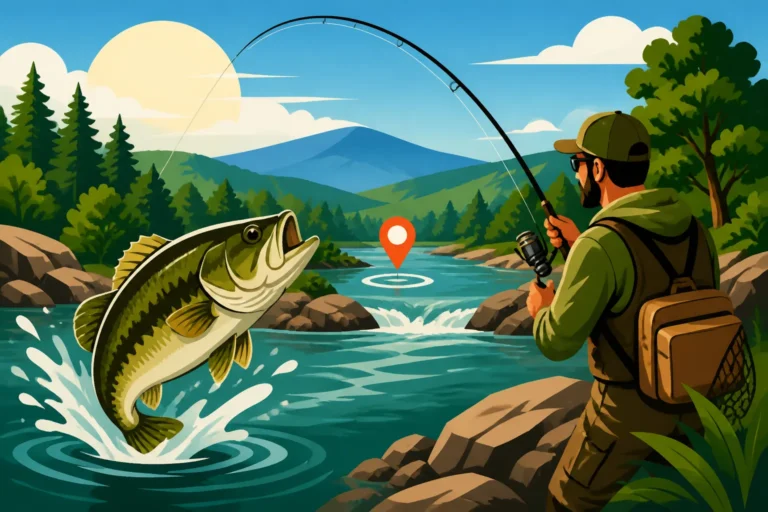
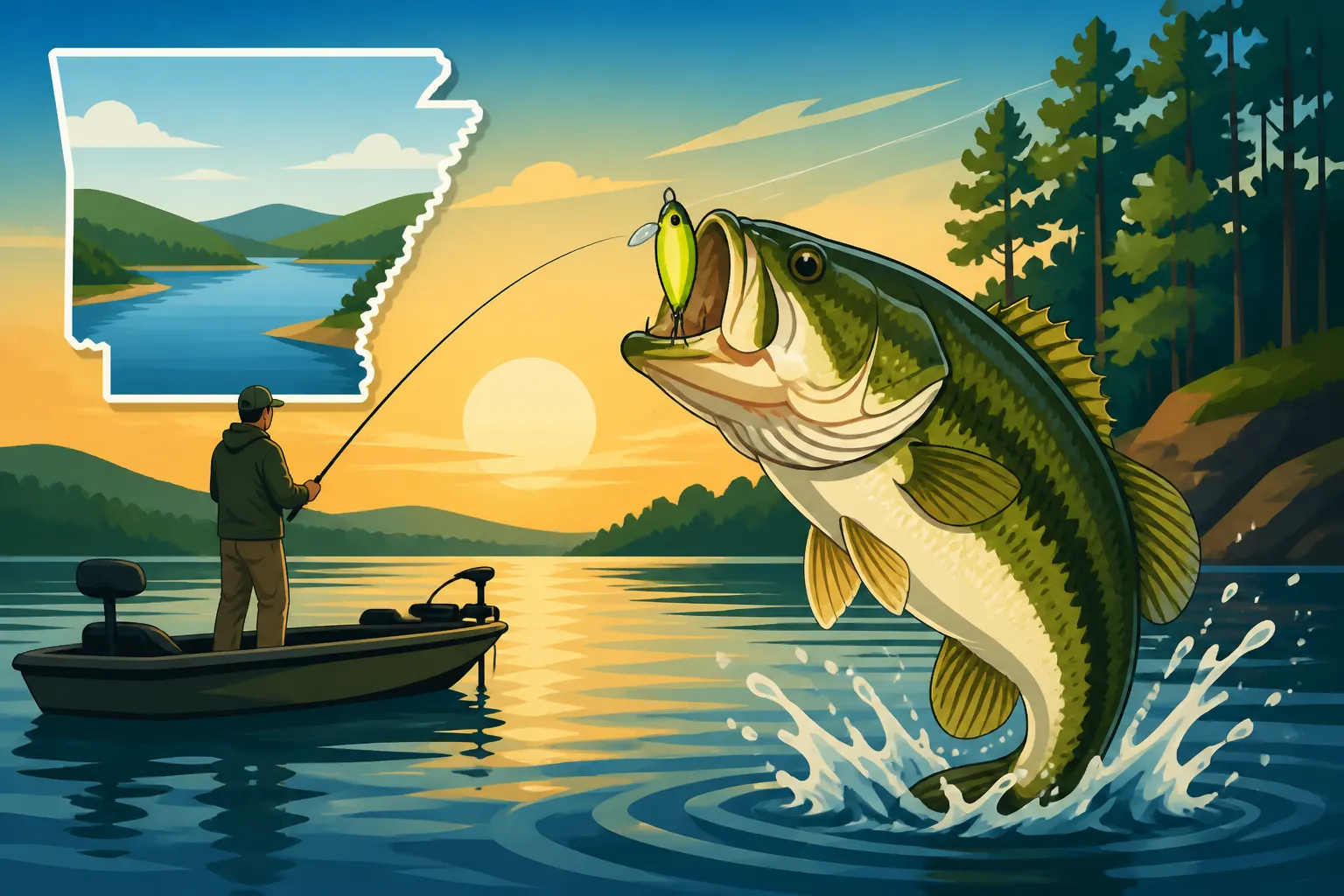
If there's one species that truly thrives in Lake Millwood's habitat, it's the largemouth bass. The endless cover provided by submerged timber, hydrilla, and cypress trees creates a perfect environment for them to grow big and healthy. Anglers often describe Millwood bass as being particularly robust, thick-bodied fish, likely due to the abundant forage available in the dense cover. This lake has a strong reputation for producing trophy-sized bass, making it a bucket-list destination for many dedicated bass fishermen. The Largemouth bass daily limit statewide is 5 fish, but always check for any specific lake exceptions, especially regarding size limits, as they can sometimes vary.
Many anglers target these bass by flipping and pitching jigs, Texas-rigged plastics, or creature baits into the thickest cover they can find. This technique is often effective year-round, as bass tend to relate tightly to structure. During the warmer months, topwater frogs and buzzbaits worked over matted hydrilla can produce explosive strikes, a truly exhilarating experience. Spinnerbaits and chatterbaits are also excellent choices for working the edges of vegetation or bumping off submerged stumps. Crankbaits can be highly effective when fished along the deeper river channels or around defined timber lines, especially in cooler water.
Crappie and Catfish Populations
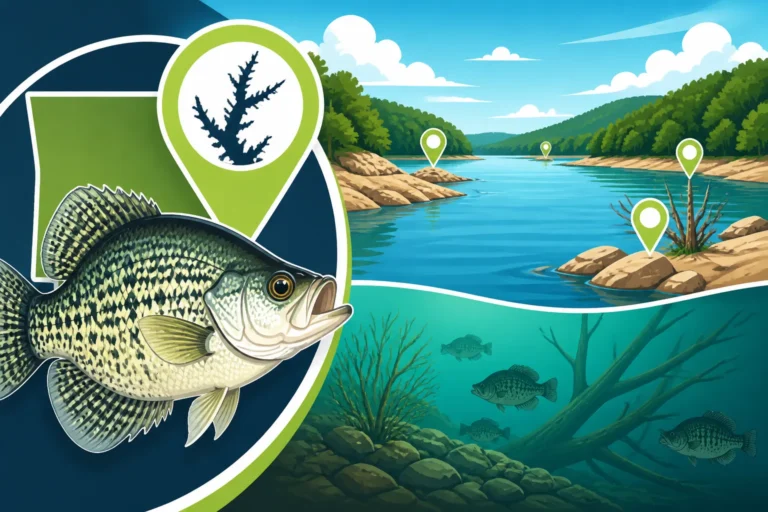
Beyond bass, Lake Millwood holds a fantastic population of crappie, both black and white. These popular panfish utilize the same timber and brush piles as the bass, often schooling up in large numbers around submerged structures. Crappie fishing here can be incredibly productive, especially during the spring spawn when they move into shallower water, or in cooler months when they stack up in deeper timber. Our guide to Crappie must be 9 inches or longer to keep in Arkansas offers excellent information on statewide rules.
For crappie, many anglers find success using small jigs tipped with minnows or soft plastics, either vertically jigged over structure or cast to the edges of cover. Trolling with multiple rods and different colored jigs is also a popular and effective method for locating schools of crappie scattered throughout the timber.
Catfish are another major draw at Lake Millwood, with healthy populations of channel, blue, and flathead catfish. The Little River channel provides ideal habitat for these whiskered predators, and they can grow to impressive sizes here. Bottom fishing with a variety of baits, from cut bait to stink baits and worms, is a tried-and-true method for catfish. Trotlines and juglines are also popular on Millwood, especially for those targeting larger blue and flathead catfish in the river channels and deeper holes.
Other Notable Species
While not as prominent as the big three, you can also encounter other species in Lake Millwood. Various sunfish, including bluegill and redear sunfish, provide excellent light-tackle fun, especially for families or beginners. They are often found around shallower cover, docks, and lily pads, and readily bite on worms or small jigs. Occasionally, striped bass and white bass can be caught, particularly in the deeper, more open areas of the lake or near the river channel, especially when schools of baitfish are present.
Best Fishing Spots and Techniques on Millwood
Lake Millwood's unique topography means that understanding where and how to fish can make all the difference. It's a lake that rewards those who are willing to explore and adapt their techniques to the specific conditions. From thick timber to expansive hydrilla beds, each area presents a different opportunity for a successful outing.
Navigating the Timber and Hydrilla
The overwhelming amount of standing and submerged timber is both a blessing and a curse. While it provides incredible habitat, it can also be intimidating. When fishing the timber, focus on areas where the trees thin out slightly, creating natural travel lanes for fish, or on points and bends within the timber that funnel bait. Pitching jigs, creature baits, or heavy Texas-rigged worms into the dense wood is often the most effective approach. Use heavy line – 50-65lb braid is not uncommon – to muscle fish out of the cover and prevent break-offs.
Hydrilla beds are another dominant feature, particularly in the warmer months. These dense mats provide shade, oxygen, and ambush points. Flipping and punching heavy jigs or soft plastics through the matted vegetation can be incredibly productive. Topwater frogs and rats walked across the top of these mats will often elicit explosive, heart-stopping strikes from lurking bass. Don't be afraid to experiment with different colors and retrieve speeds until you find what the fish are keying in on.
Strategic Fishing Locations Around the Lake
Lake Millwood boasts several distinct areas that consistently produce good fishing. Each has its own character and best times of year to fish.
- Little River Channel: The old Little River channel, winding through the lake, is a perennial hotspot. It offers deeper water, often with hard bottom areas, and serves as a major thoroughfare for all species. Look for drops, bends, and submerged structure along the channel for crappie and catfish. Bass will often stage on the channel edges, especially during cooler months or when moving to and from spawning areas.
- Millwood State Park Area: The area surrounding Millwood State Park offers not only great access but also excellent fishing. There are numerous coves and timbered flats that hold good populations of bass and crappie. The park's shoreline itself provides good bank fishing opportunities, especially for panfish.
- White Cliffs Recreation Area: Similar to Millwood State Park, White Cliffs provides excellent boat access and a variety of habitats. The western side of the lake tends to be shallower and timber-dense, offering fantastic flipping and pitching opportunities.
- Bridge Pilings and Roadbeds: The remnants of old roadbeds and the pilings of bridges (like those crossing the Little River) often concentrate fish. These man-made structures provide vertical cover in an otherwise horizontal world and can be magnets for crappie, bass, and catfish. Look for brush piles that anglers have intentionally sunk around these structures.
- Mouth of the Saline River: Where the Saline River enters Lake Millwood, you'll often find a change in water color, current, and structure. This confluence can be a dynamic area for all species, especially when fish are moving with the flow or feeding on baitfish pushed by the current.
To find local fishing guides who know these spots like the back of their hand, consider checking platforms like FishingBooker. They often list experienced guides who specialize in Lake Millwood and can shorten your learning curve dramatically.
Recommended Gear and Bait
Given the heavy cover, robust tackle is key for success on Lake Millwood.
| Species | Recommended Rod & Reel Setup | Line Type & Strength | Common Baits & Lures |
|---|---|---|---|
| Largemouth Bass | 7'-7'6" Heavy Action Casting Rod, High-speed Baitcaster | Braided Line (50-65 lb) | Jigs, Texas-rigged plastics, Frogs, Spinnerbaits, Crankbaits |
| Crappie | 6'-7' Medium-Light Spinning Rod, Light Spinning Reel | Monofilament/Braid (6-10 lb) | Small Jigs, Minnows, Crappie Tubes, Soft Plastics |
| Catfish | 7'-8' Heavy Action Catfish Rod, Large Baitcaster/Spinning | Monofilament/Braid (20-50 lb) | Cut Bait, Stink Baits, Worms, Live Perch |
| Panfish | 5'-6' Ultra-Light Spinning Rod, Small Spinning Reel | Monofilament (4-6 lb) | Worms, Crickets, Small Jigs, Spinners |
Always bring extra terminal tackle, especially hooks and weights, as snags are an inevitable part of fishing Lake Millwood's timber. A good pair of polarized sunglasses will also help you spot submerged cover and navigate more safely.
Seasonal Fishing Strategies for Lake Millwood
Fishing Lake Millwood is a year-round affair, but the best strategies change dramatically with the seasons. Understanding these patterns is crucial for consistent success, allowing you to adapt your approach to what the fish are doing throughout the year.
Spring: The Spawn and Post-Spawn Frenzy
Spring on Lake Millwood is a time of renewed activity, with fish shaking off the winter chill and moving into shallower waters for the spawn. This is often considered one of the most exciting times to fish, particularly for bass and crappie. As water temperatures begin to climb into the 50s and 60s, both species will start their pre-spawn movements, staging on the first available cover near deeper water.
For bass, target shallow flats, protected coves, and the areas around cypress trees and flooded bushes. Look for clearings in the hydrilla where bass might be building nests. Spinnerbaits, shallow-running crankbaits, and Texas-rigged worms can be incredibly effective during the pre-spawn. Once the water hits the mid-60s, the full spawn kicks off, and sight fishing for bedding bass can be an option in clearer pockets. Post-spawn, bass will often linger near spawning areas but will be more focused on recovering and feeding aggressively. This is a great time for topwater lures, soft plastics, and jigs fished around available cover. For a deeper dive into timing, check out our guide on When Do Bass Spawn in Arkansas Reservoirs.
Crappie also move shallow to spawn in spring, often congregating around brush piles, submerged timber, and flooded willows. Small jigs tipped with minnows or soft plastics, fished under a bobber or slowly retrieved, are highly effective. Focus on water depths from 3 to 10 feet, depending on temperature and cloud cover.
Summer: Hydrilla and Deep Water Tactics
As summer temperatures rise, Lake Millwood's hydrilla beds reach their peak density, and fish seek refuge from the heat and bright sun. This means anglers need to adapt to fishing either the thickest cover or deeper, cooler water.
Largemouth bass will often bury themselves deep within the matted hydrilla. Punching heavy jigs or Texas-rigged creature baits through these mats is a go-to technique. Early mornings and late evenings offer brief windows for topwater action over the hydrilla or around boat docks. During the heat of the day, some bass will retreat to deeper timber, especially along the old river channel bends. Fishing a Carolina rig or a deep-diving crankbait here can pick up some of those less pressured fish.
Crappie in summer tend to move out to deeper timber and brush piles, often suspending over the old river channel. Locating these schools with electronics is key, then vertically jigging small spoons or tight-lining jigs with minnows can be productive. Night fishing under lights can also be very effective for crappie, as they are drawn to the baitfish attracted by the light.
Catfish fishing is excellent throughout the summer, as they are actively feeding. Focus on the deeper holes and bends of the Little River channel, using cut bait, live bait, or stink baits on the bottom. Night fishing is particularly good for catfish, as they become more active in cooler temperatures.
Fall: Transition and Aggressive Feeding
Fall is a beautiful time to fish Lake Millwood, as cooler temperatures invigorate both fish and anglers. This is a period of transition, with fish becoming more active and feeding aggressively in preparation for winter.
Bass will often follow baitfish into shallower coves and creeks. Squarebill crankbaits, spinnerbaits, and lipless crankbaits can be highly effective as bass chase schooling shad. Flipping and pitching to cover remains a strong tactic, but also look for fish relating to main lake points and channel swings. The fall can offer some of the most consistent and exciting bass action of the year.
Crappie also become very active in the fall, often schooling up again. Look for them around vertical cover in slightly deeper water, especially as baitfish move. Trolling jigs or casting small crankbaits can cover water and help you locate aggressive schools.
Catfish continue to feed heavily in the fall, bulking up for winter. Bottom fishing in the river channel remains effective, and cooler water often means larger fish are more active.
Winter: Slow and Deep
Winter fishing on Lake Millwood requires patience and a slower approach, but it can yield some of the biggest fish of the year. The key is to find deeper water where fish congregate.
Bass will often hold tight to deep timber and channel swings, sometimes suspending. Jigging spoons, deep-diving jerkbaits, and slow-rolled spinnerbaits can be effective. Patience is paramount, as bites will be subtle and infrequent. Fishing on warmer, sunny days can also make a difference.
Crappie typically move to very deep water in winter, often suspending over the main river channel or around the deepest timber. Electronics are almost essential to locate these schools. Vertical jigging small jigs or minnows very slowly is the most effective method.
Catfish slow down in winter but are still catchable, particularly the larger blues and flatheads. Focus on the deepest holes and slack water areas of the river channel, using fresh cut bait presented on the bottom.
Regardless of the season, it's always a good idea to consult the latest Arkansas Fishing Regulations Guide to ensure you're compliant with any changes to limits or rules.
Practical Tips for a Successful Lake Millwood Trip
Preparing for a trip to Lake Millwood means more than just packing your rods and reels. Its unique characteristics demand specific considerations for safety, comfort, and maximizing your chances of a memorable catch. A little forethought goes a long way here.
Essential Gear Beyond Rods and Reels
While your fishing tackle is paramount, several other items are crucial for a successful and safe trip to Millwood, especially for newcomers.
- Navigation Equipment: A reliable GPS with detailed lake maps is almost non-negotiable. With so much submerged timber and unmarked channels, a good GPS can prevent costly encounters with stumps and help you safely navigate back to the ramp, especially in low light or fog. Many modern fish finders come with excellent mapping capabilities.
- Shallow Water Anchor: For bass and crappie anglers, a shallow water anchor (like a Power-Pole or Talon) can be a game-changer. It allows you to quickly stop and position your boat in tight timber or along hydrilla beds without disturbing the area with a traditional anchor.
- Heavy-Duty Trolling Motor: A powerful trolling motor with a strong battery life is essential. You'll be doing a lot of maneuvering through timber and vegetation, so a robust motor will save you a lot of effort and frustration.
- Safety Gear: Always carry all required safety gear, including life jackets for everyone on board, a throw cushion, a whistle or horn, and a fire extinguisher. Given the isolated nature of some parts of the lake, a first-aid kit and extra water are also smart additions.
- Sun Protection: Southwest Arkansas summers are intense. Wide-brimmed hats, long-sleeved fishing shirts, and plenty of sunscreen are vital.
- Insect Repellent: Depending on the season, mosquitoes and other biting insects can be present, especially in timbered areas.
If you're planning a trip and considering hiring a guide, many platforms, including FishingBooker, can connect you with experienced local guides who provide all the necessary safety and fishing equipment.
Local Amenities and Accommodations
Lake Millwood is a bit off the beaten path, but that's part of its charm. However, it still offers convenient access to basic amenities and comfortable accommodations.
- Millwood State Park: As mentioned, Millwood State Park is a fantastic resource. It offers camping sites (both primitive and with hookups), cabins, a marina, boat rentals, a swimming beach, and nature trails. It's a great base camp for any fishing excursion.
- Nearby Towns: The towns of Ashdown and Foreman are the closest communities, offering gas stations, grocery stores, and a few dining options. Texarkana, a larger city, is about an hour's drive away and provides a wider range of services, including larger sporting goods stores and a greater selection of hotels and restaurants. For those needing to pick up bait, tackle, or even an Arkansas Fishing License Types Explained, these towns will have what you need.
- Bait Shops: Smaller, local bait shops around the lake are often the best places to get up-to-date fishing reports and local knowledge. Don't underestimate the value of a quick chat with the folks who live and fish the lake regularly.
Respecting the Environment and Regulations
Lake Millwood is a precious natural resource, and it's essential for all anglers to practice responsible fishing and boating.
- Leave No Trace: Pack out everything you pack in. Dispose of trash properly, including fishing line, which can be harmful to wildlife.
- Understand Length and Creel Limits: Always know the current Arkansas Fish Size and Daily Limits for all species you plan to target. These regulations are in place to ensure healthy fish populations for future generations. For example, Largemouth bass daily limit statewide is 5 fish and Crappie must be 9 inches or longer to keep in Arkansas in most waters. It's crucial to measure your fish accurately and release any that don't meet the minimum size requirements.
- Boat Safety: Operating a boat in heavy timber demands caution. Observe no-wake zones, maintain a safe speed, and always be aware of your surroundings, especially for submerged hazards.
- Fishing Licenses: Remember, if you're 16 or older, you'll need an Arkansas fishing license. You can typically purchase one online, at the state park, or at local sporting goods stores. Our guide on How to Buy an Arkansas Fishing License Online can walk you through the process. Even if you're on a guided trip, you'll generally still need your own license.
By following these tips and embracing the unique challenges and rewards that Lake Millwood offers, you're not just going fishing; you're embarking on a true Arkansas angling adventure. It might test your skills, but the potential for a trophy catch and an unforgettable experience makes it all worthwhile.
Disclaimer
The information provided in this guide is for general informational purposes only and is subject to change. Fishing regulations, conditions, and fish behavior can vary. Always consult the latest official Arkansas Game and Fish Commission regulations before your trip. Fishing involves inherent risks, and anglers should always prioritize safety on the water.