A Complete Guide to Fishing Arkansas’s Best Lakes and Rivers
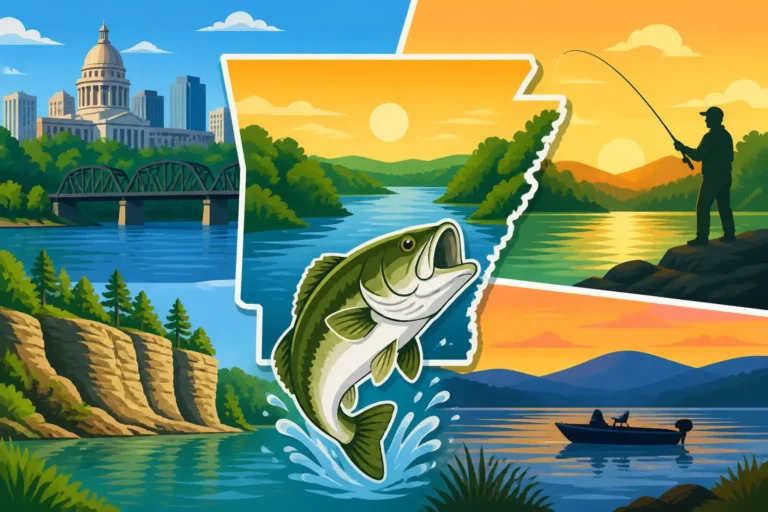
Feeling a bit lost when you look at a map of Arkansas, wondering where to even begin your fishing adventure? With so many incredible lakes and winding rivers carving through its diverse landscapes, it's genuinely tough to pick just one spot that promises a great day on the water. You might feel overwhelmed by the sheer number of options, each boasting different species and unique challenges. This comprehensive guide is here to cut through that confusion, helping you discover the very best lakes and rivers across the state for your next memorable fishing trip, ensuring you spend less time researching and more time casting.
Understanding Arkansas's Diverse Waterways
Arkansas truly lives up to its nickname, "The Natural State," especially when it comes to its fishing opportunities. The topography of the state, from the rugged Ozark and Ouachita Mountains to the flat, fertile Delta region, creates an incredible variety of aquatic environments. Each type of water body, whether it's a sprawling mountain lake, a meandering lowland river, or a cold-water tailwater, offers a distinctly different fishing experience. Understanding these differences is key to planning a successful and enjoyable outing. You wouldn't use the same tackle on a deep mountain lake as you would on a shallow, timber-filled Delta lake, and knowing why makes all the difference.
The Allure of the Ozark Mountain Lakes
Up in the northern and western parts of Arkansas, the Ozark Mountains cradle some of the most stunning and productive reservoirs you'll ever encounter. These lakes, often formed by damming major rivers, are typically deep, clear, and possess an abundance of rocky points, submerged timber, and bluff lines. This varied structure provides perfect habitat for a wide array of game fish, from formidable black bass species like largemouth, smallmouth, and Kentucky spotted bass, to impressive populations of crappie, walleye, and even massive striped bass.
Anglers often find themselves mesmerized by the pristine beauty of these lakes, where the tree-covered hillsides plunge directly into the water, creating dramatic scenery. However, this beauty also presents a challenge; the clear water often means fish are warier and require more finesse in presentation. It's not uncommon to spend hours exploring different depths and structures before finding a productive pattern. The reward, though, is often a quality fish that puts up a serious fight in the clean, oxygen-rich waters.
Many of these mountain lakes also boast excellent facilities, with numerous boat ramps, marinas, and lakeside campgrounds, making them ideal for multi-day excursions or family trips. Whether you're trolling for suspended stripers, jigging for crappie over brush piles, or casting topwater lures for bass along rocky banks, the Ozark Mountain lakes offer a truly premier freshwater fishing experience. Just remember that navigating their vastness can be daunting for newcomers, so a good map or a guide can be invaluable.
Delta Region's Unique River Systems
As you move eastward and southward into Arkansas's Delta region, the landscape flattens out, and the waterways transform dramatically. Here, you'll find slow-moving rivers, oxbow lakes, and cypress-laden bayous that are a stark contrast to their mountain counterparts. These waters are often shallower, darker, and rich in nutrients, creating fertile grounds for different species, particularly various catfish, robust crappie populations, and plenty of largemouth bass. The environment is dense with submerged timber, lily pads, and other aquatic vegetation, offering endless cover for fish.
Fishing in the Delta often involves navigating tight channels and cypress knees, requiring a different approach than the wide-open spaces of a mountain lake. Anglers here often employ techniques like flipping and pitching into heavy cover for bass or spider rigging for crappie around standing timber. The serene, almost mystical atmosphere of these waters, with ancient cypress trees draped in Spanish moss, provides a unique backdrop to your fishing adventure.
While the scenery is different, the fishing can be just as exciting. Channel catfish, blue catfish, and flathead catfish thrive in these warmer, murky waters, making the Delta a prime destination for catfishing enthusiasts. Crappie populations are often prolific, especially in the numerous oxbow lakes that dot the region, providing fantastic opportunities for a cooler full of fillets. It's a completely different rhythm of fishing down here, one that rewards patience and a keen eye for subtle cover.
The Power of Tailwaters
Nestled beneath the massive dams that create Arkansas's large reservoirs are what anglers often refer to as "tailwaters." These river sections, fed by cold, oxygen-rich water released from the bottom of the dams, create ideal conditions for cold-water species, most notably trout. Arkansas is renowned for its world-class trout fisheries on rivers like the White, Little Red, and Norfork, which are all tailwaters. These rivers sustain thriving populations of rainbow, brown, cutthroat, and brook trout, many of which grow to trophy sizes.
The consistent cold temperatures and abundant food sources in tailwaters create a unique and highly productive environment for trout. However, fishing these waters presents its own set of challenges, as water levels can fluctuate dramatically with generation schedules from the dams. Anglers need to pay close attention to water releases, as high water often means different fishing techniques, while low water can open up incredible wade-fishing opportunities.
Many anglers travel from across the country to experience fly fishing or spin fishing on these fabled waters, seeking to land a beautiful brown trout or a feisty rainbow. The clarity of the water in some sections can be astounding, allowing for sight-fishing in certain conditions, but also demanding precise presentations. Whether you're a seasoned fly-caster or prefer to spin fish with jigs and artificial bait, the tailwaters of Arkansas offer an exhilarating and often rewarding challenge, providing some of the Best Trout Fishing Spots in Arkansas.
Northwest Arkansas Gems: Lakes and Rivers that Shine
Northwest Arkansas, with its rugged Ozark terrain and stunning natural beauty, is a true angler's paradise. The region boasts several large, clear reservoirs and fast-flowing rivers that attract fishing enthusiasts from all over. It's a place where you can chase trophy bass one day and delicate trout the next, all within a reasonable drive. This area is particularly known for its diverse black bass fishing, as well as its renowned trout streams created by the region's impressive dam structures.
Beaver Lake: A Bass Angler's Paradise
Beaver Lake, a massive 28,000-acre Corps of Engineers reservoir nestled in the Ozark Mountains near Fayetteville, is an absolute legend among bass anglers. Its deep, clear waters, steep rocky bluffs, numerous coves, and abundant submerged timber provide an incredible variety of structure for largemouth, smallmouth, and spotted bass. Anglers often comment on the sheer size and health of the bass population here, making it a consistent tournament favorite.
Fishing Beaver Lake can be an all-season affair, with different techniques shining at various times of the year. In the spring, you'll find anglers targeting pre-spawn and spawning bass in shallower coves and creek arms using spinnerbaits, crankbaits, and soft plastics. As summer heats up, bass move deeper, making Carolina rigs, shaky heads, and deep-diving crankbaits productive around points and humps. Don't be surprised to find schooling bass chasing baitfish on the surface during late summer and fall, offering exciting topwater action. The clear water here demands a bit more stealth and often lighter line than you might use on murkier lakes, but the reward of a hard-fighting Ozark bass is well worth the effort.
Beyond bass, Beaver Lake also offers good opportunities for crappie, particularly around timber and brush piles in the spring. White bass can provide fast action, especially in the spring during their spawning runs up the rivers that feed the lake. It's a truly versatile fishery, though its size can be intimidating. Many anglers find success by focusing on specific sections or hiring a local guide, especially if it's their first time on these waters, to help unlock the lake's secrets.
The Upper White River: Trout and Smallmouth Haven
Flowing out of Beaver Lake, the Upper White River (before it turns into a major trout tailwater further downstream) offers a completely different, yet equally rewarding, fishing experience. This section of the river, particularly around its headwaters and upper stretches, is a pristine environment for smallmouth bass. These bronze beauties thrive in the cool, clear, rocky flows, providing an exciting challenge for fly anglers and spin fishermen alike.
Wading or floating this section of the White River provides a truly immersive natural experience. The smallmouth here are known for their aggressive strikes and acrobatic fights, especially when targeted with light tackle. Fly fishing with poppers and streamers or spin fishing with small crankbaits, tube jigs, and inline spinners are highly effective methods. Unlike the large reservoirs, the river demands a more intimate understanding of current, riffles, and eddies to locate the fish.
Further downstream, below Bull Shoals Dam, the White River transforms into one of the most famous trout fisheries in the world. This tailwater section is stocked with millions of rainbow trout annually and supports a naturally reproducing population of brown trout, some reaching truly enormous sizes. Anglers here use everything from tiny midge patterns on a fly rod to PowerBait and corn on spinning gear. The trout fishing on the White River below Bull Shoals is a bucket-list destination for many, known for its consistent action and the chance at a true trophy, often requiring a specialized Arkansas Trout Permit Rules in addition to your regular license.
Central Arkansas Hotspots: Close to the Action
Central Arkansas, surrounding the capital city of Little Rock, might not have the rugged mountain scenery of the Ozarks, but it makes up for it with some incredibly productive and accessible fisheries. These lakes and rivers are often popular weekend destinations for local anglers and provide consistent action for a variety of popular game fish. They offer a blend of urban convenience and fantastic fishing, proving you don't always have to travel far into the wilderness for a great day on the water.
Lake Conway: Largemouth Bass and Crappie Heaven
Lake Conway, located just north of Little Rock, is perhaps one of Arkansas's most iconic and unique fishing destinations. At just over 6,700 acres, it's a relatively shallow, timber-filled lake known for its absolutely booming populations of largemouth bass and crappie. If you're looking for numbers, especially in the springtime, Lake Conway rarely disappoints. Its unique character comes from the thousands of standing cypress trees and submerged stumps that dominate its landscape, providing endless cover and structure for fish.
Fishing Lake Conway is an exercise in patience and precision, especially when navigating the dense timber. Anglers often employ techniques like flipping jigs and soft plastics into the thick cover for largemouth bass, or vertical jigging tiny crappie jigs around the base of cypress trees and brush piles. The lake is particularly famous for its spring crappie bite, where anglers can fill their limits quickly. While it might not produce as many giant bass as some of the deeper mountain lakes, the sheer volume of fish and the exciting shallow-water action make it a true "bass and crappie heaven" for many.
The challenges here include navigating the timber (which can be hard on trolling motors and props!) and dealing with the occasionally murky water, especially after heavy rains. However, its accessibility and consistent productivity make it a favorite for many local anglers and families. It's a lake that really teaches you how to fish cover effectively, and for many, it's where their love for Arkansas fishing truly began.
Lake Ouachita: Clear Waters and Trophy Fish
Further to the southwest, near Hot Springs, lies Lake Ouachita, often celebrated as Arkansas's largest and one of its most pristine lakes. This 40,000-acre jewel is a true marvel, boasting incredibly clear waters, over 200 islands, and a diverse underwater landscape of submerged timber, rock piles, and deep channels. It's a multi-species powerhouse, offering exceptional fishing for largemouth bass, spotted bass, smallmouth bass, crappie, bream, and, notably, a thriving population of striped bass. Lake Ouachita is recognized as one of the premier destinations for Lake Ouachita: Arkansas's Largest Lake for Bass and Crappie Fishing.
The clarity of Lake Ouachita's water means that sight fishing is sometimes possible, but it also means fish can be spooky. Anglers here often employ finesse techniques for bass, using lighter lines and subtle presentations. Topwater action for bass and stripers can be phenomenal during dawn and dusk, especially in the warmer months. For crappie, anglers target brush piles and standing timber in deeper water, often using electronics to pinpoint schools. The lake is also famous for its freshwater jellyfish (harmless to humans!) and its reputation for cleanliness.
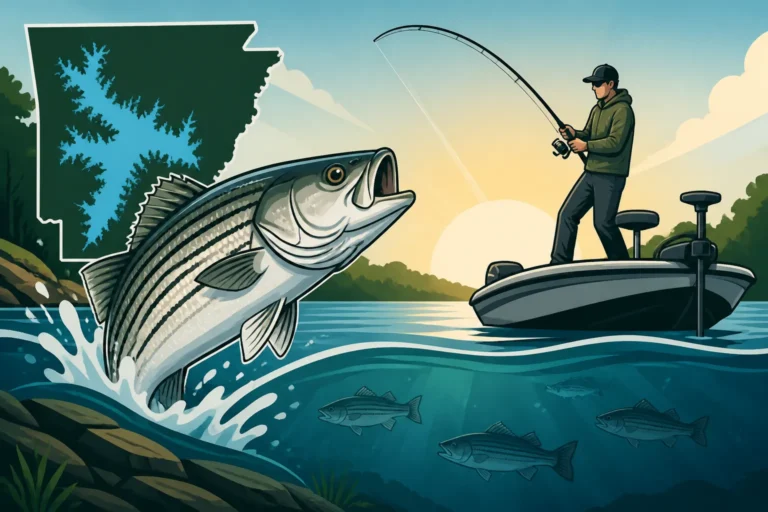
Striper fishing on Lake Ouachita is a major draw, with fish often reaching impressive sizes. Anglers will troll large baits, live shad, or target schooling fish with spoons and plugs in open water. The lake's expansive nature means there's always a new cove or point to explore, and its beauty alone is worth the trip. While it can get busy during peak tourist season, there are plenty of remote areas to escape to, offering solitude and excellent fishing for those willing to explore.
Northeast Arkansas's Hidden Treasures
Northeast Arkansas might not have the same number of large reservoirs as the Ozarks, but it certainly holds its own with unique and highly productive fisheries. This region is characterized by deep, clear mountain lakes on its western edge and cold, spring-fed rivers that provide a distinct angling experience. Anglers here can find fantastic opportunities for species that thrive in cold, oxygenated water, as well as plenty of traditional warm-water species in its diverse network of waterways.
Norfork Lake: Striper and Walleye Territory
Straddling the Arkansas-Missouri border, Norfork Lake is another magnificent Corps of Engineers impoundment, boasting over 22,000 acres of deep, clear water. This lake is arguably the premier destination in Arkansas for trophy striped bass and has an exceptional walleye fishery. Its deep, clear waters and abundant forage base, primarily threadfin and gizzard shad, allow these species to grow to truly enormous sizes. Anglers regularly pull 20, 30, and even 40-pound stripers from Norfork, making it a bucket-list lake for many big game enthusiasts.
Fishing Norfork Lake for stripers often involves trolling large lures or live bait (like gizzard shad) at specific depths, sometimes over deep points or along the main river channel. Electronics are crucial for locating baitfish schools and the stripers that follow them. The bite can be challenging, but the reward of a screaming drag and a massive striper at the end of your line is an unforgettable experience. For walleye, anglers target rocky points and humps with jigs, crankbaits, or bottom bouncers, particularly during the cooler months and at night.
Beyond stripers and walleye, Norfork also offers excellent fishing for largemouth, smallmouth, and spotted bass, as well as crappie and white bass. The lake's extensive shoreline, peppered with rock bluffs, submerged timber, and brush piles, provides plenty of habitat for these species. It's truly a diverse fishery that can cater to almost any angler, though its clear waters and deep structure can demand patience and technical skill. Many consider Norfork Lake: One of Arkansas's Best Striped Bass Fisheries to be a top-tier destination for these species.
The Spring River: A Cold-Water Trout Fishery
The Spring River, emerging from a massive spring at Mammoth Spring State Park, is a true natural wonder and a fantastic cold-water fishery. Unlike the tailwaters which are dam-fed, the Spring River is spring-fed, meaning its water is consistently cold year-round, typically staying in the low 50s Fahrenheit. This makes it an ideal environment for rainbow trout and, in its wilder sections, a healthy population of smallmouth bass.
The river itself is picturesque, with clear, fast-flowing water over a rocky bottom, interspersed with pools and riffles. It's a popular destination for wading anglers, kayak fishermen, and those who enjoy floating in johnboats or rafts. Rainbow trout are stocked regularly, providing ample opportunities for catch-and-keep, especially in the upper sections. Anglers often use small inline spinners, jigs, or natural baits like corn and PowerBait for rainbows.
For smallmouth bass, anglers venture into the lower, warmer sections of the river, where these feisty fish thrive alongside various sunfish and even some native rock bass. Fly fishing with small poppers or streamers, or spin casting with small crankbaits and soft plastics, can yield exciting action. The Spring River offers a more intimate and wilder fishing experience compared to the larger lakes, making it perfect for those seeking solitude and a chance to connect with nature. Its unique origin and consistent conditions make it a standout fishery in the state.
Southeast Arkansas: Catfish and Crappie Galore
Southeast Arkansas, firmly in the Delta region, offers a distinct fishing experience characterized by warmer, often nutrient-rich waters. Here, the focus shifts slightly from the trout and mountain bass of the north to the impressive catfish, abundant crappie, and hard-fighting largemouth bass that thrive in its lowland lakes and major river systems. This area is particularly appealing to anglers who love to fill a cooler with fillets or battle a truly giant whiskerfish.
Lake Monticello: Big Bass and Crappie
Lake Monticello, located near the city of Monticello, is a fantastic example of a productive Delta lake. This 1,520-acre reservoir is known for its shallow, fertile waters and an abundance of submerged timber and aquatic vegetation. It has a well-deserved reputation for producing some truly massive largemouth bass, with many in the double-digit range. The lake's nutrient-rich environment allows bass to grow quickly, making it a consistent favorite for trophy hunters.
Fishing Lake Monticello often involves targeting the extensive shallow cover, using techniques like flipping and pitching jigs, worms, and creature baits into thick mats of vegetation or around cypress trees. Topwater lures can also be incredibly effective during low light conditions, drawing explosive strikes from aggressive bass. The lake's relatively small size compared to the mountain lakes means it's easier to learn and navigate, offering a more manageable experience for many anglers.
Beyond bass, Lake Monticello also holds an excellent population of crappie. Anglers find success targeting brush piles and standing timber with small jigs or live minnows, especially during the cooler months and spring spawn. The lake's consistent productivity for both bass and crappie makes it a popular choice for family fishing trips or for those simply looking for a productive day on the water. However, its shallow nature means boaters need to be mindful of stumps and hidden hazards, especially outside of marked channels.
The Arkansas River: Catfish and Bass Highway
The Arkansas River, a colossal waterway that carves its way through the entire state, is a true backbone of Arkansas fishing. This vast river system, managed by a series of locks and dams, provides an incredible array of fishing opportunities, from massive blue catfish and flatheads to abundant largemouth bass, white bass, and crappie. It's a working river, with commercial barge traffic, but also a fantastic fishery that constantly changes and challenges anglers.
Catfishing on the Arkansas River is legendary. Blue catfish can grow to enormous sizes, often exceeding 50 pounds, with the state record breaking well over 100 pounds. Anglers target these giants in deep holes, along ledges, and around submerged structure using fresh cut bait, shad, or other natural offerings. Flathead catfish are also present, often found near submerged timber and rock piles, preferring live bait. Channel catfish provide consistent action throughout the river system and are a favorite for trotlining and jug fishing.
For bass anglers, the river's numerous backwaters, oxbow lakes, and tributary mouths provide excellent habitat. Largemouth bass thrive in these shallower, more protected areas, while white bass can be found schooling in the main river channel, especially during spring spawning runs. Crappie also inhabit the river's slack water areas, particularly around brush piles and natural cover. Fishing the Arkansas River requires an understanding of current, water levels, and navigation, but its sheer size and diverse fish populations make it a truly rewarding experience for those who learn its rhythms.
Planning Your Arkansas Fishing Adventure
Embarking on a fishing trip in Arkansas is an exciting prospect, but a little planning goes a long way to ensure a smooth and successful outing. From understanding the best times to visit to securing the necessary permits, taking care of these details beforehand can save you headaches and maximize your time on the water. It’s not just about packing your rods and tackle; it’s about preparing for the unique regulatory and seasonal aspects that make fishing in the Natural State so special.
Choosing the Right Time of Year
Arkansas offers fantastic fishing opportunities year-round, but the "best" time really depends on what species you're hoping to target and what kind of weather you prefer. For many, spring (March-May) is prime time. This is when the bass are in their pre-spawn and spawning phases, offering some of the most exciting shallow-water action. Crappie also move shallow to spawn, providing excellent numbers fishing. The weather is generally mild, making for comfortable days on the water.
Summer (June-August) brings warmer temperatures, and fish often move to deeper, cooler waters, especially in the larger reservoirs. This is a great time for night fishing for catfish, or targeting schooling stripers and white bass in open water. Early mornings and late evenings offer relief from the heat and can be incredibly productive for topwater bass. Fall (September-November) sees fish transitioning, often becoming very aggressive as they feed heavily before winter. This can be fantastic for bass, crappie, and walleye as water temperatures cool. Finally, winter (December-February) can be exceptional for trout on the tailwaters, with fewer crowds and hungry fish. Crappie can also be found schooled tightly in deep water, offering a productive vertical jigging bite. Knowing the Arkansas Fishing Seasons Guide will definitely give you an edge.
Getting Your Fishing License and Permits
Before you even think about wetting a line in Arkansas, you absolutely must have the proper fishing license. This isn't just a suggestion; it's a legal requirement, and game wardens do check. The Arkansas Game and Fish Commission (AGFC) issues various types of licenses, depending on your residency, age, and how long you plan to fish. For instance, residents often have options like an annual license or a shorter 3-day trip license. Non-residents also have annual and short-term options, typically at a higher cost.
Beyond the basic fishing license, if you plan to fish for trout in designated trout waters (like the White, Little Red, or Norfork River tailwaters), you'll also need to purchase an additional trout permit. This is a common point of confusion for new anglers, so make sure you check if your chosen fishing spot requires this extra stamp. Don't forget that Do Kids Need a Fishing License in Arkansas? is a common question, and generally, residents under 16 and non-residents under 16 do not need a license. However, checking current regulations is always the safest bet. You can easily purchase your license online through the AGFC website or at numerous sporting goods stores and bait shops across the state. Learning How to Buy an Arkansas Fishing License Online can save you time and hassle.
Considering a Guided Trip for Local Expertise
For those who are new to Arkansas's vast and varied waters, or simply want to maximize their chances of success and learn from a pro, considering a guided fishing trip is an excellent option. Local fishing guides spend hundreds of days a year on their home waters, building an unparalleled understanding of fish patterns, productive spots, and effective techniques. They know the subtle nuances that can make or break a day on the water, whether it's understanding the generation schedule on a tailwater or where the crappie are holding on a particular brush pile.
A guided trip often includes all the necessary gear—rods, reels, tackle, and even bait—so you don't have to worry about bringing your own or buying specialized equipment. Many guides also provide snacks, drinks, and even lunch on full-day trips. This allows you to focus solely on the fishing and the experience. For those looking for a truly hands-off experience or targeting a specific species like trophy stripers on Norfork Lake or big brown trout on the White River, a guide can be invaluable. Platforms like FishingBooker can connect you with reputable local guides across Arkansas, allowing you to read reviews and book with confidence. Understanding How to Book a Fishing Guide in Arkansas is the first step towards a stress-free and productive day.
Essential Gear and Techniques for Arkansas Waters
Fishing in Arkansas is as diverse as its landscape, meaning there's no single "right" way to fish, nor one set of gear that fits all scenarios. However, having a foundational understanding of essential gear and common techniques will significantly boost your confidence and success rate, regardless of where you cast your line. It's about being prepared for what Arkansas's varied waters might throw at you.
Tackle Box Essentials for Diverse Species
When packing your tackle box for an Arkansas fishing trip, thinking broadly will serve you best. For bass fishing, you'll want a selection of soft plastics (worms, creature baits, flukes) in natural colors, along with hooks for Texas rigging and shaky heads. Spinnerbaits and chatterbaits are great for covering water, while crankbaits (both shallow and deep diving) are indispensable for different depths. Topwater lures like poppers and walking baits can provide thrilling action, especially in low light. Don't forget jigs (flipping jigs, football jigs) for targeting heavy cover or deeper structure.
For crappie and panfish, smaller is often better. Stock up on tiny jigs (1/16 to 1/8 oz) in various colors (chartreuse, white, black/chartreuse are local favorites), small curly tail grubs, and perhaps some live minnows. Small bobbers, split shot, and light line (4-6 lb test) are also crucial. If you're targeting catfish, you'll need heavier gear: strong hooks (circle hooks are popular), heavy sinkers (1 oz+), and robust line (20 lb+ monofilament or braid). Cut bait (shad, chicken liver), stink baits, or live perch are common choices.
Trout fishing gear depends on whether you're fly fishing or spin fishing. For spin fishing, ultra-light rods and reels with 4-6 lb test line are ideal, along with small inline spinners (like Panther Martins or Rooster Tails), small crankbaits, and small jigs. PowerBait, corn, and salmon eggs are go-to natural baits. Fly anglers will need a 4-6 weight fly rod, matching reel, floating and sinking lines, and a selection of local fly patterns (midges, caddis, nymphs, streamers for brown trout). Always carry a net, pliers, and a sharp knife, regardless of what you're targeting!
Mastering Popular Fishing Techniques
The techniques you employ will greatly depend on the species you're after and the specific water body. For largemouth bass in the timber-filled lakes of the Delta or shallow coves of mountain lakes, flipping and pitching into heavy cover is key. This involves dropping your bait quietly into small openings in vegetation or around wood. When bass are deeper or suspending, Carolina rigging soft plastics or deep cranking can be highly effective, especially around points and ledges. Topwater fishing during dawn and dusk is always a blast.
For crappie, spider rigging (multiple rods deployed from the front of the boat) is popular on open water, especially over brush piles or standing timber, allowing you to present multiple baits at different depths. Vertical jigging small jigs around structure is also incredibly effective, especially in cold water. Bank anglers and kids often find success fishing with a bobber and minnow near docks or brush.
Catfishing on the Arkansas River or other large water bodies often involves bottom fishing with heavy weights and cut bait, either anchored from a boat or casting from the bank. Trotlining and jug fishing are also popular, allowing you to set multiple baited lines and check them periodically. For trout on the tailwaters, wade fishing with fly rods or spin gear is common. Fly anglers will often nymph fish or dry fly fish depending on the hatch, while spin fishermen will cast and retrieve small lures or drift bait under a float. Adapting your technique to the conditions is crucial for consistent success.
Conservation and Responsible Angling Practices
As anglers, we all share a responsibility to protect and preserve Arkansas's incredible aquatic resources for future generations. Fishing isn't just about catching fish; it's about connecting with nature, understanding ecosystems, and ensuring that these opportunities remain abundant. Practicing responsible angling not only helps the environment but also enhances the overall quality of your fishing experience. Every decision we make on the water has an impact, and being mindful of that is paramount.
Understanding Catch and Release
Catch and release fishing is a cornerstone of modern conservation, especially for trophy fish or species that are particularly vulnerable. While Arkansas does have generous creel limits for many species, deciding to release some or all of your catch, particularly larger breeding-size fish, can significantly contribute to healthy fish populations. When practicing catch and release, the key is to minimize stress and injury to the fish.
Always try to land the fish quickly to reduce exhaustion. Use appropriate tackle that matches the size of the fish you're targeting, as undersized gear can prolong the fight and exhaust the fish more. Handle the fish gently, ideally with wet hands or a wet net, to protect its protective slime coat. Avoid touching the gills or eyes. If possible, keep the fish in the water while removing the hook. Using barbless hooks or crushing the barbs on your hooks can make removal much easier and quicker. If the fish is deeply hooked, it's often best to cut the line as close to the hook as possible rather than trying to rip it out, which can cause internal damage. Observe the fish as it swims away to ensure it's healthy and revived. Releasing a strong, healthy fish back into its environment is one of the most rewarding aspects of fishing.
Protecting Arkansas's Aquatic Ecosystems
Beyond individual fish, responsible angling extends to protecting the entire aquatic ecosystem. This means being mindful of your impact on the water, the shoreline, and the surrounding environment. Never leave trash behind. Pack out everything you pack in, and if you see litter, consider picking it up. Discarded fishing line, lures, and plastics can be deadly to wildlife.
Be aware of invasive species. Always clean, drain, and dry your boat, trailer, and gear thoroughly after leaving one body of water and before entering another. This prevents the spread of harmful plants, animals, and diseases that can devastate native ecosystems. The AGFC has specific guidelines for preventing the spread of diseases like Chronic Wasting Disease (CWD) in deer and aquatic invasives, so it's always good to stay informed.
Finally, respect private property and other users of the water. Ask permission before accessing private land, and be courteous to other anglers, boaters, and wildlife observers. By following all Arkansas Fishing Regulations Guide, participating in cleanup efforts, and educating others, we can all play a vital role in keeping Arkansas's lakes and rivers beautiful and bountiful for generations to come.
Choosing Your Arkansas Fishing Destination
With such an incredible array of lakes and rivers, narrowing down your choice for an Arkansas fishing trip can feel like a delicious challenge. The state offers something for every type of angler, from those seeking solitude in a remote river section to families looking for a bustling lake with plenty of amenities. To help you visualize the possibilities, let's look at a quick overview of some top choices.
| Water Body | Primary Target Species | Key Fishing Style | Notable Feature / Environment | Ideal For |
|---|---|---|---|---|
| White River | Rainbow, Brown Trout | Fly fishing, spin fishing, wading | Cold-water tailwater, scenic, rocky | Trophy trout, serene experience, fly anglers |
| Lake Ouachita | Largemouth, Spotted Bass, Stripers, Crappie | Boat fishing, trolling, jigging | Clear water, islands, deep structure, pristine | Diverse species, trophy fish, family-friendly |
| Norfork Lake | Striped Bass, Walleye, Bass | Trolling, deep jigging | Deep, clear water, massive stripers | Big game fishing, walleye enthusiasts |
| Lake Conway | Largemouth Bass, Crappie | Flipping, pitching, vertical jigging | Shallow, timber-filled, abundant cover | Numbers fishing, shallow water action, beginners |
| Beaver Lake | Largemouth, Smallmouth, Spotted Bass | Finesse fishing, topwater, deep cranking | Clear water, rocky bluffs, varied structure | Bass tournaments, diverse bass species |
| Arkansas River | Blue, Channel, Flathead Catfish, Bass | Bottom fishing, trotlining, boat fishing | Large river system, locks/dams, diverse habitat | Catfish fanatics, urban fishing, multi-species |
| Spring River | Rainbow Trout, Smallmouth Bass | Wade fishing, float fishing | Spring-fed, clear water, swift current | Unique natural fishery, smaller boat access, wading |
This table provides just a snapshot, as each of these destinations, and many others across the state, offer a multitude of hidden coves, tributaries, and seasonal variations. For a more detailed look into specific fishing regulations and costs, you can explore resources like Arkansas Fishing License Rules and Costs and Arkansas Fishing License Types Explained. Ultimately, the best way to find your favorite spot is to cast a line and explore the incredible diversity that Arkansas has to offer!
Disclaimer
The information provided in this guide is for general informational purposes only and is subject to change. Always consult the official Arkansas Game and Fish Commission (AGFC) regulations and local authorities for the most current rules, license requirements, and safety guidelines before engaging in any fishing activities. Fishing conditions, fish populations, and regulations can vary significantly, and staying informed is your responsibility as an angler.