Why some Arkansas lakes have stricter limits than others
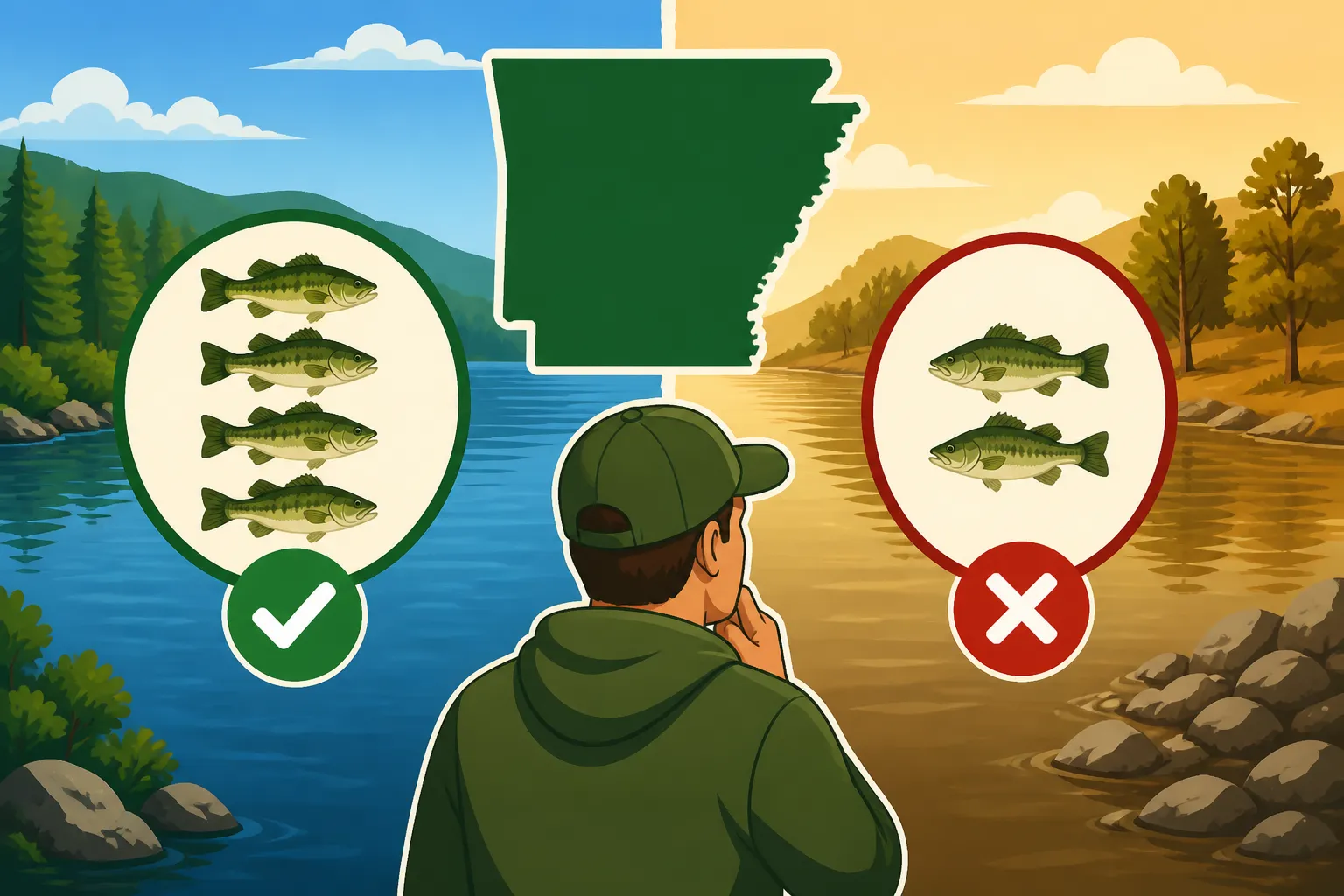
It’s a common scenario for us anglers in Arkansas, isn't it? You head out to your favorite fishing spot, or maybe you're exploring a new lake, and you think you've got the regulations down pat. Then, BAM! You discover the daily limit for crappie is different here than it was last month at the other lake, or the minimum length for bass has completely changed. This guide will help you understand why some Arkansas lakes have stricter or different limits than others, and how you can stay on the right side of the rules, ensuring great fishing for generations to come.
The Rationale Behind Varying Limits Across Arkansas Waters
It can certainly feel like a puzzle sometimes, trying to keep up with all the different fishing regulations across our beautiful state. One lake might have a generous daily limit, while another, just a few miles down the road, has much tighter restrictions. This isn't just arbitrary rule-making; it's a carefully considered strategy by the Arkansas Game and Fish Commission (AGFC) to manage our diverse fisheries. Think of it like a doctor prescribing different treatments for different patients, even if they have similar ailments – each body of water, with its unique ecosystem and pressures, requires a tailored approach.
The AGFC's primary goal is always sustainability. They want to ensure there are plenty of fish for everyone, now and in the future. To do this, they look at a whole host of factors, from the specific fish species present, to their spawning success, growth rates, habitat quality, and even how many anglers are typically trying to catch them. These aren't one-size-fits-all solutions because our lakes and rivers aren't one-size-fits-all environments. For a broader overview of all the rules, be sure to check out our comprehensive guide on the Arkansas Fishing Regulations Guide.
Protecting Fragile Populations and Unique Habitats
Sometimes, a particular lake or river stretch might be home to a very specific, perhaps even fragile, fish population. Maybe a species isn't reproducing as successfully there, or its habitat is limited. In such cases, the AGFC might implement stricter limits – perhaps a lower daily creel limit or a higher minimum length – to give those fish a chance to grow, spawn, and bolster their numbers. This is especially true when they are trying to manage for trophy fish.
Consider areas where certain fish might be at the northern or southern edge of their natural range. They might struggle more in those conditions compared to fish in their prime habitat. For instance, some of our smaller, cooler Ozark streams might have very specific rules for smallmouth bass because those fish need particular conditions to thrive. You can learn more about Smallmouth Bass Rules on Arkansas's Moving Waters Statewide. These rules help ensure that unique populations, or those under environmental stress, aren't overfished. It's all about finding that delicate balance to maintain a healthy ecosystem, and sometimes that means sacrificing a few fish today for many more in the future.
Managing Angler Pressure and Harvest Rates
Let's be honest, some fishing spots are just more popular than others. They're easy to access, well-known for big catches, or simply closer to major population centers. When a body of water experiences heavy angler pressure, the fish populations can quickly become depleted if not carefully managed. Imagine everyone hitting the same grocery store at peak hours; if there aren't enough goods, shelves become bare. The same goes for fish.
For highly popular lakes, the AGFC might impose more restrictive limits to spread the harvest out among more anglers and prevent any single individual or group from taking too many fish. This ensures that everyone has a fair shot at catching fish, and the fish population isn't decimated by constant pressure. This can involve lower daily limits or even slot limits, where you can only keep fish within a certain size range, releasing smaller ones to grow and larger ones to continue spawning. This type of management is crucial for maintaining the quality of the fishing experience, especially in places like Lake Conway near Little Rock or Lake Hamilton in Hot Springs, which see a lot of visitors.
Examples of Lake-Specific Regulations in Action
Seeing the specific rules applied to certain bodies of water really helps to illustrate why these variations exist. It's not just theoretical; these are real-world applications designed to meet very specific conservation or management goals. Let's dive into a couple of prime examples where Arkansas has implemented unique rules for good reason.
Bass and Crappie Hotspots with Special Rules
Arkansas is renowned for its fantastic bass and crappie fishing, and many of our lakes are carefully managed to keep them that way. Two excellent examples where you'll find distinct rules are Lake Monticello and Lake Cargile. These aren't just arbitrary changes; they're based on detailed surveys and biological data specific to those fisheries.
Take Lake Monticello, for example. It's a fantastic spot for both bass and crappie, but it has some very specific regulations. For largemouth bass, while the Largemouth Bass Daily Limit in Arkansas is five fish statewide, Lake Monticello has an exception: you can only keep one bass 16 inches or longer as part of that five-fish limit. This "slot limit" (though technically a reverse slot for the upper end) is designed to protect larger, more mature bass that are crucial for spawning and producing the next generation of trophy fish. By encouraging anglers to release the bigger bass, the AGFC helps ensure the genetic quality of the fishery and maintains a healthy population structure. You can read more in-depth about the specifics of Lake Monticello Bass and Crappie Exceptions. The same lake also has different crappie limits, aiming to balance harvest with maintaining a good size structure for those delicious panfish.
Similarly, Lake Cargile has its own set of rules for crappie. While the statewide Crappie Size and Daily Limit in Arkansas is usually 20 fish at a 9-inch minimum, Lake Cargile often deviates. For example, the rules might limit you to 15 crappie per day, with only 7 of those able to be 12 inches or longer. This type of nuanced regulation, detailed in Lake Cargile Crappie Limit Rules, helps to address specific population dynamics within that particular lake, perhaps due to slower growth rates or higher fishing pressure, ensuring the fishery remains vibrant. These are targeted efforts to ensure these lakes continue to produce quality fishing experiences.
Tailwater Trout Fisheries and Their Unique Challenges
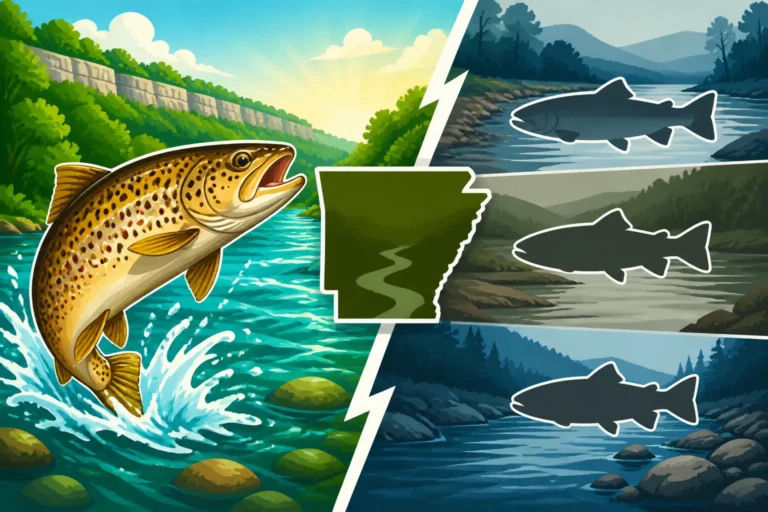
Our tailwater fisheries, specifically the stretches of river directly below major dams, are another prime example of highly specialized regulations. These unique ecosystems are formed by the release of cold, oxygenated water from the bottom of hydroelectric dams, creating perfect conditions for trout – species that typically wouldn't thrive in warmer Arkansas waters. Because these are man-made trout habitats, and often highly productive ones, they require very specific management to sustain their populations and the world-class fishing they provide.
For instance, the Norfork Tailwater, below Norfork Dam, is renowned for its trout fishing. However, it has very stringent and unique rules. The daily limit for rainbow trout is often just two fish, and there might be size restrictions, such as needing to release all trout over 14 inches. These rules are put in place to manage a highly concentrated trout population in a relatively small stretch of river, protecting larger breeding fish and ensuring that the trophy potential of the fishery is maintained. Our guide on Trout Limits on the Norfork Tailwater in Arkansas delves into these specifics.
Similarly, the White River below Bull Shoals Dam, often referred to as the Bull Shoals Tailwater, has its own detailed set of regulations, particularly for brown trout. These rules, often found in our Bull Shoals Tailwater Trout Rules in Arkansas article, can include different minimum lengths or slot limits for brown trout compared to rainbow trout, reflecting the different growth rates and reproductive cycles of these species. Managing these tailwaters is a complex task, balancing the desire for anglers to harvest fish with the need to protect a valuable, somewhat artificial, resource. These aren't your typical Arkansas fish populations, so they don't get typical Arkansas rules.
How Anglers Can Stay Informed and Compliant
Navigating the various fishing regulations in Arkansas doesn't have to be a headache, even with all the lake-specific nuances. The key is to be proactive and informed before you even tie on your first lure. Nobody wants to accidentally break a rule and face a penalty, so a little preparation goes a long way. This is not just about avoiding fines; it's about respecting the incredible conservation efforts that go into making Arkansas one of the best fishing destinations around.
Your Essential Pre-Trip Checklist
Before you head out, whether it's to a familiar honey hole or an exciting new destination, make a habit of checking the most current regulations. The Arkansas Game and Fish Commission (AGFC) updates its fishing regulations annually, and these are readily available. You can grab a physical copy from any AGFC office or most places that sell fishing licenses, like many local sporting goods stores or even larger retailers such as Walmart and Bass Pro Shops. Better yet, download the free AGFC mobile app or visit their website – these digital resources are usually the most up-to-date and allow you to quickly search for specific lakes or species.
A quick search on their website for a specific lake will tell you if there are any exceptions to the statewide rules for species like crappie, bass, or trout. It's also a good idea to have essential tools on hand, like a reliable measuring board or a small scale. You can find many great options for these on sites like Amazon, which are perfect for ensuring your catch meets those critical length requirements before you decide to keep it. Remember, these regulations are designed to protect the very fish you're trying to catch, ensuring healthy populations for future trips. Don't forget to ensure your Arkansas Fishing License Rules and Costs are up to date before you leave!
Understanding the AGFC's Goals
It helps to remember that these regulations, however specific or seemingly complicated, are all put in place with the best intentions: to maintain and enhance Arkansas's incredible fisheries. The AGFC employs fisheries biologists who spend countless hours studying fish populations, water quality, and angler impact on individual bodies of water. Their decisions are based on scientific data, not just guesswork.
For instance, if a lake’s bass population is showing signs of slow growth, they might implement a specific length limit or "slot" to protect a certain size class, encouraging them to grow larger. Or, if a species is particularly vulnerable to overharvest in a specific area, the daily limit might be reduced. By understanding that these rules serve a greater purpose – to keep our fishing experiences top-notch and sustainable – it can make the compliance process feel less like a chore and more like a contribution to conservation. You might also want to explore our article on Statewide Creel Limits Versus Possession Limits in Arkansas to truly grasp the nuances of how many fish you can take and keep.
Here's a quick comparison of some common statewide limits versus lake-specific exceptions to give you a clear picture:
| Fish Species | Statewide Daily Limit | Statewide Minimum Length | Lake-Specific Example | Lake-Specific Daily Limit | Lake-Specific Minimum Length | Unique Rule/Reason |
|---|---|---|---|---|---|---|
| Largemouth Bass | 5 fish | None | Lake Monticello | 5 fish | None | Only 1 bass 16 inches or longer (Trophy management) |
| Crappie | 20 fish | 9 inches | Lake Cargile | 15 fish | 9 inches | Only 7 of 15 crappie can be 12 inches or longer (Population balance) |
| Rainbow Trout | 5 fish | None | Norfork Tailwater | 2 fish | None | All fish over 14 inches must be released (Trophy and breeding stock protection) |
| Smallmouth Bass | 2 fish | 12 inches | Crooked Creek | 1 fish | 18 inches | Catch & release for smallmouth often in specific creek sections (Sensitive population) |
Always remember to cross-reference this with the current AGFC regulations, as these can change annually. The AGFC's annual fishing guide is often available for download in PDF format, making it easy to carry on your phone or tablet. If you prefer a physical copy, many outdoor retailers, including sporting goods stores and even general stores like those found on Amazon, often stock the latest versions. Staying informed is your best tool for a successful and compliant fishing trip in Arkansas.
Disclaimer
The information provided in this guide is for general informational purposes only and is not a substitute for the official regulations published by the Arkansas Game and Fish Commission (AGFC). Fishing regulations, including limits, sizes, and seasons, can change. Always consult the most current AGFC Fishing Guidebook or their official website before heading out to fish to ensure compliance.